

With options limited, PM said readying to offer Eisenkot top spot in rotational gov’t
Eisenkot reportedly skeptical of Netanyahu’s offer, intends to swear in new government next week; Liberman warns such a proposal by PM is part of ploy to trigger another election
 Add ToI as a Preferred Source on Google
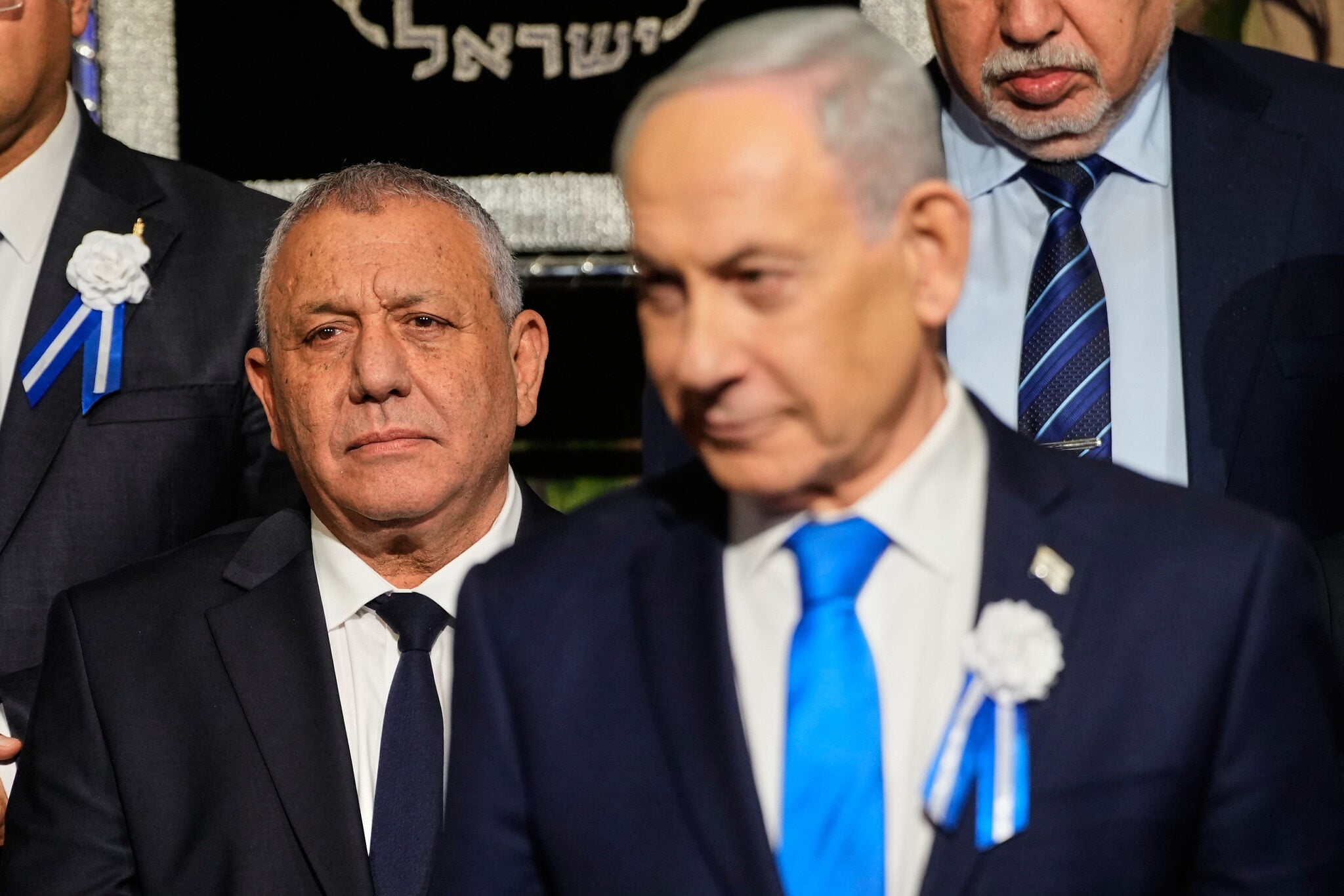
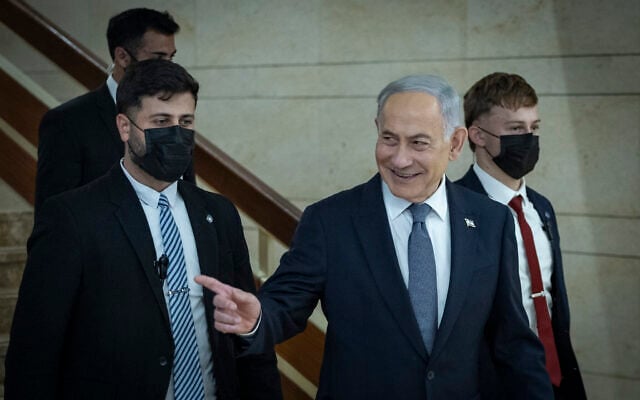
Prime Minister Benjamin Netanyahu is reportedly preparing to announce that he is willing to serve as the second prime minister in a rotation with Yashar chairman Gadi Eisenkot.
Officials in the Prime Minister’s Office told Channel 13 news on Friday that there are divided opinions within Netanyahu’s circle about the move.
According to the Kan public broadcaster, the offer has already been conveyed through unofficial channels, allowing Likud to maintain plausible deniability, while the party remains divided over the terms of any such arrangement.
Meanwhile, Eisenkot remains highly skeptical of Netanyahu’s offers and is continuing to prepare to swear in a government next week before his mandate expires on December 6, Channel 13 reported.
Yisrael Beytenu chairman Avigdor Liberman on Friday warned that Netanyahu may offer Eisenkot a rotation premiership as a ploy to derail the formation of a new government.
“The change government is taking shape,” Liberman wrote on X. “I wouldn’t rule out the possibility that [Netanyahu] will offer Gadi Eisenkot a rotation in which Netanyahu would serve second, but everyone needs to understand: this is merely a ploy.”
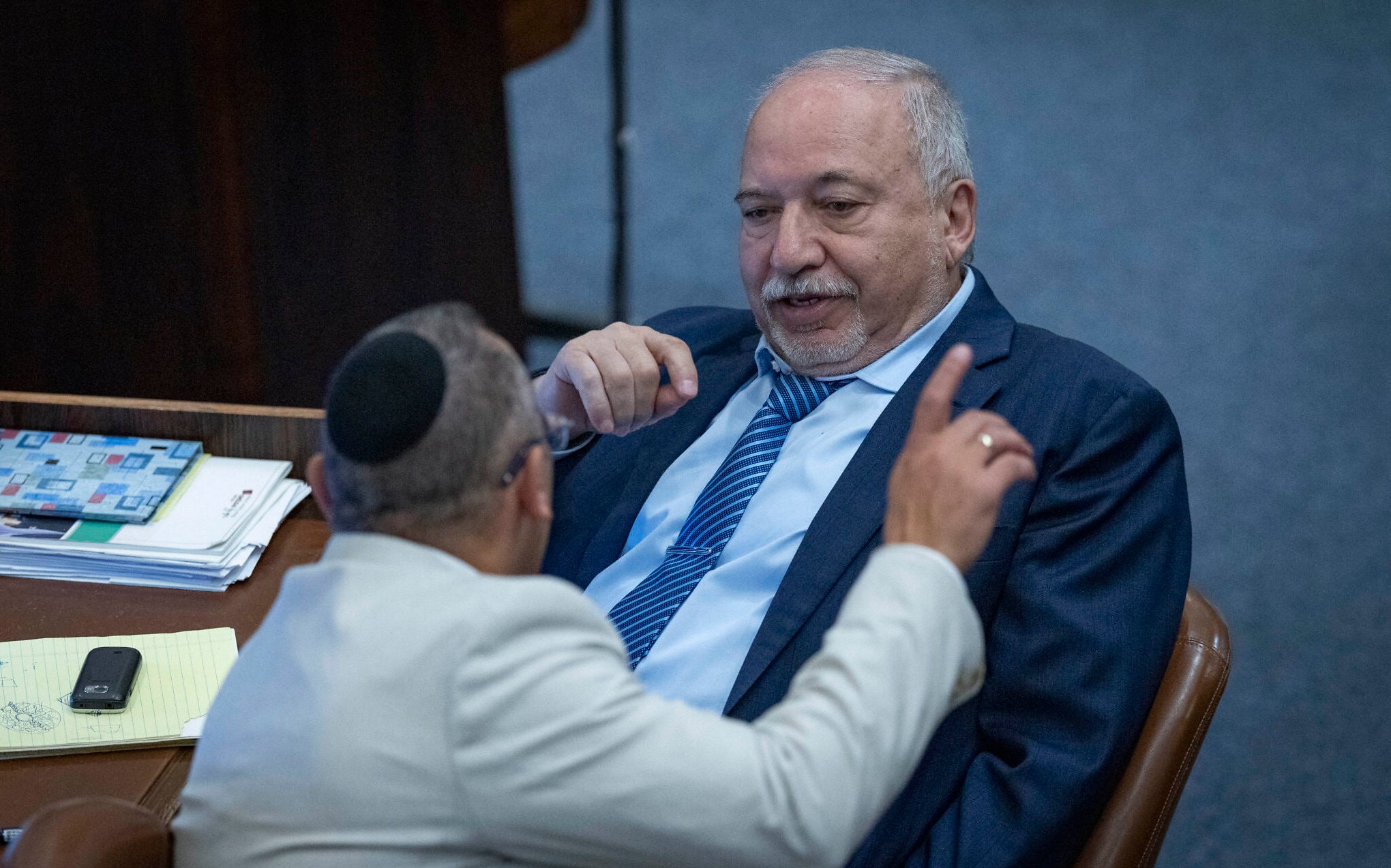
Liberman argued that Netanyahu wants a repeat election and will drag out unity talks until the last moment, then seek a pretext to break them off. Even if a unity government is formed, Liberman said, Netanyahu will try to trigger a crisis within months and take Israel back to the polls.
“All the players in the political arena need to internalize this,” he concluded.
Eisenkot has reportedly pledged to his already signed coalition partners, Democrats chairman Yair Golan and Liberman, that he will not form a unity government with Netanyahu without their approval.
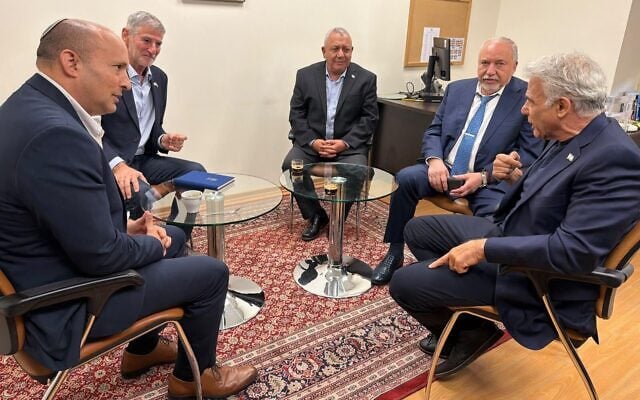
Senior figures in Eisenkot’s bloc told Channel 13 that B’Yachad chairman Naftali Bennett, who has publicly pushed for a unity government with Likud, intends to vote against an Eisenkot-led government if it is formed before talks with Netanyahu have been exhausted. B’Yachad is the only party in Eisenkot’s bloc that has yet to reach a coalition agreement with Yashar.
Bennett said earlier on Friday that he is willing to pursue other “less desirable” alternatives should coalition negotiations with Likud fail. Bennett has previously expressed opposition to a government with ultra-Orthodox or Arab parties.
Even with Bennett’s B’Yachad, Eisenkot’s four-party bloc holds only 48 seats, well short of a 61-seat majority. To fill the gap, Eisenkot can either rely on the support of two Arab-led parties or the two ultra-Orthodox parties.
Eisenkot’s preferred option, for the time being, appears to be a combination of both of those options: a coalition with both the Haredi United Torah Judaism party and Ra’am, the more moderate of the two Arab parties.
Such a government would violate campaign promises of key Eisenkot bloc members who vowed not to sit with Arab-led and ultra-Orthodox parties, but the inconclusive results have forced all of them to make compromises in order to prevent another election.
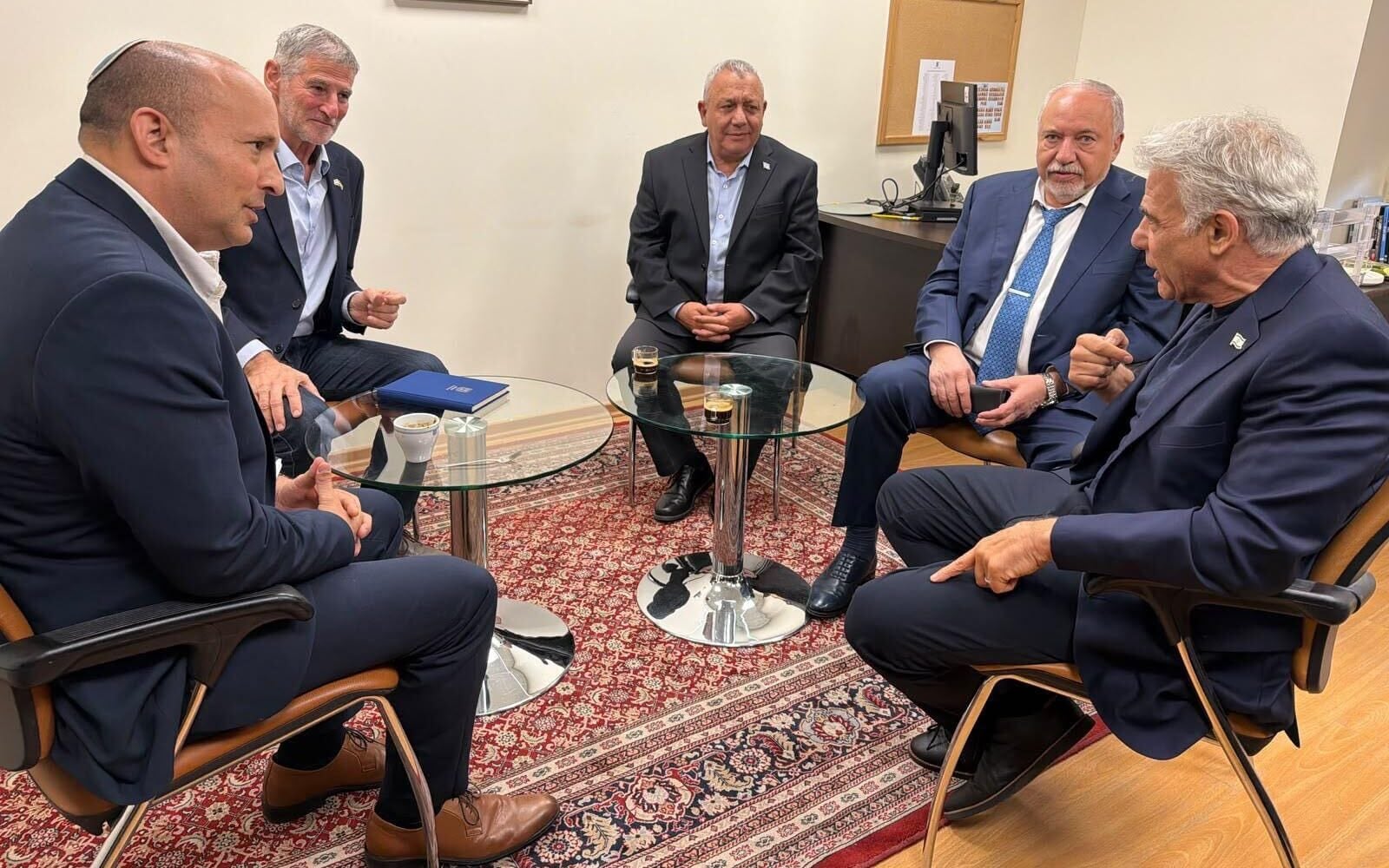
Golan has advocated forming a minority government with the support of the Arab-led parties, arguing that it was the only realistic option for removing Netanyahu from power. Liberman has opposed such an arrangement, preferring a coalition with the ultra-Orthodox parties.
The Yashar chairman insisted in a lengthy Friday social media post that he is prepared to compromise in order to bring about such a unity government with the Likud, but said that the party was not willing to seriously negotiate toward that end.
Eisenkot said negotiating teams from Yashar and Likud had met only five times over the past two weeks, with Likud rejecting requests to meet more frequently.
He accused Likud of refusing to agree to a state commission of inquiry into the failures surrounding Hamas’s October 7, 2023, massacre, remove what he described as extremists from the government, or discuss forming a government that would pass legislation requiring military or national service for all.
Eisenkot said Likud had placed “the worst” unity government option on the table: “the same government, the same partners, no change, no conscription law.”
“I do not intend to cooperate with such a charade,” he added.
Eisenkot said his bloc had been willing to compromise on the terms for establishing a state commission of inquiry and on changes to the judicial system, but accused Likud of failing to put “any concrete proposal on the table” during the two weeks of talks.
He said his door remained open if Likud was prepared for “serious negotiations and partnership that includes compromise.”
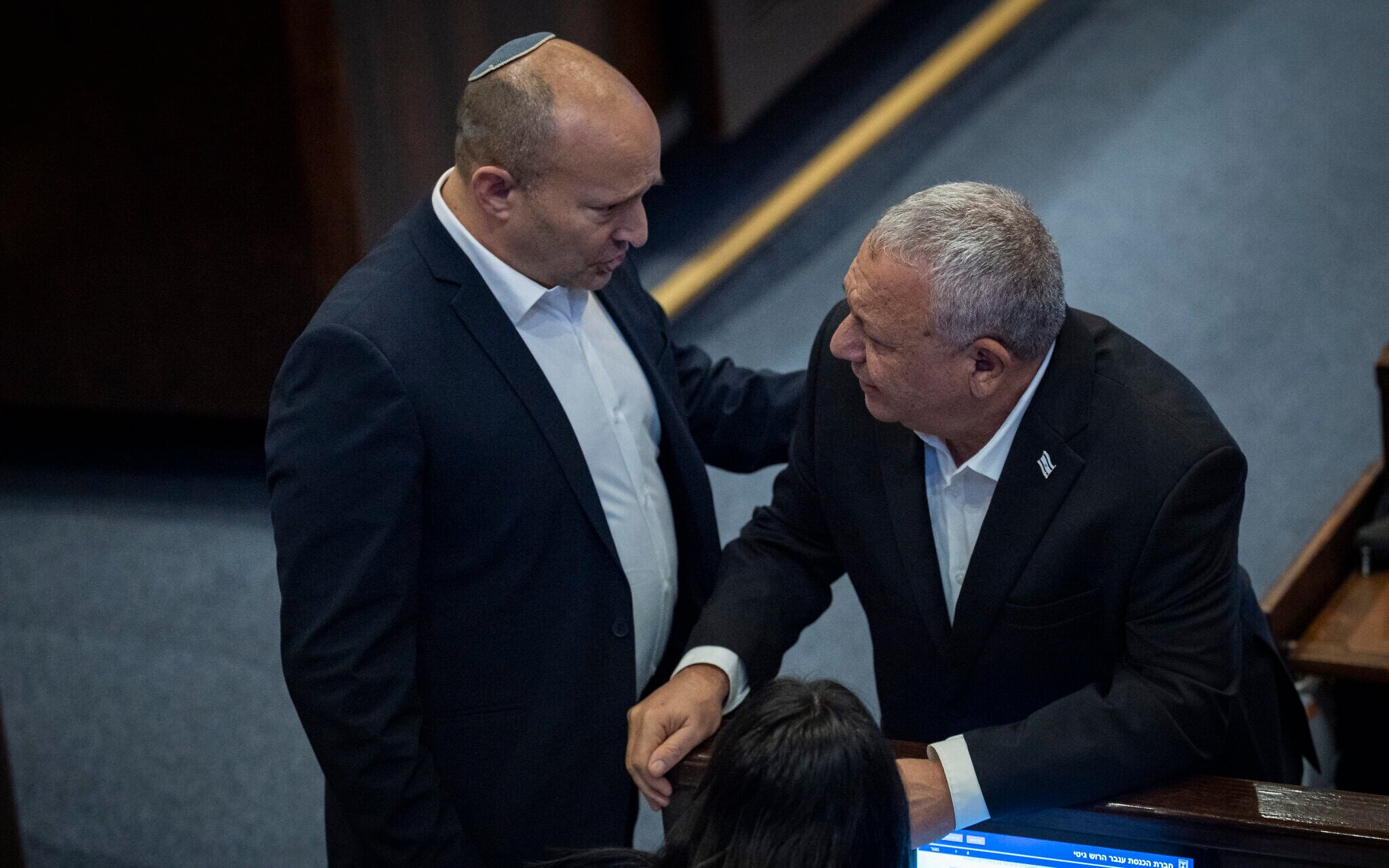
Also on Friday, Eisenkot said he was working to reach a coalition agreement with B’Yachad “soon,” after reaching agreements with Golan and Liberman.
Bennett and Eisenkot are set to meet Sunday after reportedly postponing a meeting scheduled for Thursday amid disagreements over military conscription. The conscription of ultra-Orthodox men was a key issue in last month’s election, with parties in Eisenkot’s bloc campaigning to end their sweeping exemptions from military service.
In June 2024, the High Court of Justice ruled that the government must begin enlisting eligible ultra-Orthodox men after their longstanding blanket exemptions expired.




The Times of Israel Community.