

UN peacekeepers prepare to leave south Lebanon without plan for what comes next
Discussions underway on slowing down UNIFIL’s withdrawal and maintaining certain missions to avoid ‘power vacuum,’ as France works on UNSC resolution authorizing new international force
 Add ToI as a Preferred Source on Google
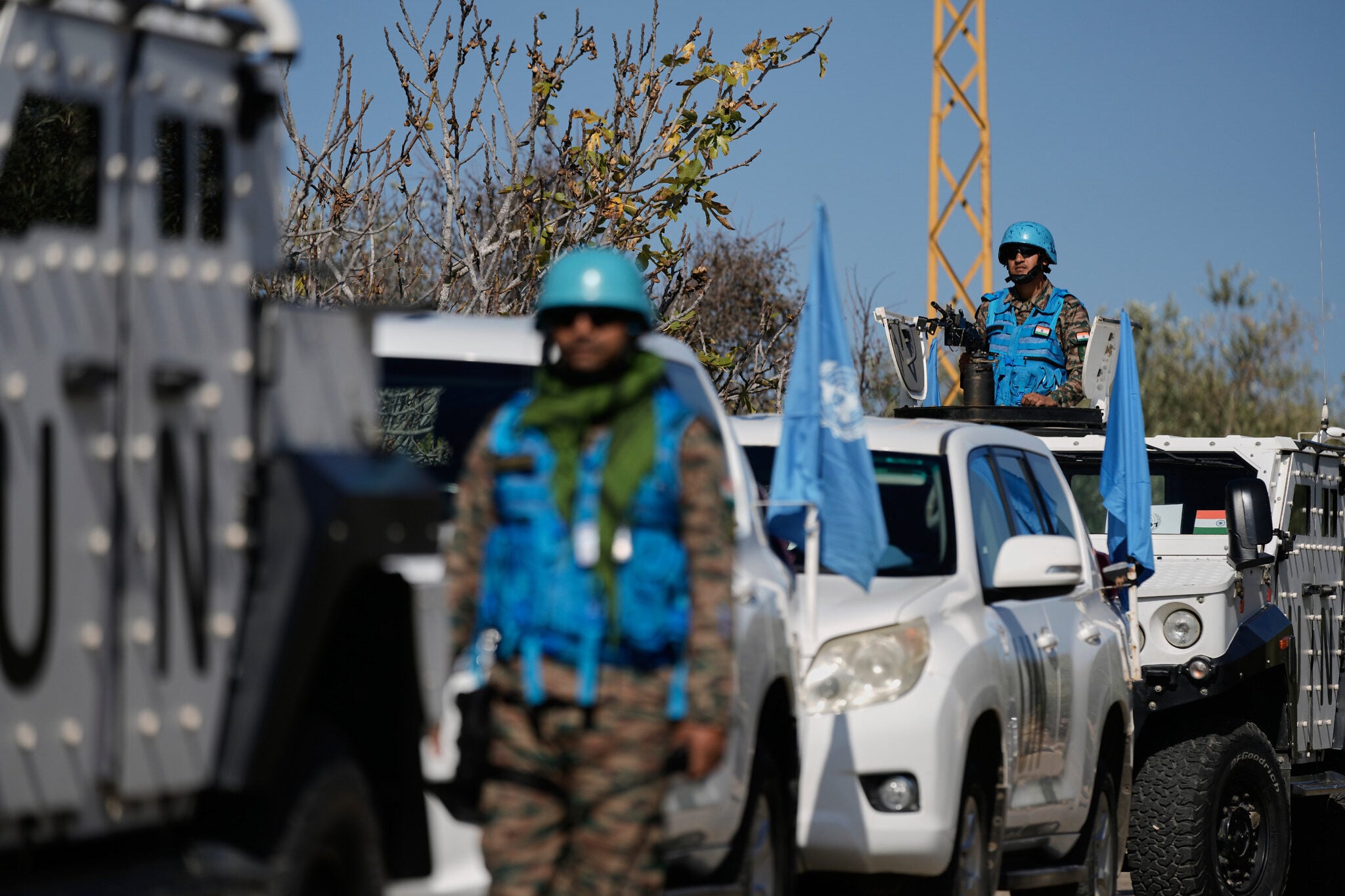
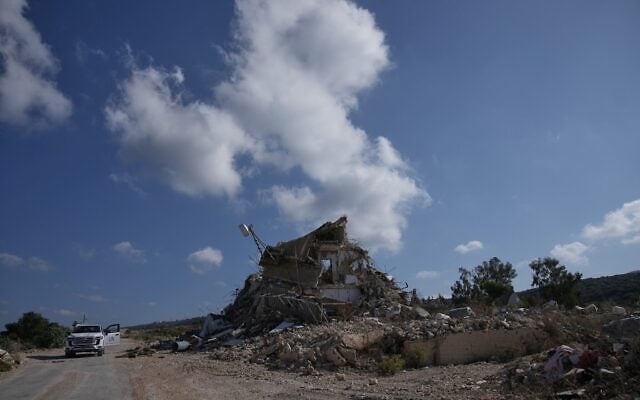
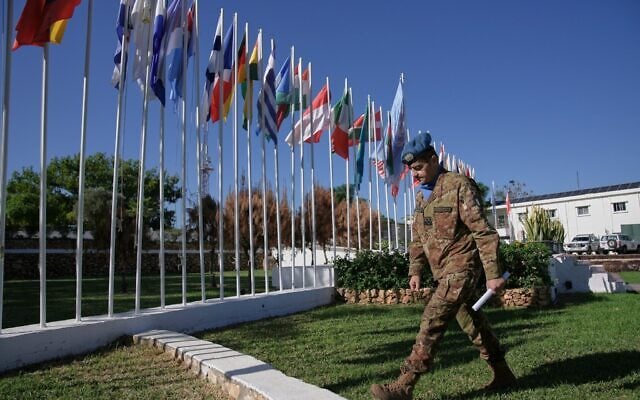
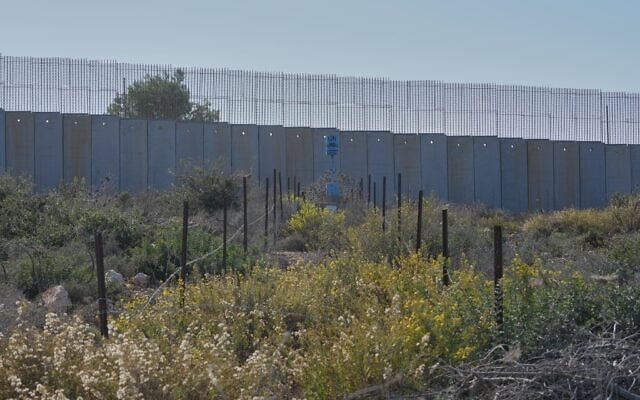
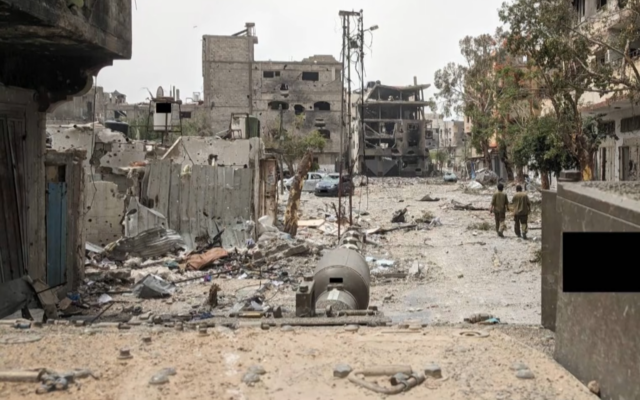
NAQOURA, Lebanon (AP) — Among the few buildings still standing in the southern Lebanese border town of Naqoura are an abandoned hotel occupied by Israeli soldiers — its walls draped with anti-drone netting — and the compound housing the headquarters of the UN observer force.
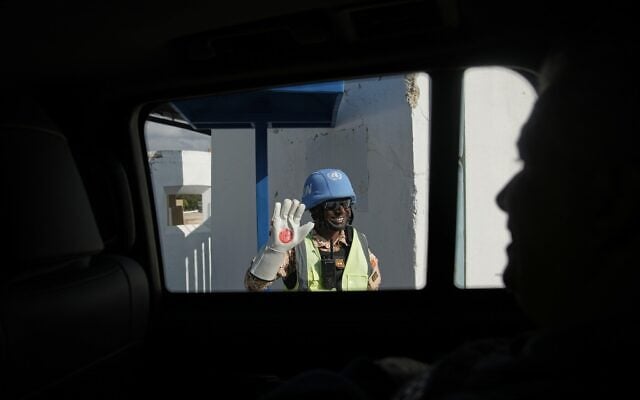
The roads passing through the once-idyllic seaside town, now largely reduced to rubble, are empty except for the occasional military patrol or convoy of UN observers escorting civilians or supplies.
The end of the nearly 50-year mandate of the UNIFIL observer force is looming in just over a month, and still there is no plan for what comes after it.
The peacekeepers’ impending exit, in parallel with an ongoing occupation by Israeli forces and a debate over the disarmament of the Hezbollah terror group, leaves the future of southern Lebanon in limbo.
Lebanon wants the UN force to stay. But the UN Security Council voted last year to terminate UNIFIL’s mandate at the end of 2026, bowing to demands from the United States and its close ally Israel.
Israel and the US say the mission was a failure, citing Hezbollah’s military buildup over the years. The peacekeepers say they helped preserve calm for 17 years before Hamas’s October 7, 2023, attack on southern Israel ignited a regional conflict.
“My mandate is not to disarm Hezbollah,” UNIFIL’s commander, Maj. Gen. Diodato Abagnara, told The Associated Press in an interview. “My mandate is to support the Lebanese Armed Forces, to create the best conditions for the Lebanese Armed Forces to take full control here in the south. It’s not to fight against Hezbollah.”
UNIFIL is set to begin a gradual drawdown of its 7,500 peacekeepers on Jan. 1. Whatever comes after that, he said, “It’s very important to avoid a security vacuum in the south.”
Lebanese civilians fear a future without UNIFIL
UNIFIL wasn’t able to stop Hezbollah from launching missiles or Israel from carrying out airstrikes in two recent wars. But many residents of southern Lebanon say they still feel safer with its presence.
Mohammed Aoun was late to start harvesting his olive groves this year in the village of Halta, just outside of the Israeli-occupied area. On the first day of harvest earlier this month, as a UNIFIL patrol stopped at the orchard, an Israeli drone was buzzing overhead. The thud of a distant airstrike echoed through the valley.
Aoun said he was hesitant to start picking, but he had already lost out on the previous two years’ harvests. He is apprehensive about the impending departure of UNIFIL forces.
“Of course we feel more secure when we see patrols coming and going; it’s a sort of protection,” he said. “Their presence is important with regard to the security situation. We don’t know what will happen after they leave.”
A decades-long presence
The UN Interim Force in Lebanon was created in 1978 after Israel invaded southern Lebanon to fight Palestinian terrorists. Israel invaded again in 1982 and didn’t withdraw until 2000. During that period, Hezbollah, backed by Iran and sworn to Israel’s destruction, emerged as a guerrilla force.
After a month-long war between Israel and Hezbollah in 2006, UNIFIL was tasked with monitoring violations of UN Security Council Resolution 1701, which ended the fighting. When a ceasefire ended another Israel-Hezbollah war in 2024, UNIFIL was made part of the mechanism overseeing its implementation.
The Lebanese army was to take over security in southern Lebanon after the UN force’s exit.
But then Hezbollah dragged Lebanon into the US-Israeli war against Iran by attacking Israel in March. Israel now occupies large swaths of southern Lebanon, where its soldiers have emptied and demolished dozens of villages.
About 11,000 people remain in a handful of mostly Christian villages in the occupied area, Abagnara said. They depend on UNIFIL to escort the convoys that keep them connected with the rest of the country.
An agreement between Lebanon and Israel for Israeli forces to withdraw in exchange for the disarmament of Hezbollah has floundered, and negotiations between the two countries have stalled.
No clear solution
Lebanese President Joseph Aoun said in a statement Wednesday that “Israel continues to engage in hostile acts in the south” and his government and France — a Security Council member with close ties to Lebanon — both want an extension of UNIFIL’s mandate. Any alternative force should continue to operate under the 1701 framework, with some possible amendments, he said.
US officials have expressed willingness for some sort of international force to remain, but not in its current form. They have suggested that it could be a civilian force or private defense contractor.
Israel wants its military to coordinate directly with the Lebanese army to remove what remains of Hezbollah’s weapons.
Israel’s ambassador to the UN, Danny Danon, said earlier this month that Hezbollah had “exploited UNIFIL’s presence.”
“We do not rely on any international force,” he said. “We trust only our own soldiers.”
Lebanon opposes the idea of a civilian contractor and has rejected direct military coordination with Israel.
France is working on a Security Council resolution that would authorize a new international force, a UN diplomat said. A Western diplomat said there are also discussions of slowing down UNIFIL’s withdrawal and maintaining certain missions to avoid a “power vacuum.”
They spoke on condition of anonymity because they were not authorized to comment publicly.
The question of Hezbollah’s weapons remains
In January, the Lebanese army announced that it had finished removing Hezbollah weapons caches from the border area south of the Litani River.
Hezbollah did not actively oppose the effort but has refused to give up its weapons elsewhere in the country and threatened to fight any attempt to forcibly disarm it.
The Lebanese army has been cautious about any move that might provoke a civil conflict. A Lebanese security official, who spoke on condition of anonymity to discuss sensitive matters, said the army’s current policy is to stop weapons shipments from moving around the country — a change from the past, when Hezbollah freely transported arms — but not to raid the terror group’s storage sites.
Hezbollah supporters in the past accused UNIFIL of spying for Israel and sometimes attacked observer forces. Now the terror group says it would accept UNIFIL or another UN-mandated force, but not a private security contractor or a force seen as supporting Israel’s occupation.


The Times of Israel Community.