

Liberman: Eisenkot can form coalition with ‘clear Jewish majority’ by end of next week
Yisrael Beytenu leader says talks with United Torah Judaism party going ‘very nicely’; Eisenkot optimistic about chance of success despite reported portfolio squabbles with Democrats
 Add ToI as a Preferred Source on Google
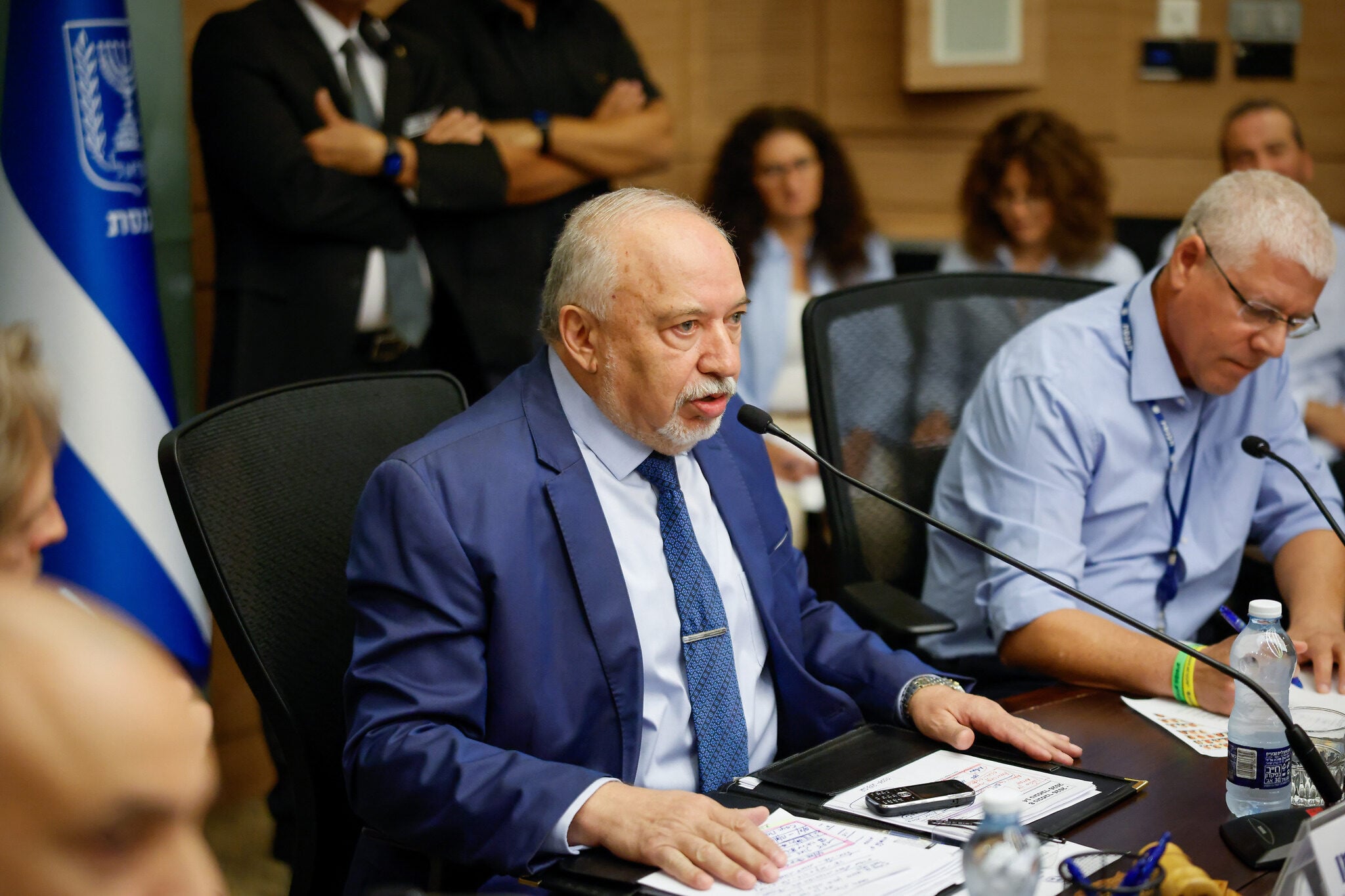
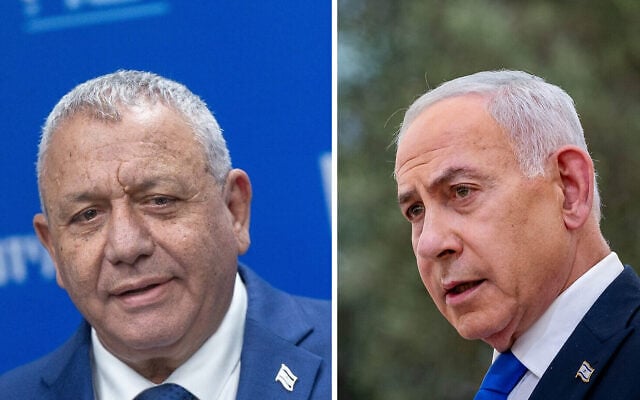
Yisrael Beytenu party chairman Avigdor Liberman said Wednesday he believes Yashar party leader Gadi Eisenkot will be able to form a government with a “clear Jewish majority” by the end of next week.
Liberman’s remarks to Kan public radio follow Tuesday evening’s announcement of a coalition agreement between his party and Eisenkot’s.
It was unclear whether by referring to a “clear Jewish majority” Liberman was signaling that he would acquiesce to the Arab Ra’am party being part of a potential coalition government. If so, it would amount to a reversal of his previous position.
In an interview, the hawkish Foreign Affairs and Defense Committee chair criticized Eisenkot for his party’s negotiations with Prime Minister Benjamin Netanyahu’s Likud, arguing that they were an avenue that shouldn’t have been pursued. A fourth round of talks between the two parties is due to be held later on Wednesday, although significant gaps are said to remain between the two sides.
Liberman has been pushing for Eisenkot’s bloc to form a coalition with the ultra-Orthodox United Torah Judaism party rather than form a unity government with Likud or a minority government reliant on external support from Ra’am and the Arab-majority Joint List.
He told Kan that negotiations with UTJ have been progressing “very nicely,” but declined to share further details beyond reiterating that any deal on ultra-Orthodox conscription would need the approval of the IDF and the High Court of Justice before being finalized.
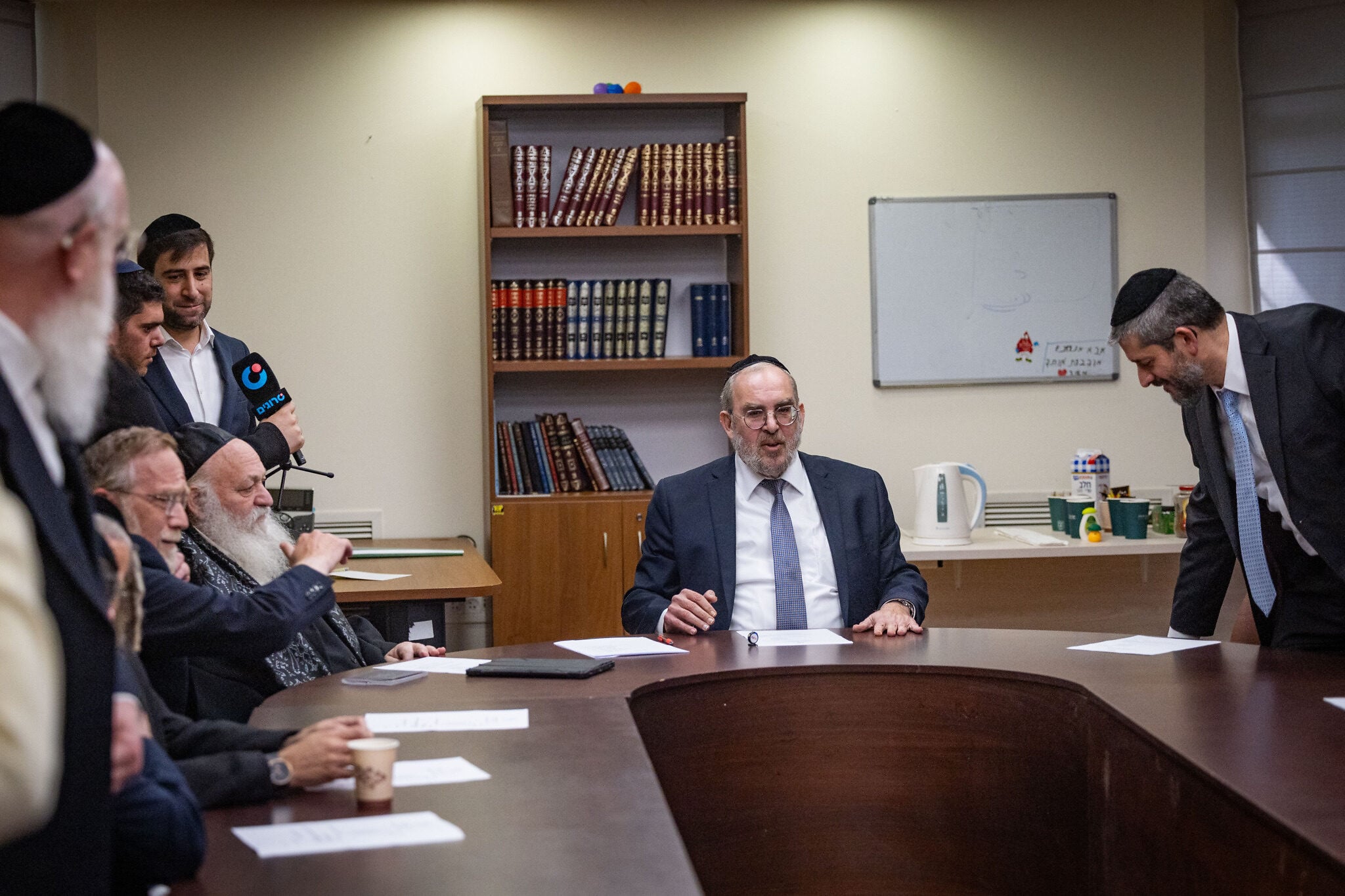
Contacts between Eisenkot’s bloc and UTJ have thus far been unofficial, but it was reported Tuesday that the ultra-Orthodox party was seeking approval from its spiritual leaders to formally open coalition negotiations.
The party does not seem to be closing the door to other scenarios, however, and Hebrew-language media reported Wednesday that its chair, MK Yaakov Asher, was meeting with Netanyahu.
Even with UTJ, the Eisenkot-led bloc would only have 55 seats. The inclusion of both UTJ and Ra’am, however, would increase the total to 64, three more than the minimum 61 needed for a majority government.
Negotiating with Likud, Liberman said, “grants legitimacy” to Netanyahu.
“I don’t think we needed to hold negotiations with Bibi,” he told Kan. “He needs to be held accountable for the October 7 disaster and the diplomatic disaster that has turned us into international pariahs.”
Liberman is not the only member of Eisenkot’s four-party bloc to oppose contacts with Likud. Yair Golan, chair of the center-left Democrats, announced on Tuesday that his eight-seat party was suspending its coalition negotiations with Yashar over the issue.
It also cited a “stalemate in negotiations” within Eisenkot’s bloc as a reason for halting talks.
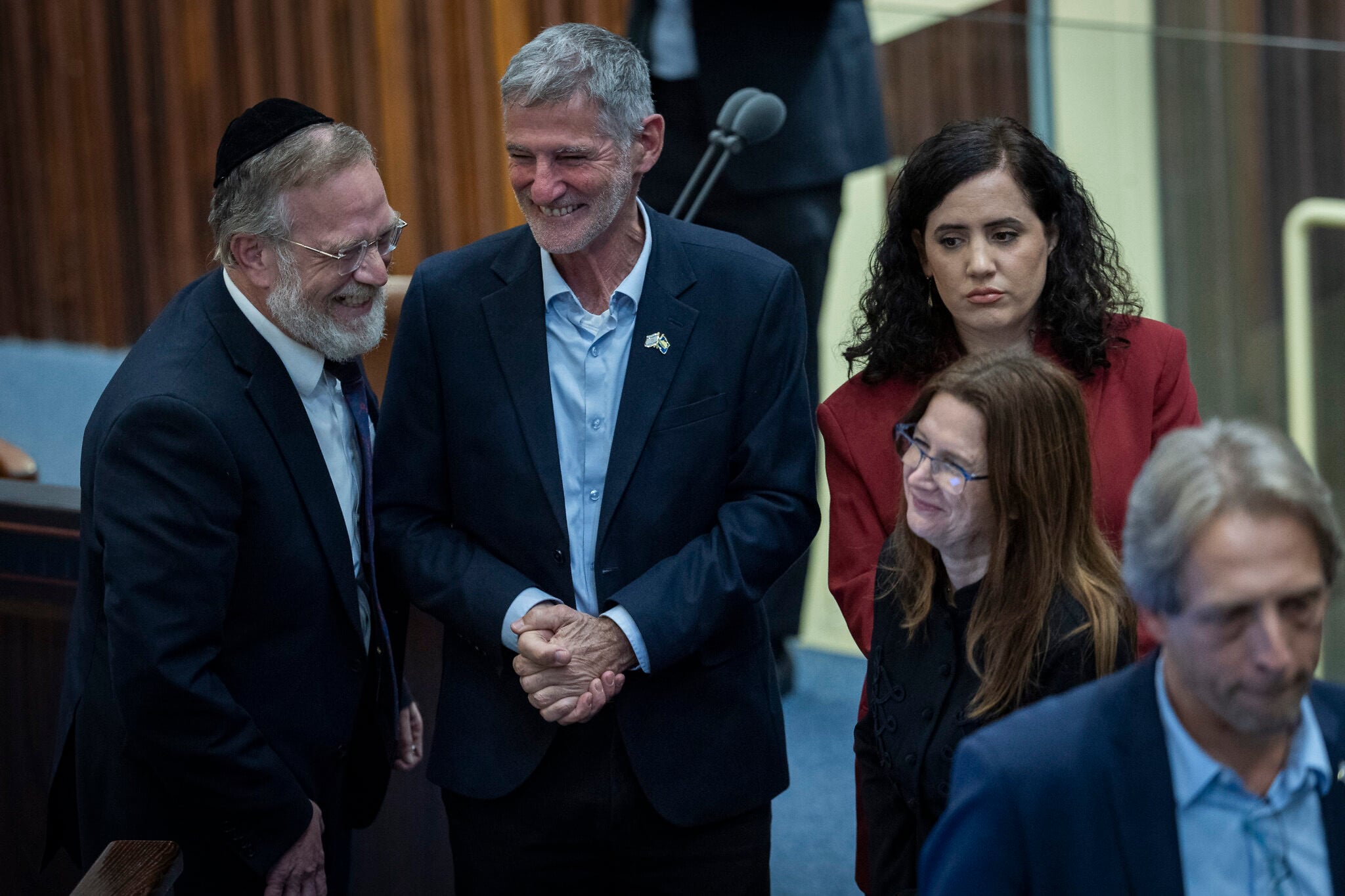
On Wednesday, Channel 12 reported that divisions have also emerged between Golan and Eisenkot over the distribution of ministerial portfolios, suggesting the freeze may be intended to strengthen the Democrats’ bargaining position.
According to the outlet, Golan is demanding either one of the three most senior ministerial portfolios — defense, foreign affairs, or finance — or for his party to receive both the education and justice portfolios.
But Eisenkot is reportedly seeking to retain both the justice and education portfolios for his own party, and has instead offered Golan the national security portfolio — an arrangement the Democrats are unwilling to accept.
The Democrats have argued that they should not be offered fewer senior ministerial portfolios than B’Yachad, given that B’Yachad’s two constituent parties both hold fewer seats separately than the Democrats’ eight. Seven of B’Yachad’s 12 seats come from Naftali Bennett’s faction while the other five are from Yair Lapid’s Yesh Atid.
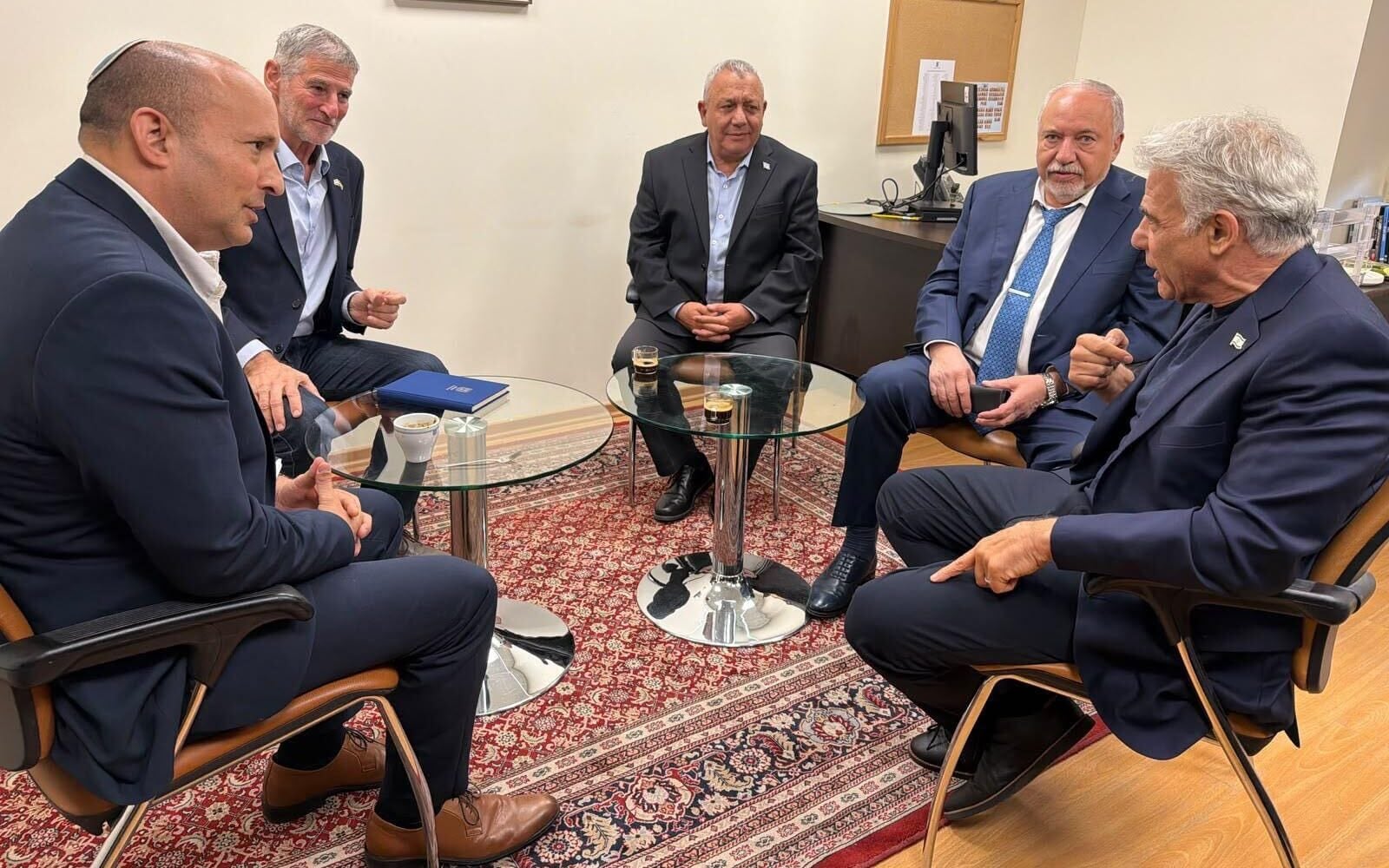
Despite the disagreements, Eisenkot appeared optimistic Wednesday about his ability to form a government. “It will happen,” he told Walla as he exited a committee meeting to mark the International Day for the Elimination of Violence against Women.
Channel 12 reported that the Yashar chair hopes to swear in a new government as soon as next Wednesday.
To do so, the report said he is aiming to sign coalition agreements with both the Democrats and B’Yachad in the coming days, after signing with Liberman’s Yisrael Beytenu on Tuesday night.
The details of that agreement have not yet been made public, with Liberman telling Kan they will be announced following a legal review.
According to Channel 12, however, Yisrael Beytenu is widely expected to receive the Defense Ministry and the Immigration and Absorption Ministry.
Meanwhile, Yashar MK Chili Tropper has been floated as a potential justice minister. Yashar MK Adi Altschuler, Democrats MK Naama Lazimi, and B’Yachad’s Meirav Cohen have all been named as candidates for education minister.
Bennett is reportedly being considered for the finance portfolio, and his No. 2, Lapid, could return to the Foreign Ministry, which he helmed in 2021-2022, the report said.





The Times of Israel Community.