

Bowen Yang ‘Zio’ controversy underscores normalization of anti-Israel rhetoric in US
Month-old clip from a culture podcast has generated so much discussion because it strikes at questions that have long been at center of an increasingly toxic conversation about Israel and the Jews

 Add ToI as a Preferred Source on Google
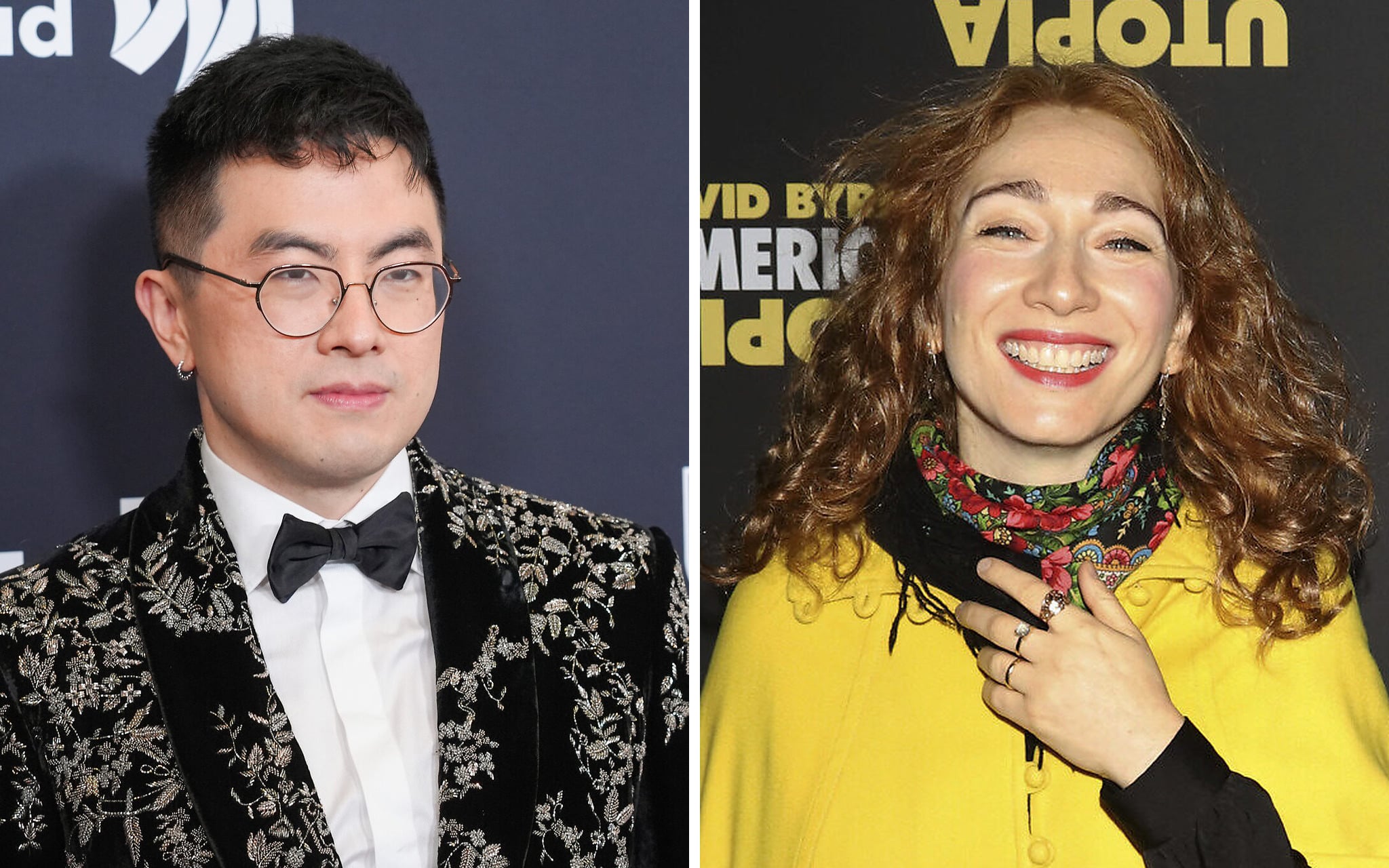
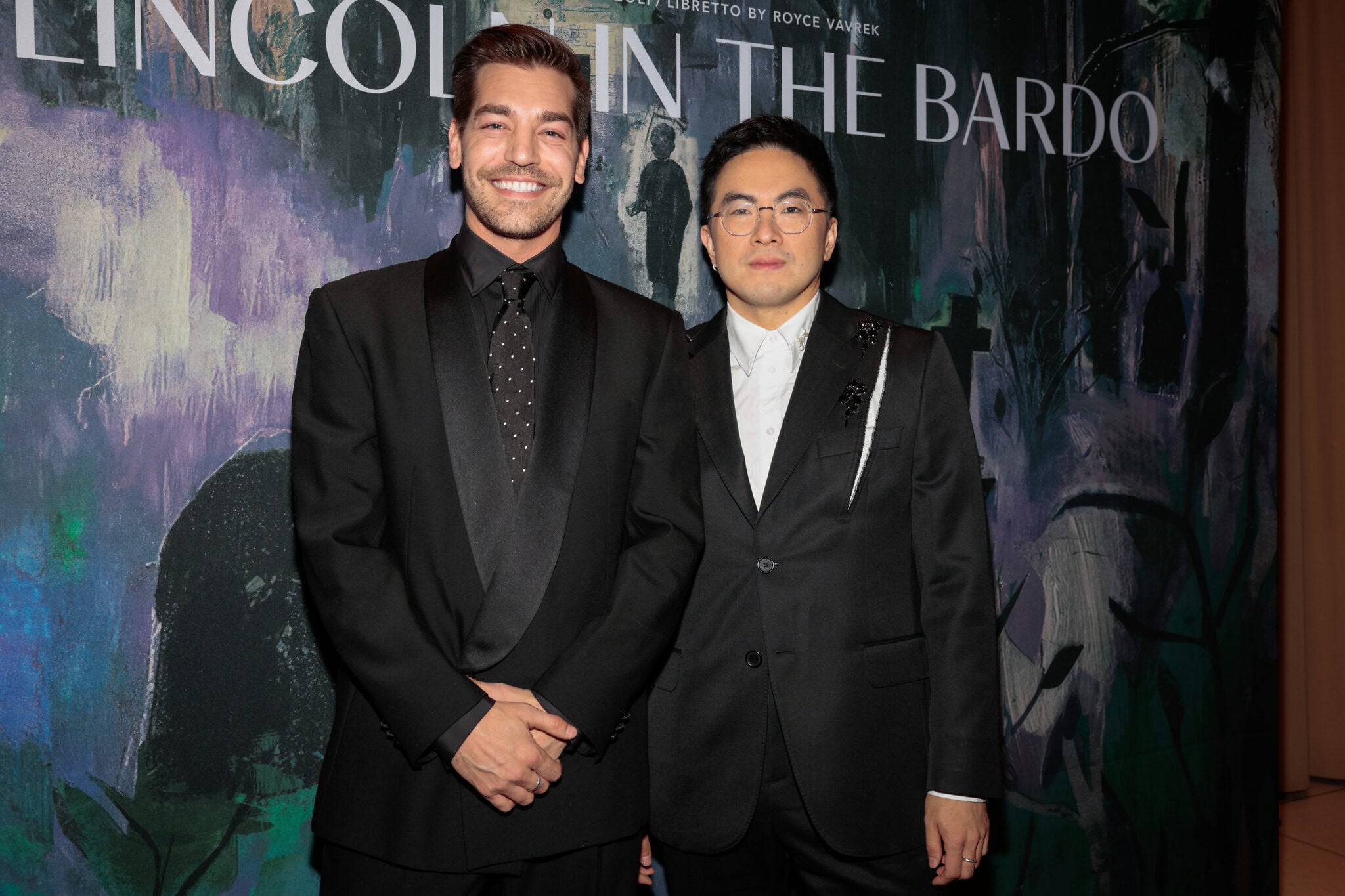
The whole exchange lasted less than three minutes: One moment, comedians Bowen Yang and Matt Rogers were chatting with film director Edy Modica about the college application process. A few minutes later, she was baring her breasts to them (blurred onscreen) amid peals of laughter.
In between, almost in passing, someone brought up Regina Spektor, the Jewish singer-songwriter. Yang called her a “Zio.” They all expressed dismay over her support for Israel, a discussion commenced about how you should never meet your heroes, and then they moved on to talking about nudity on screen.
A month after the fact, the clip from an October episode of the “Las Culturistas” podcast has spread like wildfire online. It has prompted days of discourse about the term “zio” — a far-right antisemitic slur coined by white supremacist David Duke that has since become common on the anti-Israel left — and Yang’s apology for it, which some Jewish figures have deemed insufficient.
It’s worth asking why this incident has captivated online discourse, drawing in multiple leaders of major Jewish organizations and sparking backlash from pro-Palestinian activists. Scarcely a day goes by, it seems, without criticism of Israel from some celebrity, often with a higher profile than any of the three in the “Las Culturistas” episode.
Yang is a star, a well-liked “Saturday Night Live” alum with a respectable filmography. But Modica, as of this writing, doesn’t even have a Wikipedia page. Last year, when the actress Odessa A’zion — then co-starring in the hit movie “Marty Supreme” — used the word “zio,” it sparked far less outrage.
Part of what explains the controversy’s persistence is that the slur was aimed at Spektor, a Soviet Jewish refugee. But much of the reason for the clip’s salience is that it encapsulates many of the age-old questions that have snarled conversations about Israel, the Jews and those who wish them ill.
When and how does anti-Zionism become antisemitism, and who gets to decide? What should we make of the increasing crossover between far-left and far-right discourse? When is an apology good enough? And, perhaps most of all, how can Jews hack their way through today’s jungle of cultural discourse where everyone seems to be talking about them, and opposition to Israel has become the norm?
The normalizing of anti-Israel rhetoric
The setting for the clip was “Las Culturistas,” a popular pop-culture podcast that Yang and Rogers have hosted since 2016. It’s typically a freewheeling discussion of film, music and celebrity. Shortly before this controversy erupted, it was picked up by the streaming service Disney Plus, where subscribers can now watch its video recordings.
Here is SNL star Bowen Yang calling Jewish musician Regina Spektor a “Zio”.
The musician’s family fled antisemitism in the Soviet Union, one of countless Jewish families forced to uproot their lives to escape racist hatred.
But in a recent podcast she is labelled “Israel… pic.twitter.com/k7sCVuRWt2
— Campaign Against Antisemitism (@antisemitism) November 20, 2026
It is not a forum that is expected to, or intends to, make news about discrimination or geopolitics. Debates over whether a given statement was antisemitic are a regular feature of podcasts hosted by the likes of Joe Rogan or Theo Vonn, to say nothing of Hasan Piker or Tucker Carlson.
But all of those shows and streams are, to a certain extent, about politics, so it’s no wonder that they venture into the minefields of talking about Israel, Jewish voters and antisemitism. And the hosts know they’re going to offend. When Piker recently compared Michigan Jewish voters to the KKK, he predicted, correctly, that the clip would go viral.
Shows like “Las Culturistas” are meant to be different. But, as this incident demonstrates, the boundaries are blurring. Opposing Israel is being treated as a norm not just on the far-left and far-right political airwaves, but in supposedly neutral venues like a culture podcast.
To a certain extent, this is nothing new. Almost half a century ago, Vanessa Redgrave caused a Hollywood firestorm by condemning “a small bunch of Zionist hoodlums” — a reference to the far-right Jewish Defense League — from the Oscars stage. Celebrities speak out, and are asked to opine, about politics all the time; a long roster of politicians have made cameos on “SNL.” Last week, Yang and Rogers had Piker on as a guest for a friendly interview.
What’s revealing about this incident is how natural the discussion seemed. Yang, Rogers and Modica swam in and out of talking about politics. Later in the episode, they pivoted from discussing the reality show “Jersey Shore” to talking about how it’s unfortunate that people find US President Donald Trump funny, then back to reality TV.
In that soup, Modica lamented that Spektor is “a little Israel hardcore,” Yang called her a “zio,” and no one even noticed for a month.
Blowback, a divisive apology, and more blowback
Then people began to notice.
On November 19, actor and pro-Israel activist Michael Rapaport posted the clip of the “zio” exchange online. Prompt criticism came from Amy Spitalnick, CEO of the Jewish Council for Public Affairs, and Mark Treyger, CEO of New York’s Jewish Community Relations Council. Both said it was a slur and noted the injury to Spektor.

The singer moved from Moscow to the US with her family in 1989, when she was 9-years-old, escaping Soviet antisemitism. A goddess of the late-aughts indie scene, she has suffused her music with Jewish themes and has recently been a vocal advocate for Israel. In the “Las Culturistas” episode, all three people waxed about how much they had loved her before her pro-Israel sentiments came to the fore.
Facing backlash, Yang apologized on November 20. “I want to genuinely apologize for using a word on the podcast without knowing its antisemitic history, especially since we’ve repudiated antisemitism on the show as recently as the last two weeks,” he posted on Instagram. “Particularly upsetting to realize that I adopted language popularized by far-right movements whose rhetoric we should be wary of and act against.”
Then, he added, “At the same time, Free Palestine.”
Some Jewish voices appreciated the contrition. Spitalnick wrote, “Grateful to see this from Bowen Yang — and I hope he and Matt will spend some time constructively delving into these issues.” But others were less accepting.
“Bowen Yang – Thank you for giving the public a textbook example of normalizing antisemitism,” posted ADL CEO Jonathan Greenblatt, who called Yang’s apology “meager” and “pathetic.” He characterized Yang’s statement as only apologizing for using a far-right slur — as opposed to for insulting Jews — and took issue with the “Free Palestine” remark.
“Apologizing for your antisemitism with not one, but two qualifications isn’t an apology at all,” Greenblatt wrote. “It was a reminder that you don’t feel like Jews deserve the same respect as everyone else.”
Like clockwork, that prompted more backlash, much of it utilizing antisemitic language.
“Just in case you’re wondering whether apologizing to these people will appease them, or will instead cause them to smell your fear make them even more eager to publicly crucify you,” the anti-Israel writer Glenn Greenwald, who is Jewish, wrote in response to Greenblatt’s post.
Another response that was reposted hundreds of times said, “This is why you never apologize to Nazis.”
Even the more conciliatory reactions to Yang received some criticism. As of Tuesday, every single reply to Spitalnick’s post accepting Yang’s apology was critical, and may of them were obscene or unabashedly antisemitic (though many of those were from anonymous accounts with few followers).
In addition, a Jewish X user with nearly 70,000 followers who goes by “Talia Jane” on the platform, and calls herself an “anarchist antizionist,” attempted to explain that she and others had tried to discourage the use of “zio.” But she wrote that since October 7, “It has very clearly come to mean a dramatically different thing than its niche origins. People adopting it aren’t doing so from exposure to [David] Duke, and they’re not using it to refer to Jews.”
Three days later, she wrote a post indicating that she herself had gotten antisemitic replies — even though she was trying to defend some of those who use “zio”: “You guys just want to call me a kike,” she said of some of the responses she received.
Dissolving into the cesspool
All of this indicates that social media remains a cesspool where, as many studies have shown, the algorithms incentivize anger and polarization. But this controversy also says something about the discourse Jews must get used to offline as well.
Some people may indeed stop using the word “zio.” But many likely will continue to do so. The word “Zionist,” to begin with, is poorly defined: A Jewish Federations survey earlier this year found that just 36 percent of US Jews identified as “Zionist,” even as 88% said Israel has a right to exist as a Jewish and democratic state, which has long been seen as the core of Zionism. A JTA article on the study noted that even Jews “do not have a mutually agreed-upon definition of Zionism.”
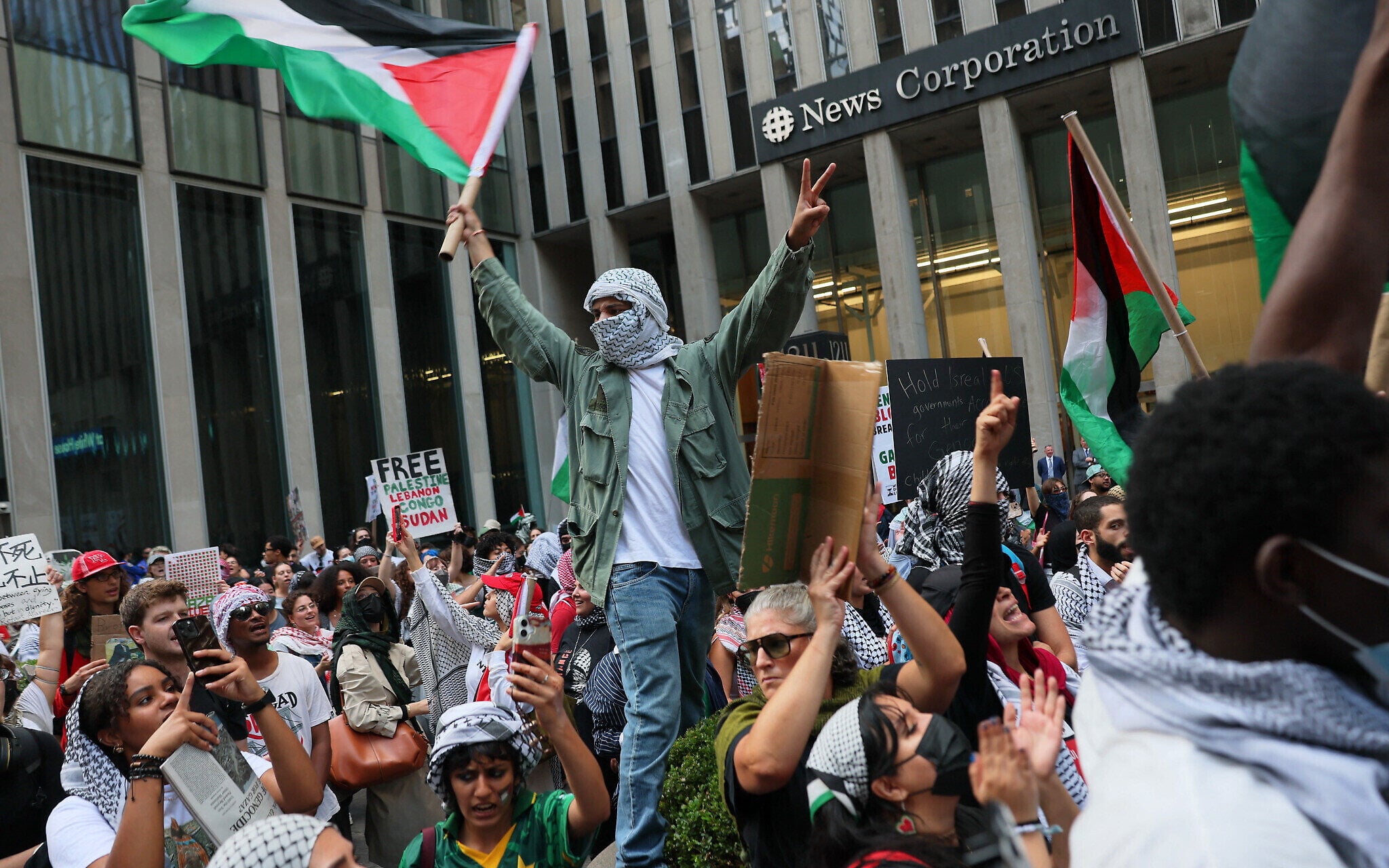
In leftist circles, the word “Zionist” is widely seen as an epithet, sometimes grouped with words like racist and misogynist. And “zio,” for those unfamiliar with David Duke’s role in coining the word, may seem like a straightforward abbreviation.
In that way, it may have a similar trajectory to the term “America first.” When then-candidate Donald Trump adopted it during the 2016 presidential campaign, Jewish groups expressed alarm that he was embracing a phrase most closely associated with Charles Lindbergh’s group of prewar antisemitic isolationists.
A decade later, “America First” has become so closely identified with Trump’s movement that the previous meaning has faded (though Trump’s critics have chided him for using antisemitic language in other contexts). US Representative Randy Fine of Florida, an observant Jew and firebrand Trump ally, trumpets the “America First Agenda” without reservation.
The difference is that, whether the word “zio” is meant as an antisemitic slur or not, many of its targets will still be Jews. The vast majority of American and global Jewry believes Israel should continue to exist as a Jewish state — and are therefore liable to be called “zios.” So it’s a safe bet that a term coined by the far-right will keep being used as a cudgel against Jews in effect, if not in intent.
“Las Culturistas” appears to be filmed on a delay, and the most recent episode doesn’t address the “zio” affair any further. Spektor hasn’t spoken about it publicly at all. Like the recent debate over the rapper Macklemore’s anti-Israel rhetoric, and dozens of other controversies over Israel, Jews and antisemitism before it, it is dissolving into a contemporary American cultural discourse where the definition of antisemitism is disputed, Israel is increasingly seen as toxic — and nobody can stop talking about it.





The Times of Israel Community.