

Netanyahu speaks to Kushner, day after US envoy’s ‘global pariah’ warning to Israel
Pair discuss Gaza during phone call, as Israel faces pressure to stop holding up Board of Peace’s plan to disarm Hamas and allow more humanitarian aid into Strip
 Add ToI as a Preferred Source on Google
Jacob Magid is The Times of Israel's US bureau chief
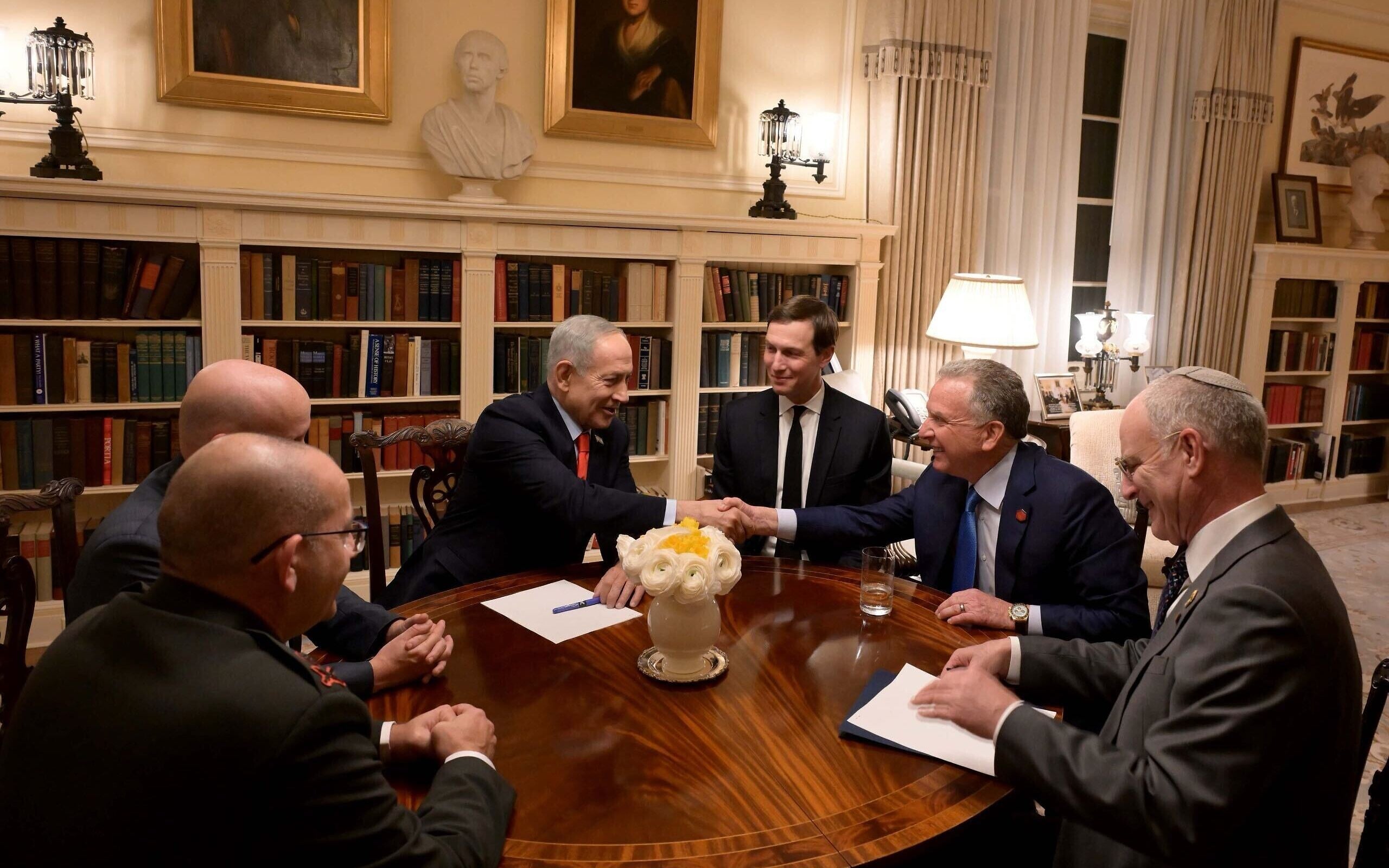
Prime Minister Benjamin Netanyahu and US special envoy Jared Kushner discussed the humanitarian situation in Gaza during a phone call on Tuesday, an Israeli official told The Times of Israel.
Netanyahu and Kushner agreed to continue working together on Gaza-related issues, the Israeli official added. There was no readout from the American side.
The call came a day after an interview was published in New York Magazine in which Kushner warned that Israel was trending toward becoming a “global pariah” if it did not change its approach to the Gaza Strip.
Kushner is the architect of the Board of Peace, which is tasked with overseeing the fragile Gaza truce.
The US-controlled body has intensified its rhetoric in recent days against Israel, accusing Netanyahu’s government of blocking the board from implementing its plan to disarm Hamas and failing to allow sufficient aid into the Strip.
Kushner has also served as a lead negotiator representing US President Donald Trump in talks with Iran that have largely stalled.

Netanyahu has been pushing for Trump to resume major military operations against Tehran, but the US has held off, preferring for now to try and squeeze the Islamic Republic economically through a blockade of its ports and economic sanctions.
The Tuesday call focused more on Gaza, the Israeli official said.
In the interview published Monday, Kushner said, “I feel like the fork in the road is Israel could rise from the tragedy of October 7, [and] be much more secure and much more integrated into the world, or they can go on the current trajectory, which is to trend toward global-pariah status.”
While such warnings have been voiced by senior Democrats in the US and even former Israelo security chiefs over Israel’s conduct toward the Palestinians, such rhetoric from a senior Republican official is far less common.
Hamas in July agreed to the board’s disarmament roadmap, which envisions the terror group gradually handing over its weapons as Israel withdraws from the Strip. Netanyahu has rejected the framework, arguing that Hamas must completely disarm before Israeli troops conduct any withdrawals.

Accordingly, Netanyahu has blocked the board from operationalizing the governing and security agencies that are supposed to replace Hamas in Gaza, effectively keeping the terror group in control of half the enclave.
The Board of Peace held off on exerting more pressure on Israel in the lead-up to the October 27 election, believing that Netanyahu was unlikely to take steps that would expose him to criticism of being soft on Hamas.
But the election did not result in a conclusive outcome, with efforts to form a new coalition potentially taking several more months. Netanyahu remains the caretaker prime minister, with his approach toward Gaza unchanged.
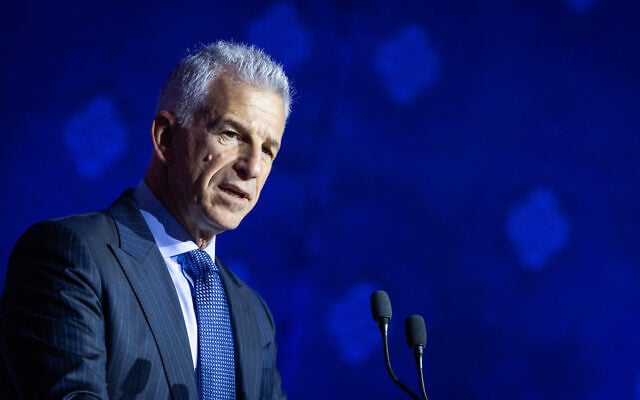
Against that backdrop, the board has begun intensifying its public messaging against Israel, with senior adviser Josh Gruenbaum giving several interviews over the weekend in which he argued that Israeli intransigence was blocking the US-controlled panel from even testing Hamas’s commitment to hand over its weapons, and warned that if progress was not made soon, the board would have no choice but to hand its mandate overseeing postwar Gaza reconstruction back to the UN.
In apparent recognition of the international anger, Israel announced on Monday that it would allow the partial repair of Gaza’s two main sewage treatment plants, which it had agreed to facilitate in June but held off on doing so in the months that followed.






The Times of Israel Community.