

Back to the grind: Israeli scientists revive ancient sesame crop in the Galilee
Hebrew University researchers say they want to help farmers diversify crops, fight disease, and eventually meet 15% of demand for the local staple, much of which is imported
 Add ToI as a Preferred Source on Google
Reporter at The Times of Israel
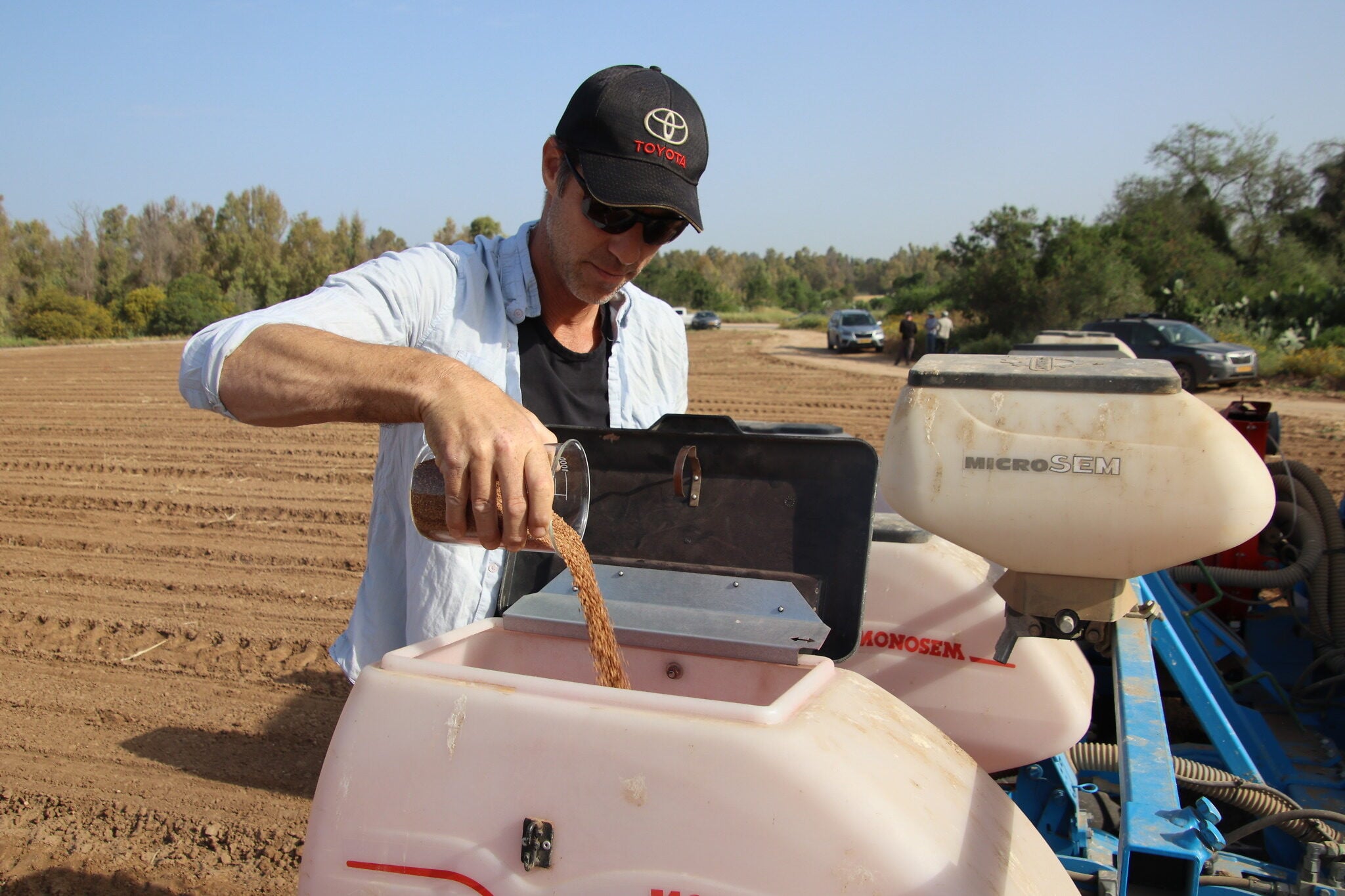
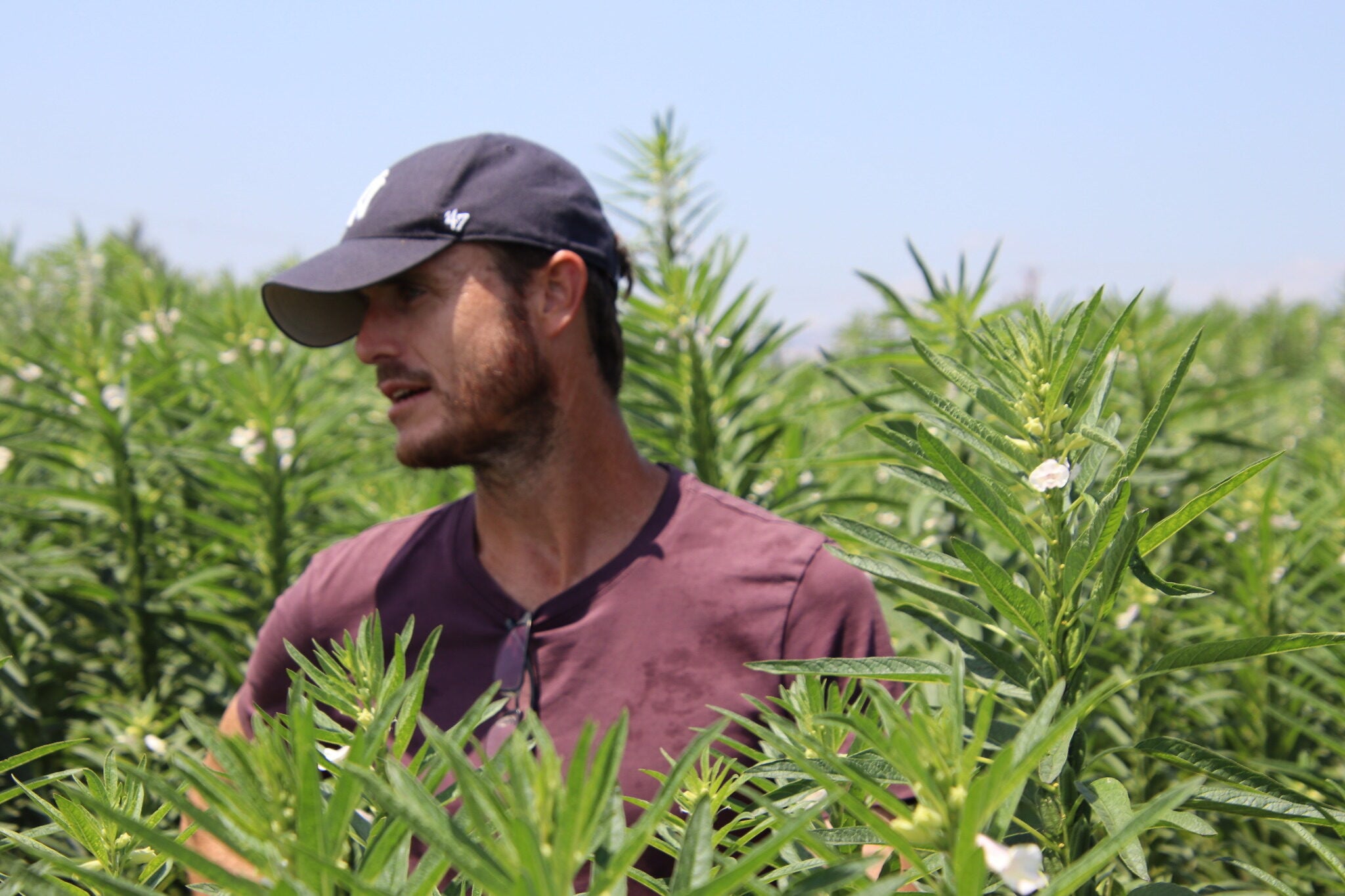
Decades after sesame largely disappeared from local fields, farmers in the Upper Galilee harvested a commercial crop last month using new varieties developed by Israeli scientists to make the ancient crop viable for modern agriculture.
The harvest of 140 dunams (35 acres) of sesame at Kibbutz Shamir on October 25 marked a milestone in a Hebrew University of Jerusalem initiative to diversify local agriculture and reduce Israel’s reliance on imported sesame. The yields exceeded 200 kilograms per dunam (1,780 pounds per acre) — over four times what is typically seen in conventional sesame cultivation.
The project ultimately aims to supply 15% of the country’s domestic sesame consumption.
Israel is one of the world’s highest per capita consumers of sesame, consuming nearly five kilograms (11 pounds) per person annually, second only to China, according to Prof. Zvi Peleg of Hebrew University’s Robert H. Smith Faculty of Agriculture, Food and Environment.
Yet despite its prevalence in Israeli cuisine, where it is used to make favorites such as tahini, hummus and halva, virtually all of the country’s sesame is imported.
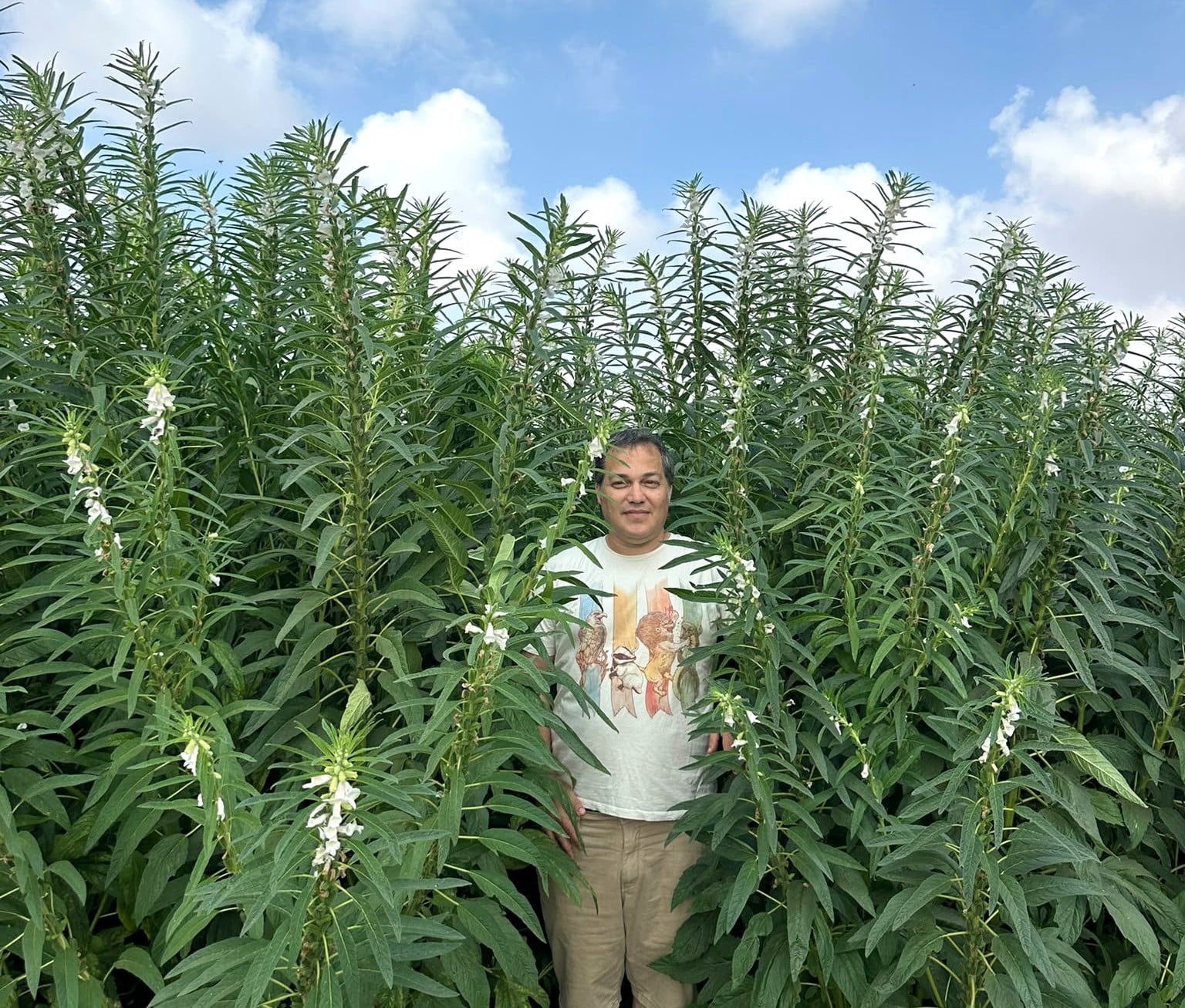
“Sesame is something we eat every day, but no one in Israel knows what sesame plants even look like,” Peleg told The Times of Israel in a video call. “I don’t think there is any staple food like this that is not grown locally.”
Israel’s dependence on imported sesame became particularly apparent during the multifront war sparked by the bloody Hamas-led onslaught of October 7, 2023, when attacks on shipping in the Red Sea by Yemen’s Iran-backed Houthis severely disrupted sesame imports from East Africa and Asia.
“We couldn’t bring in the [sesame] product,” Peleg said.
Climate change also threatens the reliability of international food supplies. When India experienced heat waves two years ago, Peleg said, the government halted food exports to preserve supplies for its own population.
“There will continue to be fights over agricultural commodities,” Peleg said. “Local production isn’t just about agriculture. It’s a matter of national security.”
‘Open sesame’
Sesame was cultivated in the region for at least 4,000 years and was once the second most important crop after wheat, according to Peleg.
“But it became unprofitable during the 1960s because it was cheaper to bring the product from African countries or Asia, and then it disappeared completely,” Peleg said.
One of the challenges of growing sesame commercially comes down to the biological phenomenon behind the famous phrase “open sesame,” explained Peleg, who has been researching the plant for the past 16 years.
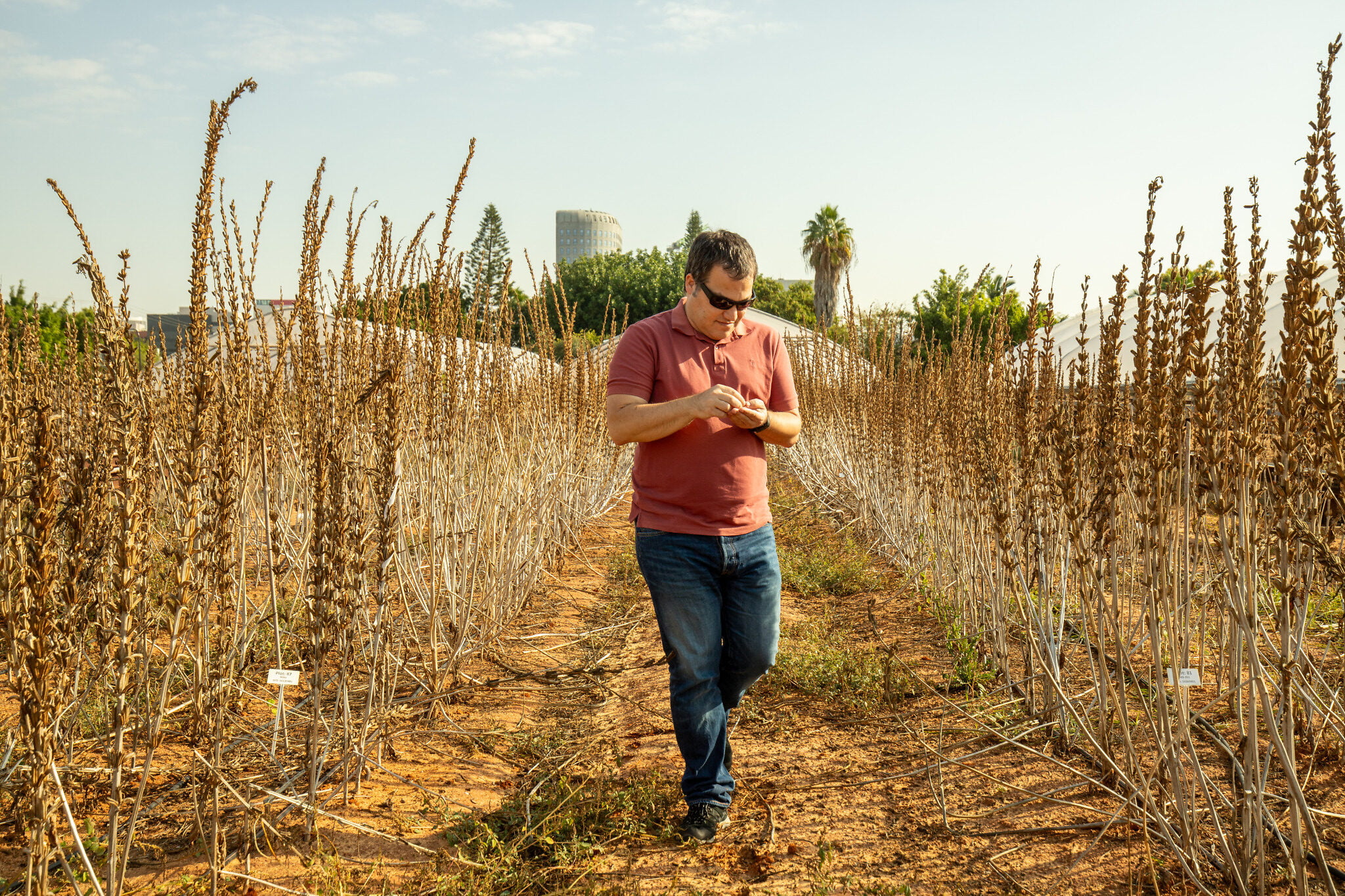
As soon as the plant ripens, its capsules split open and disperse their seeds onto the ground, a process known in agriculture as “seed shattering.”
More than 90% of the world’s sesame is still harvested manually, Peleg said. Workers lay sheets on the ground to catch the fallen seeds or cut the stalks while they’re still green, leave them to dry in the sun and beat the seeds out by hand.
“Farmers can get about 29 to 50 kilograms per dunam [about 260 to 450 pounds per acre], which is a very low yield,” he said. “So, sesame has not been something you can grow in modern agriculture, especially not in Israel.”
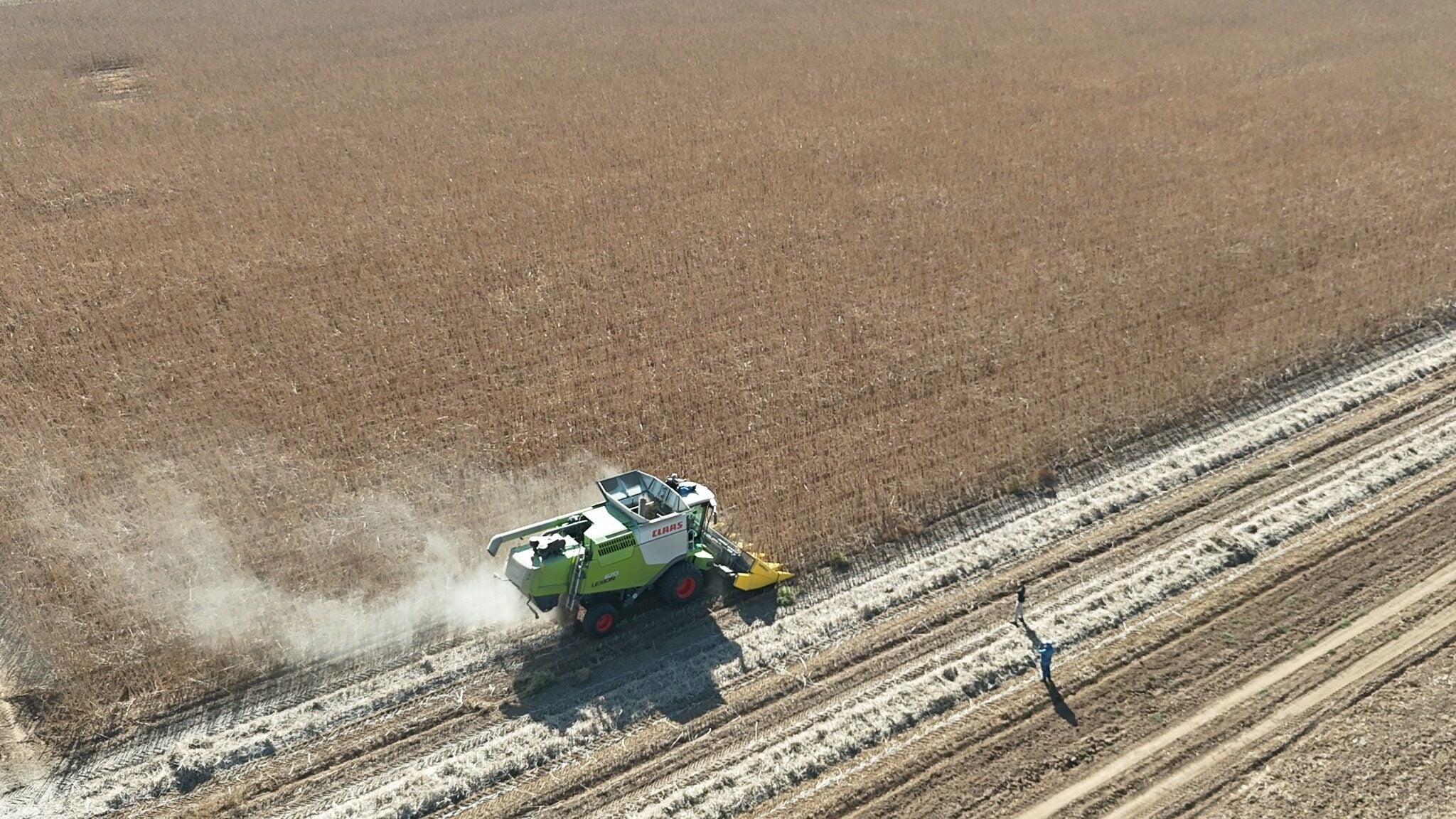
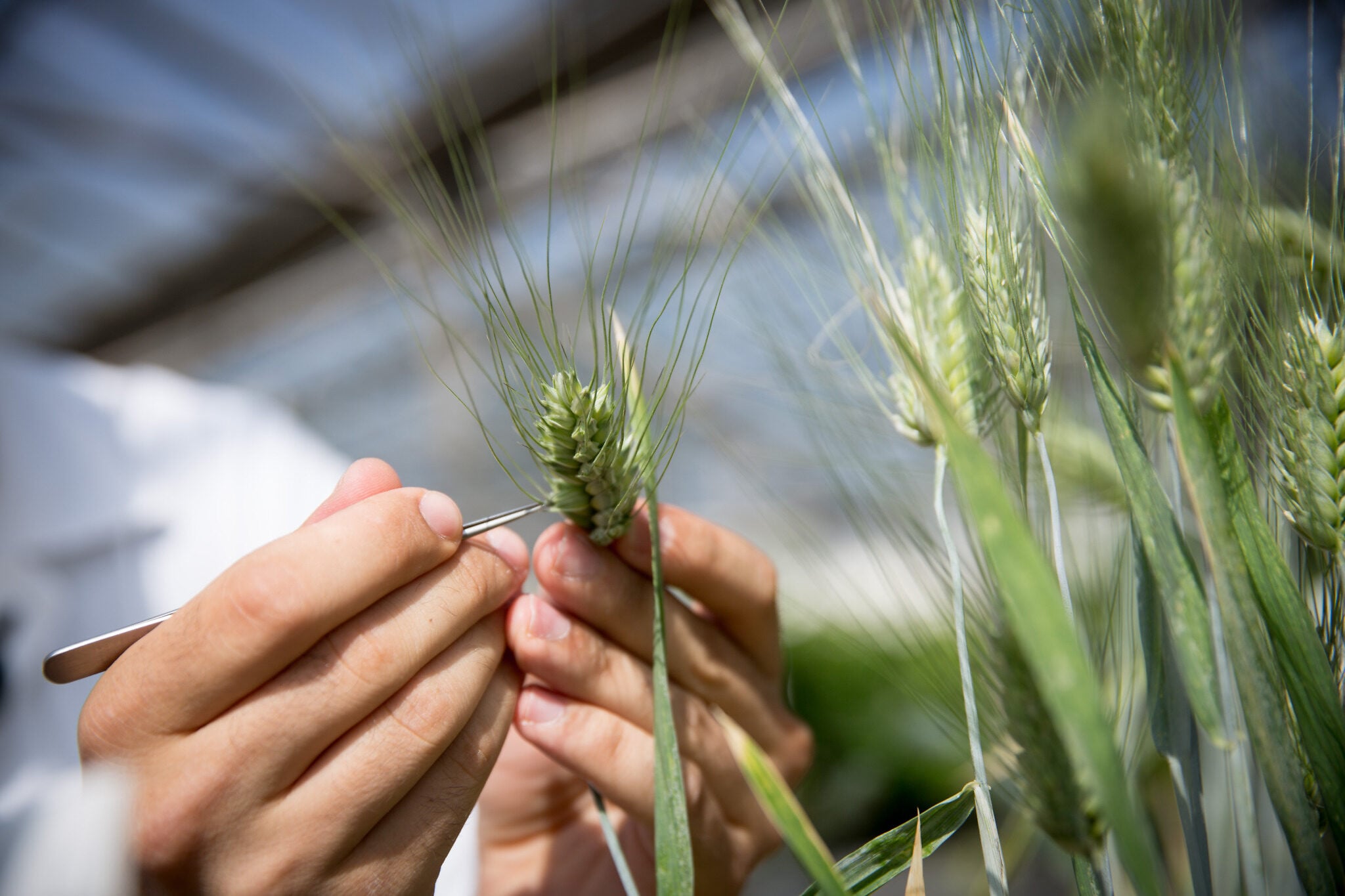
But researchers at Maxsum, an agritech and sesame breeding company affiliated with Hebrew University and founded by Peleg, have developed higher-yielding varieties with capsules that do not shatter before harvest, allowing farmers to collect the seeds using standard combine harvesters.
“We didn’t use any genetically modified organisms,” or GMOs, said Dr. Yaron Gadri, Maxsum’s chief sesame breeder.
After four to five years of breeding, the research team had developed viable varieties suited to local growing conditions that could also withstand herbicides, enabling farmers to control aggressive weeds during the growing season.
New opportunities
The search for viable new crops is particularly urgent, Peleg said, in areas of Israel where growing traditional crops such as peanuts and sunflowers has become uneconomical.
“Growers want to diversify their crops and to find more options,” Peleg explained. “When they are dependent on one crop, if there is disease or an environmental catastrophe, they could lose all their crop.”
“That was also one of the motivations to bring the sesame back to Israel,” said Peleg, who serves as Maxsum’s chief technology and scientific officer.
Maxsum has also teamed up with Kibbutz Magal, known for its olive oil, to produce tahini and sesame paste from locally grown seeds.
But not everyone in Israel’s sesame industry is convinced that domestic production will be economically viable.
Omri Hurvitz, CEO of the Sheba Group, has produced and sold tahini since 2005. He runs an Israeli-managed processing facility in northwestern Ethiopia that produces tahini from locally grown sesame for export to Israel and other countries.
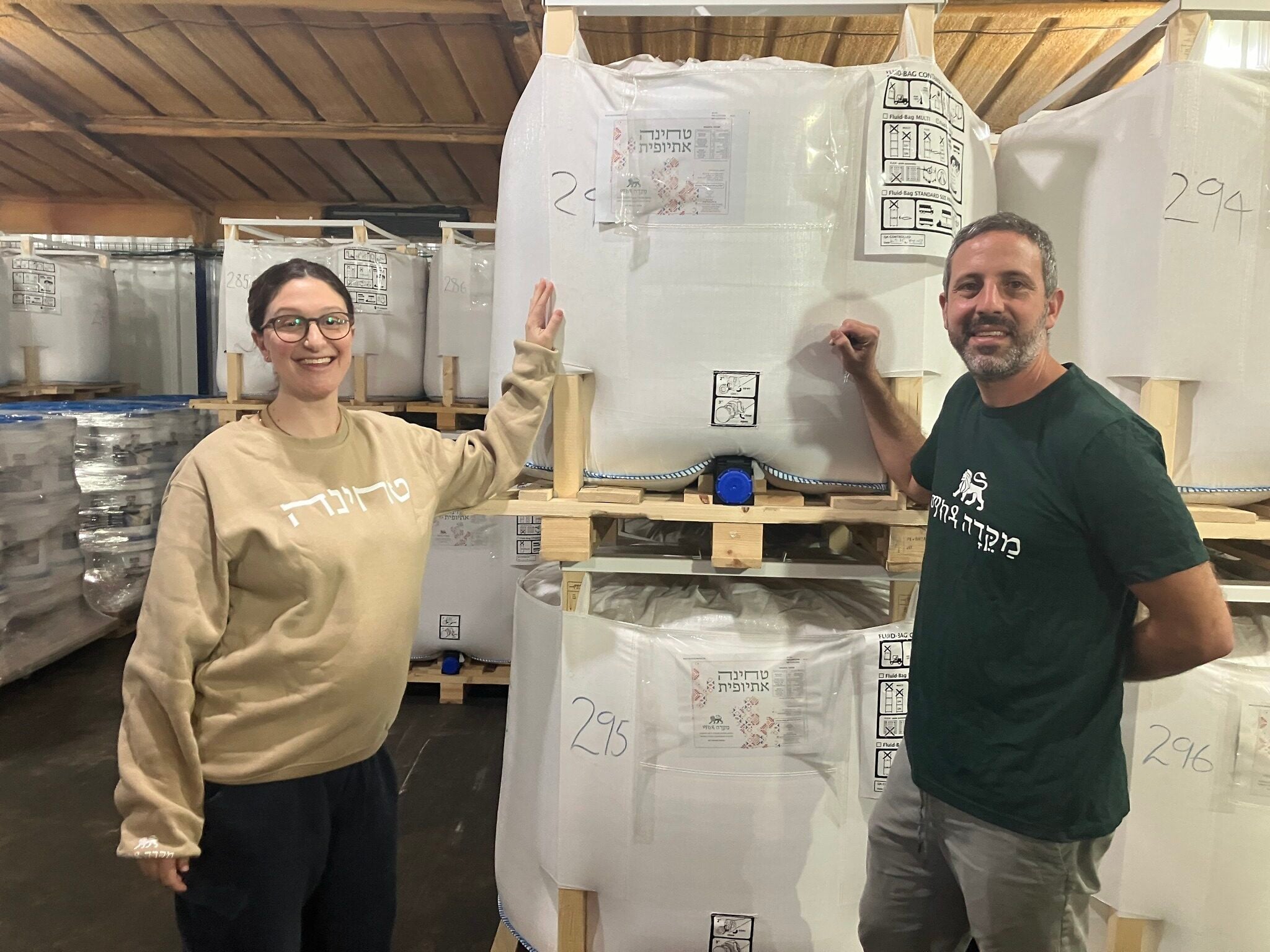
“Israel needs far more sesame than it has land to grow,” Hurvitz told The Times of Israel at his warehouse in Kibbutz Shomrat in northern Israel. He distributes the Ethiopian tahini to customers across Israel and the Palestinian Authority.
“I don’t think sesame can be grown here on a commercial basis because African producers will always be able to sell it for less,” Hurvitz said. “Still, the idea of Israeli farmers growing sesame is nice.”
‘The seeds have a history and a story’
When the project planted its initial fields in 2024 at Kibbutz Re’im near the Gaza border, researchers named one of their sesame varieties after Yakov Inon, a veteran agronomist from nearby Moshav Netiv HaAsara who was deeply involved in advancing local agriculture.
Inon was murdered alongside his wife, Bilha, by Hamas terrorists on October 7, 2023.
“The seeds have a history and a story,” Gadri said.
In addition to the crop at Kibbutz Shamir, farmers grew 1,800 dunams (445 acres) of sesame in seven communities around Israel in 2026.
While the crops achieved “record yields” in some locations, Peleg said introducing a new crop is a “process,” with work still to be done to improve the varieties and cultivation methods.
“We hope to bring back the crop to Israeli fields, creating new opportunities for farmers, and delivering tastier, more nutritious sesame and tahini to the table,” Peleg said.










The Times of Israel Community.