

Iran joins UN anti-terrorism treaty in hope of easing economic sanctions
Islamic Republic seeking removal from Financial Action Task Force blacklist, which has greatly hampered its financial sector
 Add ToI as a Preferred Source on Google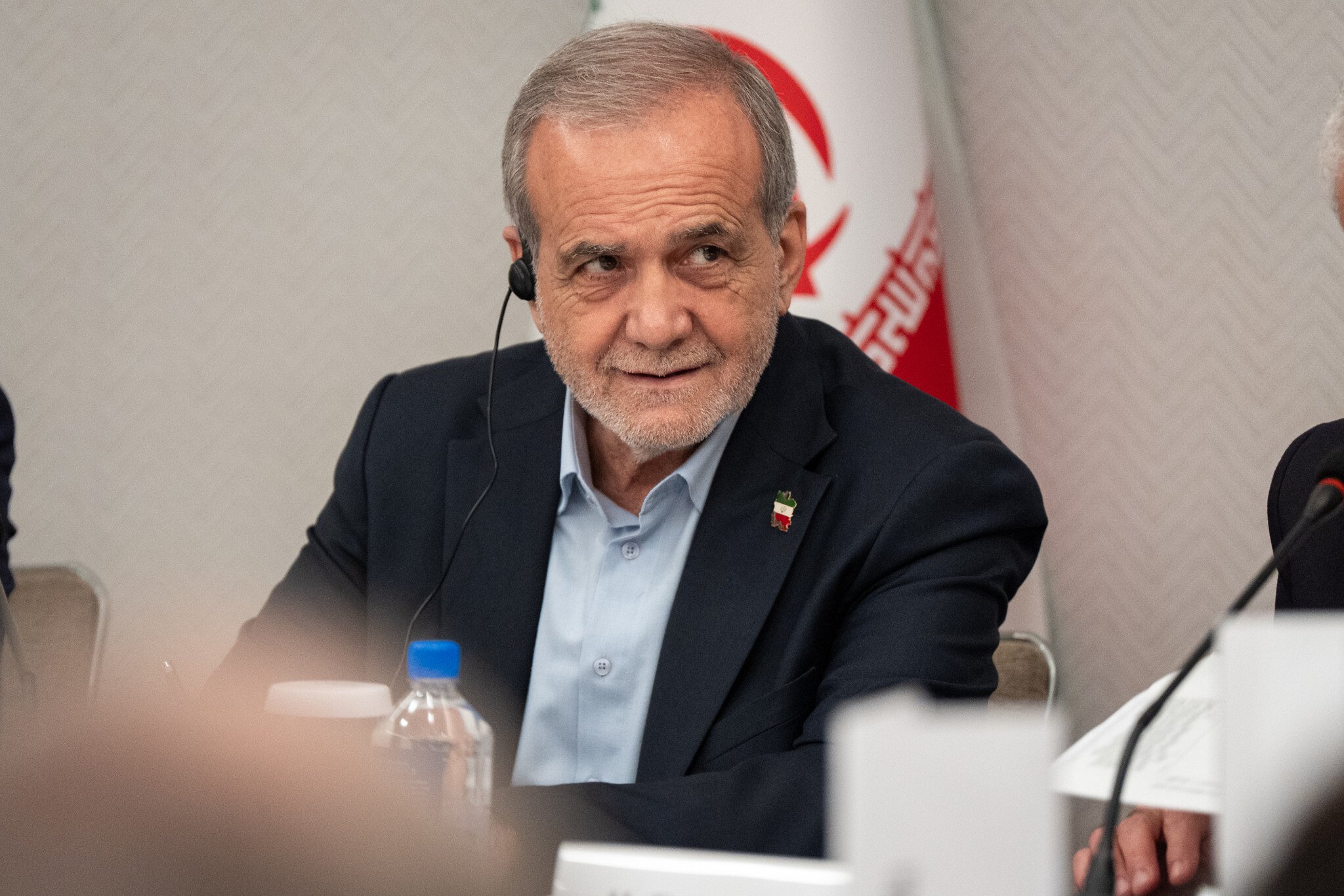
Iran ratified a law joining a United Nations convention against terror financing, local media reported Wednesday, in hopes it will lead to access to global banking, an easing of trade and relieving pressure on its sanctions-hit economy.
Iranian President Masoud Pezeshkian was elected last year on a promise to ease relations with the West and secure the lifting of sanctions that are hurting the economy.
His administration is trying to bring the country into line with the demands of the Financial Action Task Force (FATF), which monitors money laundering and terrorist financing.
Tehran has for years provided support to the Palestinian Hamas terrorist organization, Lebanon’s Hezbollah, and Yemen’s Houthis — all designated as terrorist groups by the United States, along with Iran’s Islamic Revolutionary Guard Corps (IRGC).
Iran was returned to the FATF blacklist of non-cooperative countries in 2020, which includes North Korea and Myanmar.
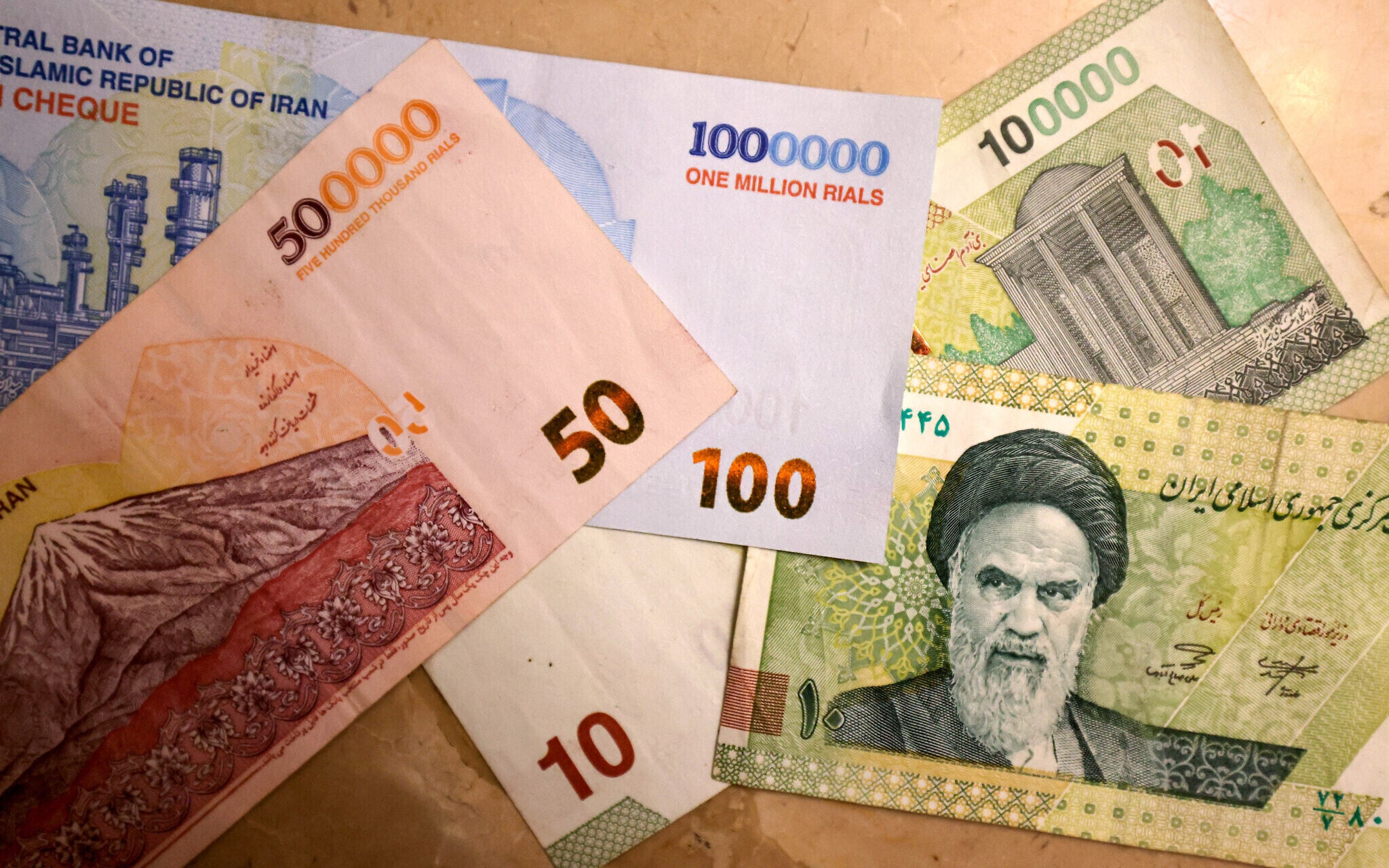
Along with heavy international sanctions, particularly by the United States, Iran’s inclusion on the blacklist has isolated the country’s financial sector and severely restricted its access to the international banking system.
“President Masoud Pezeshkian has promulgated… the law on the Islamic Republic of Iran’s accession to the International Convention for the Suppression of the Financing of Terrorism (CFT),” the Tasnim news agency said on Wednesday.
It is unclear what the immediate economic impact would be if it were removed from the FATF.
Iranian lawmaker Mahdi Shariari said earlier this month that Iran’s non-membership in the FATF and CFT had “created difficulties” in trade, including with key allies Russia and China, according to the pro-labor news agency ILNA.
Reformists and moderates in Tehran view compliance with FATF standards as a vital step toward reconnecting with the international banking system and stabilizing the economy.
However, international sanctions remain the primary obstacle to Iran’s global financial and trade activities.
Joining the treaty has been the subject of a heated debate in recent weeks, with ultra-conservatives arguing it could grant “enemy” countries access to sensitive economic and military information, particularly related to Iran’s support of regional terrorist organizations.
Others argue that it will have the effect of stopping Iranian support for Hezbollah and Hamas.
Local media reported on Tuesday that an Iranian representative attended an FATF meeting in Paris for the first time in six years.





The Times of Israel Community.