

Iranian media says desalination plant on Gulf island non-functional after airstrikes
Iran’s foreign minister had said a US strike took place on March 7 on Qeshm Island, a popular yet heavily militarized tourist destination for Iranians
 Add ToI as a Preferred Source on Google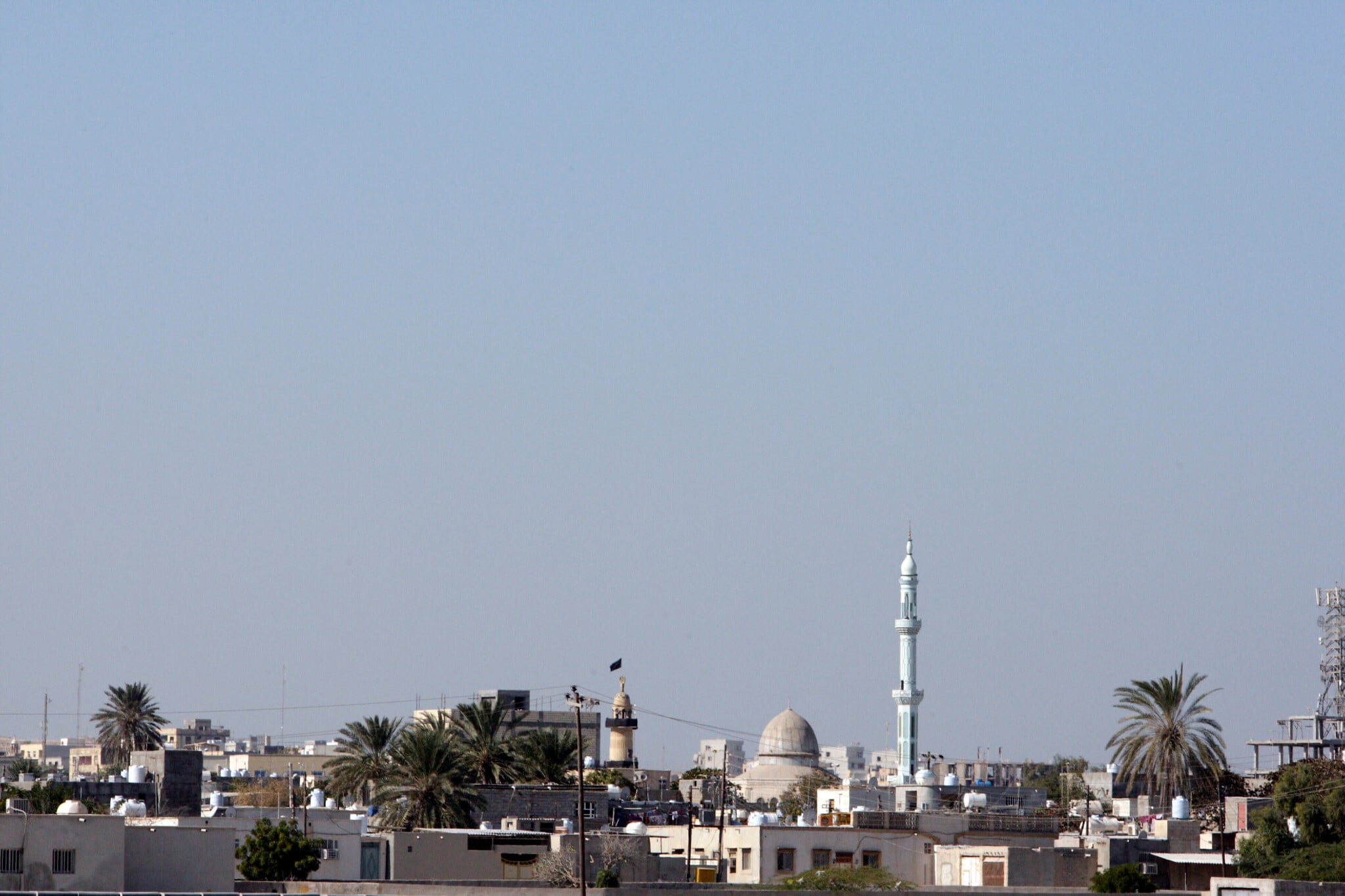
Iranian media said Tuesday that airstrikes have put a desalination plant on Iran’s Qeshm island in the strategic Strait of Hormuz out of service, though the report did not specify when the attack took place.
“One of the desalination plants on Qeshm Island was targeted… and is now completely out of service, as it is not possible to repair it in the short term,” the ISNA news agency reported, quoting health ministry official Mohsen Farhadi.
Iran’s Foreign Minister Abbas Araghchi had said a strike had taken place there on March 7, accusing the US of a “blatant and desperate crime” launched from its military base in Bahrain.
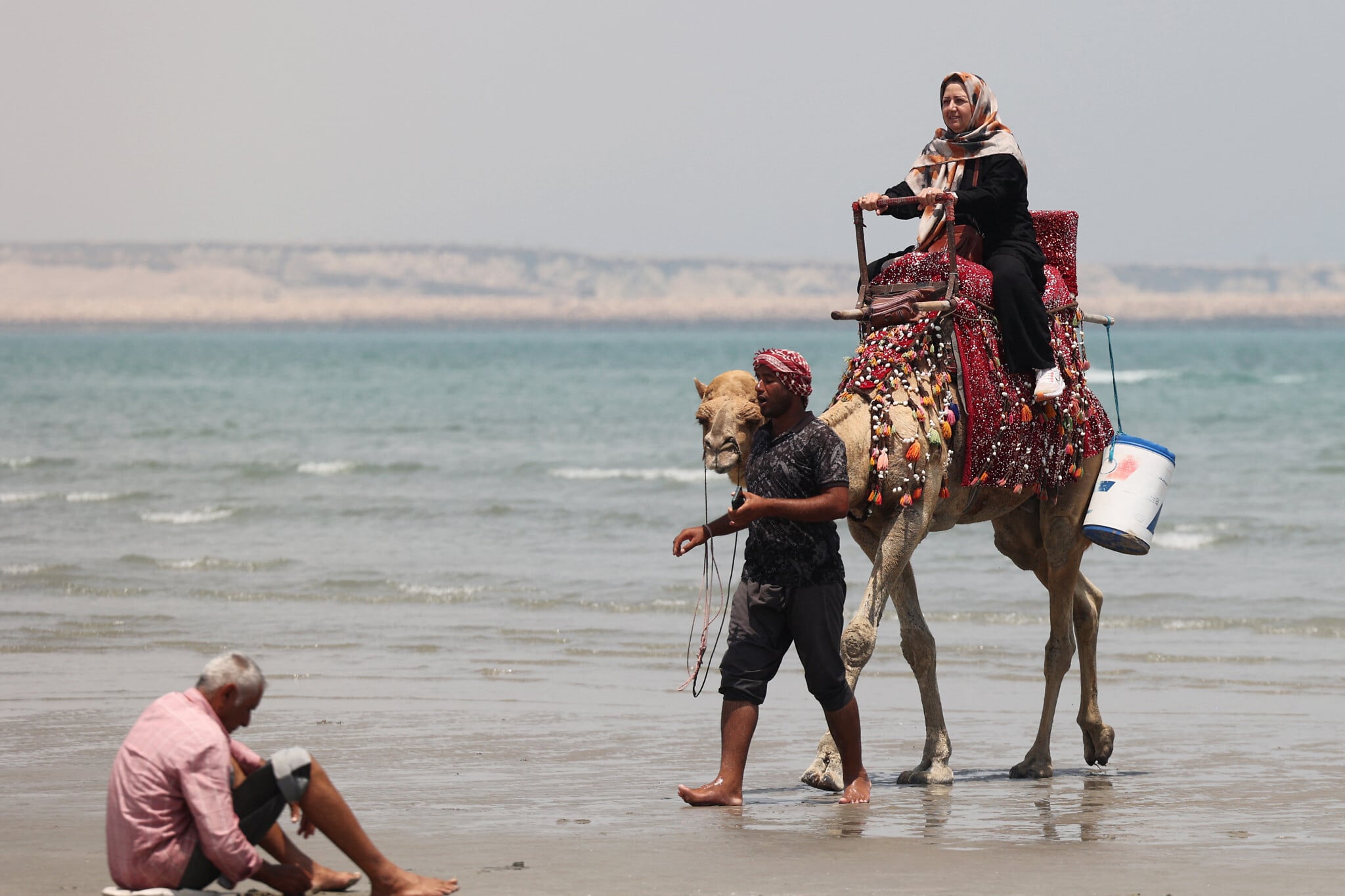
Qeshm is the largest Iranian island in the Gulf, stretching for around one hundred kilometers (62.14 miles) across the Strait of Hormuz.
It has become a popular tourist destination in recent years for Iranians thanks to its rare UNESCO-listed rock formations and turquoise waters, but is also heavily militarized, analysts say.
There have been several attacks on desalination plants in the ongoing war, sparked by US-Israeli strikes on Iran on February 28.
Bahrain reported an Iranian strike on a facility on March 8, apparent retaliation for the US hit on Qeshm the day before.
Kuwait reported an Iranian attack on a desalination and electricity plant on Monday, which Tehran blamed on Israel, without offering proof.
The Middle East is among the driest regions in the world, with many countries dependent on desalination plants for domestic and industrial water supplies.
US President Donald Trump threatened on Monday to “obliterate” Iran’s power infrastructure, oil wells and “possibly all desalination plants.”
That would likely draw a tit-for-tat reaction from Tehran that would escalate the conflict dramatically.
Desalinated water provides 42 percent of drinking water in the United Arab Emirates, 70% in Saudi Arabia, 86% in Oman and 90% in Kuwait, according to a 2022 report from the French Institute of International Relations think tank.
Some analysts have warned that Gulf states would see an attack on their critical water infrastructure as a reason to enter the war directly against Iran.
They have so far remained on the sidelines of the conflict, sustaining damage from Iranian attacks while hosting US bases used for operations against the Islamic Republic.
Israel launched its campaign against Iran, alongside the US, to degrade the Iranian regime’s military capabilities, distance threats posed by Iran — including its nuclear and ballistic missile programs — and “create the conditions” for the Iranian people to topple the regime, the military and other Israeli leaders have said.
The Israeli Air Force has conducted hundreds of waves of strikes in Iran since February 28, dropping over 13,000 bombs on the Iranian regime and military sites, including air defense systems, ballistic missile launchers, weapon production sites, nuclear facilities, and various headquarters.
The IDF has estimated that some 5,000 Iranian soldiers have been killed in Israeli strikes, along with tens of thousands more wounded, many of them members of the internal security forces and Basij paramilitary force.






The Times of Israel Community.