

Irish minister defends plans for ‘extremely limited’ curbs to trade with settlements
Thomas Byrne, who is a minister of state, says law would ‘prohibit imports of goods from illegally occupied territories’; lawmaker behind legislation also wants ban on services
 Add ToI as a Preferred Source on Google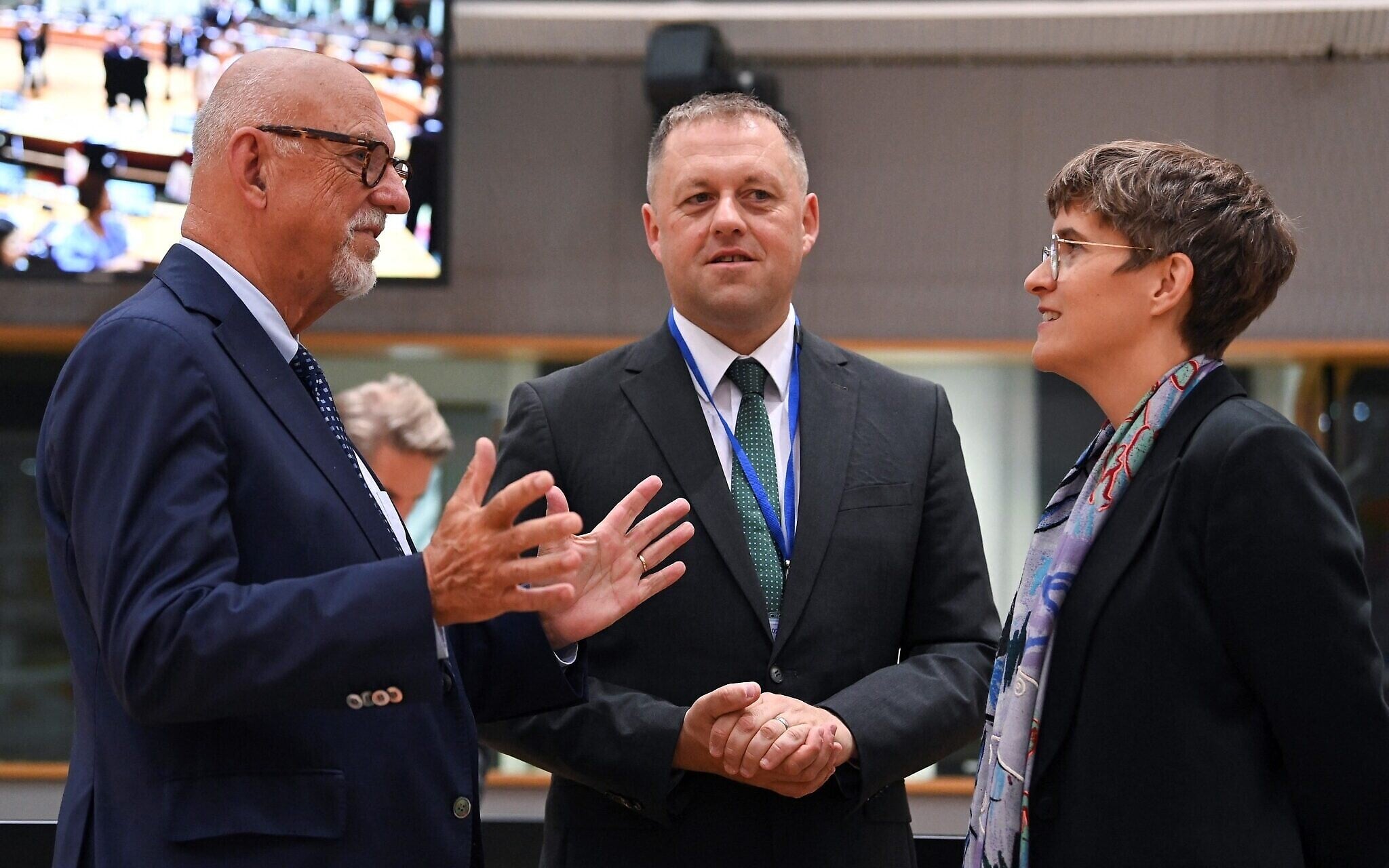
Ireland’s planned curbs on trade with Israeli West Bank settlements will be limited strictly to importing goods, a minister told Reuters, offering the first clear signal regarding the scope of the contested legislation while rejecting accusations that the country is antisemitic.
Ireland, one of Israel’s harshest critics in Europe during the two years of war in Gaza, has been preparing a law to curb trade with settlements in the West Bank, facing pressure at home to widen the scope of the ban from goods to services, while Israel and the United States want the bill scrapped.
But Thomas Byrne, Ireland’s Minister of State for European Affairs and Defense, told Reuters that the bill is limited to the import of goods and that it would not become law this year.
“It’s an extremely limited measure, which would prohibit imports of goods from illegally occupied territories,” he said in an interview. “Similar measures have already been brought in in a number of European countries.”
Byrne’s comments give insight into Dublin’s thinking as Ireland seeks to deflect pressure, including from US companies based in the country, to soften its criticism of Israel. Ireland’s bill is expected to help shape how other European nations seek to launch similar curbs on trade with Israeli settlements.
The Irish government has signaled that the bill is imminent but has yet to publicly announce its scope. Byrne declined to say when it would be sent to parliament, as the government weighs the bill’s implications. “It’s certainly not going to be implemented this year,” he said.
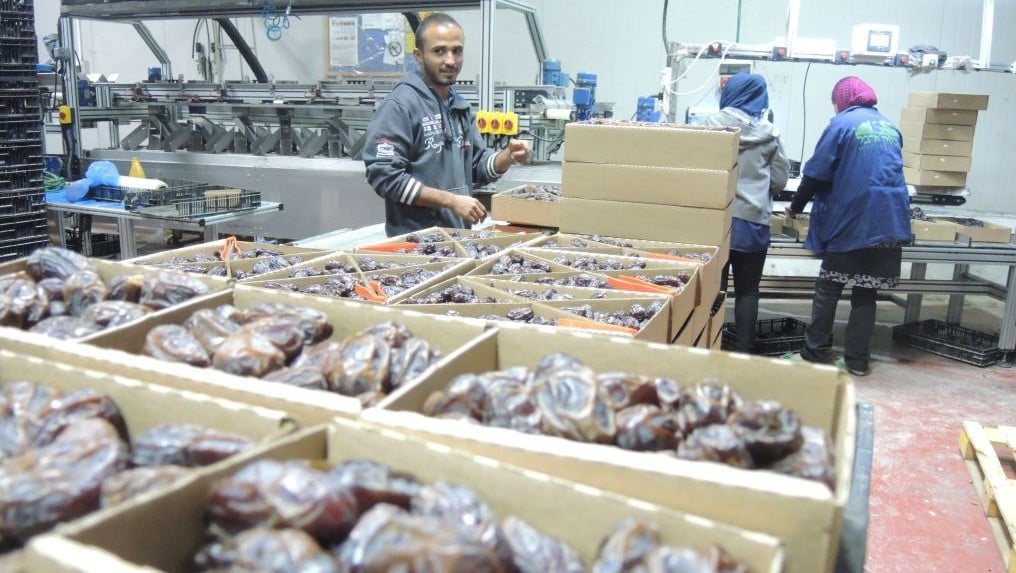
Earlier this year, sources told Reuters that the government intended to blunt the law, curbing its scope to just a limited trade of goods, such as dried fruit, and not services.
A bill including services could have entangled companies in technology and other industries in Ireland that are doing business in Israel. Business lobby groups had sought to kill the idea.
Limiting the bill to goods only would catch just a handful of products imported from settlements, such as fruit, which are worth just 200,000 euros ($234,660) a year.
Dáil opposition united. ICJ & FA Ctte too. Time to act.
With a ‘ceasefire’ in place, Gaza will slip out of news coverage & political focus. The worst thing we could do now would be to back away from our commitments.
Over to you @SimonHarrisTD @MichealMartinTD #PassTheOTB ???????? pic.twitter.com/hwIr2TUbGH
— Conor O'Neill (@conoraon) November 17, 2025
But Frances Black, the lawmaker who proposed the sales ban law, told Reuters she would push to include a ban on services. “It will take a lot of work in the new year to get services included but that’s exactly what I’m prepared to do,” she said.
Most of the international community — with the exception of the United States under President Donald Trump — considers Israeli settlements in the West Bank illegal under international law.
Israel conquered the territory in the June 1967 Six-Day War, and its government disputes this position, citing historical and biblical ties to the area as well as security needs.
Irish minister rejects allegations of antisemitism
Ireland has been one of the most vocal critics of Israel over its conduct in the Gaza war, which was sparked by the Hamas-led onslaught of October 7, 2023.
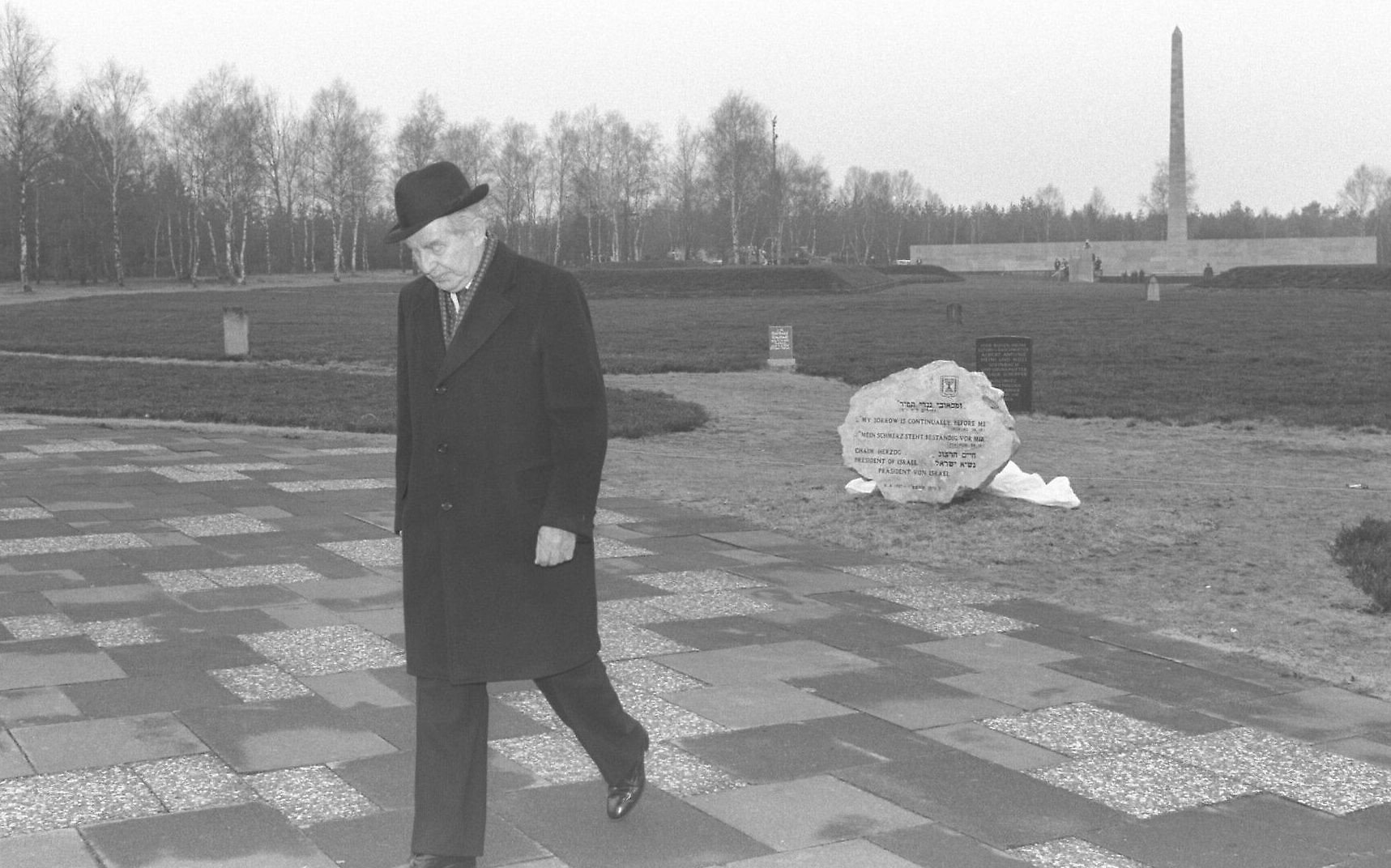
Foreign Minister Gideon Sa’ar shuttered Israel’s Dublin embassy after Ireland recognized Palestinian statehood last year, and accused the Irish government of being slow to respond to a Dublin City Council proposal last month to rename a park named after Chaim Herzog, Israel’s Irish-born sixth president and father of current President Isaac Herzog.
Irish ministers had roundly criticized the proposal, which also triggered accusations of antisemitism in the local Jewish community. Dublin City Council has since halted a decision on whether to remove the name of the park.
And Ireland is one of a handful of countries that pulled out of the Eurovision song contest after Israel was cleared to participate.
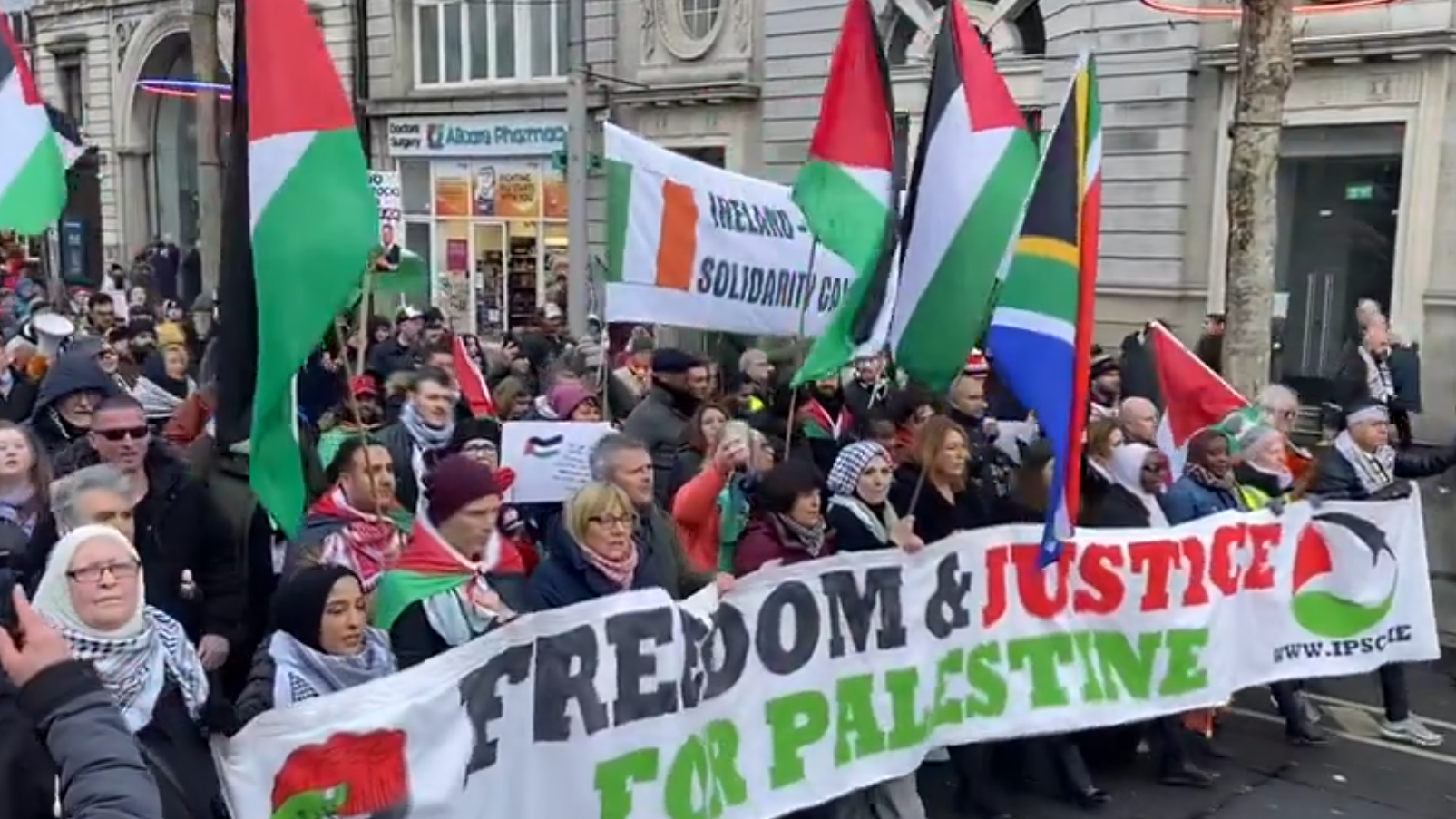
In October, Ireland elected as president far-left lawmaker Catherine Connolly, who has referred to Israel as a “terrorist state.” On Wednesday, Ireland’s central bank governor Gabriel Makhlouf was forced to abandon a public speech in Dublin by pro-Palestinian protesters objecting to the central bank’s earlier role in the sale of Israeli bonds.
In a public spat earlier this month with Ireland’s ambassador to Israel that was caught on video, Sa’ar slammed the “antisemitic nature” of the government in Dublin.
Byrne, the Irish minister, rejected Sa’ar’s accusation. “I reject outright that the country is in any way antisemitic,” Byrne told Reuters. “We’re deeply conscious of the contribution that Jewish people have made in Ireland.”
Barry Andrews, an Irish member of the European Parliament, also dismissed the allegation, and urged Dublin to go ahead with its settlement sales ban.
“Claims that Ireland is antisemitic are nonsense,” he said.








The Times of Israel Community.