

Key witness in Netanyahu trial says Milchan felt free to pull ex-PM from meetings
Billionaire’s aide once again defends evidence she gave in interrogation, claims Milchan ‘obsessively’ nagged Netanyahu for help with visas
 Add ToI as a Preferred Source on Google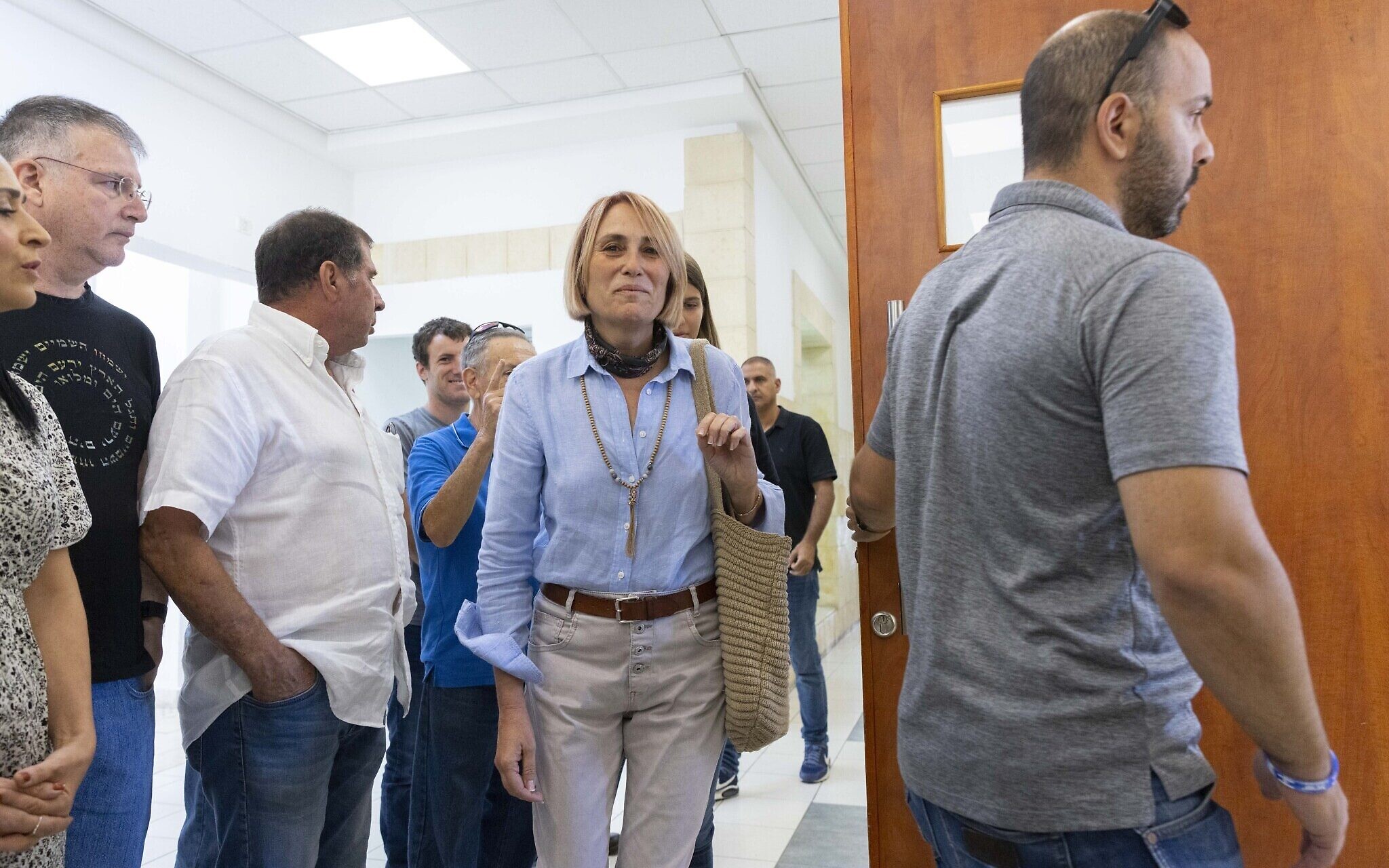
A key witness in the trial of Benjamin Netanyahu was cross-examined again on Tuesday before the court went into recess, facing down attempts by the defense to poke holes in her testimony, and describing how her boss felt he could contact the former premier at any time.
Hadas Klein, a top aide to Hollywood mogul Arnon Milchan, took the stand for a final cross-examination by Netanyahu’s defense attorney Amit Hadad in Case 1000, which revolves around luxury gifts the former prime minister and his family received and quid pro quos Netanyahu is accused of having provided in return.
Klein is set to retake the stand when the trial resumes in September.
The indictment against Netanyahu in Case 1000 charges the former prime minister with fraud and breach of trust for accepting gifts — including high-end champagne and cigars — from Milchan and Australian billionaire James Packer worth NIS 691,776 (about $200,000) and for intervening on behalf of Milchan when he was seeking a US visa renewal and assisting him with regulatory benefits.
During the session, Hadad presented quotes from Klein’s interrogation, when she was unsure of how much of the champagne purchased by Milchan and Packer in the relevant timeframe went to the opposition leader’s wife, Sara Netanyahu. Klein had wavered between a 65/35 ratio and a 70/30 ratio in favor of Netanyahu, and was concerned she could not provide a precise figure.
“Let’s go with 60/40,” she eventually told police.

In court, Klein responded that she feared causing harm during her questioning, and did not remember her estimate of 60/40.
She acknowledged that Milchan had no “economic interests” in his relationship with Netanyahu, but commented that “from the perspective of the power it gave him, he could say, ‘I am a friend of the prime minister.'”
“Arnon could come and be hosted by them whenever he wanted. This opened doors for him,” she said.
Klein added that Milchan felt he could call Netanyahu at any time, even during important meetings, and immediately turned to him when he required help with his visa.
Klein reaffirmed her words after Judge Moshe Bar-Am spoke out in the hearing to clarify with her that, despite a lack of economic interests, Milchan could pull Netanyahu from important meetings.
As an example, Klein said that in 2016 Milchan requested that she call Netanyahu while he was meeting with the Cypriot prime minister after an accountant from the Mediterranean island arrived to look over an investment of Milchan’s, but she refused.
“Arnon expected and knew, Arnon knew he could get Mr. Netanyahu out of meetings and talks,” she told the court.
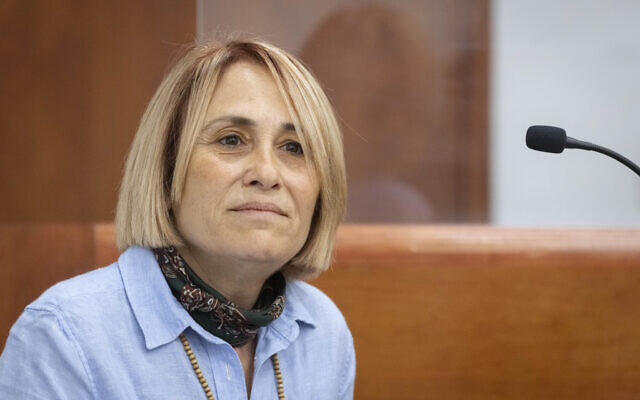
Klein also claimed that Netanyahu fulfilled Milchan’s request after he “obsessively” nagged the former prime minister over the visa.
Her testimony has posed a challenge to Netanyahu’s defense, which has struggled to contradict her remarks.
Klein testified on Monday that the former prime minister vetoed a $3 million donation to the Peres Center by Australian billionaire James Packer after he proudly announced to Milchan that he intended to make the contribution.
Earlier this month, she described becoming the conduit for a never-ending supply of premium cigars and champagne to the Netanyahus, goods she said were not volunteered by Milchan or Packer but requested directly by the ex-premier and his wife.
Her testimony is highly significant since it undermines Netanyahu’s defense that he was merely accepting gifts from a friend and that he was not aware of the extent of the gifts.
The indictment alleges that in return, the former prime minister assisted Milchan in receiving a US visa, along with regulatory and tax benefits relating to his business interests in Israel.
Along with Case 1000, Netanyahu faces fraud and breach of trust charges in two other cases, as well as bribery in one of them. He has denied wrongdoing and claimed without evidence that the charges were fabricated and part of a bid by the state prosecution and political rivals to force him from office.










The Times of Israel Community.