

 From the Liveblog of
Thursday, December 4, 2025
From the Liveblog of
Thursday, December 4, 2025
Ex-general to lead probe into IDF’s handling of intel on Hamas attack plans pre-Oct 7
 Add ToI as a Preferred Source on Google
Emanuel (Mannie) Fabian is The Times of Israel's military correspondent
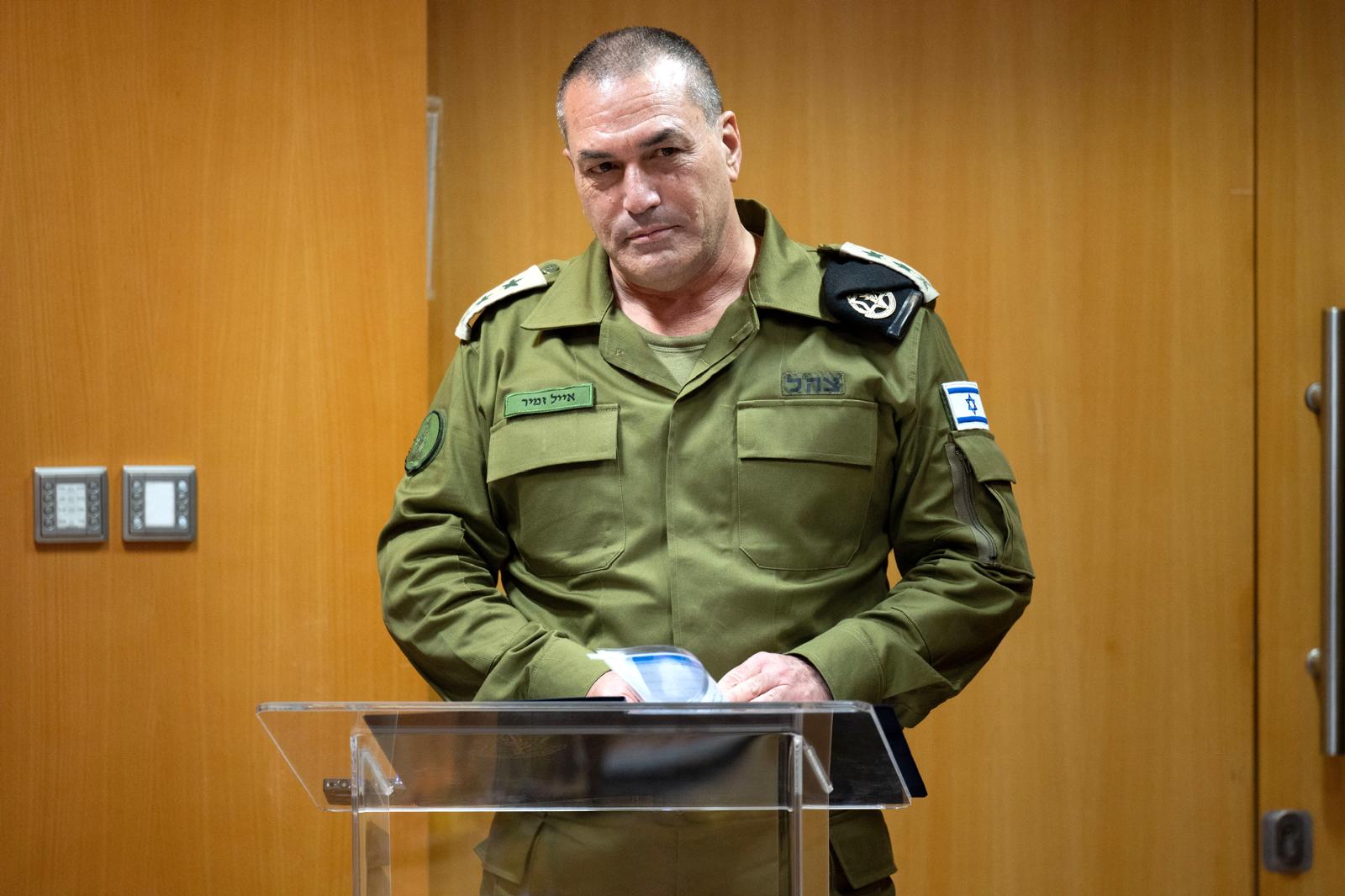
IDF Chief of Staff Lt. Gen. Eyal Zamir has appointed a former general to head a panel of experts that will investigate the military’s handling of intelligence reports received since 2018, which outlined Hamas’s intent to launch a wide-scale attack against Israel — a topic not included in the army’s initial October 7 probes.
Maj. Gen. (res.) Roni Numa, who retired from the military in 2018 after serving as head of the Central Command, will lead the team that will include several other former senior officers, the military says.
The decision comes after a different team of former senior officers, led by Maj. Gen. (res.) Sami Turgeman, conducted a review of the IDF’s internal probes into the failures on October 7. The team found many of the probes to be inadequate, and also pointed to several topics that were not investigated at all, chief among them was the intelligence reports of Hamas’s attack plan, codenamed in the army “Jericho’s Walls.”
The military had, over the years, dismissed Hamas’s plans as unrealistic and unfeasible, all while the terror group continued its preparations for October 7.
This evening, Zamir presented the IDF’s top brass with his summary of Turgeman’s report, which included his “insights and lessons drawn from the report, along with key points for integrating them into the IDF’s work plan in the coming years,” the army says.
Zamir told the officers that “to synchronize all future processes arising from the report and to monitor their implementation,” an oversight committee will be established, headed by Deputy Chief of Staff Maj. Gen. Tamir Yadai. In the coming weeks, a learning session will be held by the General Staff Forum, during which top officers will discuss the implementation of the lessons in their respective units, the IDF says.
The military says that Zamir, in his summary, outlined several “main courses of action” for the military’s “evolution” in the coming years. Among them were that a surprise war should serve as a “compass for the IDF’s operational readiness,” that a ground offensive should be a “central component of the IDF’s capabilities,” and that “professional processes” in the Intelligence Directorate should be strengthened.
“We are moving to the next phase regarding the investigations of the events of October 7, which is the stage of integrating the lessons into the IDF’s work plan and implementing them,” Zamir says in remarks provided by the IDF. “It is our duty to confront failure directly and extract everything we can from it to ensure it does not recur, and to learn everything possible to improve the IDF’s capabilities.
“I believe this process will accompany the IDF for years to come, and we must ensure that it is thoroughly integrated into all components of the system,” he adds.




The Times of Israel Community.