

 From the Liveblog of
Thursday, December 4, 2025
From the Liveblog of
Thursday, December 4, 2025
Netanyahu says proposed state budget ‘addresses all of Israel’s security needs’
 Add ToI as a Preferred Source on Google
Lazar Berman is The Times of Israel's diplomatic reporter
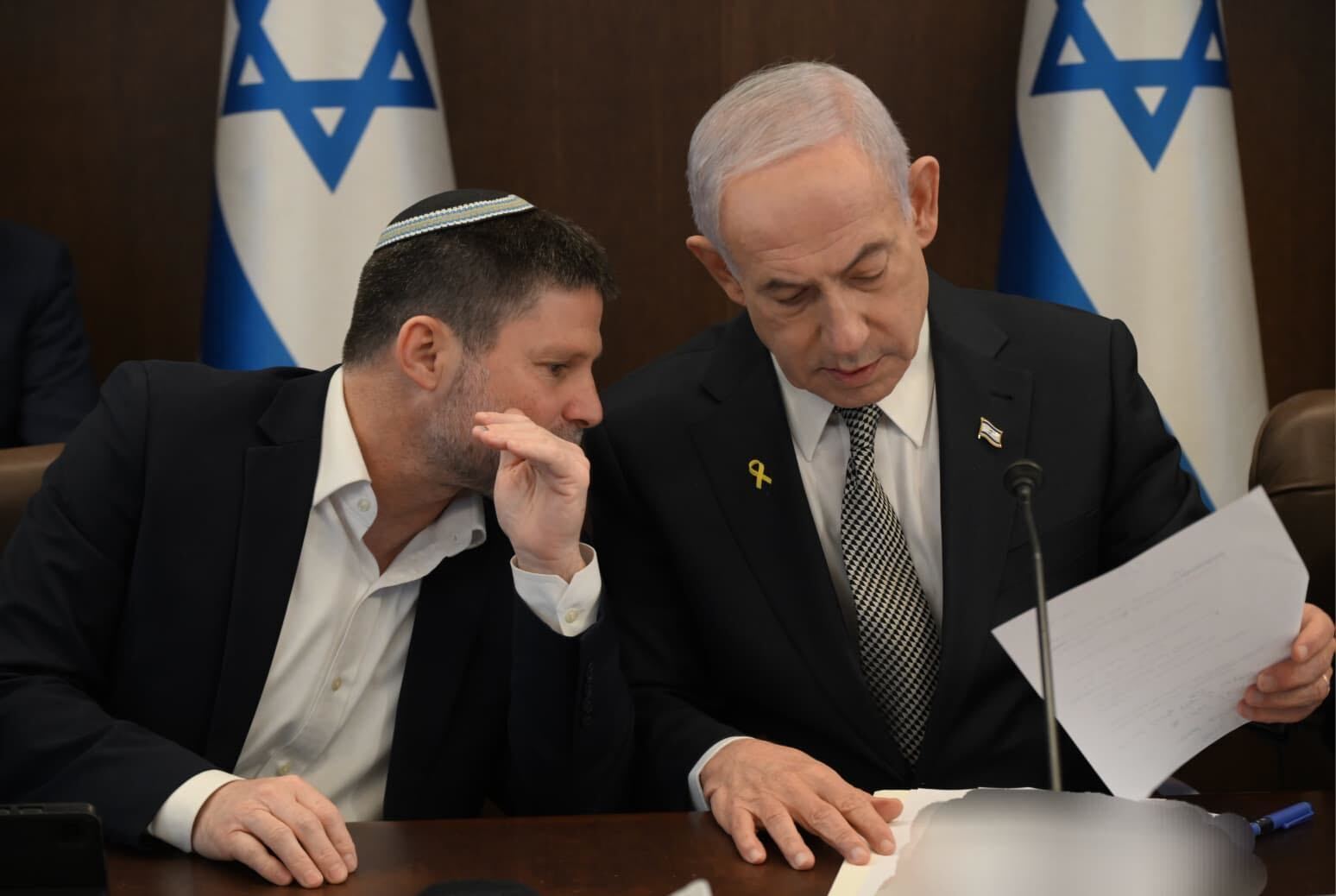
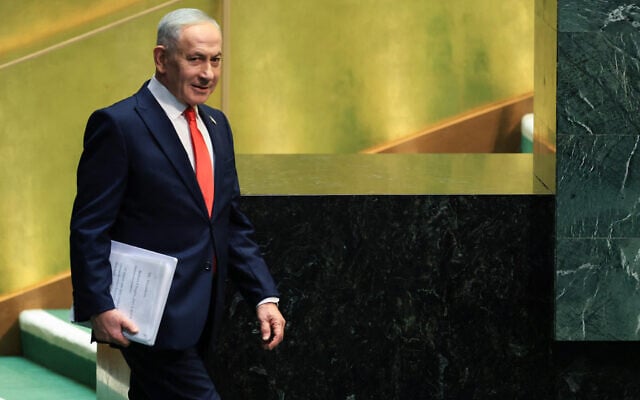
At the start of the meeting to approve the 2026 state budget, Prime Minister Benjamin Netanyahu stresses that the proposed budget “addresses all of Israel’s security needs.”
He says that in the ongoing war that erupted on October 7, 2023, “we have achieved tremendous accomplishments. Our victories on seven fronts make one thing clear: Israel is the strongest country in the Middle East.”
That strength also comes from Israel’s “strong and stable economy,” the premier says, adding that “investments are flowing and will continue to flow, the stock market is breaking records, the shekel strengthened, interest rates fell, and unemployment is at a low. And all this during a war.”
Netanyahu says that the proposed budget will lower income tax.
“We also intend to reduce regulation and streamline our government systems,” he says.
“We will continue to develop the northern and southern communities that were harmed — they will flourish more than ever,” he pledges. “And the most important thing in this budget — assistance and grants for IDF career soldiers and reservists and for their families, because they deserve it. We will provide them with all the support and the framework they need — a framework we have already built, and it will expand even more.”
Finance Minister Bezalel Smotrich attributes Israel’s “fantastic macroeconomic data” to “divine assistance,” then to “strong market forces, a strong economy, initiative, creativity, the DNA of a nation that for 2,000 years has learned to grow from every crisis.”
He tells assembled ministers that their responsibility is to navigate the economy “through stormy waters — without populism, knowing where to expand — for reservists, evacuees, survivors, rebuilding the north and south, and everything the army and security services need — but also where to cut, where to set boundaries, and where to take responsibility for less popular steps.”





The Times of Israel Community.