

Noam Bettan to sing Eurovision entry co-written by last year’s contestant Yuval Raphael
Set for release March 5, song features lyrics in Hebrew, English and French and is said to be ‘a slightly different style’ from the ballads submitted by Israel for past two years
 Add ToI as a Preferred Source on Google
Amy Spiro is a reporter and writer with The Times of Israel

Israel’s Kan public broadcaster announced Friday that it has selected the song that Noam Bettan will sing at this year’s Eurovision — which will be revealed next month.
The committee tapped by Kan to pick this year’s song narrowed around 200 submissions down to four finalists. Bettan recorded the four songs and the committee of experts crowned a winner, Kan said.
The song was written by Nadav Aharoni, Tslil Klifi and Yuval Raphael — a survivor of the Nova festival massacre on October 7, 2023, who represented Israel at last year’s Eurovision.
Kan said the song, which will be released March 5, will be in “a slightly different style” than Israel’s entries for the past two years, which were both ballads.
The song contains lyrics in Hebrew, French and English, like last year’s song “New Day Will Rise,” which took Israel to second place in the contest.
Kan said the song will now be sent to the European Broadcasting Union for final approval.
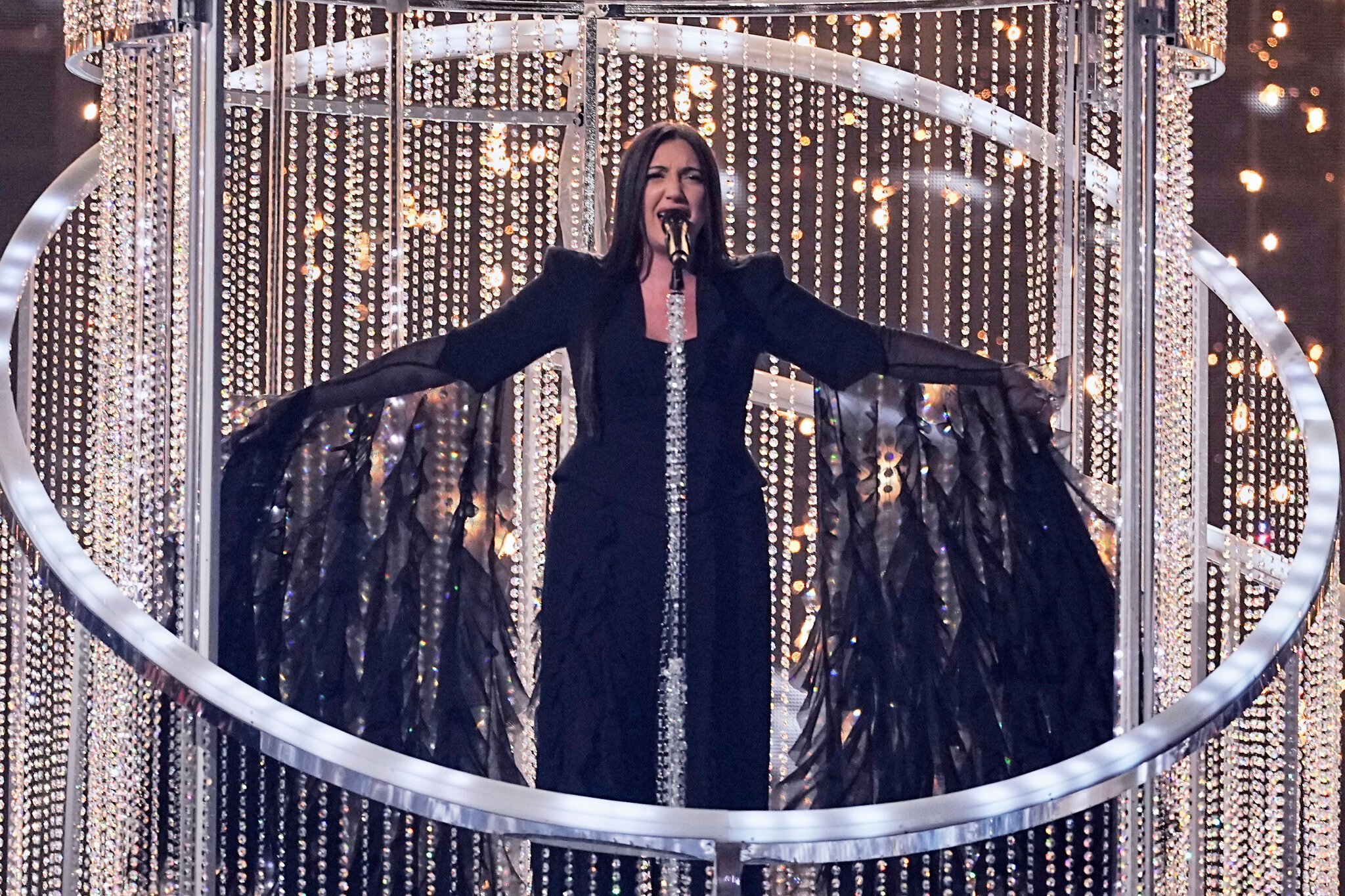
For the first time, the committee initially heard the songs either with an AI-generated voice or an anonymous performer to ensure a fair process.
Many songwriters in Israel were angry after a song by Keren Peles — also a judge on the TV show that selects Israel’s Eurovision contestant — was selected both in 2024 and 2025. Kan barred Peles from submitting a song this year.
Bettan, 27, was born in Israel to French immigrant parents and often sings in the language.
He was selected to represent his country at the competition in Vienna in May after winning this season of “Hakochav Haba” (Rising Star), and unlike the contestants Israel sent to the competition the past two years, he has a music career already underway.
The Eurovision contest is scheduled for May in Vienna, Austria.
Israel’s inclusion in this year’s contest was far from certain, as a growing chorus of artists and fans called for it to be barred from the competition over its war against Hamas in Gaza.
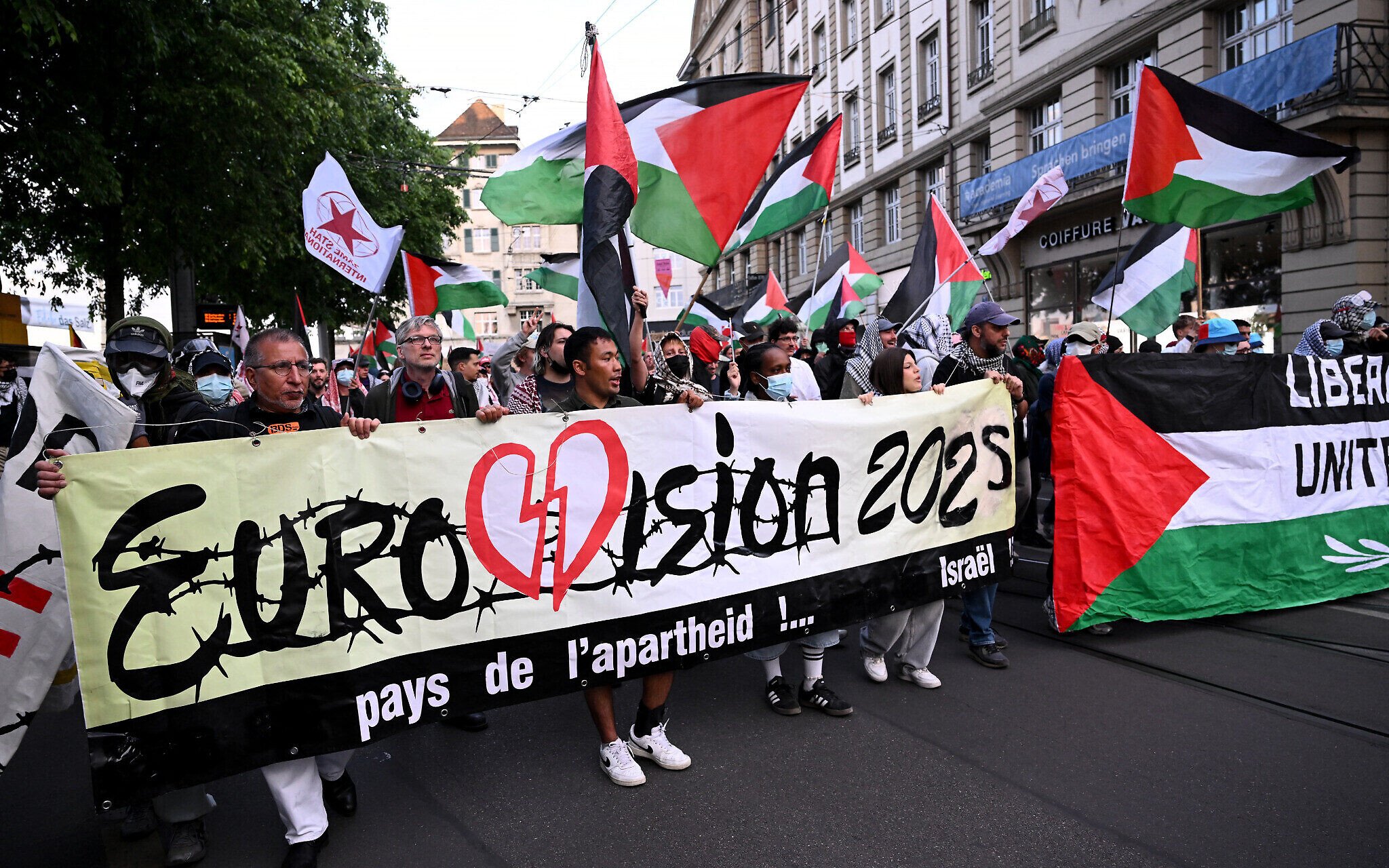
But in December, members of the European Broadcasting Union voted overwhelmingly not to kick Israel out of the competition, a move which prompted Ireland, Iceland, the Netherlands, Spain and Slovenia to boycott this year’s contest in protest.
Bettan is expected to face protests, threats, booing and Palestinian flags, much like Eden Golan in Malmö, Sweden, in 2024 and Raphael in Basel, Switzerland, last year.
But he may also see the same surge of public support, with Golan finishing second in the televote and fifth overall, and Raphael winning the public vote and placing second overall.
Israel, which has participated in the Eurovision since 1973, has won the contest four times in 1978 with “A-ba-ni-bi” by Izhar Cohen; 1979 with Gali Atari’s “Hallelujah,” 1998 when Dana International won with “Diva” and in 2018, when Netta Barzilai’s “Toy” took the top spot, allowing Israel to host the contest in Tel Aviv in 2019.




The Times of Israel Community.