 Add ToI as a Preferred Source on Google
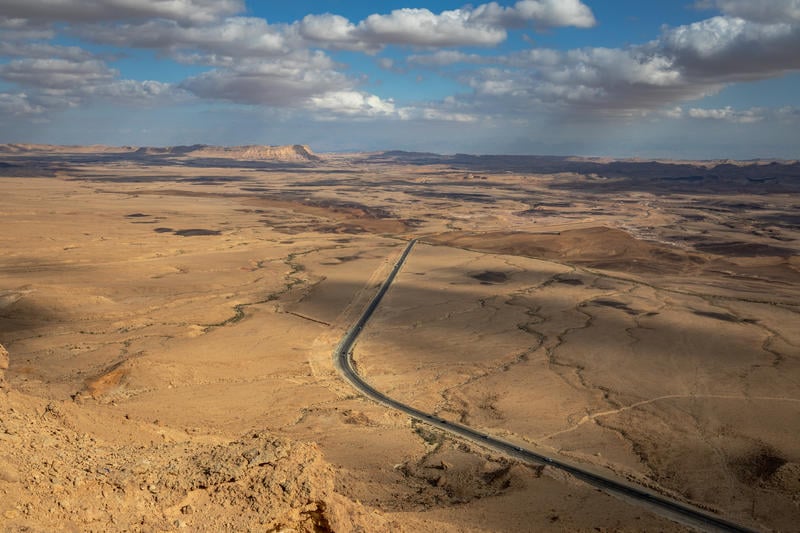
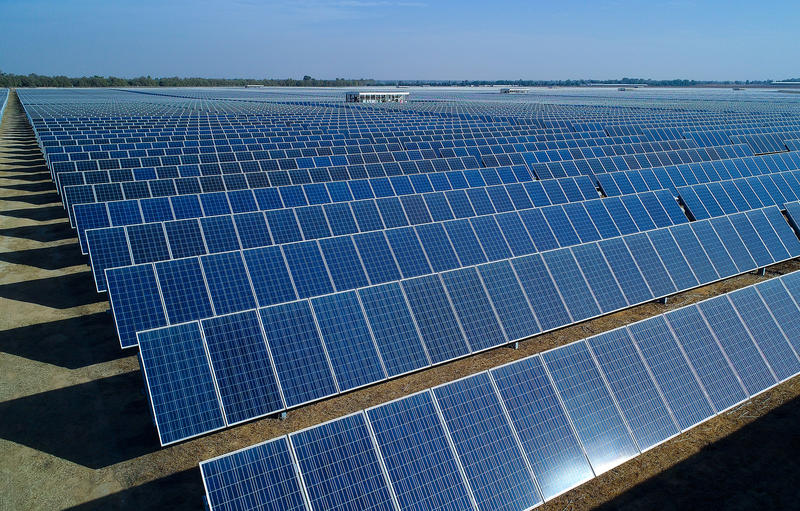
The Israel Land Authority’s proposed plan to build a solar field twice the size of Tel Aviv in one of Israel’s most stunning desert locations has had a mixed reception. The uproar over the breathtaking space near the Ramon Crater, in the south of the country, highlights the conflicting needs for more renewable energy, preservation of open space and a healthy tourism industry.
The state believes that achieving its goal of generating 30% of Israel’s electricity from renewable sources — primarily solar energy — by 2030 will require dual-use solar panels installed on rooftops and other existing facilities in urban areas and farms, alongside solar fields.
National Infrastructure Plan 182 (known by its Hebrew acronym Tatal 182) would earmark two sites in the Negev Desert, Oron and Zin, for the project, which would take up a total of 110,000 dunams (42.5 square miles).
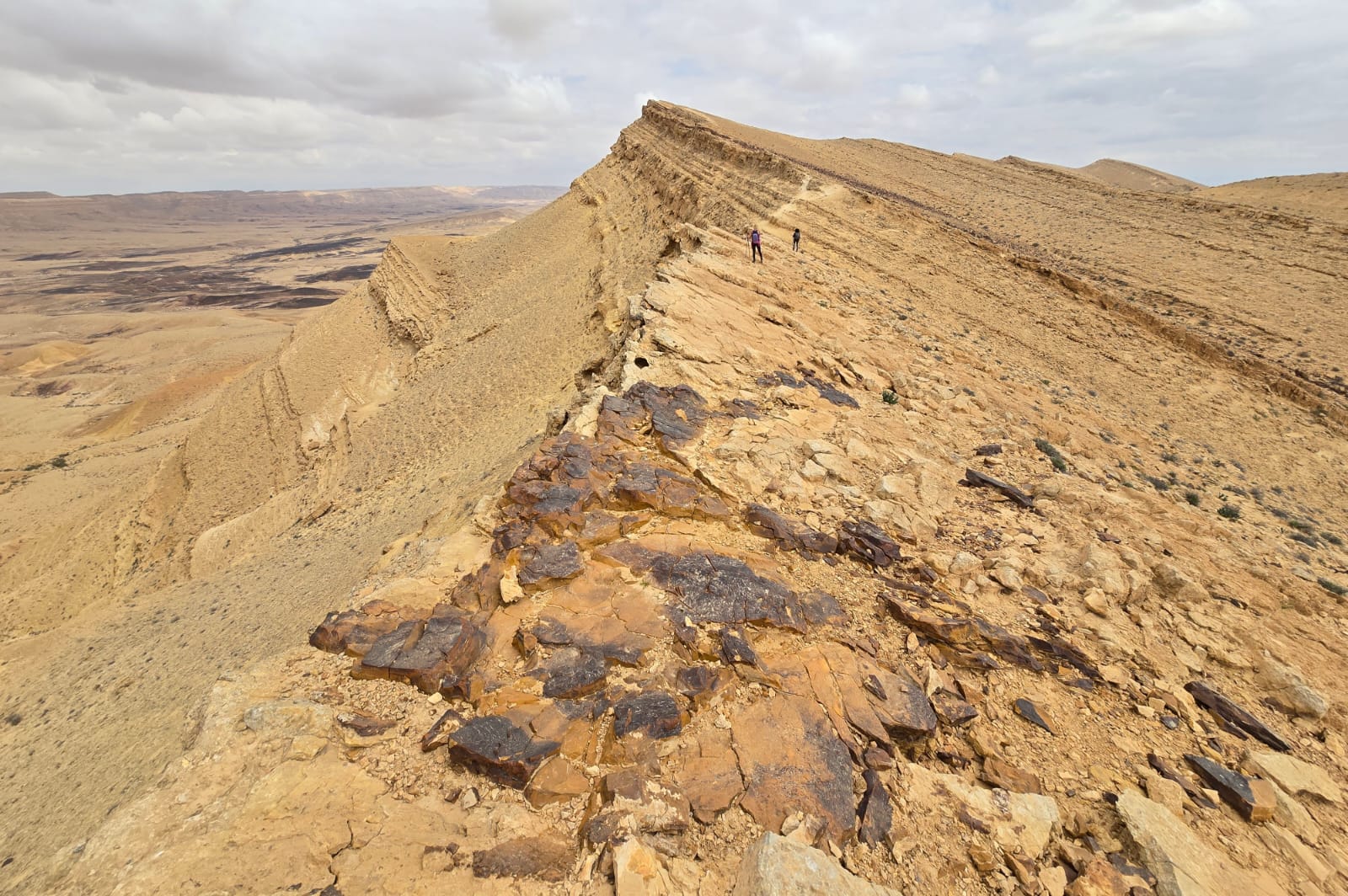
While the site is not visible from villages or main roads, it would be conspicuous to hikers, the Israel Land Authority has conceded, particularly those on the Israel Trail stretch that encompasses Mount Carbolet, so named for its resemblance to a rooster’s comb, or karbolet in Hebrew. The rocky outcrop forms part of the ridge around the Ramon Crater, from which vast stretches of primal desert can be seen.
The Society for the Protection of Nature in Israel has warned that the plan will transform “landscapes from the Book of Genesis” into a vast industrial zone.
The ILA intends to utilize up to 80% of the site for solar photovoltaic panels that will produce electricity, using some of the same land for underground facilities such as electricity storage and server farms.
The remaining area will be devoted to renewable energy-related industries, such as hydrogen production, solar panel recycling, a renewable energy research and development center, and space for developing and testing prototypes.
Presenting the plan, still in its early stages, to representatives of the Israel Land Authority, government ministries, local authorities, and environmental organizations on July 2, the ILA stated that it had chosen the site because it was already zoned for mining, quarrying, and additional infrastructure.
ICL Rotem, a subsidiary of the powerful ICL Group, already mines phosphate rock there for the fertilizer industry — an activity “expected to continue for many decades” until the rock is exhausted, the paper said.
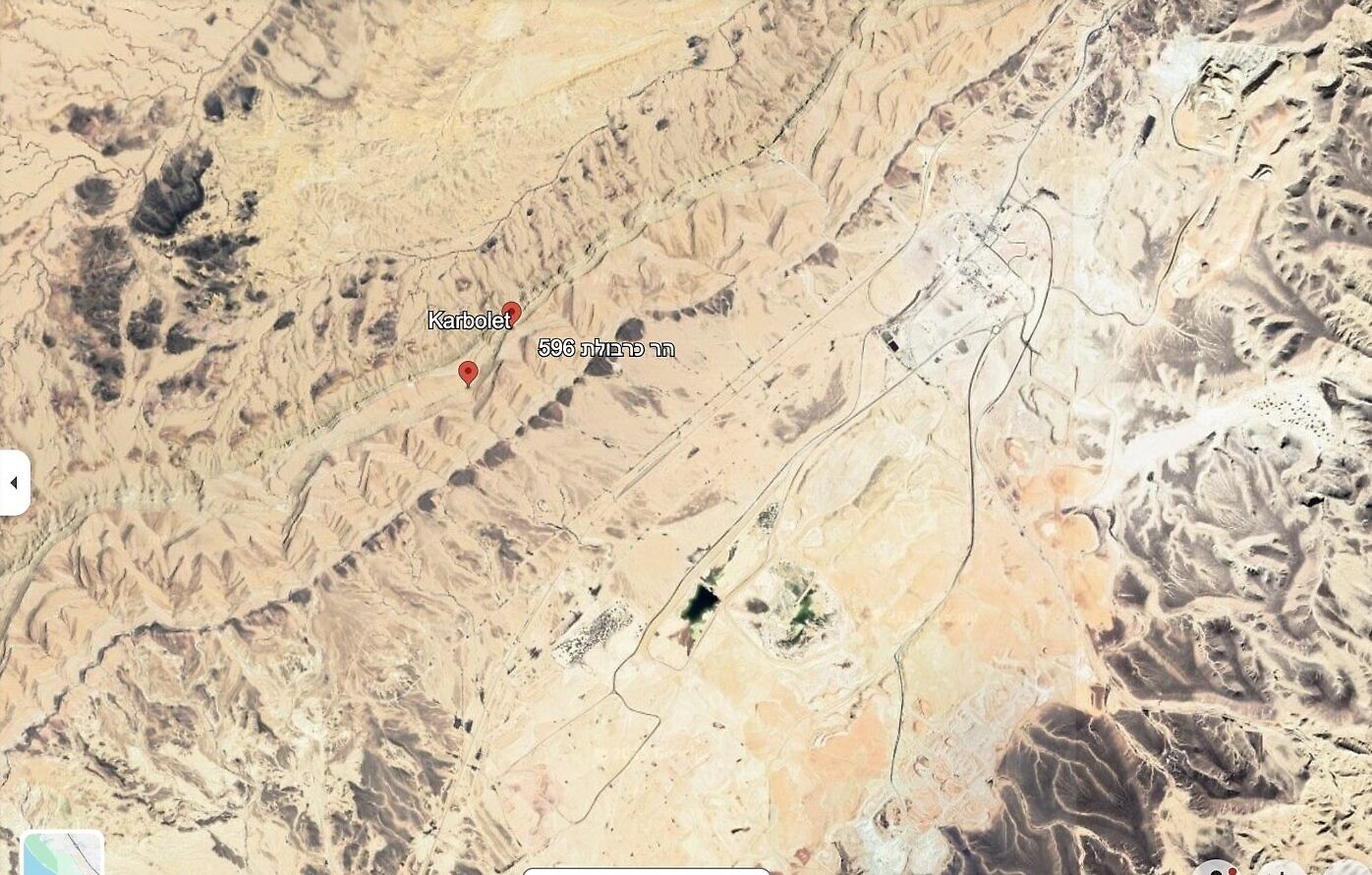
The idea is to build the solar field in segments, as ICL Rotem exhausts one area, rehabilitates it, and then moves on to the next.
“The site is located in an area saturated with infrastructure, mining and quarrying, a natural gas pipeline, a power line corridor, a water line, regional roads, and a railroad,” participants were told.
Two regional roads cross the sites, and a freight railway is expected to be upgraded in the future as part of a rail route to Eilat on the Red Sea.
The ILA emphasized that, although nature reserves bordered both blocks of land, there was no overlap or interference with the ecological corridors through which animals passed.
The environmental and landscape impact was “limited” compared to other possible locations, which had either not been disturbed or were being farmed, the ILA asserted. However, it did not present any alternatives.
The ILA said the project’s enormous scale would bring significant economic benefits and would be built in stages, starting with 20,000 dunams (7.7 square miles) that would produce 2,000 megawatts, or two gigawatts, of power.
The ultimate goal would be to generate 10 gigawatts out of the 16 gigawatts needed to reach the 30% target.
The ILA cited an estimate by the National Economic Council that using large land sites in the southern part of the country for solar energy had the potential to save the economy NIS 10 billion ($3 billion), even taking into account the cost of establishing the transmission network from the Negev to central Israel, where the bulk of electricity consumption takes place.
The Energy Ministry, it said, had determined that it would be less costly to produce solar electricity in a remote facility than to use natural gas or to generate solar energy in cities, close to the point of consumption. This assessment took into account the costs of the transmission network and losses of electricity along the cables from the country’s south to its center.
It would be less costly to produce solar electricity in a remote facility than to use natural gas or to generate solar energy in cities, close to the point of consumption
An Energy Ministry spokesman told The Times of Israel that the ministry supported the project.
The Environmental Protection Ministry, however, struck a note of caution, saying it supported renewable and clean energy alongside “balanced planning” that would preserve open and agricultural areas, biodiversity, and unique and sensitive areas such as the Oron-Zin region.
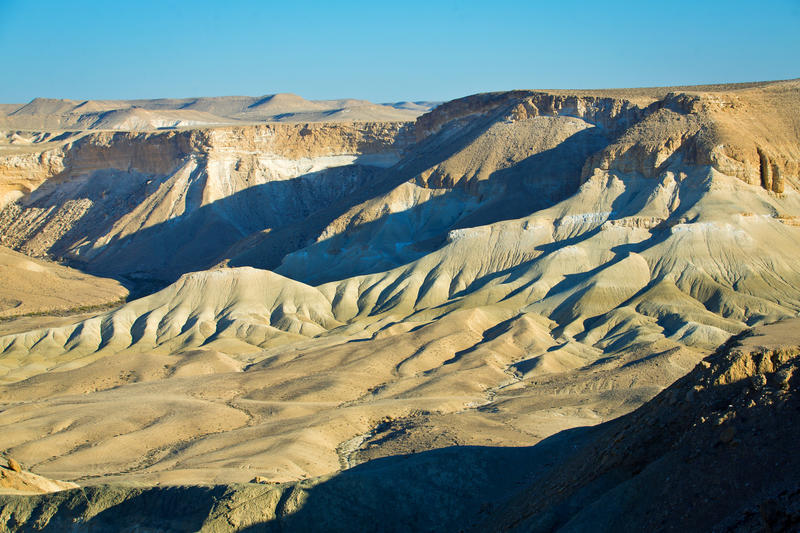
It noted that the proposed site was located in the heart of the “land of craters,” a region the government considered of national and international importance. It warned that such a massive piece of infrastructure could cause “serious and irreversible damage.”
A statement said, “The ministry believes that before promoting such a project, a broad strategic review is required, which includes the formulation of a national energy policy, examination of alternatives, a comprehensive environmental assessment, and a systemic view of the electricity sector. The project cannot be treated as a single-site plan.”
‘The project cannot be treated as a single-site plan’
Among local authorities, Dimona Mayor Benny Biton strongly supports the project and the jobs it could generate.
However, Eran Doron, who heads the Ramat Hanegev Regional Council in which Oron and Ziv are located, urged those pushing the plan to “act with great caution because this is one of the most beautiful landscape assets in the State of Israel, and the Negev in particular.”
The council says it will oppose the plan unless it brings direct benefits to the region, and also says it will fight against the location of large power lines through the Zin Valley.
‘This is a project with environmental impacts of a magnitude not seen before in Israel or the world’
The Israel Nature and Parks Authority echoed the Environmental Protection Ministry, saying, “This is a project with environmental impacts of a magnitude not seen before in Israel or the world, and it therefore requires a national policy and a comprehensive vision and an examination of the impacts. The Authority will take part in the planning process to ensure that the decisions made are right regionally and nationwide.”
The Southern District Planning Committee opposes the plan for the “significant and irreversible damage” it will cause.
If the plan is approved — the planning stage is expected to last through December 2027 — billions of dollars will be required to connect the solar field to the national grid.

The Times of Israel Community.