

Sanae Takaichi chosen as Japan’s first female prime minister
Ultraconservative’s policies include stronger military and economy, revising Japan’s pacifist constitution, and even measures against women’s advancement
 Add ToI as a Preferred Source on Google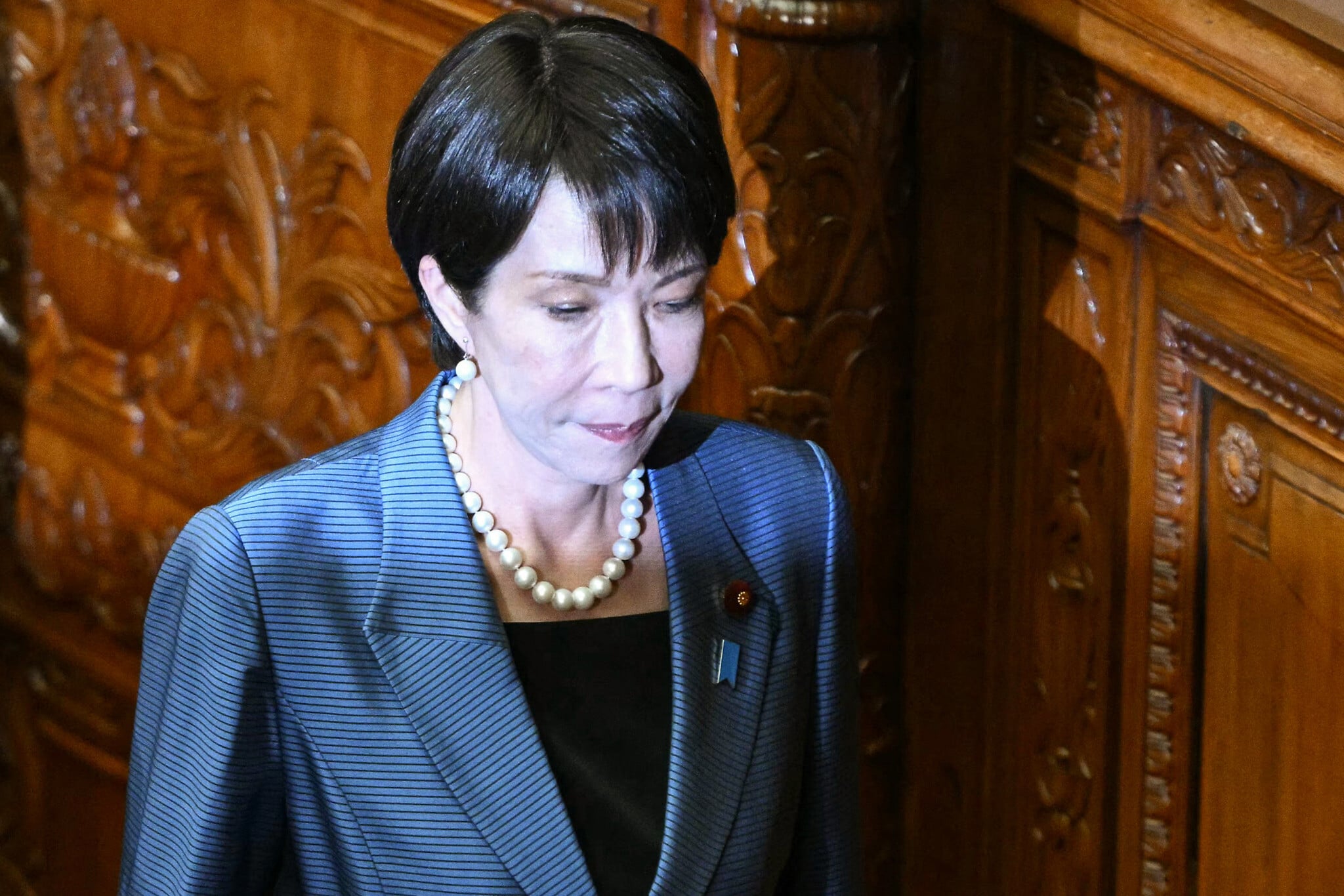
TOKYO, Japan (AP) — Japan’s parliament elected ultraconservative Sanae Takaichi as the country’s first female prime minister Tuesday, a day after her struggling party struck a coalition deal with a new partner expected to pull her governing bloc further to the right.
Takaichi replaces Shigeru Ishiba, ending a three-month political vacuum and wrangling since the Liberal Democratic Party’s disastrous election loss in July.
Ishiba, who lasted only one year as prime minister, resigned with his Cabinet earlier in the day, paving the way for his successor.
The LDP’s off-the-cuff alliance with the Osaka-based rightwing Japan Innovation Party, or Ishin no Kai, ensured her premiership because the opposition is not united. Takaichi’s untested alliance is still short of a majority in both houses of parliament and will need to court other opposition groups to pass any legislation – a risk that could make her government unstable and short-lived.
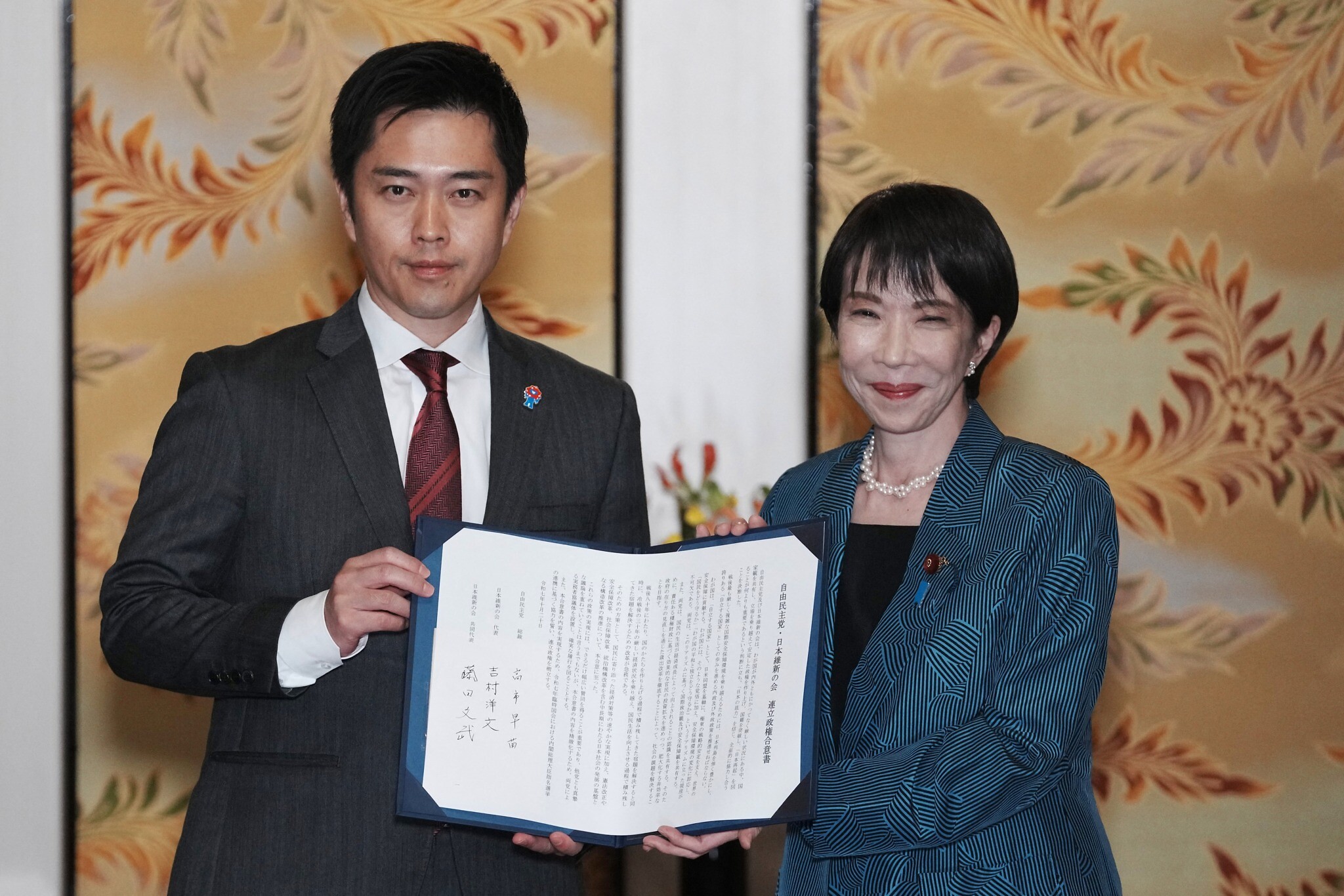
“Political stability is essential right now,” Takaichi said at Monday’s signing ceremony with the JIP leader and Osaka Gov. Hirofumi Yoshimura. “Without stability, we cannot push measures for a strong economy or diplomacy.”
The two parties signed a coalition agreement on policies underscoring Takaichi’s hawkish and nationalistic views.
Their last-minute deal came after the Liberal Democrats lost its longtime partner, the Buddhist-backed Komeito, which has a more dovish and centrist stance. The breakup threatened a change of power for the LDP, which has governed Japan almost uninterrupted for decades.
Later in the day, Takaichi, 64, will present a Cabinet with a number of allies of LDP’s most powerful kingmaker, Taro Aso, and others who backed her in the party leadership vote.
JIP will not hold ministerial posts in Takaichi’s Cabinet until his party is confident about its partnership with the LDP, Yoshimura said.
Takaichi is running on deadline — a major policy speech later this week, talks with US President Donald Trump and regional summits. She needs to quickly tackle rising prices and compile economy-boosting measures by late December to address public frustration.
While she is the first woman serving as Japan’s prime minister, she is in no rush to promote gender equality or diversity.
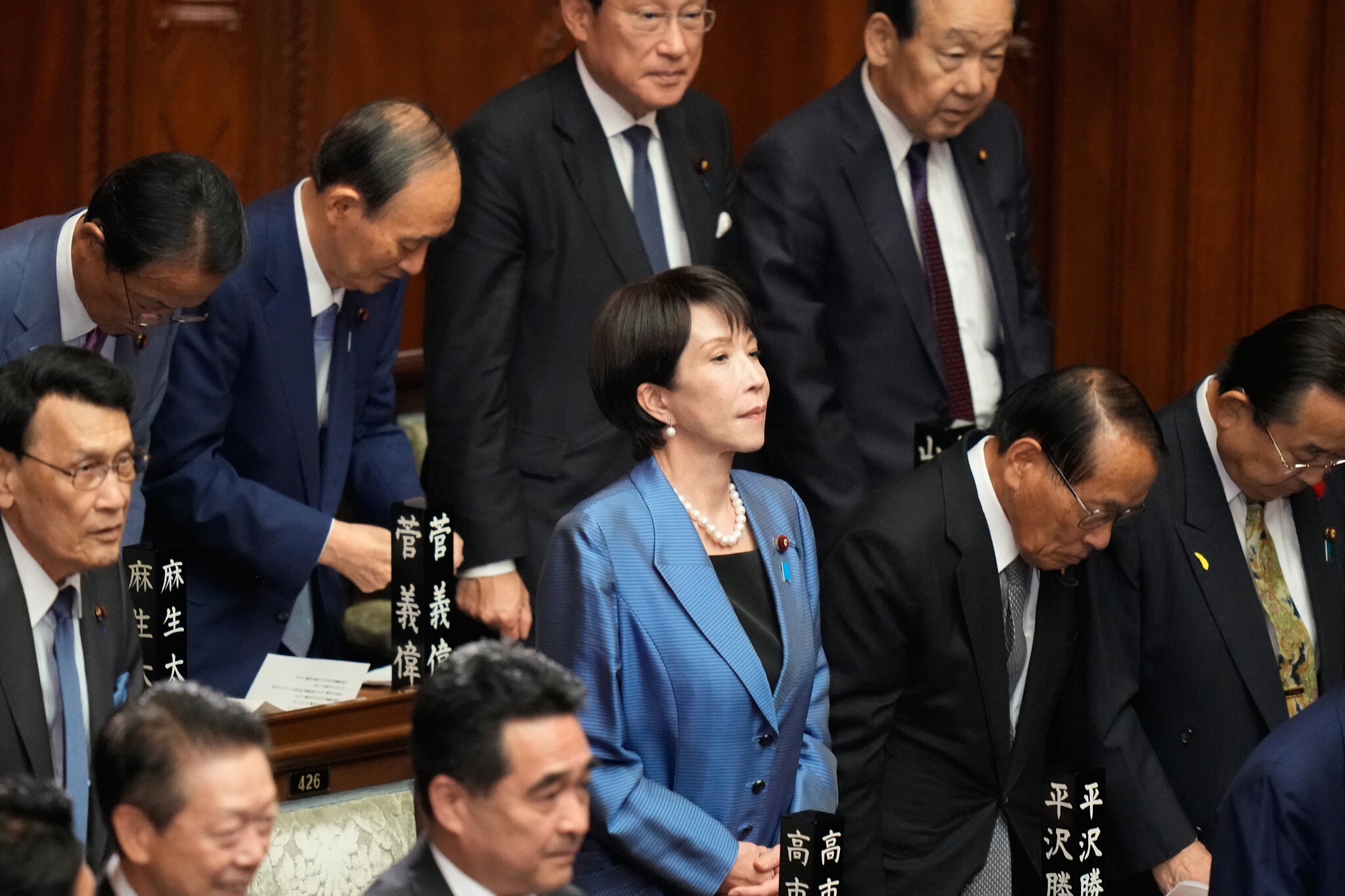
Takaichi is among Japanese politicians who have stonewalled measures for women’s advancement. Takaichi supports the imperial family’s male-only succession and opposes same-sex marriage and allowing separate surnames for married couples.
A protege of assassinated former prime minister Shinzo Abe, Takaichi is expected to emulate his policies including stronger military and economy, as well as revising Japan’s pacifist constitution. With a potentially weak grip on power, it’s unknown how much Takaichi would be able to achieve.
When Komeito left the governing coalition, it cited the LDP’s lax response to slush fund scandals that led to their consecutive election defeats.
The centrist party also raised concern about Takaichi’s revisionist view of Japan’s wartime past and her regular prayers at Yasukuni Shrine despite protests from Beijing and Seoul that see the visits as lack of remorse about Japanese aggression, as well as her recent xenophobic remarks.
Takaichi has toned down her hawkish rhetoric. On Friday, she sent a religious ornament instead of going to Yasukuni.










The Times of Israel Community.