

IDF: Strike kills 3 Hezbollah operatives, including one who served in Lebanese army
Italy’s defense minister meets Lebanese President Aoun, says Rome wants its soldiers to stay in Lebanon even after UNIFIL’s mandate ends in 2027
 Add ToI as a Preferred Source on Google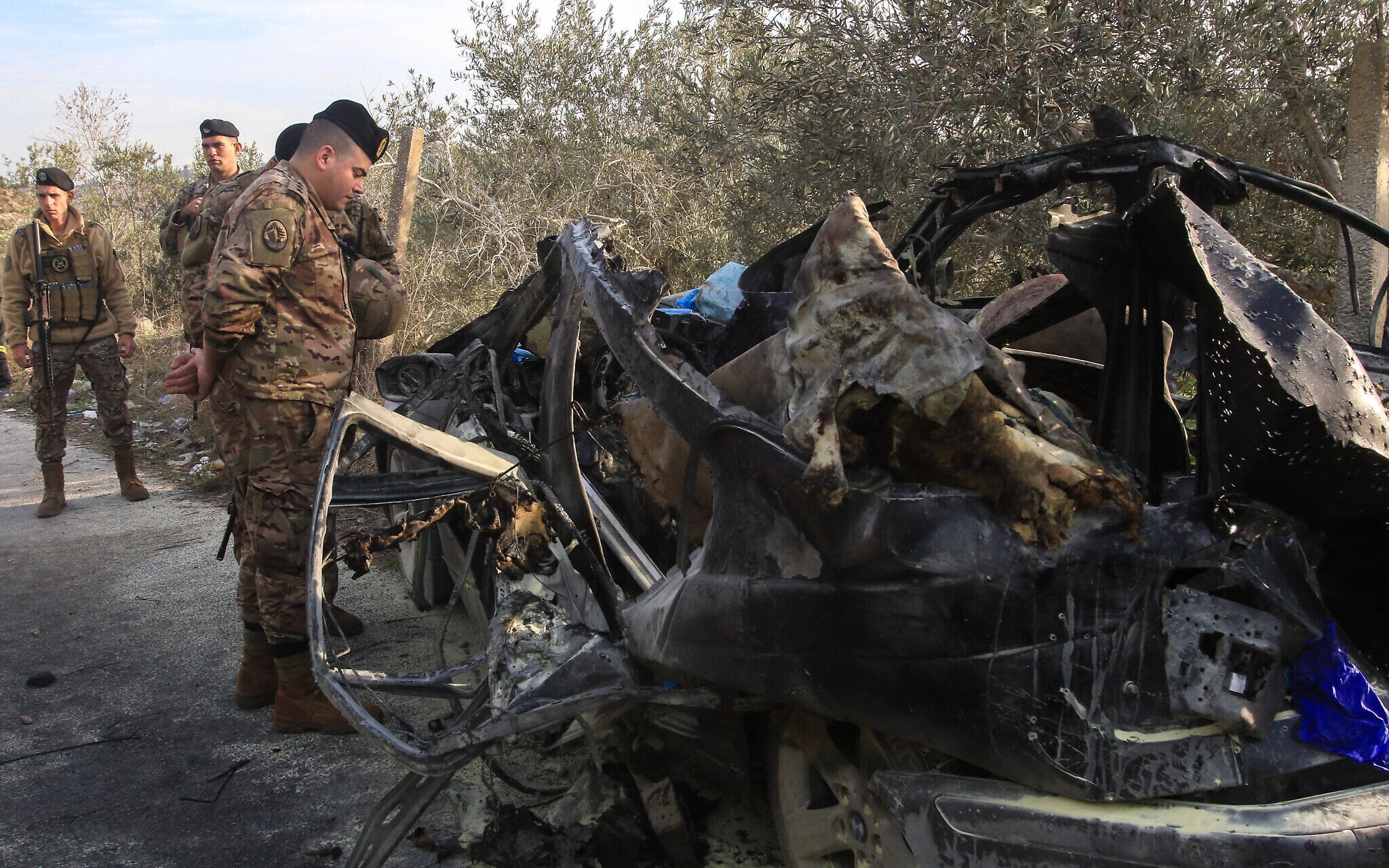
The IDF announced on Tuesday that a drone strike targeting a car near the coastal Lebanese city of Sidon the previous day killed three Hezbollah operatives, including one who also served in the Lebanese army.
The trio was targeted over their efforts to advance attacks against the IDF and their attempts to rebuild Hezbollah infrastructure in the Sidon area, the military said.
The IDF said that one of the three operatives, Ali Abdullah, served simultaneously in the Lebanese army’s intelligence unit. Israel and the US have been heavily pressuring Lebanon to disarm Hezbollah, in accordance with the ceasefire signed in November last year.
Israel has questioned the Lebanese military’s effectiveness and has accused Hezbollah of rearming, while the group itself has rejected calls to surrender its weapons.
“The IDF emphasizes that it is acting against terrorists from the Hezbollah terror organization, who are working to restore terror infrastructure, in serious violation of the understandings between Israel and Lebanon,” the army said.
One of the other two operatives was involved in Hezbollah’s air defenses in Sidon, the IDF added. The Lebanese state-run National News Agency said the strike was carried out by an Israeli drone around 10 kilometers (six miles) from Sidon.
צה״ל ממשיך בסיכולים ממוקדים בדרום לבנון: חוסלו שלושה מחבלי חיזבאללה ובהם מחבל ששירת במקביל ביחידת המודיעין של צבא לבנון ומחבל אשר עסק בהגנה אווירית בגזרת צידון
צה״ל תקף וחיסל אתמול שלושה מחבלים מארגון הטרור חיזבאללה, שפעלו לקידום מתווי טרור נגד כוחות צה״ל ועסקו בניסיונות שיקום… pic.twitter.com/mxIstiM5gt
— צבא ההגנה לישראל (@idfonline) December 23, 2025
Israel has kept up regular strikes on Lebanon, usually saying it is targeting Hezbollah infrastructure or operatives violating the November 2024 ceasefire.
It has also kept troops in five south Lebanon locations that it deems strategic.
Under the international pressure, and in light of fears of expanded Israeli strikes, Lebanon has committed to disarming Hezbollah and plans to do so south of the Litani River, about 30 kilometers (about 18.5 miles) from the border with Israel, by year’s end.
The latest strikes came after Lebanese and Israeli civilian representatives on Friday took part in a meeting of the ceasefire monitoring committee for a second time, having held their first direct talks in decades earlier this month, also under the committee’s auspices.
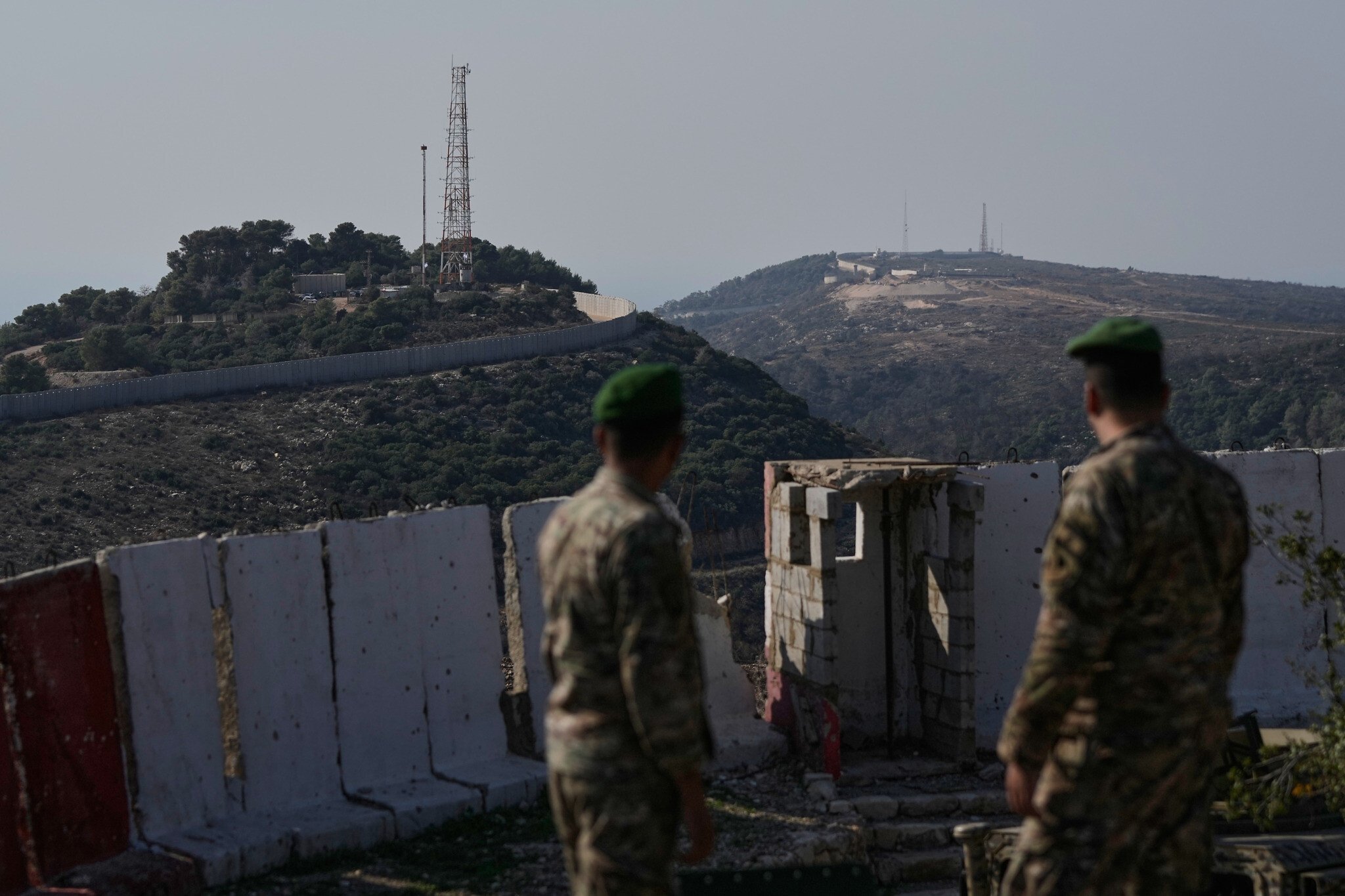
The committee comprises representatives from Lebanon, Israel, the United States, France, and the United Nations Interim Force in Lebanon (UNIFIL).
Israel said Friday’s meeting was part of broader efforts to ensure Hezbollah’s disarmament and strengthen security in border areas.
‘Days away’
Lebanese President Joseph Aoun said Monday that the goal of the negotiations was to “stop the hostilities, achieve Israel’s withdrawal, return prisoners held in Israel, and return southern residents to their villages.”
“Lebanon awaits positive steps from the Israeli side,” Aoun told visiting Italian Defense Minister Guido Crosetto on Monday, a presidency statement said.
In a separate statement, Crosetto said that “even after UNIFIL, Italy will continue to do its part, supporting with conviction the international presence and supporting the capacity development of the Lebanese armed forces.”
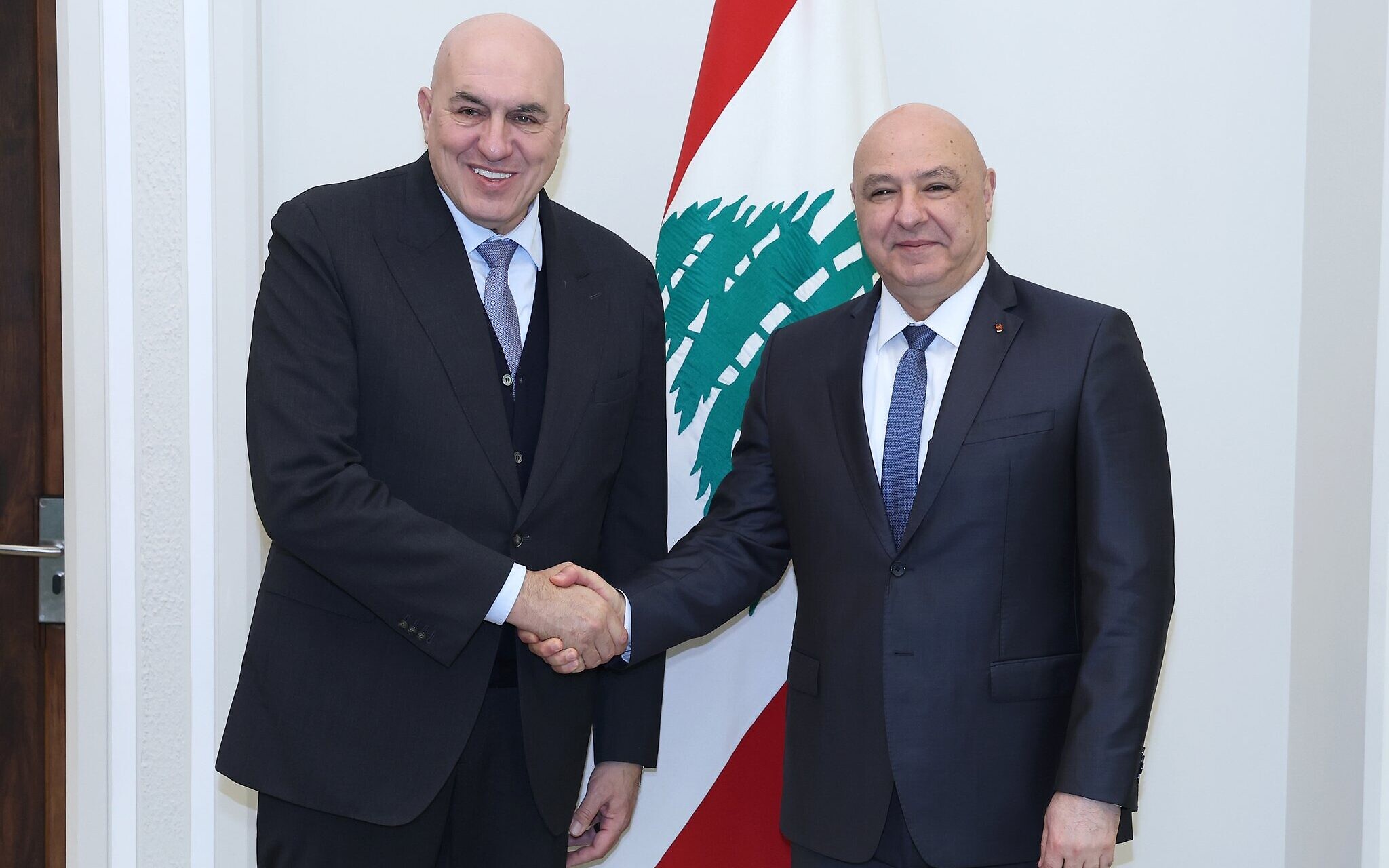
Asked by AFP if this meant Italy wanted to maintain a military presence in the country, a ministry spokesman confirmed that was the case.
UNIFIL has acted as a buffer between Israel and Lebanon since 1978, but the UN Security Council voted in August to withdraw the peacekeepers in 2027.
Israel has long argued that the observer force has failed in its mission, doing little to block Hezbollah from building up its forces near the Israeli border over decades, as required under UN Security Council Resolution 1701, which ended the 2006 war between Israel and Hezbollah, and formed the basis of the November 2024 ceasefire with the Iran-backed terror group.
Aoun said Lebanon “welcomes the participation of Italy and other European countries in any force that takes the place” of UNIFIL.
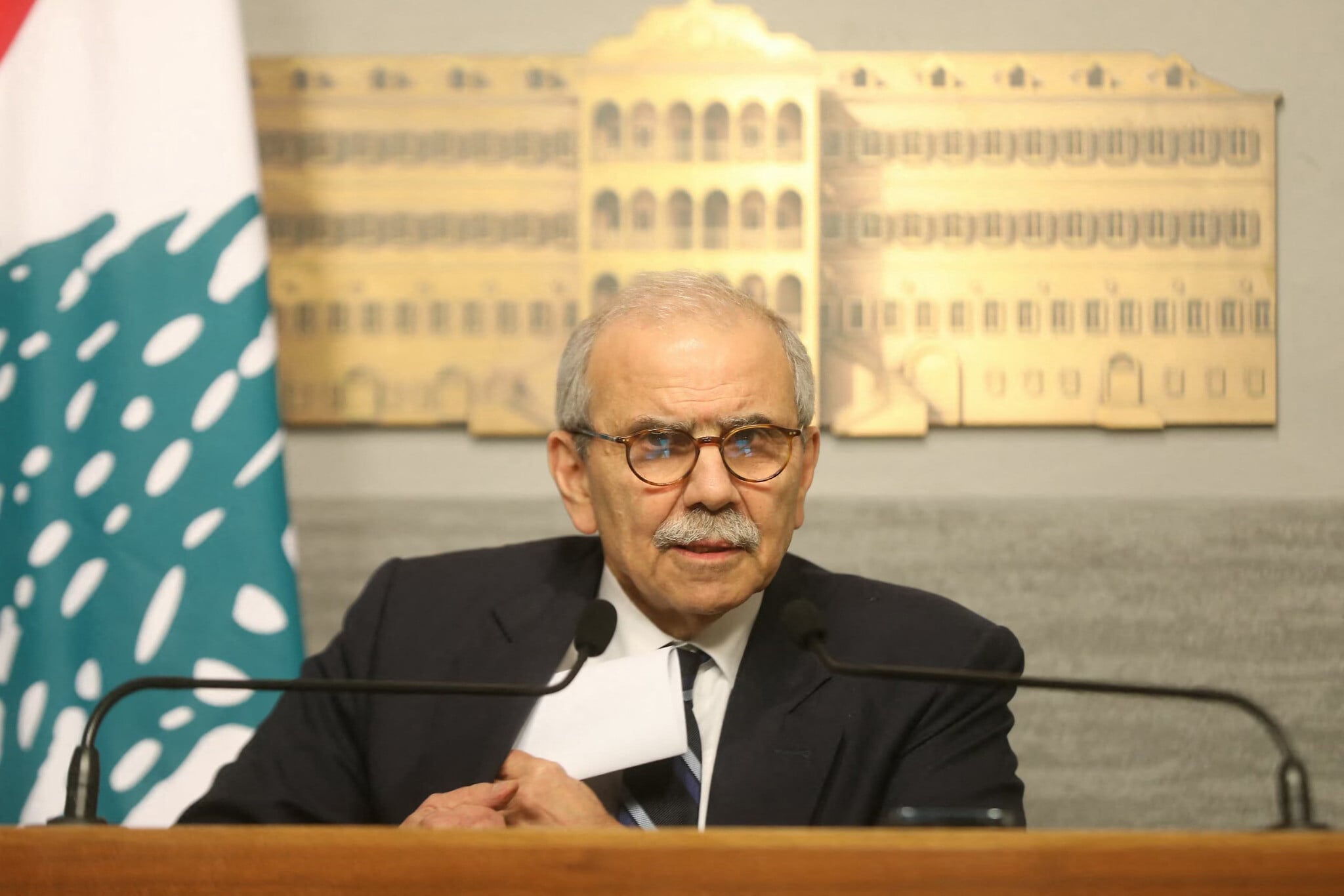
On Saturday, Prime Minister Nawaf Salam said the first phase of the plan to restrict weapons to the state south of the Litani River was “days away from completion,” according to a statement from his office.
“The state is ready to move to the second phase, north of the Litani River, based on the plan prepared by the Lebanese army,” he added.
The US-brokered ceasefire with Hezbollah came after two months of open conflict in Lebanon, including an IDF ground operation in the country’s south, in a bid to enable the safe return of some 60,000 residents of northern Israel displaced by the terror group’s near-daily attacks. The rocket attacks began on October 8, 2023 — a day after fellow Iran-backed terror group Hamas invaded southern Israel, sparking the war in Gaza.
Since the ceasefire, the IDF said it has killed over 380 Hezbollah operatives and members of allied terror groups in strikes, hit hundreds of Hezbollah sites, and conducted over 1,200 raids and other small operations in southern Lebanon.






The Times of Israel Community.