

Trump’s turn to Iran talks could mean he wants out — or he might have a surprise in store
Amid reports US is weighing ‘final blow’ battle options, with troops on the way, Washington’s rush to diplomacy may be yet another cover for planned escalation

 Add ToI as a Preferred Source on Google
Nava Freiberg is The Times of Israel's deputy diplomatic correspondent.
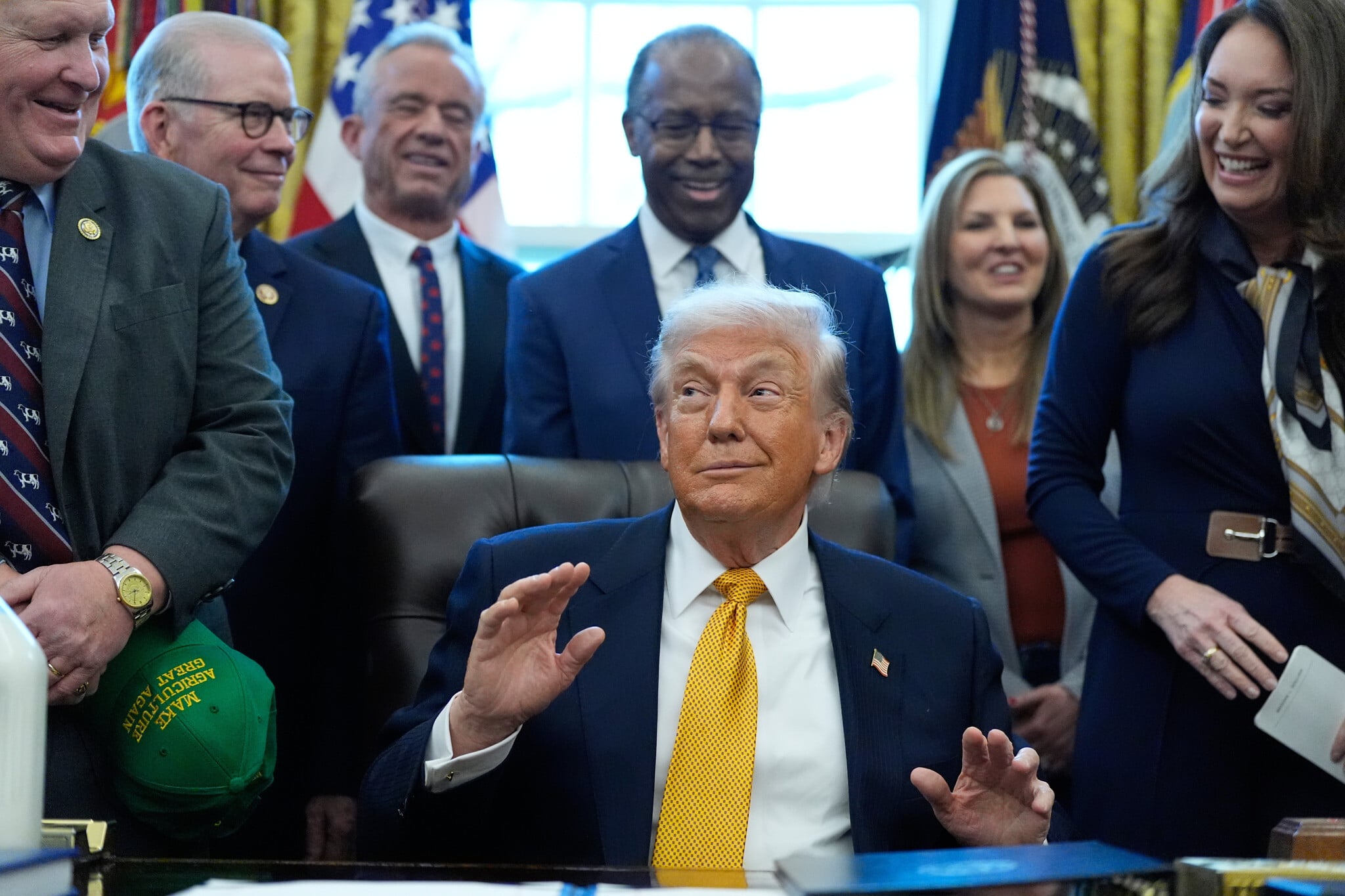
US President Donald Trump took the world — including Israel, it seems — by surprise when he announced on Monday that his administration had begun “very good” talks with Iran on ending the US-Israeli war on the Islamic Republic.
After three weeks of relentless airstrikes targeting top regime figures and key military infrastructure — and just a day after delivering a deadline for Iran to open the Strait of Hormuz — the president reversed course, saying he was holding off on strikes on Iran’s major energy infrastructure while talks continued.
The move sparked concern in Jerusalem that the president would force a premature halt to the fighting — and not without precedent.
But this week’s talks may not be about reaching a deal at all.
While Washington is likely open to accepting an agreement that extracts the major concessions it is demanding from Iran, the negotiations could well serve a broader strategic purpose: easing economic pressure and destabilizing the regime, all while buying time to prepare for a more decisive escalation.
Justified fears
In the past year, Trump has twice closed swift deals to halt military campaigns, catching Israel off guard.
Last May, Trump reached a surprise deal with the Houthis in Yemen that effectively restored the status quo in the Red Sea that existed before a seven-week US bombing campaign. The agreement — which reportedly came with no prior warning to Jerusalem — ended attacks on US vessels, which had anyway ceased, but allowed the Houthis to keep shooting at Israel and others using the waterway.
And at the end of Israel’s 12-day war with Iran last June, which the US ultimately joined, Jerusalem briefly promised to “forcefully strike the heart of Tehran” in reaction to an Iranian missile attack that defied a fresh ceasefire brokered by Trump. The president’s response was to publicly berate Israel and force it to turn its planes around.
With the current Iran war again weighing on Trump’s political prospects and economic agenda, his domestic allies have been pushing for an exit strategy.
Trump’s approval rating fell in recent days to its lowest point since he returned to the White House, hit by the surge in fuel prices caused by Iran’s efforts to block the Strait of Hormuz, a key conduit for oil, and general disapproval of the war. Americans’ views on Trump have soured significantly with regard to his stewardship of the economy and the cost of living.
At the same time, key US partners in the Middle East, such as Turkey, have stepped up efforts to find a diplomatic way out of the fighting, creating an offramp that could work for Trump, even if not for Israel.
On Wednesday, Trump insisted that Iran has been negotiating with his administration and “badly” wants a deal, hours after his press secretary said the US was “very close” to achieving its core objectives in the bombing campaign.
Jerusalem is reportedly concerned that Trump will announce a ceasefire with Iran as early as this coming Saturday, which will mark the fourth week of the campaign for which the US initially set a four-to-six week timeline.
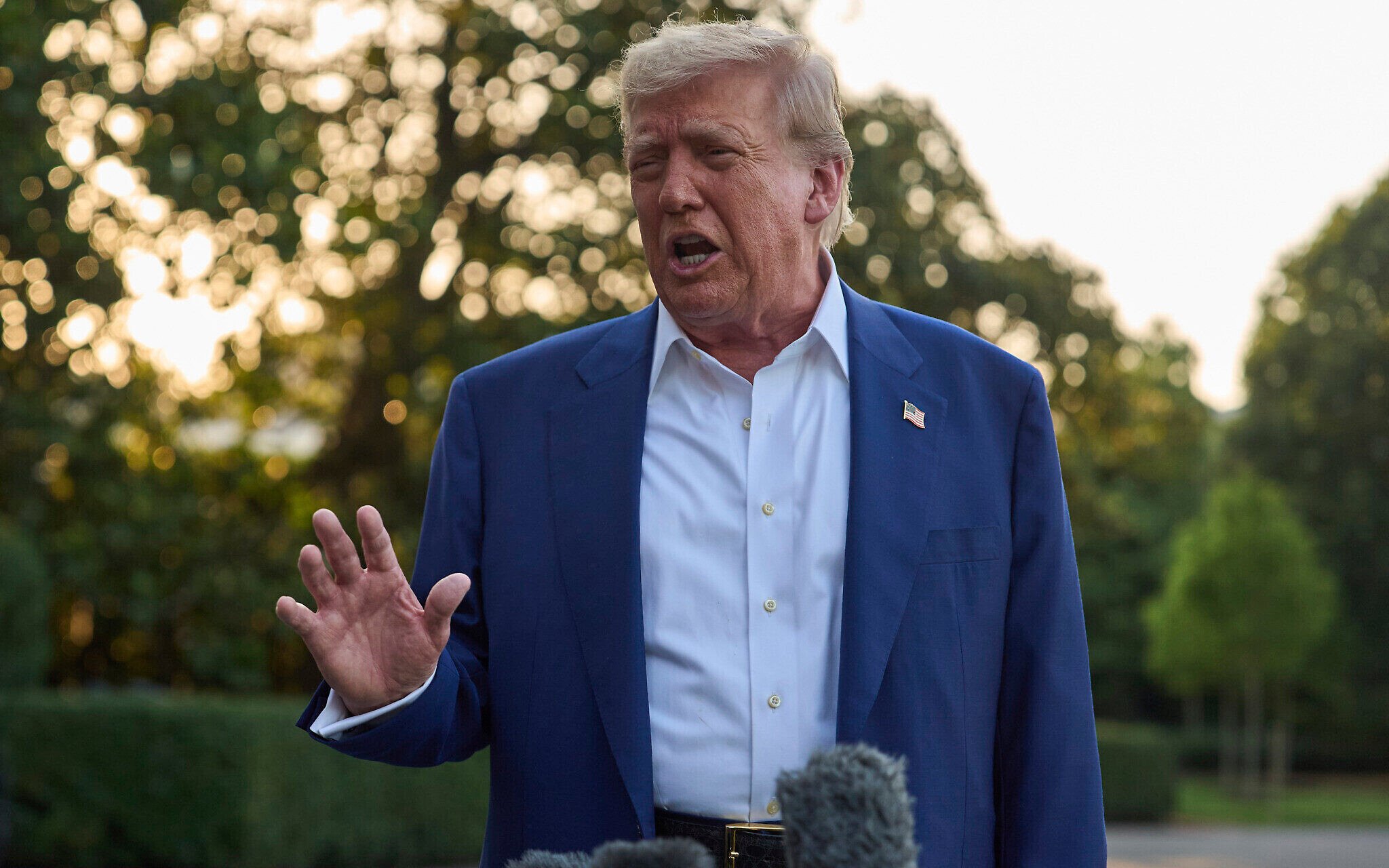
But on Thursday, Trump sounded more skeptical, saying, “I don’t know if we’ll be able” to reach an agreement. Later Thursday, he extended his ultimatum until April 4 — giving more time for a deal, delaying the threatened US strikes on Iranian energy sites, but also enabling the military campaign to continue.
However optimistic the US is about its diplomatic efforts, Washington’s 15-point proposal for ending the war has elicited a cold public response from Tehran. A senior Iranian official told Reuters Thursday that it was “one-sided and unfair.”
An Israeli official expressed skepticism to The Times of Israel that Iran will agree to the framework.
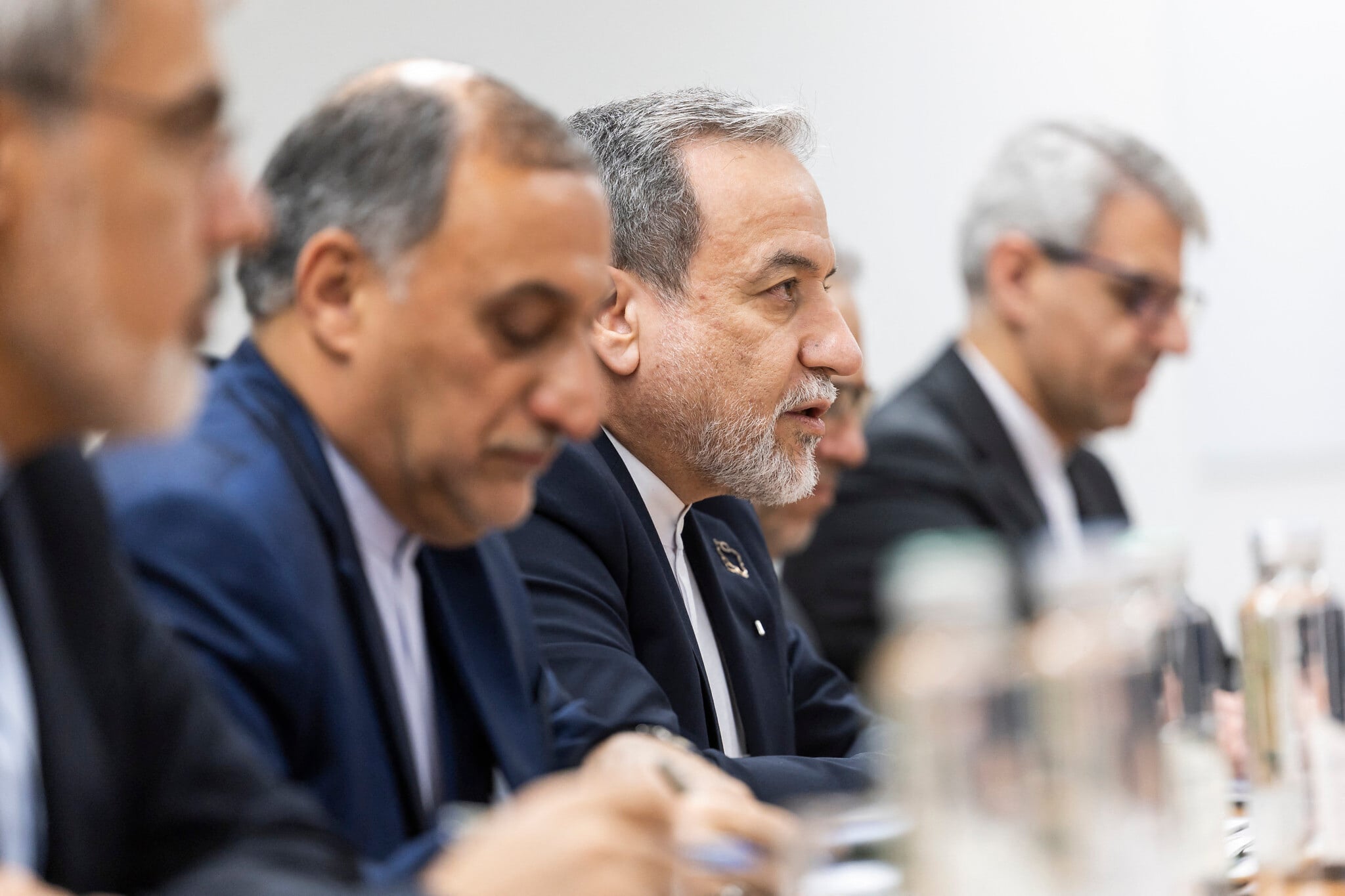
For its part, Iran is said to be insisting on formal control of the Strait of Hormuz, the closure of US bases in the region, the removal of all sanctions, an end to fighting against Hezbollah, and reparations for damage caused by the war, while rejecting limits on its missile program.
Iran’s stubbornness only further begs the question: If a deal is so unlikely, why pause the threatened strikes on those key Iranian energy assets? The answer may lie in what the talks themselves are meant to achieve.
Ulterior motives
As surprising or worrisome as Trump’s move on Monday was, Israel should not necessarily panic just yet. The president has several conceivable reasons to pursue a diplomatic off-ramp at this moment — or at least to make Iran think he is.
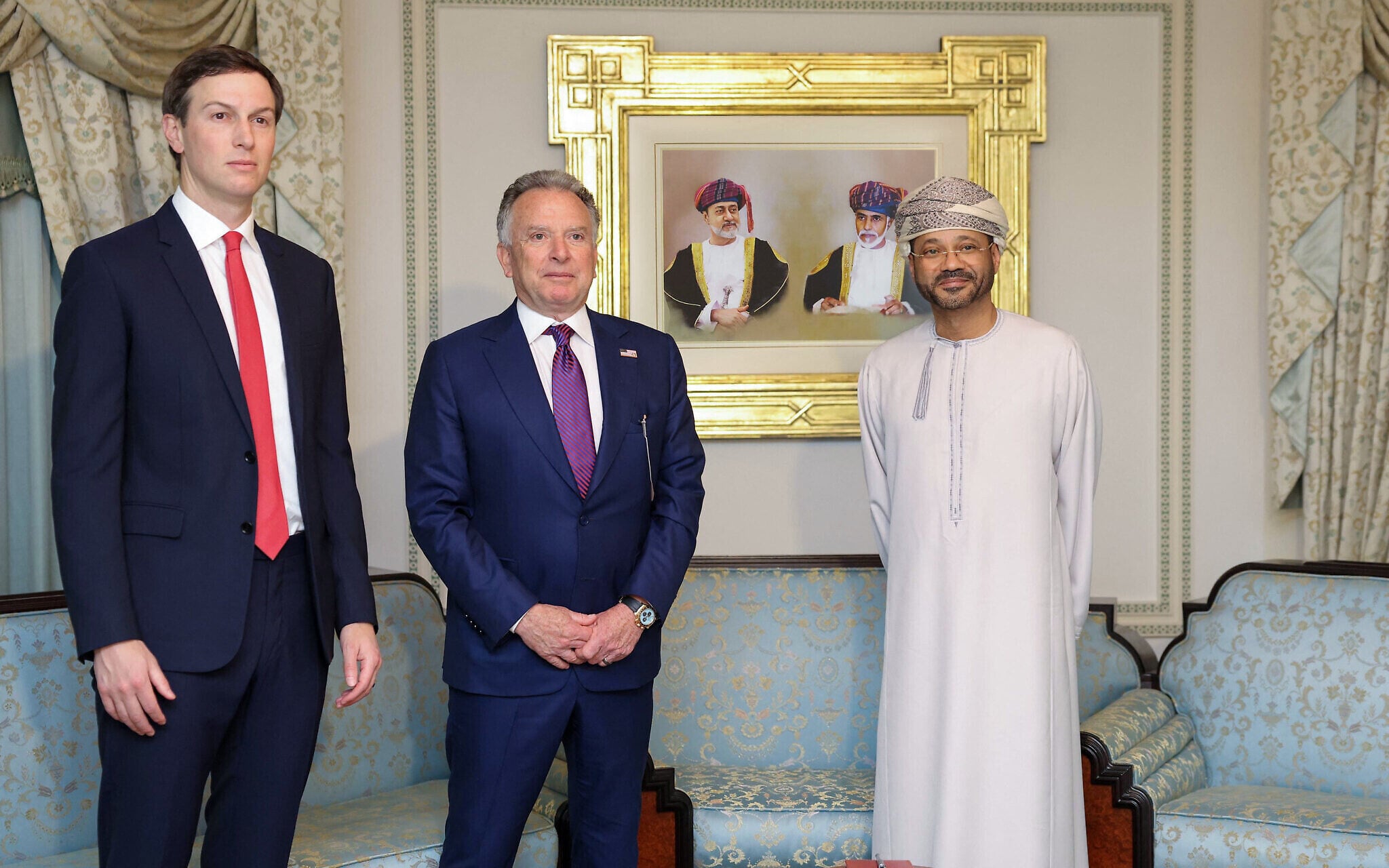
If White House envoys Steve Witkoff and Jared Kushner succeed in getting the demanded concessions from Tehran in a deal, it would represent a victory in the war for both Washington and Israel. But such a deal appears vanishingly unlikely.
Trump’s interest in the talks may, therefore, have less to do with the outcome than with their utility. The mere existence of negotiations already serves several US interests.
Firstly, the opening of negotiations and the delay in escalation have helped bring down oil prices.
Secondly, the administration may have anticipated that Tehran would refuse to make the necessary concessions, allowing Washington to demonstrate that Iran is unwilling to compromise and thereby justifying further escalation.
Thirdly, the ambiguous nature of the talks — including with whom exactly Washington is speaking — may be creating suspicion and division within the battered ad hoc leadership in Tehran.
Another Trump trick
Finally, the talks could be another Trumpian ruse, bigger and bolder than his previous ones.
Though Trump came to quick and imperfect deals with the Houthis and Iran last year, he also approved the strikes that launched the June 2025 war and the 2026 war while in the midst of talks with Iran.

While posturing about talks continues this week, thousands of US troops are on their way to the Gulf. Perhaps more than he sincerely hopes for a deal, Trump is buying time for Marines and Airborne troops to arrive in the region, hoping to force a reopening of Hormuz or the capture of strategic Iranian islands.
That scenario is so plausible that Tehran itself was said to doubt the sincerity of the talks. Iranian officials told mediating countries — Pakistan, Egypt, and Turkey — that after having been caught off guard twice by Trump, they “don’t want to be fooled again,” a source with direct knowledge told Axios on Tuesday.
Trump being Trump, it’s difficult to predict his motives. Has he lost interest in this conflict and is seeking an exit, or is he positioning himself for a more forceful move to defeat those who defy him?
Iranian officials told mediating countries — Pakistan, Egypt, and Turkey — that after having been tricked twice by Trump they ‘don’t want to be fooled again.’
Whatever he’s up to, with each passing day, the US appears to move closer to another potential escalation.
Axios reported Thursday that Washington is considering several options for a “final blow” to Iran that could see American ground troops deployed on Iranian soil, as well as a major bombing effort.
Trump has not decided on any of the courses of action, sources told Axios.
The report came as sources familiar with US intelligence told CNN that Iran was raising military defenses on Kharg Island in anticipation of a possible US operation to seize the territory.
The US recently deployed 1,000 paratroopers from the 82nd Airborne Division and 5,000 Marines toward the Gulf, with the Marines traveling on the USS Tripoli, an assault ship that could play a key role in a potential attack on Kharg Island, according to an NBC report.
Iranian parliament speaker Mohammad Bagher Ghalibaf explicitly warned this week that Tehran is preparing for such an assault, writing on X that “based on some intelligence reports, Iran’s enemies are preparing to occupy one of the Iranian islands with support from one of the regional states.
“Our forces are monitoring all enemy movements, and if they take any step, all the vital infrastructure of that regional state will be targeted with relentless, unceasing attacks,” he said.
Whether Israel’s fears of a premature halt will be realized, or Iran’s fears of deception are confirmed, remains unclear — but as talks drag on and military preparations accelerate, the trajectory points less toward resolution than toward a decisive next phase.
Lazar Berman and Times of Israel staff contributed to this report.






The Times of Israel Community.