

Turkish, Egyptian FMs say Israel breaching ceasefire daily; Ankara urges US to step in
At Doha diplomatic meet, Fidan says Indonesia, Azerbaijan, others want to see Ankara join international force despite Israeli veto; Abdelatty urges deployment of peacekeepers ASAP
 Add ToI as a Preferred Source on Google
Jacob Magid is The Times of Israel's US bureau chief
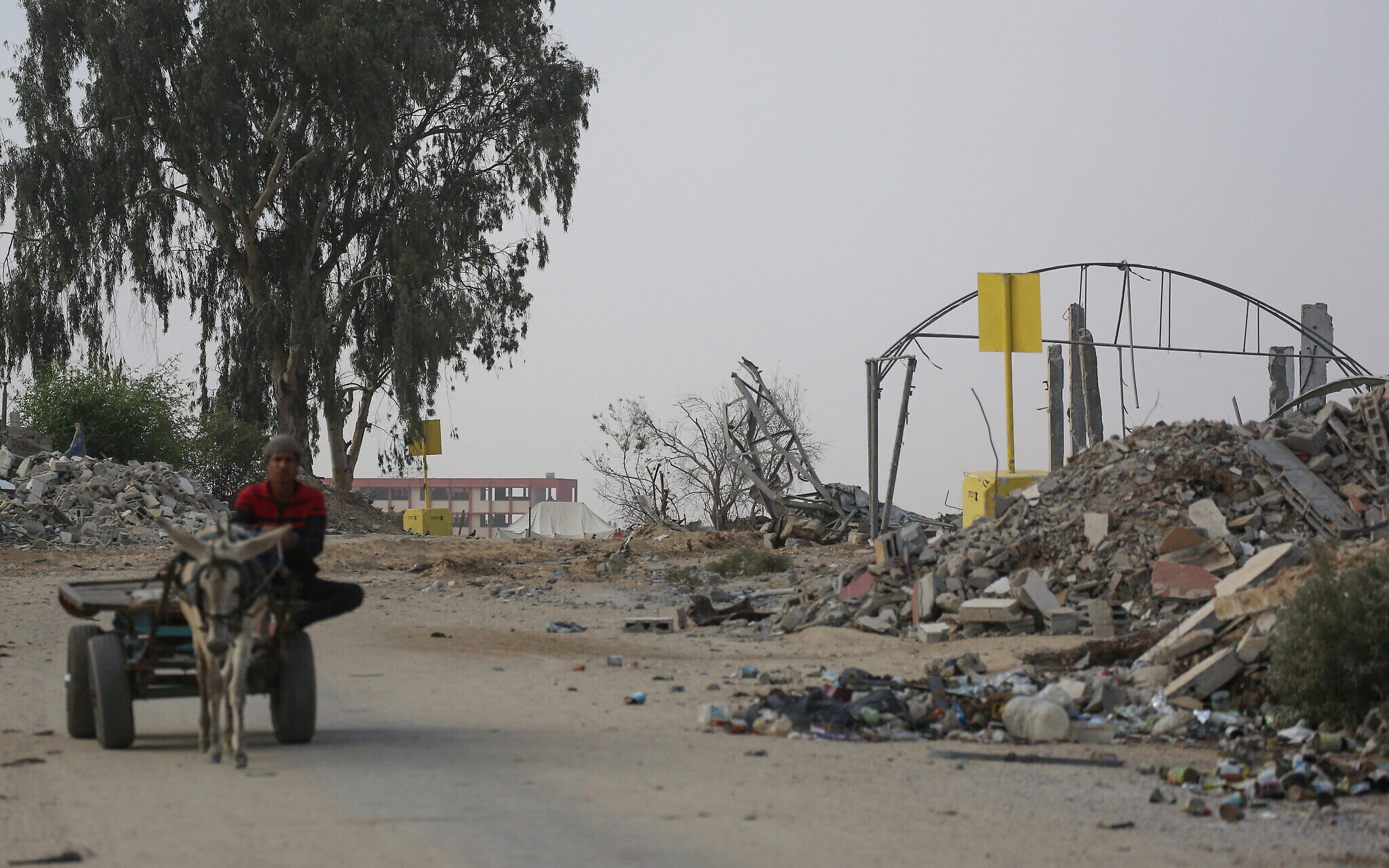
DOHA — Turkey and Egypt accused Israel of daily breaches of the ceasefire in Gaza, with Ankara’s foreign minister saying that US President Donald Trump will have to intervene if Washington doesn’t want its truce to collapse.
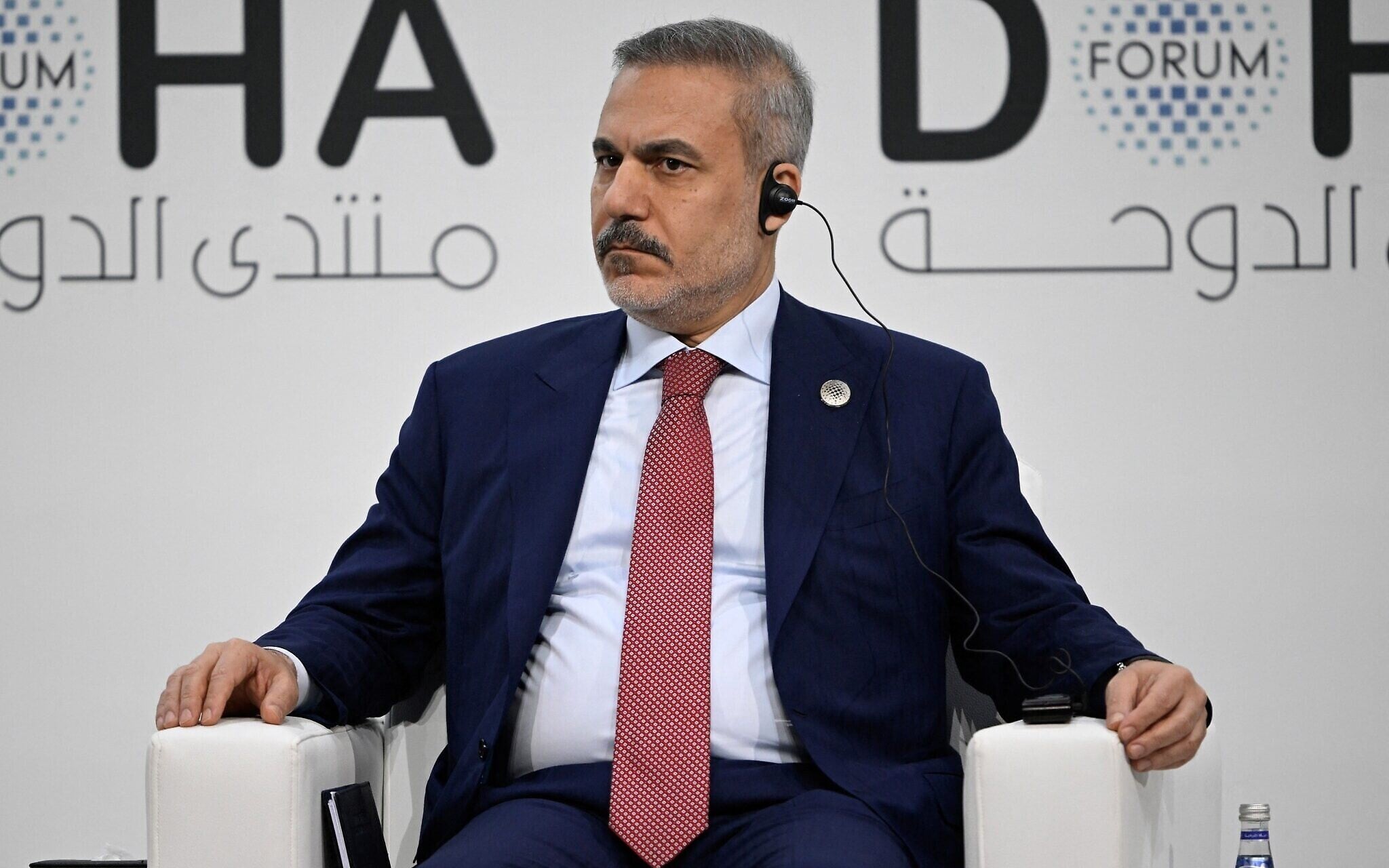
Speaking during an onstage interview at the Doha Forum in Qatar, Foreign Minister Hakan Fidan said Trump should have a “very substantial conversation” with Prime Minister Benjamin Netanyahu about the matter.
“If they don’t intervene, I’m afraid that there is a risk that the plan can fail because of the daily violations of the ceasefire by the Israelis,” Fidan said. Neither he nor his Egyptian counterpart addressed violations by Hamas.
While the US is looking to solve the issue of Hamas disarmament in the coming weeks, Fidan argued that the priority should be deploying the International Stabilization Force (ISF) along the Yellow Line in Gaza to separate Israeli forces from terror group operatives in order to stop the near-daily deadly clashes.
Fidan echoed the Egyptian foreign minister’s earlier remarks at the confab, in which he urged the deployment of peacekeeping forces in Gaza to put an end to Israel’s alleged breaches.
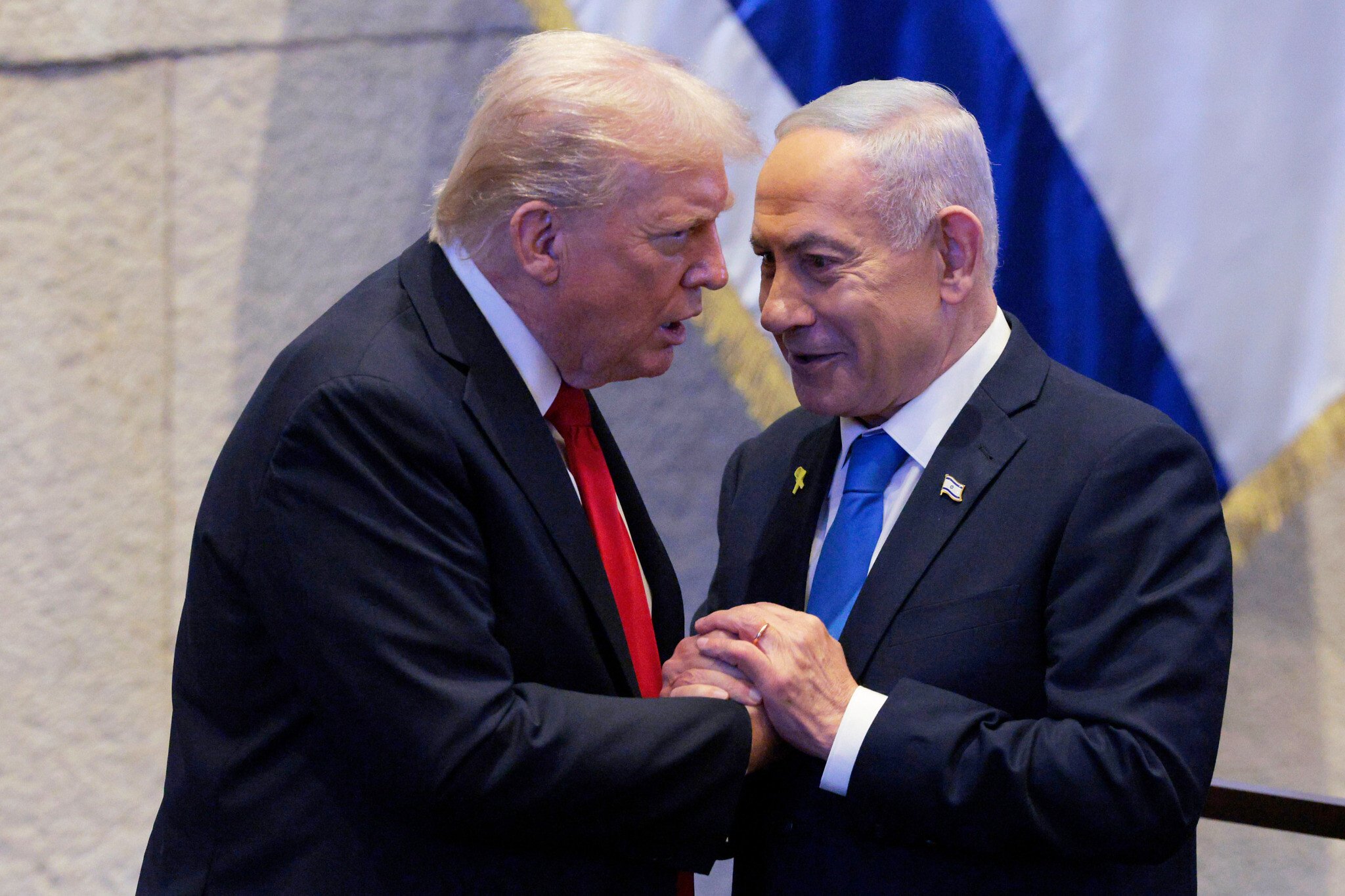
“I think [Trump] is going to have a good discussion with Netanyahu before the end of the year,” Fidan said, suggesting that Trump will lean hard on Netanyahu when the latter travels to Washington to meet the president in late December.
Israel has insisted that its forces have only responded to violations by Hamas operatives, including the opening of fire on IDF troops. The IDF also says it has shot dead Palestinian suspects who have crossed the ceasefire line and neared troops on an almost-daily basis.
The US is hoping that Hamas will agree in the coming weeks to a process that sees it gradually give up its weapons, but the terror group has not given any indication that it is prepared to do so.
Fidan said that Hamas has just about completely “delivered what they’ve been asked of” by returning all but one of the bodies of deceased hostages. Hamas was supposed to do so within 72 hours of October 10, but the ceasefire agreement did offer some wiggle room for the possibility of it taking longer to find remains buried deep under Gaza’s rubble. Israel has accused the terror group of dragging its feet on the matter.
Fidan acknowledged the veto Israel has been exercising on Turkey being part of the ISF and confirmed The Times of Israel’s reporting that this has upset other potential contributing countries who view Ankara’s presence as somewhat of an insurance policy.
Asked specifically about Indonesia and Azerbaijan, Fidan said, “They want [Turkey] to be part of the ISF because they know that we can play a leading role, and we can make their lives easier in terms of getting more legitimacy and support from the public.”
“Indonesia, Azerbaijan, and some other Muslim and Arab countries that we are working closely with — [Turkish inclusion in the force] is what they want to see, for their troops to be sent,” he claimed.
Turkish FM says US negotiators spread thin, slowing plan’s progress
In soft criticism of the US, Fidan said that US negotiators lack the bandwidth to advance the Gaza deal, which has complicated efforts in transitioning to the plan’s second phase.
“One of the practical problems about this subject is that the people on the US side, who are in charge of mediation of the Gaza file, are also in charge of mediating between Ukraine and Russia,” Fidan said, referring to Trump’s top aides Steve Witkoff and Jared Kushner.
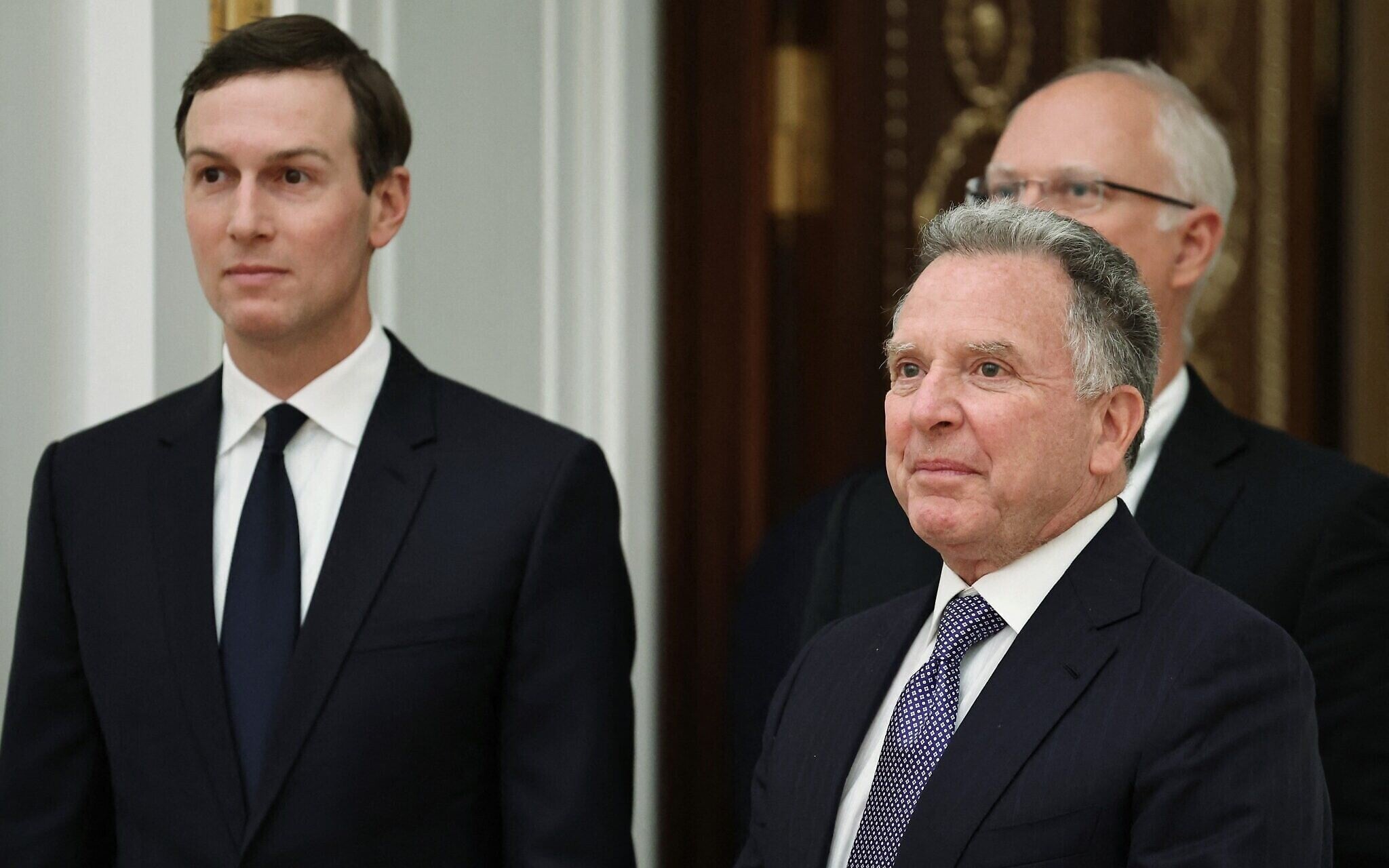
Fidan was careful to praise their efforts while acknowledging that the pair is simply stretched too thin by trying to solve two major conflicts at the same time.
He said that while Turkey doesn’t mind holding the responsibilities of a guarantor to the deal, the actual ceasefire document it signed gives it no such a role, and it is limited in what it can do to maintain the ceasefire since Israel does not allow it to be on the ground in Gaza.
Asked about prominent Palestinian security prisoner Marwan Barghouti’s family’s claim that he has been beaten again by Israeli guards, Fidan lamented that it was one of what he said was “thousands” of cases in which Palestinians are allegedly being tortured in Israeli prisons.
Israel has adamantly denied these claims and asserts that those in its custody are treated according to international law, but an audit conducted by Israel’s own Public Defender’s Office found that Palestinian security prisoners have been held in increasingly dire conditions since October 2023, with many suffering from severe hunger.
Fidan claimed Israel is acting with impunity because it knows “that the international community is helpless in stopping them using force.”
“But there are other things that the international community can do,” he continued, pointing to the growing protest movements against Israel led by young people across the globe, along with the recent wave of Palestinian statehood recognitions.
“Mr. Netanyahu is harming in a very bad way the future of Israel,” he claimed.
Egyptian FM: Rafah won’t be used as ‘gate for displacement’
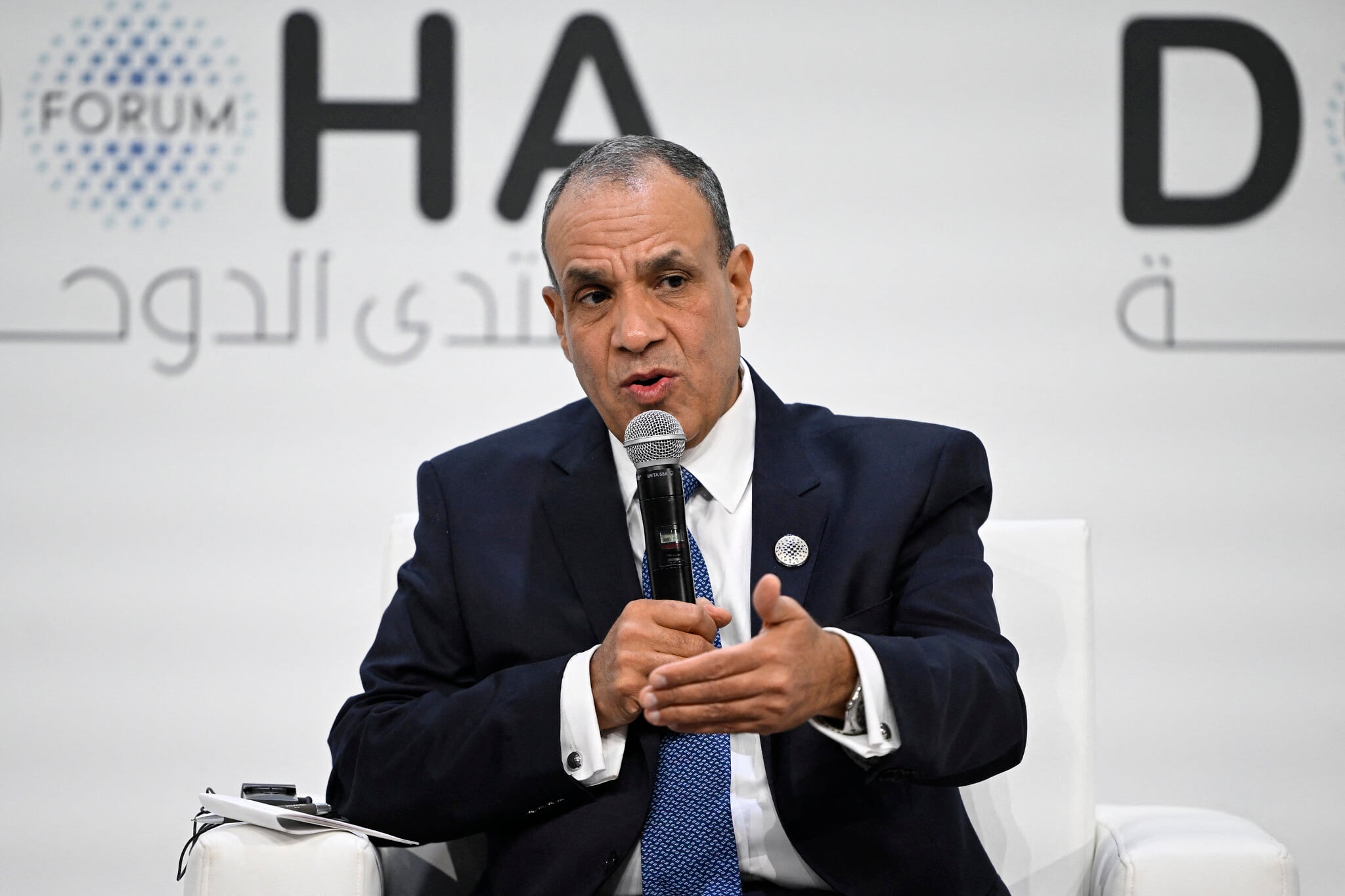
Egyptian Foreign Minister Badr Abdelatty also voiced worry about Israel’s alleged violations of the Gaza ceasefire.
Speaking at the conference in a separate session, he urged the deployment of the ISF in Gaza “as soon as possible,” claiming that Israel is using the absence of international monitors on the ground in Gaza to flout the ceasefire on a daily basis.
“As for the International Stabilization Force, we need to deploy this force as soon as possible on the ground because one party, which is Israel, is every day violating the ceasefire and claiming that the other side is violating [it], so we need monitors,” Abdelatty said.
Abdelatty revealed that Egypt wants the ISF to deploy along the Yellow Line inside Gaza, to which Israel withdrew at the start of the ceasefire on October 10.
That line of deployment appears to be the growing consensus among stakeholders, as countries aren’t willing to permanently station their troops inside what has become known as the red zone — the western, coastal side of Gaza under de facto Hamas control.
The Egyptian foreign minister also took another increasingly popular position among potential ISF contributors, which is that the force should be engaged in peacekeeping, not peace-enforcing.
This would likely contradict the US desire that the ISF play a key role in the disarmament of Hamas, unless the terror group agrees to willingly give up its weapons as part of a negotiated settlement — something that currently appears unlikely.
Speaking about the Rafah Crossing between Israel and Egypt, which has been closed since May 2024, Abdelatty claimed that Israel is to blame for the closure, since it is only willing to open it on the condition that it be a one-way transit route for Palestinians exiting Gaza.
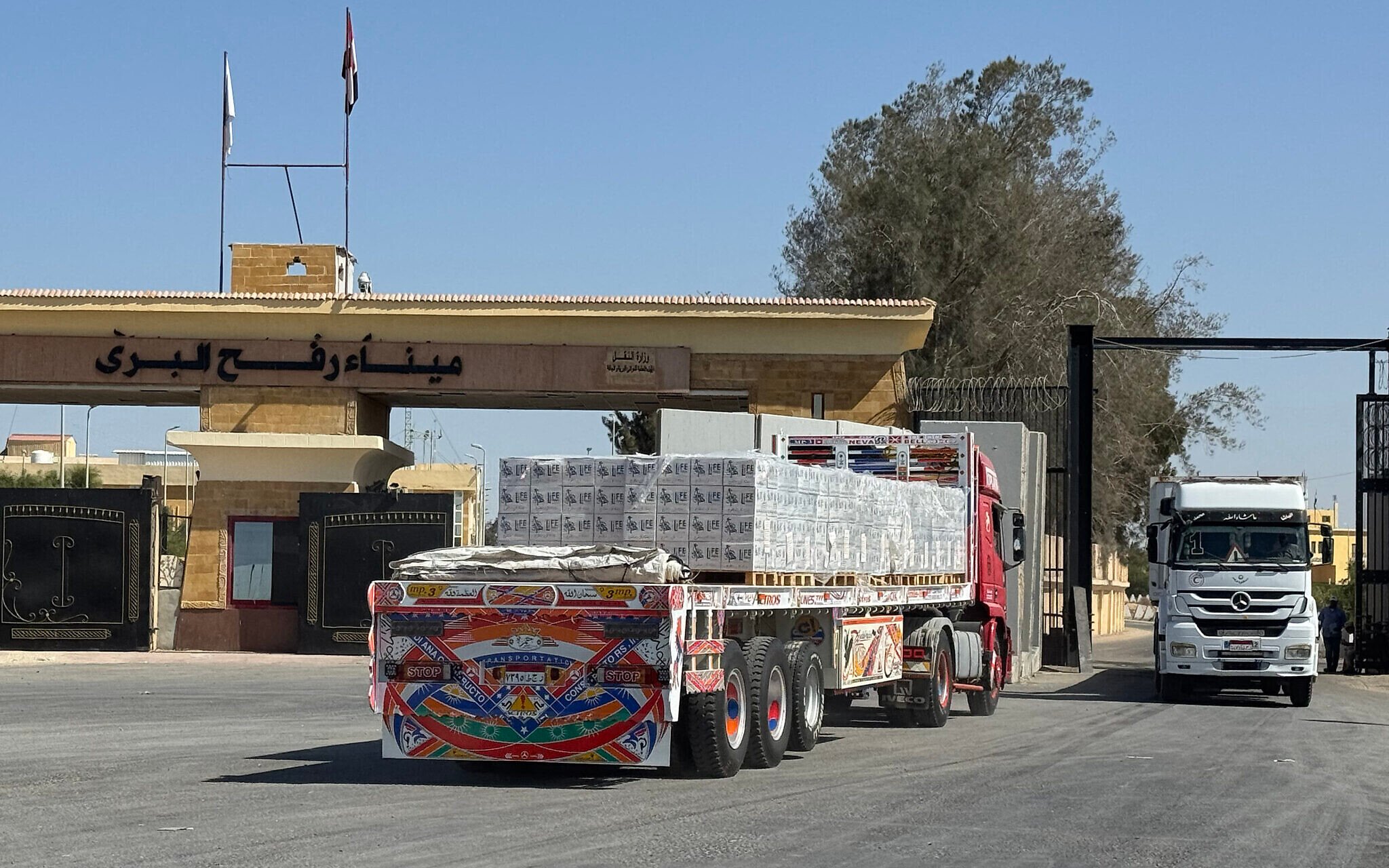
Egypt won’t allow Rafah to be used “as a gate for displacement or for putting people out of their homeland,” he said. “There is no ethical or moral justification to displace the Palestinians.”
The only exception for Palestinians who should be allowed to leave is those who need medical treatment, and even they should be expected to return after that treatment has concluded, he continued.




The Times of Israel Community.