

US State Department said to ask 70 countries to contribute to Gaza stabilization force
19 nations have expressed willingness to provide troops or logistical support, The Wall Street Journal reports, but deployment appears far off as details yet to be hammered out
 Add ToI as a Preferred Source on Google
Lazar Berman is The Times of Israel's diplomatic reporter
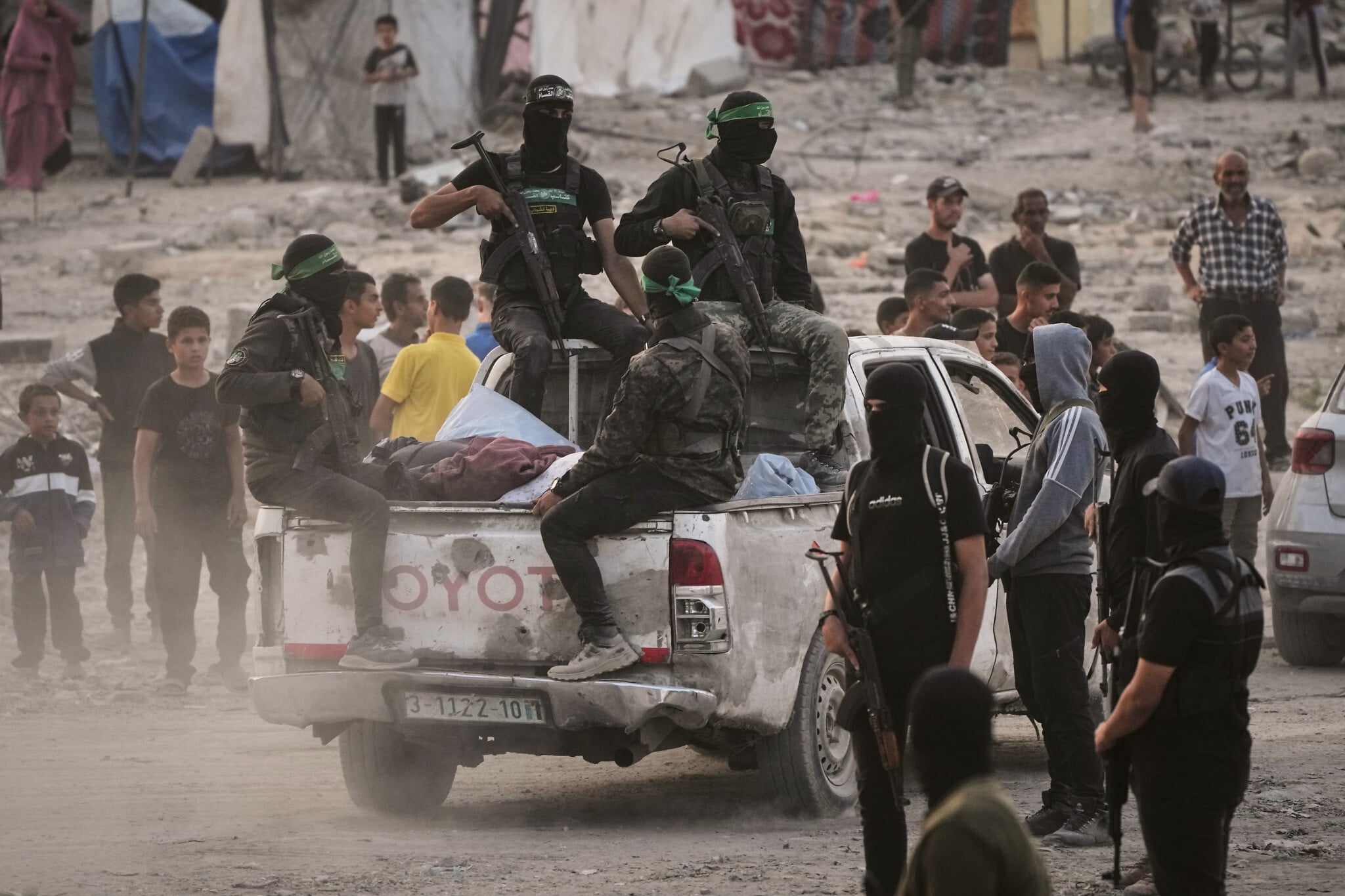
The US State Department has sent formal requests to over 70 countries asking for troops or money for the emerging international security force it hopes will keep order in Gaza, an endeavor that has so far struggled to get off the ground, The Wall Street Journal reported on Saturday.
Among those approached by the State Department on Monday were European powers France and Italy, as well as smaller countries including El Salvador and Malta, the report said.
The requests noted that Middle Eastern countries, including the United Arab Emirates and Saudi Arabia, were already working with the US to secure funding for the deployment of troops to Gaza.
A US official told the WSJ that 19 of the 70 countries approached have responded with willingness to assist, including by providing troops, logistical support, or equipment.
But the outlet noted that the countries in talks with the US to send troops have stipulated that they will only do so if they are deployed solely within Israeli-controlled areas — behind the so-called Yellow Line that marks the boundary of the roughly 53% of Gaza still controlled by the IDF.
But the US would appear to be dissatisfied with this, as the report alleged that it is still pushing them to agree to operate in the Hamas-controlled “red zone” of the war-torn enclave.
The State Department’s formal request is the latest effort by the Trump administration to recruit troops for an ambitious peacekeeping force, dubbed the International Stabilization Force, to take over security responsibility for the Gaza Strip from Hamas.

Deployment of the force is a key part of the next phase of US President Donald Trump’s Gaza peace plan. Under the first phase, a fragile ceasefire in the two-year war began on October 10, with Hamas releasing hostages and Israel freeing detained Palestinians.
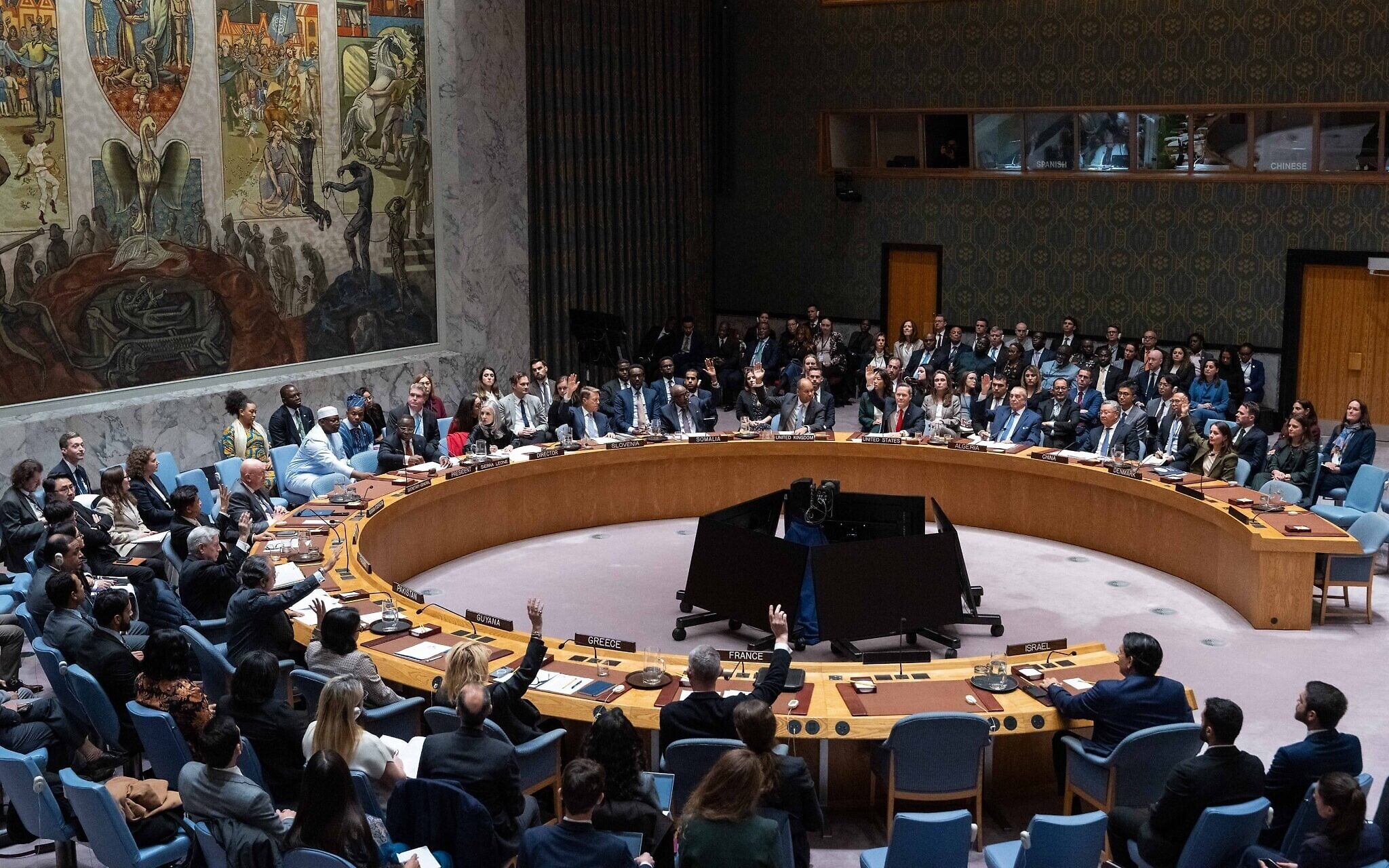
A UN Security Council resolution adopted on November 17 authorized a Board of Peace and countries working with it to establish the ISF. Trump said on Wednesday that an announcement on which world leaders will serve on the Board of Peace will be made early next year.
It is still not clear, however, how Hamas will be made to disarm and hand over control to the ISF, given that many countries are said to be opposed to troops operating in areas controlled by the terror group.
Hamas has said the issue of disarmament has not been discussed with it formally by the mediators — the US, Egypt and Qatar — and the terror group’s stance remains that it will not disarm until a Palestinian state is established.
But the WSJ said that, contrary to its claims, Hamas has quietly informed Egypt that it is willing to decommission its heavy weapons under Cairo’s supervision.
Still, US officials told Reuters on Friday that international troops could be deployed in the Gaza Strip as early as next month.
The officials, speaking on condition of anonymity, said the ISF would not fight Hamas. They claimed many countries have expressed interest in contributing and US officials are currently working out the size of the ISF, composition, housing, training and rules of engagement.
The US Central Command will host a conference in Doha on December 16 with partner nations to plan the International Stabilization Force for Gaza, the officials said.
More than 25 countries are expected to send representatives to the conference, which will include sessions on the command structure and other issues related to the Gaza force, they said.
An American two-star general is being considered to lead the ISF, but no decisions have been made, the officials said.
Deployment appears distant
The goal of deploying the ISF in January is not new, and The Times of Israel has reported for nearly two months that US officials have been talking about that aim.
But the timeframe is appearing increasingly unlikely, as even the countries that were thought to be interested in contributing troops, such as Azerbaijan and Indonesia, have yet to formally announce decisions to do so, and both nations have indicated that there is still more work to do in order to reach that point.
Indonesia has said it is prepared to deploy up to 20,000 troops to take on health and construction-related tasks in Gaza.

“It is still in the planning and preparation stages,” said Rico Sirait, spokesperson of the Indonesian Defense Ministry. “We are now preparing the organizational structure of the forces to be deployed.”
An Azerbaijani official told The Times of Israel last week that Baku doesn’t have nearly enough information on the ISF’s mandate in order to make a decision to join the force.
As it currently stands, the US officials said the plan is for the ISF to deploy in areas held by Israel.
Then, according to the Trump peace plan, as the ISF establishes control and stability, Israeli troops will gradually withdraw “based on standards, milestones, and timeframes linked to demilitarization.”
Reuters and Jacob Magid contributed to this report.





The Times of Israel Community.