

Using Israeli model, Rwanda orphans’ school teaches unity post-genocide
As African state marks 20th anniversary of ethnic slaughter, JDC-assisted youth village for conflict-scarred children thrives
- See more Times of Israel on Google - add us as a Preferred Source
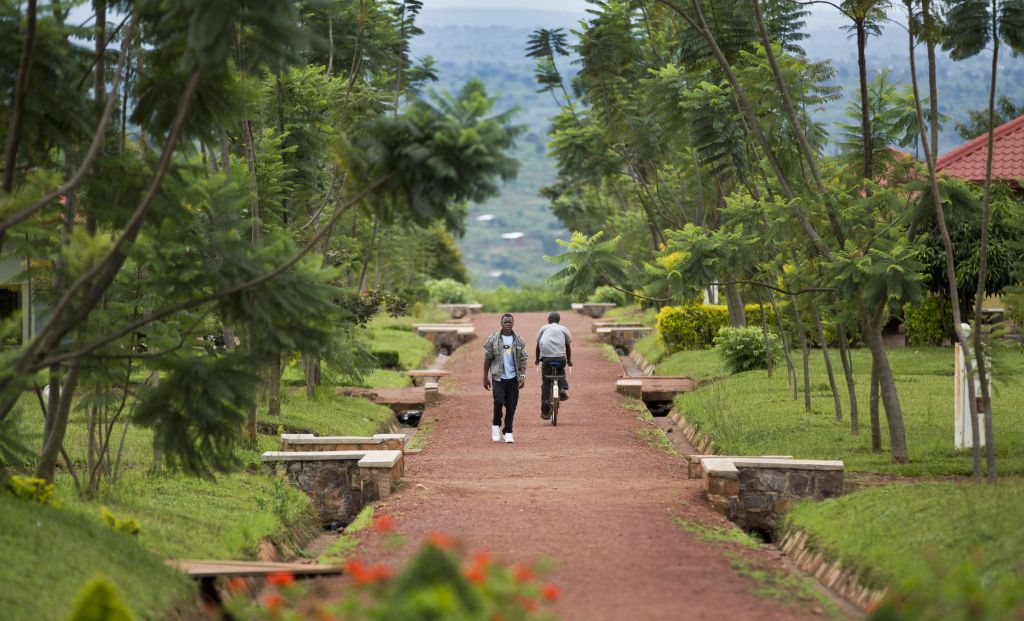
RWAMAGNA, Rwanda (AP) — A school set amid the lush green, rolling hills of eastern Rwanda, now marking the 20th anniversary of its genocide, teaches children hope and history on the model of Israeli schools for Holocaust survivors’ children.
Funded by American donors, the Agahozo-Shalom Youth Village receives some of the African country’s most “scarred” and vulnerable children. Most of them don’t identify themselves as Hutu or Tutsi — a positive sign for Rwanda, 20 years after the three-month ethnic killing spree that, according to the official Rwandan count, left more than a million people dead.
A decade after the genocide, New York City resident Anne Heyman and her husband attended a talk about Rwanda. There, they asked what the biggest problem the country faced was. They were told the number of orphans the genocide left behind was overwhelming.
There was no hard number, school director Jean Claude Nkulikiyimfura said, but some estimates put the number of orphans in the low millions.
Moved by the tragedy, Heyman decided to open a school on the model used in Israel for orphans of the Holocaust. With help from the American Jewish Joint Distribution Committee and corporate donor Liquidnet Holdings, she purchased land in 2006 to build a school and dorm-like homes.
The school’s annual budget is $2 million a year, or about $4,500 per child.
At present, almost all of the school’s operating funds come from donors in America, but it will soon get new funds from a $24 million solar project with 28,000 solar panels being built on school land by Gigawatt Global. The project will generate 8.5 megawatts, about 8 percent of Rwanda’s electrical capacity, said Chaim Motzen, the project’s coordinator.
The school tries to bring in Rwanda’s most vulnerable kids, especially those affected by the genocide. Most students are orphans, Nkulikiyimfura said. Others have parents in jail because of their role in the violence.
“What we try to do is heal their hearts,” he said. “These kids come wounded. They come with heavy scars in their souls.”
Though the school’s first classes were populated by students orphaned in the genocide, today’s 500 students are orphans because of other factors, such as HIV/AIDS and because of violence that took place in neighboring Congo or incursions from Congo after the genocide ended.
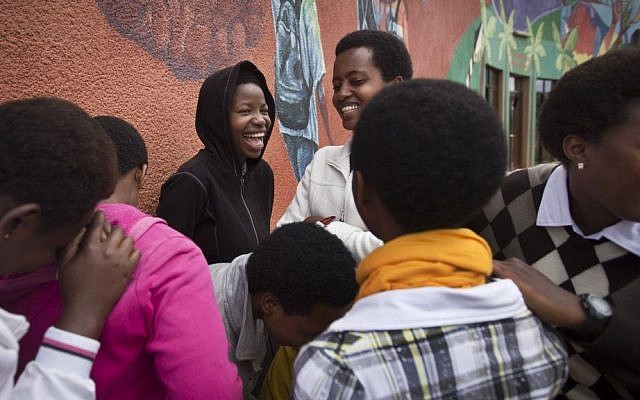
Unity is the theme. The school hopes to teach the students that their position in life will be achieved through merit. Gender won’t matter, and more importantly, said, ethnic identity won’t matter.
The teenagers attending the institution, a school with dorms that creates tight-knit student families, say the ethnic slaughter that their parents or grandparents were a part of either as victims or perpetrators won’t be repeated. The school director echoes the sentiment.
“This is the generation now that will in the future make sure that this kind of politics doesn’t exist in the country. We promote unity and hope,” Nkulikiyimfura said of the school’s mission.
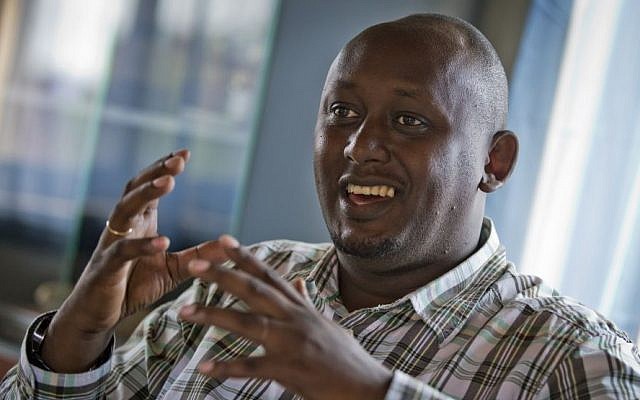
“One of the major debates is that better education would help the kids not to think, ‘Yes, I’m a Hutu. I’m a Tutsi.’ Good education would promote the idea of how do you develop yourself, how do you develop your community, instead of this division that was created mostly by their parents,” he added.
Heyman died earlier this year at age 52 after a horse-riding accident. Student Coralie Keza, 20, said Heyman made a big impact on her.
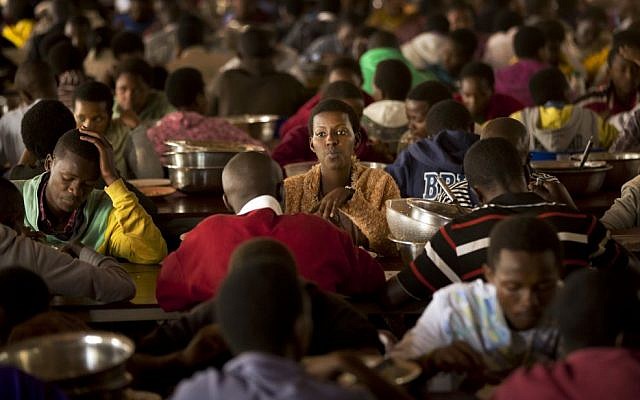
“The thing I liked about this place is it changed me, having good people around you,” she said after eating lunch of rice, potatoes and cucumbers at the school cafeteria, a building boasting a colorful mural depicting people walking on a red-dirt road, some hand-in-hand, and other happy people. “Pushing you to do good things, being supportive of your breakdowns. Before coming here I was someone else, not this person. I felt hopeless. I had no desire of living.”
She added: “Kids from here will do good things in life and I really wanted her to see that.”
Sharon Kalisa’s favorite subject is history, especially genocide studies. The 17-year-old said she wants to know how and why the genocide happened. Both of her mother’s parents were killed in the 100 days of violence. Kalisa says she sees similarities between the Holocaust and the Rwandan genocide, most notably the undercurrents of poverty and unequal rights.
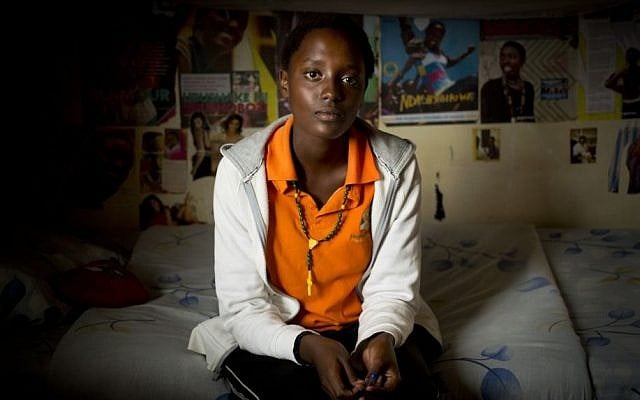
Nkulikiyimfura, a graduate of the University of Arkansas, is proud of the school’s graduation record. The first year of graduates, in 2012, saw 90 percent of the class go on to university, college or technical schools. About a dozen are studying abroad. Four students from the school attend classes at McGill University in Montreal, Canada. Keza hopes to join them.
While the students at the Agahozo-Shalom Youth Village represent just a small section of Rwandan youth, Rwandan society overall hesitates to talk about the Hutu-Tutsi divide, following a directive from the Tutsi-led government that was issued to squelch tribal animosities. The students at this school give the impression that their generation may move past old ethnic distinctions and divides.
Copyright 2014 The Associated Press.




The Times of Israel Community.