

Eisenkot threatens to siphon traditional voters away from a panicking Shas
Fearing a mass voter exodus over the draft crisis, Aryeh Deri staged a show of unity with Rabbi Yitzhak Yosef to save his party from a humiliating collapse
 Add ToI as a Preferred Source on Google
Shalom Yerushalmi is the political analyst for Zman Israel, The Times of Israel’s Hebrew current affairs website
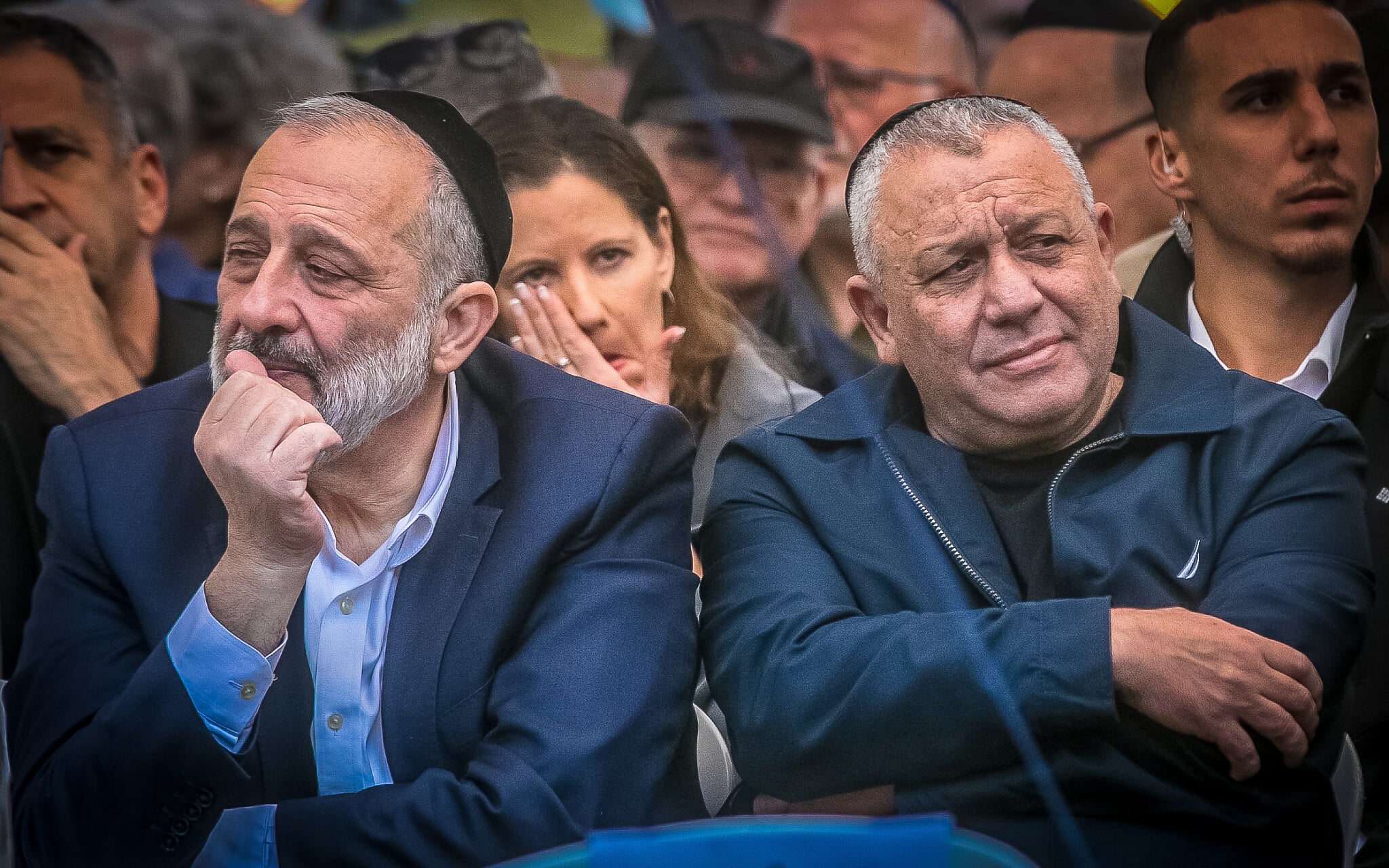
Rabbi Tzuriel Krispel, 66, is one of the founders of the ultra-Orthodox Shas party. Over the years, he held key positions in the movement, helped establish it in various cities, served as deputy mayor of the central city of Elad and ran the Otzar Haim educational institutions in Beersheba. For a time, Krispel also served as the personal secretary of the party’s late spiritual founder, Rabbi Ovadia Yosef.
Krispel is what you might call an old-school Shasnik: Sephardi, Zionist, moderate in his views, and fully supportive of military service for anyone who is not studying in a yeshiva from morning to night. He himself served in the IDF’s Golani Brigade, Battalion 13, Company B, alongside Gadi Eisenkot, who was serving at the time in another company within the same combat battalion.
It is therefore not surprising that Eisenkot, the former IDF chief of staff, offered Krispel a place on the Knesset slate of his new centrist Yashar! party.
“They offered me a place on the slate as an ultra-Orthodox, a former Golani soldier, a Shas man, and a rabbi in Israel,” Krispel told The Times of Israel on Tuesday. “Eisenkot is fine, but the guys around him are a little anti-Haredi. I sat down with a woman at headquarters who manages ties with the ultra-Orthodox frameworks in the army. It was a good meeting, but it doesn’t sit well with the atmosphere there. That’s not my natural environment.”
Asked whether he foresaw actual Shas supporters voting for Eisenkot, Krispel firmly dismissed the notion.
“That’s not happening,” he said. “Someone who cares about the Torah world isn’t going to leave Shas that quickly.”
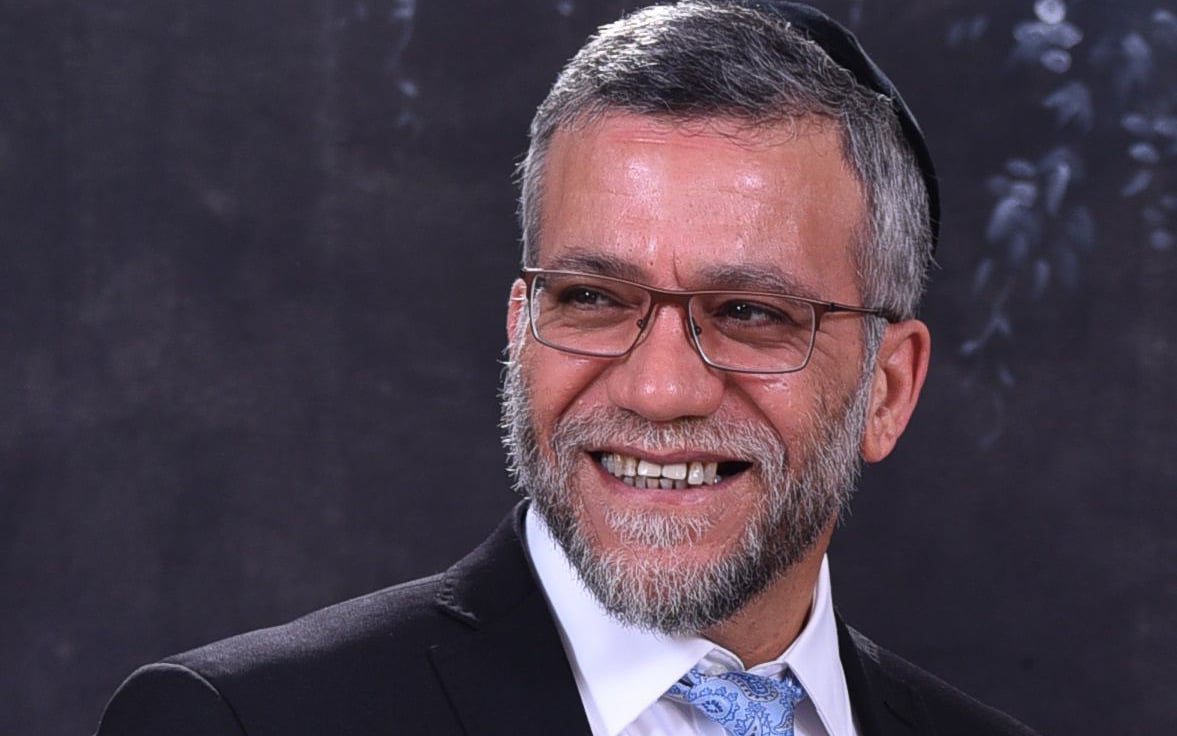
Krispel remains loyal to Shas and does not want to cause it harm, but the picture on the ground tells a different story. Shas is bleeding tens of thousands of votes – to National Security Minister Itamar Ben Gvir’s far-right Otzma Yehudit, to the Likud and also to Eisenkot’s Yashar.
Shas, which won 11 seats in the last election, was polling at just seven seats in several recent pre-election surveys.
The main driver behind this slide is the ongoing political crisis over drafting ultra-Orthodox men, which is sending the Haredi parties into a panic ahead of the election. This is especially true for Shas, a complex party that is, for now, paying the heaviest political price for its hardline stance against military service. The dramatic internal developments in Shas over recent days fit squarely into this deep-seated fear of a mass voter exodus.
On Thursday, Shas chairman Aryeh Deri surrendered unconditionally to Rabbi Yitzhak Yosef, the former Sephardi chief rabbi of Israel, with whom he had waged a bitter power struggle for years.
Deri went directly to the rabbi’s home to patch things up at any cost. Continuing the confrontation, Shas officials concluded, would have cost the party additional seats, and Deri was deeply worried about that prospect. Under the agreement that emerged from the rabbi’s home – set out in a letter by Rabbi Moshe Maya, the senior member of the Council of Torah Sages, the party’s spiritual leadership – Deri officially backed down.
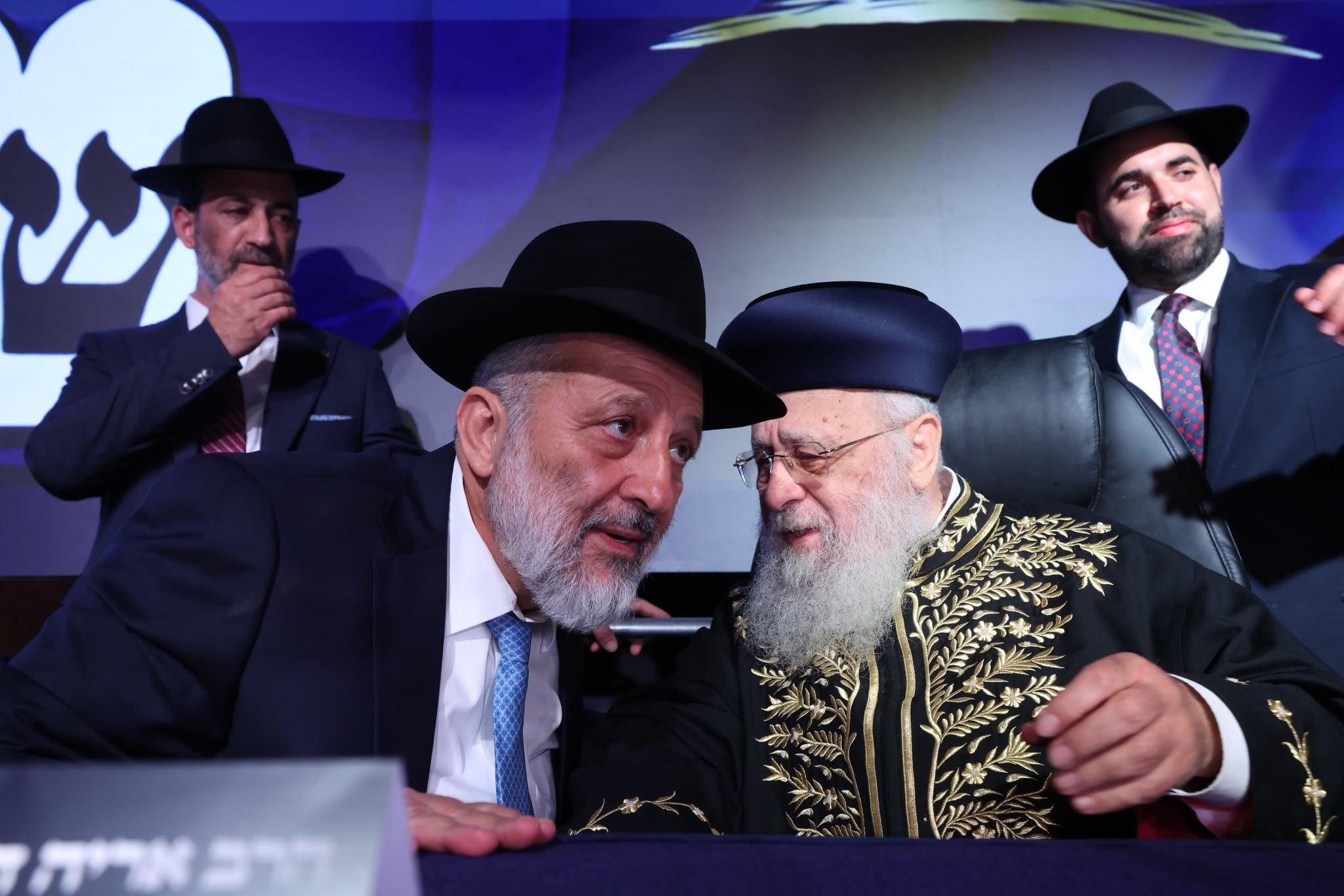
The rabbi was declared his father’s successor, “the guide and leader of Maran’s legacy in the Shas movement and its institutions.” (“Maran” is the reverent title used for the late Rabbi Ovadia Yosef.) In one video, Deri could be seen pleading with Yitzhak Yosef to take the leadership into his hands and continue his father’s path.
Yosef, however, will not receive the formal title of president of the Council of Torah Sages, at Deri’s insistence. Under the compromise, Shas will aggressively demand legislation exempting Haredim from military service before the next election.
Last month, Yosef praised Eisenkot in a private conversation, in stark contrast to Deri’s position, which binds the party strictly to the right-wing bloc. According to a report on Army Radio, the rabbi said, “Eisenkot is a warm Jew. His grandmother voted Shas and wanted him to become a rabbi. He can be trusted.” In a public appearance, Yosef added, “Maybe Eisenkot will become religious. Netanyahu? There’s no chance he’ll become religious.”
Eisenkot himself has frequently noted that his mother, Esther, has voted for Shas for the past 30 years, and that he has had to persuade her to vote for him this time around.
Eisenkot told The Times of Israel that he meets Shas supporters every day who want to vote for him “in Kiryat Shmona, Shlomi, Or Yehuda and elsewhere.” These are primarily voters on Shas’s periphery – the outer circle of moderately traditional, working-class supporters.

This is a massive bloc of voters whose family members all serve in the military, and they simply cannot identify with Rabbi Yitzhak Yosef flushing military draft orders down the toilet, or with Deri publicly boasting about his draft-dodging grandsons. These voters demand an equal sharing of the national burden and are entirely unwilling to listen to radical slogans such as “We will die rather than enlist.”
A veteran Shas activist explained the dynamic on Thursday: “Drive out to the moshavim in the south. You’ll see Sephardim wearing black kippahs or large knitted kippahs. They all serve in the IDF. They can’t stand seeing Shas turn into the anti-draft Jerusalem Faction,” he said, referencing the radical, anti-Zionist ultra-Orthodox splinter group known for its fierce anti-draft protests.
“I’ve been on the ground for years. You can’t turn a Sephardi into an anti-Zionist. They aren’t willing to go along with it,” the activist added. Shas has a base of four seats. It will hold on to that no matter what. But everything beyond that is up for grabs.”
He went on to say: “I hear people saying that if there’s already a Moroccan candidate for prime minister, we should support him without hesitation. After all, that is the essence of Shas – to lift up disadvantaged Mizrahi Jews.” (Eisenkot is of Moroccan Jewish descent.)
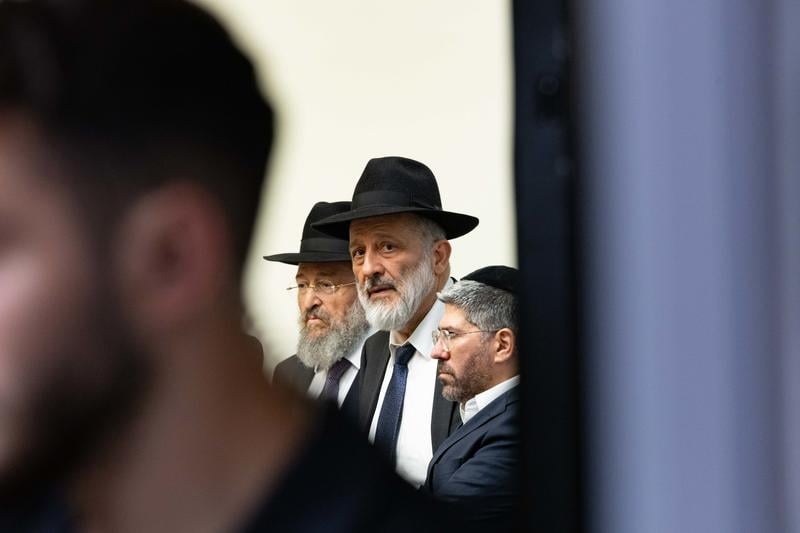
On Thursday, Yosef released a video warmly blessing IDF soldiers, just as his father used to do. In the past, the rabbi had declared that even someone who is not studying in yeshiva should not enlist, and in this video, too, he noticeably avoided calling on Haredim to join the army.
The rabbi repeated the message at a Shas conference in Holon. “We love the soldiers,” he said. “During the Swords of Iron war [the IDF’s name for the ongoing conflict sparked by the October 7 Hamas massacre], I visited all the bases and blessed the soldiers, completely secular soldiers.”
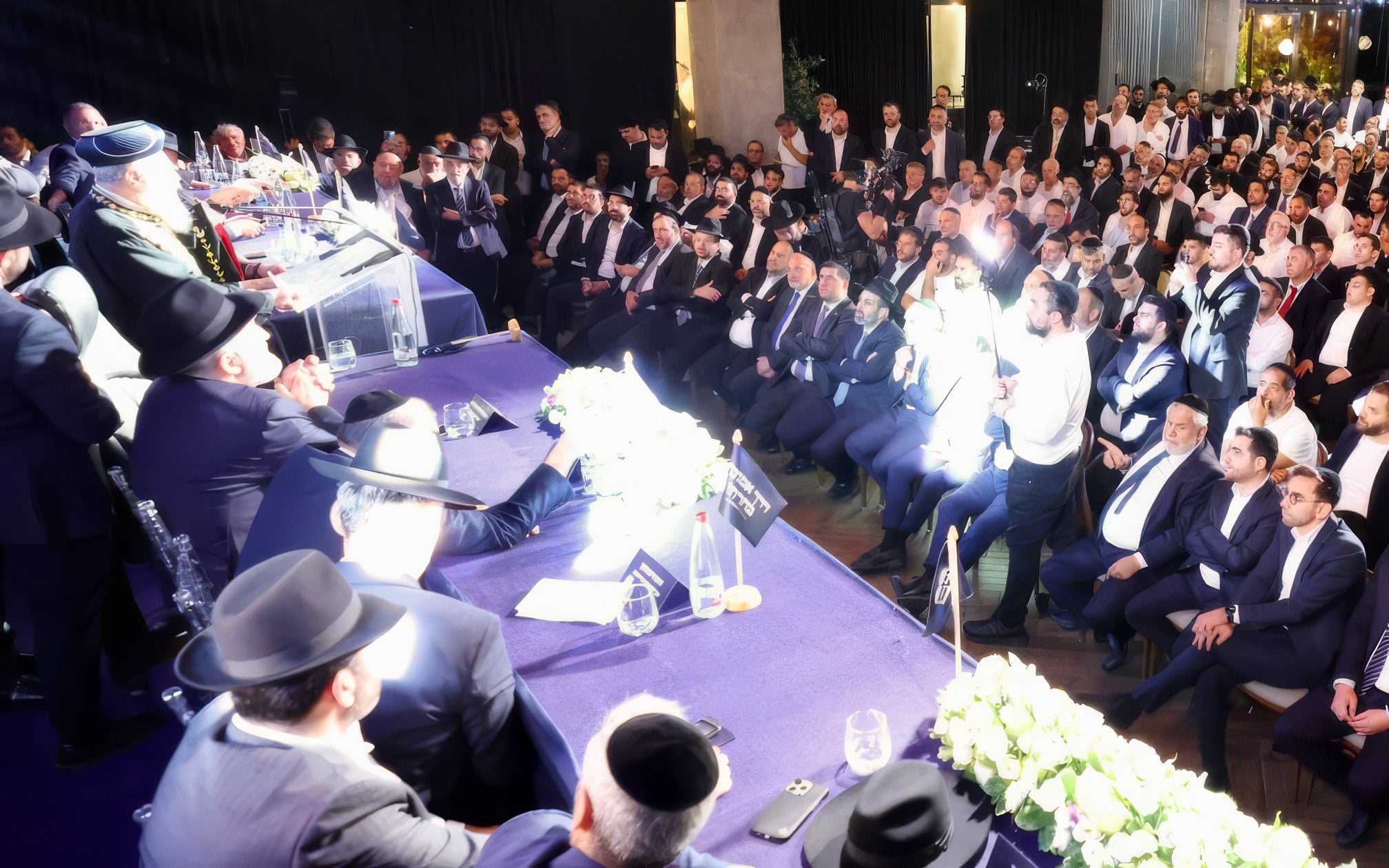
Against the backdrop of this complicated and highly ambivalent story, Shas held its official campaign launch event in Holon on Thursday night. Deri simply could not afford to put the party’s deep rift on display just two months before the election. The Shas chairman had to project a model of unity, even if it was entirely fake.
He did not want activists affiliated with Yosef and the Jerusalem Faction storming the event and hurling abuse at him, as they did recently at demonstrations and various public gatherings. It was critical to him that Yosef be there – and the rabbi indeed came, received a royal welcome, and sat at the head table, right next to Deri, naturally.
The event, incidentally, was closed to the press on the grounds that it was an “internal gathering.” This was a highly unusual move for the typically loud, publicity-minded Shas, especially at the height of an election campaign.
The polls published in the coming weeks will reveal whether Deri has succeeded in limiting the damage and stopping the exodus of votes from Shas. Party officials noted on Thursday that Deri had merely applied a temporary patch to the conflict with Yosef, and that he will undoubtedly find a way to settle accounts with him after the election.
Deri has demonstrated excellent campaign survival skills in the past. The penitential season of Selichot – the daily prayers leading up to the High Holidays – is approaching. The late Rabbi Ovadia will gaze down at Shas voters from giant street posters, the campaign will take on a deeply religious and faith-based character, and the party’s trademark kabbalistic amulets will likely return.
Even so, voters on Shas’s periphery will also be hearing very different messages – from Prime Minister Benjamin Netanyahu, from Ben Gvir, and, this time, from Eisenkot as well.
The horrific failures of October 7, 2023, and the grinding war that has raged on multiple fronts ever since have deeply shaken the Shas voters serving in the regular army and the reserves. This time, their choice at the ballot box will not be simple.





The Times of Israel Community.