

Shin Bet head told Eisenkot to call emergency hotline ‘if something happens’ – report
As agency denies armed detail for leading opposition candidate, Netanyahu said to tell Zini to provide Yashar party leader with ‘adequate’ security ‘as needed’
 Add ToI as a Preferred Source on Google
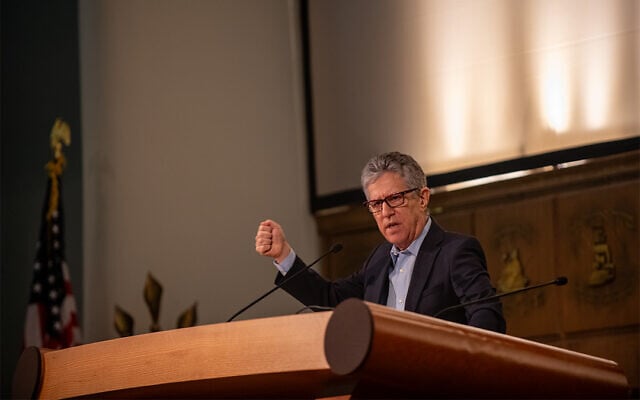
Shin Bet chief David Zini told Yashar party leader Gadi Eisenkot to call an “emergency hotline” if he faces a security issue, as the agency head refused to provide armed bodyguards for the election’s opposition front-runner, according to a Sunday report.
Channel 13 news reported that Zini spoke with Eisenkot over the weekend, telling him, “Here is the number for the emergency hotline. If something happens, that is the number.”
The network said that a Shin Bet official later followed up with Eisenkot to say he was the person to contact in case of an issue.
The report came after Zini confirmed on Sunday that he denied Yashar’s request to provide an armed security detail for Eisenkot, and after Central Elections Committee chair Noam Sohlberg said that the Shin Bet head had informed him that there was no intelligence suggesting any plot to harm the Yashar party leader.
In his statement, Zini said, “The decision on not attaching a security detail to Mr. Eisenkot was made by the Shin Bet head, and he is solely responsible for this issue,” adding that before making the decision, the Shin Bet chief consulted with professionals, including Sohlberg.
For his part, Sohlberg, the deputy president of the Supreme Court, said that he had no authority on the matter of armed security for election candidates, and that the law stated that the Shin Bet provides guards for individuals designated by the government.
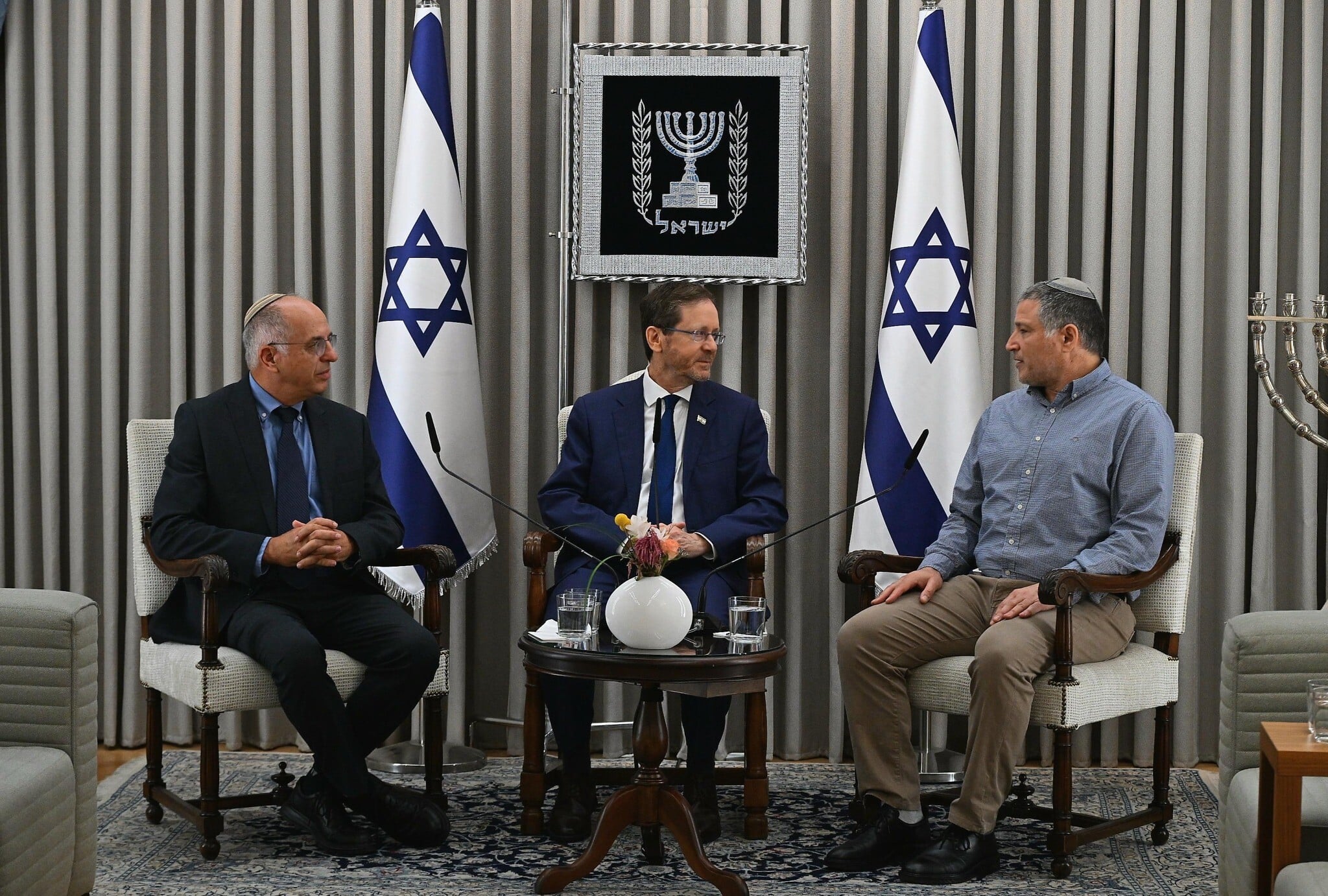
Following Zini’s announcement on Sunday, various Hebrew media outlets reported that Prime Minister Benjamin Netanyahu told Zini to make sure Eisenkot gets “adequate” security, “as needed.”
The security service was said to have responded that it was “doing the maximum” and “acting in accordance with the law.”
Eisenkot’s party had asked for guards to be provided, citing increased threats against him since he became the leading candidate to replace Netanyahu.
His team reportedly had to hire private bodyguards, as he is not entitled to a state-issued armed security detail.
The campaign said the privately hired guards were not armed and warned that Eisenkot would become increasingly exposed as the election approached, with the former IDF chief regularly attending conferences, touring the country and appearing at events whose locations and schedules were publicized in advance.
According to the Ynet news site, Eisenkot’s campaign warned Zini that tensions and incitement were rising — both on the street and online — ahead of the October 27 election, and that the physical threat to the candidate “is increasing every day.”
The Yashar leader’s son, Master Sgt. (res.) Gal Eisenkot, was killed in Gaza in December 2023 — earlier this month the family visited his grave and discovered that someone had graffitied on the headstone: “Gal the fighter, it’s a shame your father doesn’t protect the soldiers.”
In June, Eisenkot branded Prime Minister Benjamin Netanyahu as the premier “who works day and night on division and incitement.”
The concerns also came amid repeated warnings from Israeli security officials about potential Iranian efforts to interfere in the election and target political figures.
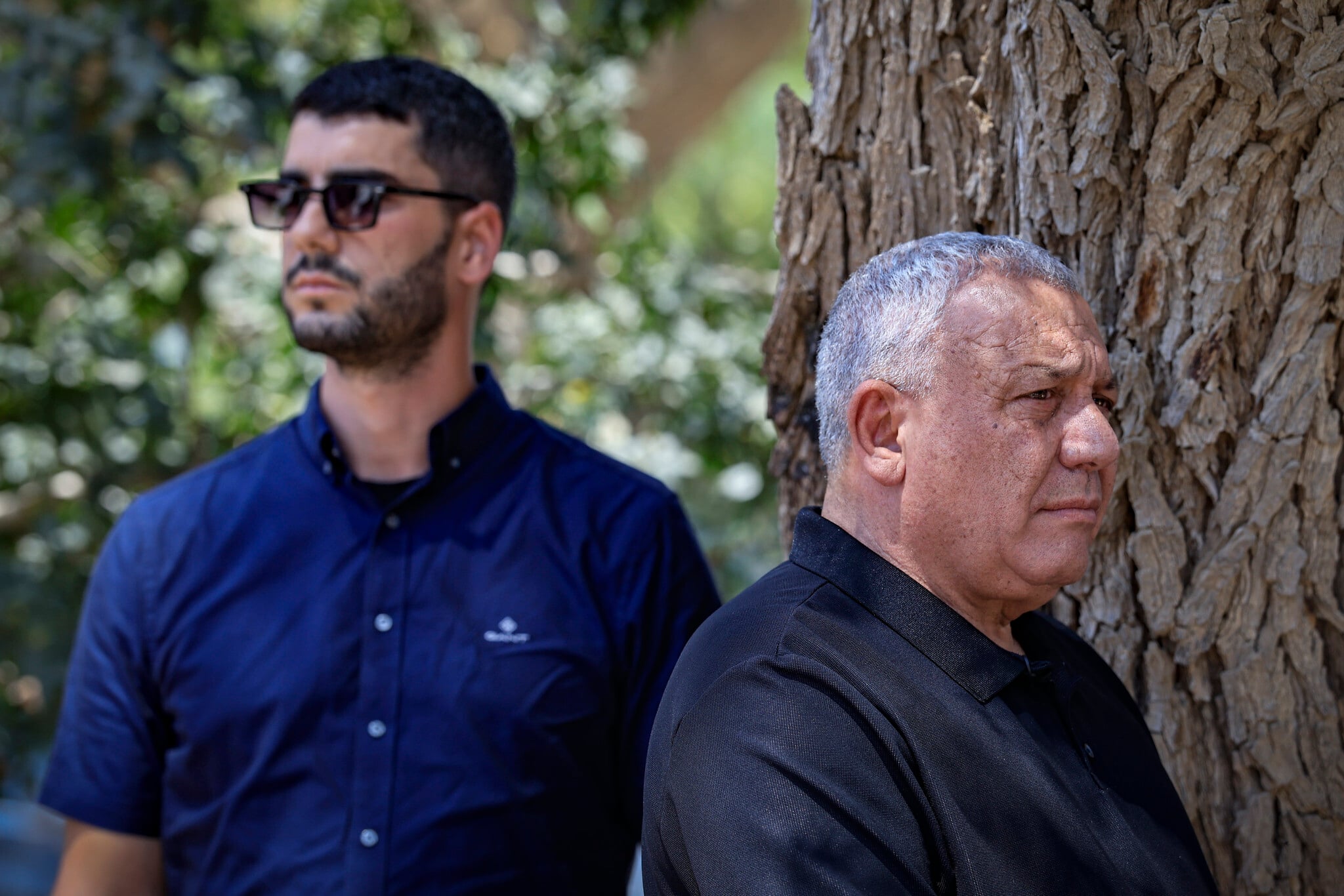
In July, Zini reportedly warned senior Israeli officials that Iran and other foreign actors were seeking to meddle in the October vote and undermine the election process. According to Channel 13, the Shin Bet chief said he viewed foreign interference as the agency’s second-most concerning election-related threat, behind the possibility of major terror attacks.
The dispute over Eisenkot’s protection comes as he has emerged as Netanyahu’s strongest electoral challenger. A Zman Yisrael poll projected Yashar winning 25 Knesset seats, compared with 21 for Likud. Yashar has led most polls in recent weeks, though Likud frequently trails by only a small margin.
Eisenkot, who served as IDF chief of staff from 2015 to 2019, entered politics in 2022, joining Benny Gantz’s National Unity party. After the October 7, 2023, Hamas-led attack, he joined Netanyahu’s war cabinet, but then quit in 2024. He formally launched Yashar’s election campaign on June 30 and declared that he was running for prime minister, pledging to be a “prime minister for all Israeli citizens.”
Michael Horovitz contributed to this report.






The Times of Israel Community.