

Iran’s president admits country faces ‘many problems,’ insists deal is best way forward
Pezeshkian says Tehran must escape state of ‘neither war nor peace’ as US preps fresh sanctions; new Iran security chief threatens Gulf oil routes, while Pakistan pushes mediation
 Add ToI as a Preferred Source on Google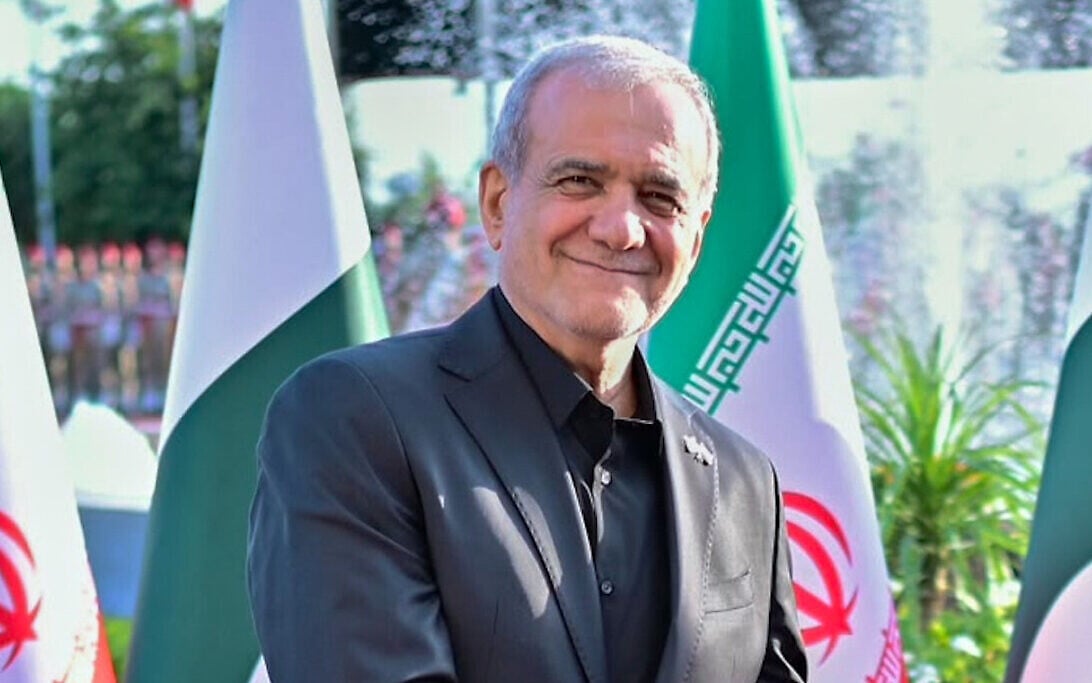
Iranian President Masoud Pezeshkian acknowledged Sunday that Iranians were facing “many problems” as the United States prepares new sanctions aimed at further isolating the country’s economy, while defending a June memorandum of understanding with Washington as the best way out of a diplomatic deadlock that has left Iran in a state of “neither war nor peace.”
His remarks came after the US announced the new sanctions campaign, nearly six months into the war between Iran and the US and Israel. The 60-day deadline set by the US-Iran memorandum for ending the conflict and reaching an agreement on Tehran’s nuclear program expired last week without any sign of a breakthrough.
“I understand we have many problems in society right now. We are trying to prevent these as much as we can,” Pezeshkian said in a speech broadcast on state television.
Pezeshkian said Iran was effectively engaged in a “full-scale economic, military and security war,” blaming US President Donald Trump for seeking to impose the “most crushing and terrifying sanctions” on the Islamic Republic.
Meanwhile, the Iranian president defended the MOU signed with Trump in June, describing it as the country’s best option for moving beyond the current stalemate.
“There is not a single provision in this agreement that amounts to capitulation,” Pezeshkian said. “The supreme leader sets the policies, and we will follow that path.”
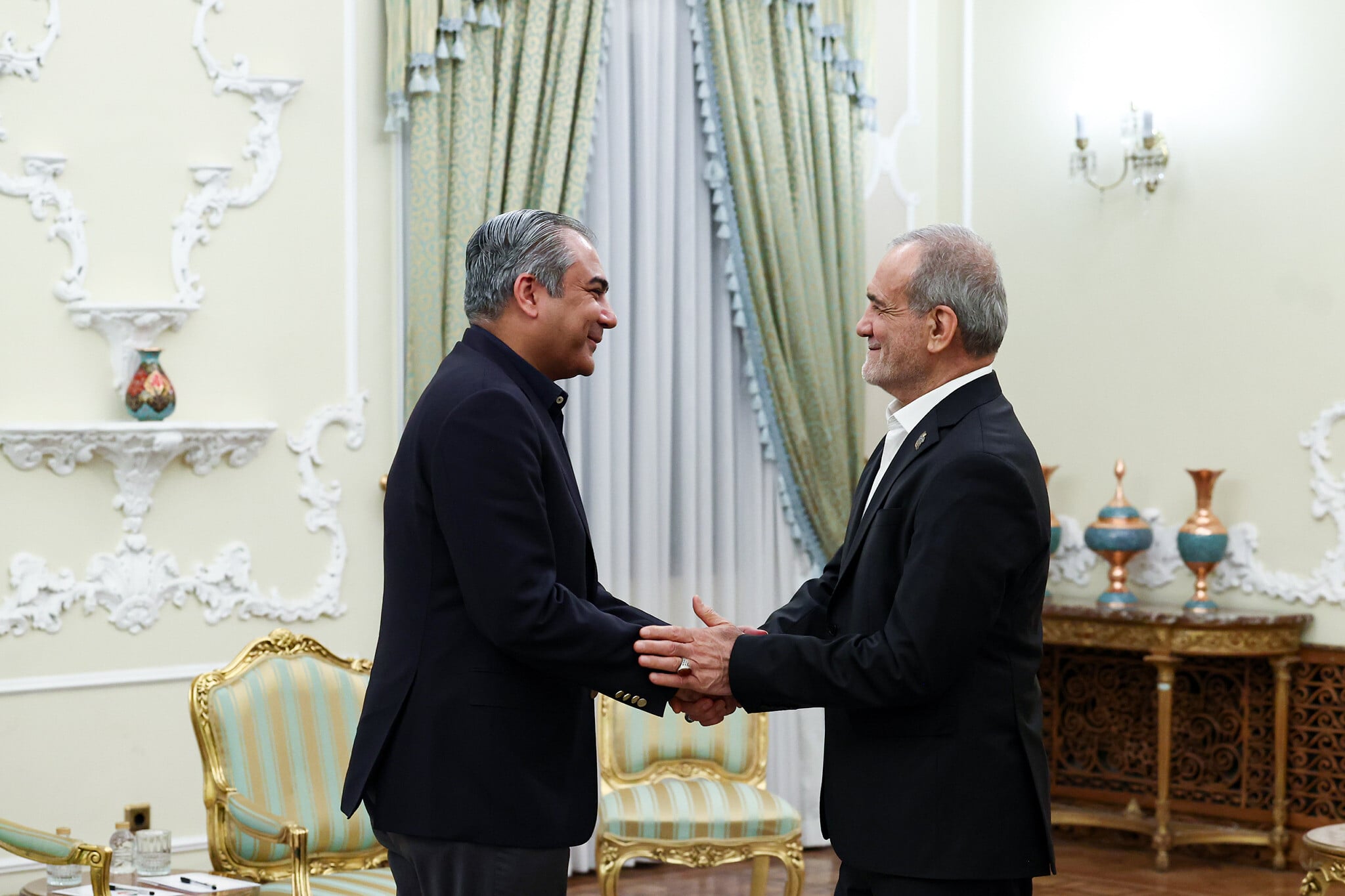
Pezeshkian also argued that the diplomatic uncertainty was compounding Iran’s economic difficulties by preventing the country from attracting investment.
Iran’s economy has been battered by repeated sanctions and a naval blockade, while inflation, unemployment and sharp exchange-rate swings have eroded purchasing power.
“We are striving with all our hearts to overcome inflation, livelihood problems, unemployment, and to secure the future of the people, so that they can live with dignity and pride,” Pezeshkian said.
Economic hardship has repeatedly fueled unrest in Iran in recent years. A protest movement that began at the end of December over the rising cost of living grew into mass demonstrations against the government. Iranian authorities reported more than 3,000 people were killed during the unrest and accused the US and Israel of orchestrating the violence. Foreign-based NGOs, however, said officials had launched an indiscriminate crackdown that left thousands dead. According to some assessments, tens of thousands were killed.
On Sunday, Iran announced the execution of a man arrested during the protests. The judiciary’s Mizan news agency identified him as Majid Adineh, saying he was arrested January 9 in Mohammadshahr, near Karaj, west of Tehran.
Authorities said that he was carrying a handgun with 30 rounds of ammunition, two stun guns, two cans of tear gas and a battery-powered chainsaw when arrested. The judiciary said that forensic examinations indicated the handgun had been fired on Jan. 8 and 9.
A Revolutionary Court later convicted Adineh under legislation providing harsher penalties for espionage and cooperation with hostile states. Mizan alleged that he had carried out operations on behalf of Israel, the US and other groups Tehran considers hostile.
Iran security chief threatens retaliation
While Pezeshkian emphasized diplomacy and Iran’s economic difficulties, the newly appointed head of Iran’s Supreme National Security Council, Mohsen Rezaei, issued a far more confrontational statement to neighboring countries against cooperating with the latest US pressure campaign.
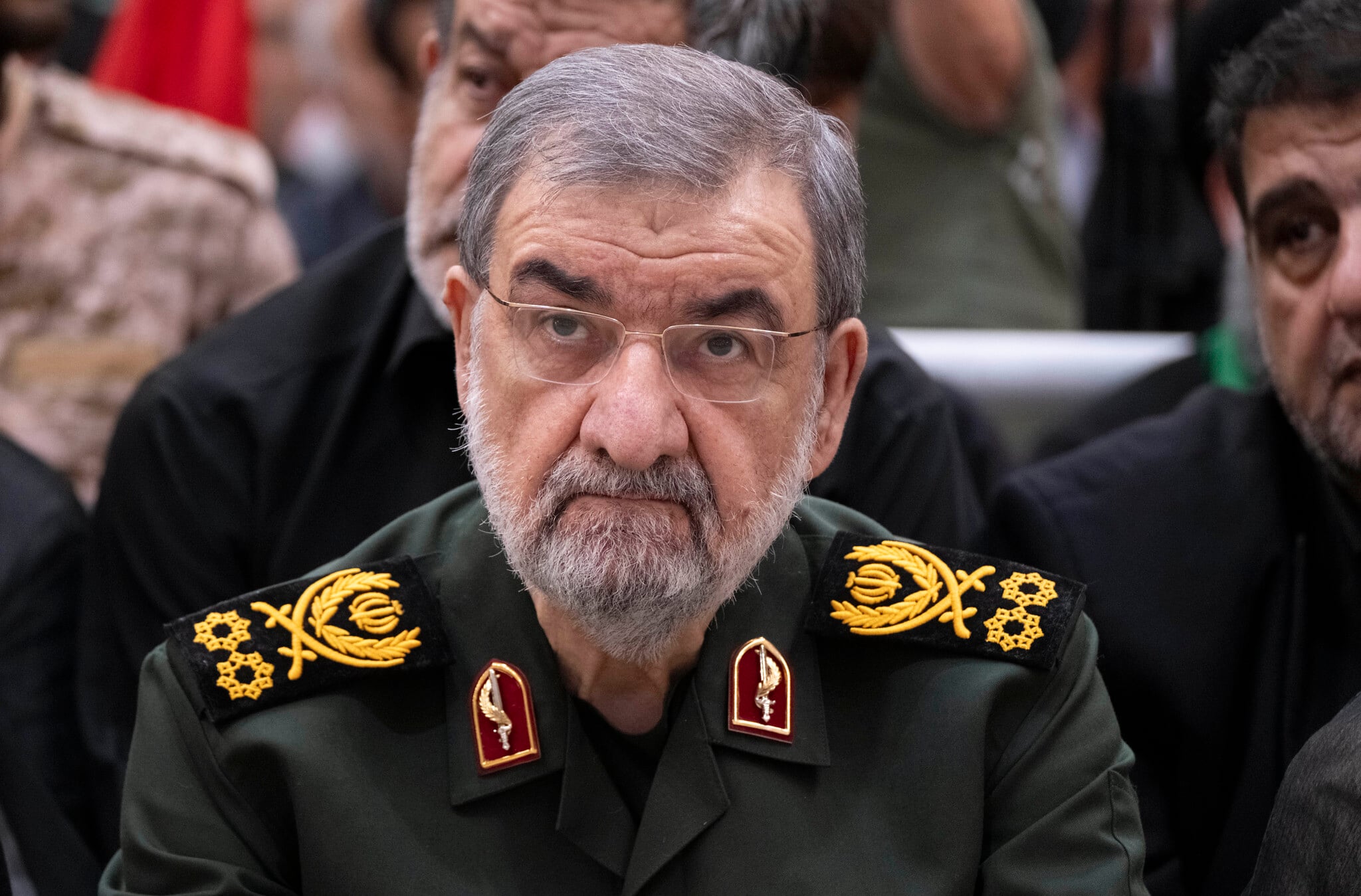
“If [Trump] wants to do something, we will retaliate in a seismic manner,” Rezaei told Iran’s state broadcaster in an interview aired Saturday.
Rezaei warned that Iran could target oil-shipping routes out of the Persian Gulf that serve as alternatives to the Strait of Hormuz if neighboring countries joined what he described as Washington’s economic war against Tehran.
Rezaei was appointed this month as part of a series of senior leadership changes widely seen as signaling a harder political and military stance.
Pakistan pushes mediation
The competing messages came amid Pakistan’s continued efforts to mediate between Tehran and Washington.
Pakistani army chief Field Marshal Asim Munir is set to travel to Tehran on Monday at the head of an official delegation, according to Esmail Baghaei, Iran’s Foreign Ministry spokesman.
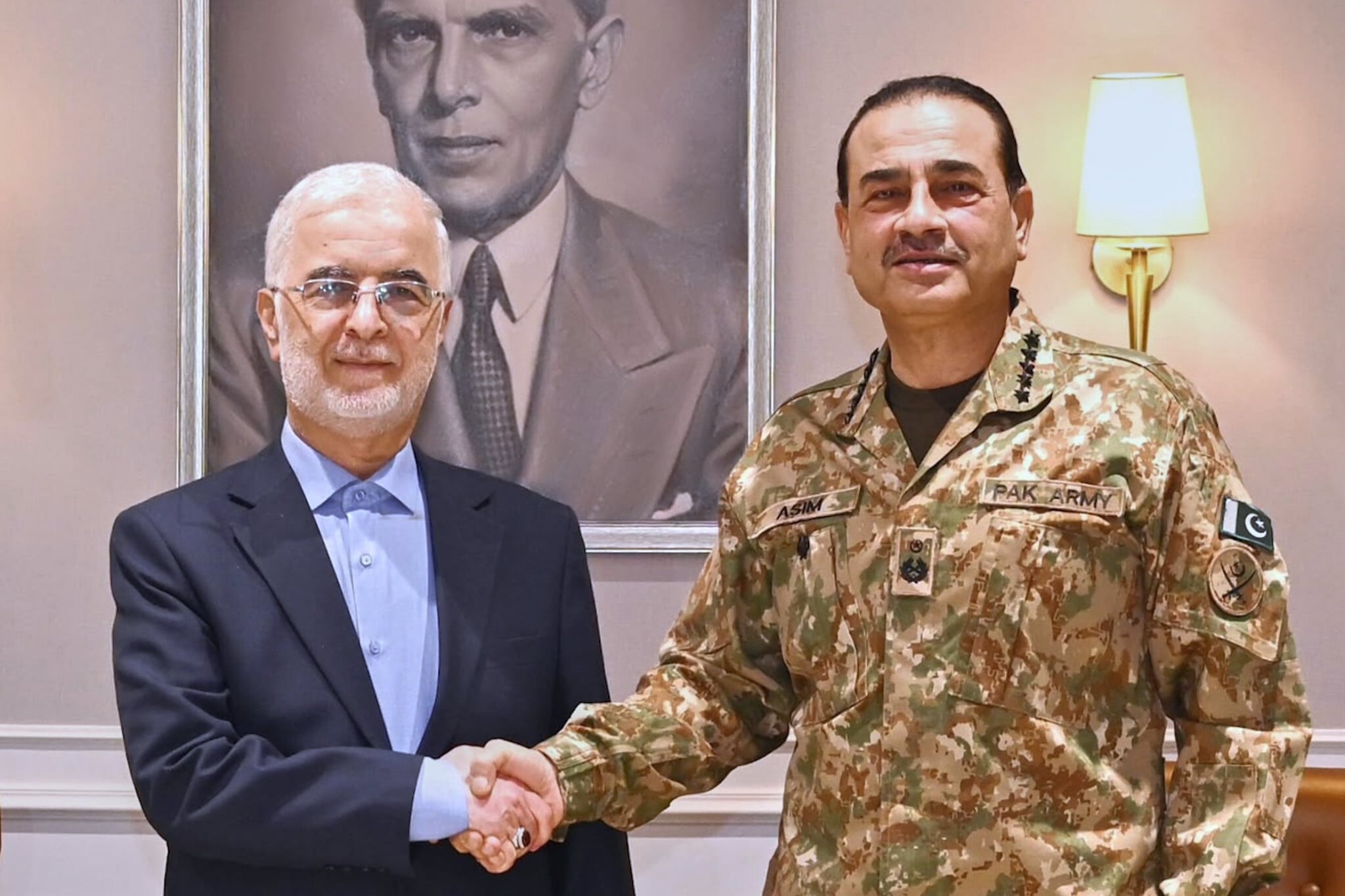
Baghaei said the visit is intended to strengthen bilateral cooperation between Iran and Pakistan and form part of Islamabad’s efforts to “help consolidate peace and security in the region.”
Two regional officials told The Associated Press that Munir’s visit is aimed at de-escalating tensions and encouraging the sides to return to negotiations.
Pakistan played a central role in efforts to halt the war, helping broker the June deal, but talks currently appear to have hit a wall.
Earlier this month, Pakistan also signed a joint defense agreement with Saudi Arabia and Turkey, a move some analysts viewed as an attempt to counter Iranian influence in the region.






The Times of Israel Community.