

US envoy tries to downplay remark that Israel occupies Golan, which defied American policy
Tom Barrack insists he was describing UN’s position on the territory, not endorsing it; also asserts he wasn’t advocating for Iran and Hezbollah to join Israel-Lebanon talks when he said they’re ‘missing from that table’
 Add ToI as a Preferred Source on Google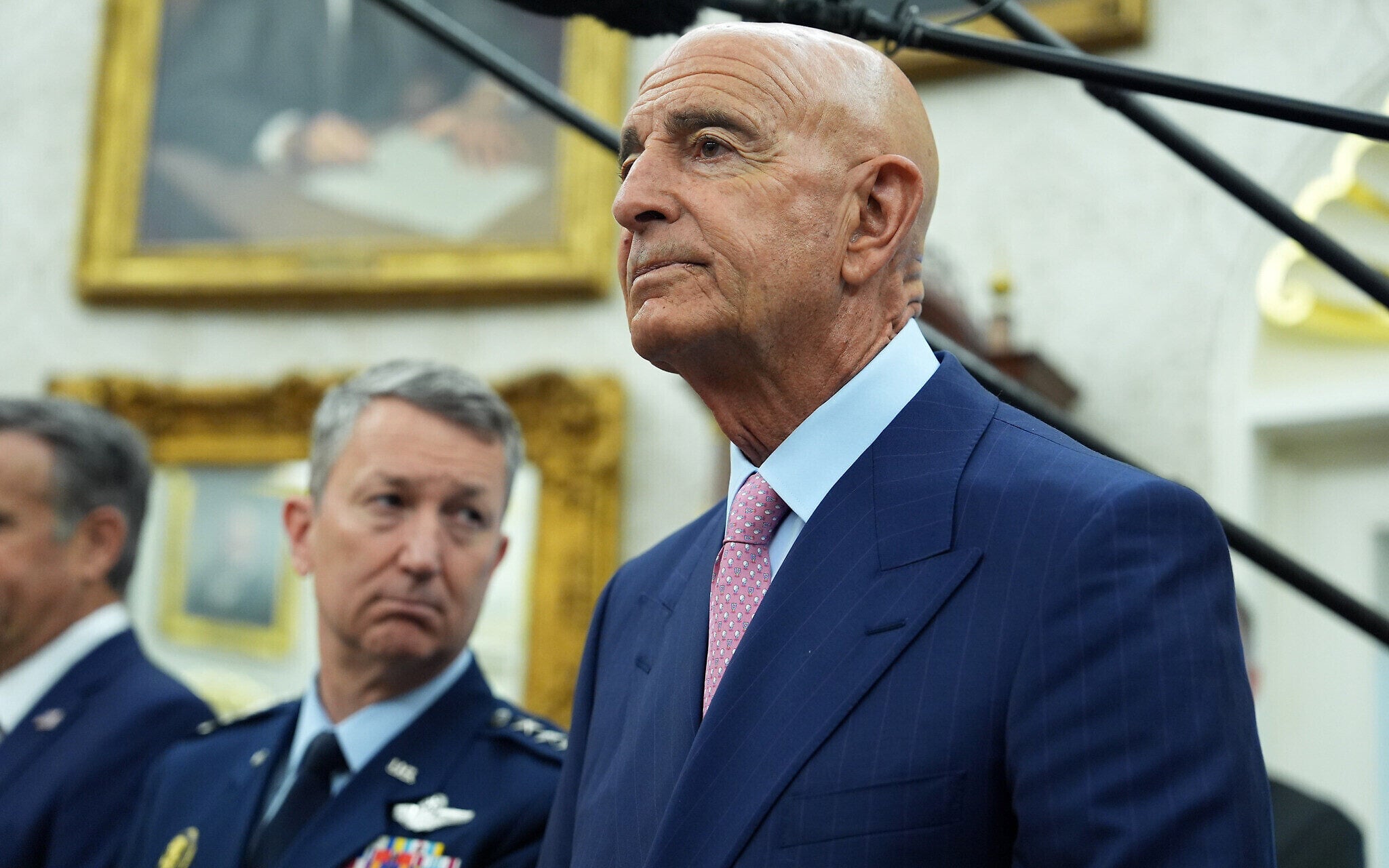
The US special envoy to Syria and ambassador to Turkey on Sunday attempted to walk back his comments from two days ago that Israel “still” occupies the Golan Heights, in violation of UN resolutions, remarks that went against US President Donald Trump’s position on the disputed territory.
Israel captured the Golan Heights from Syria in the 1967 Six Day War and annexed it in 1981. The UN considers the territory occupied Syrian land.
In 2019, Trump recognized Israeli sovereignty over the territory, reversing decades of US policy. That recognition was maintained by the Biden administration.
Ambassador Tom Barrack said in a Friday interview with Lebanese-Australian entrepreneur Mario Nawfal that “in the Golan, with Syria, they still occupy the Golan against the UN resolutions, against all the international order, which has said the Golan is Syria’s.”
Barrack claimed that was a description of the territory’s historical status, “not an endorsement of the United Nations’ position” on the Golan.
“United States policy on the Golan was set by President Trump in 2019 and is unchanged,” he said in a statement to the Associated Press.
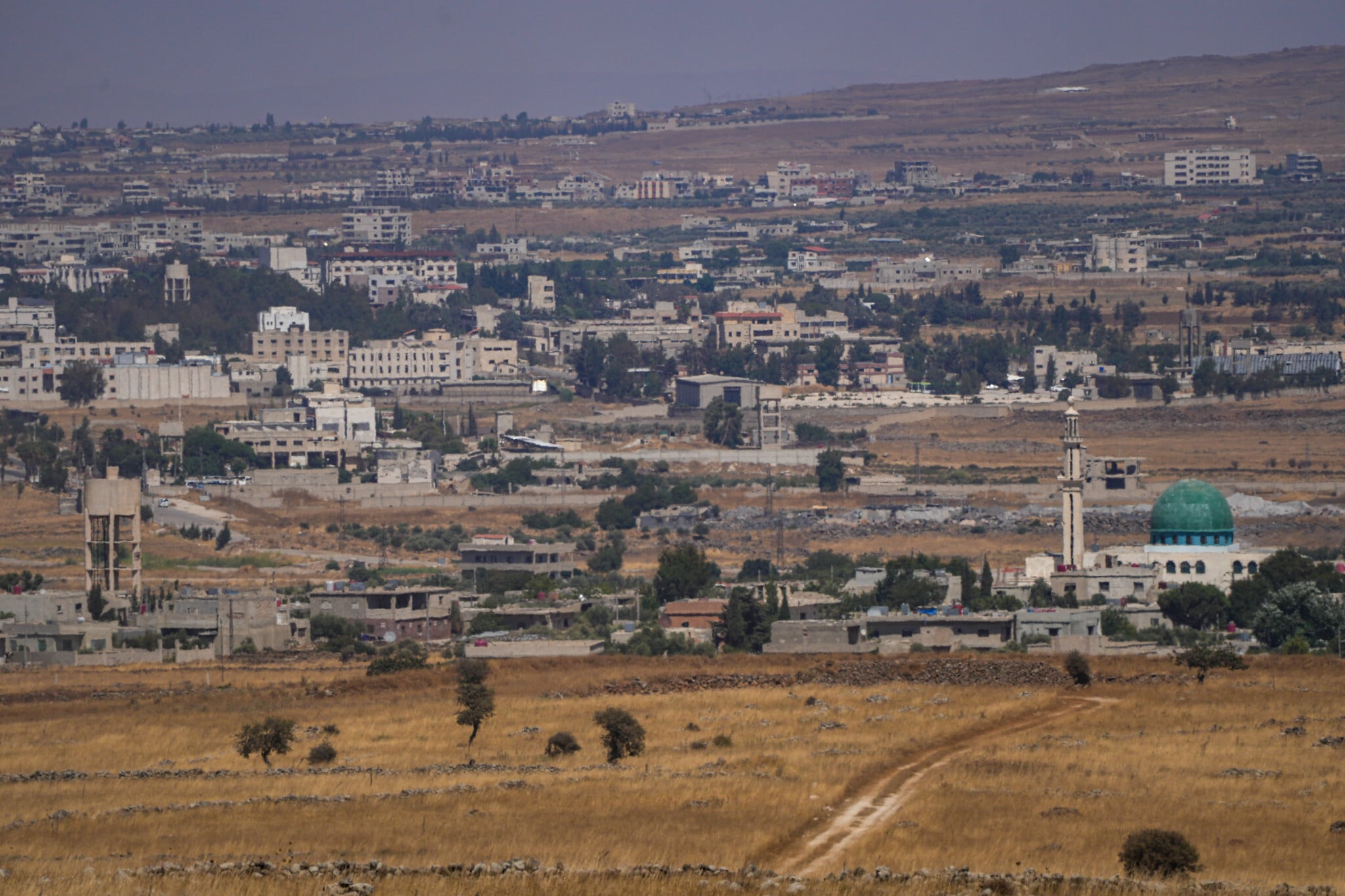
He said he intended to explain why he does not anticipate annexation in Lebanon, where Israeli forces are occupying parts of the south to dismantle Hezbollah infrastructure. He also said he had meant to argue that negotiated agreements, rather than territorial maps, were more durable and that he had cited the Golan as an example that “territory taken by force remains contested for generations.”
Defense Minister Israel Katz said Barrack’s remarks were “full of inaccuracies” and included “positions that contradict the position of US President Trump.”
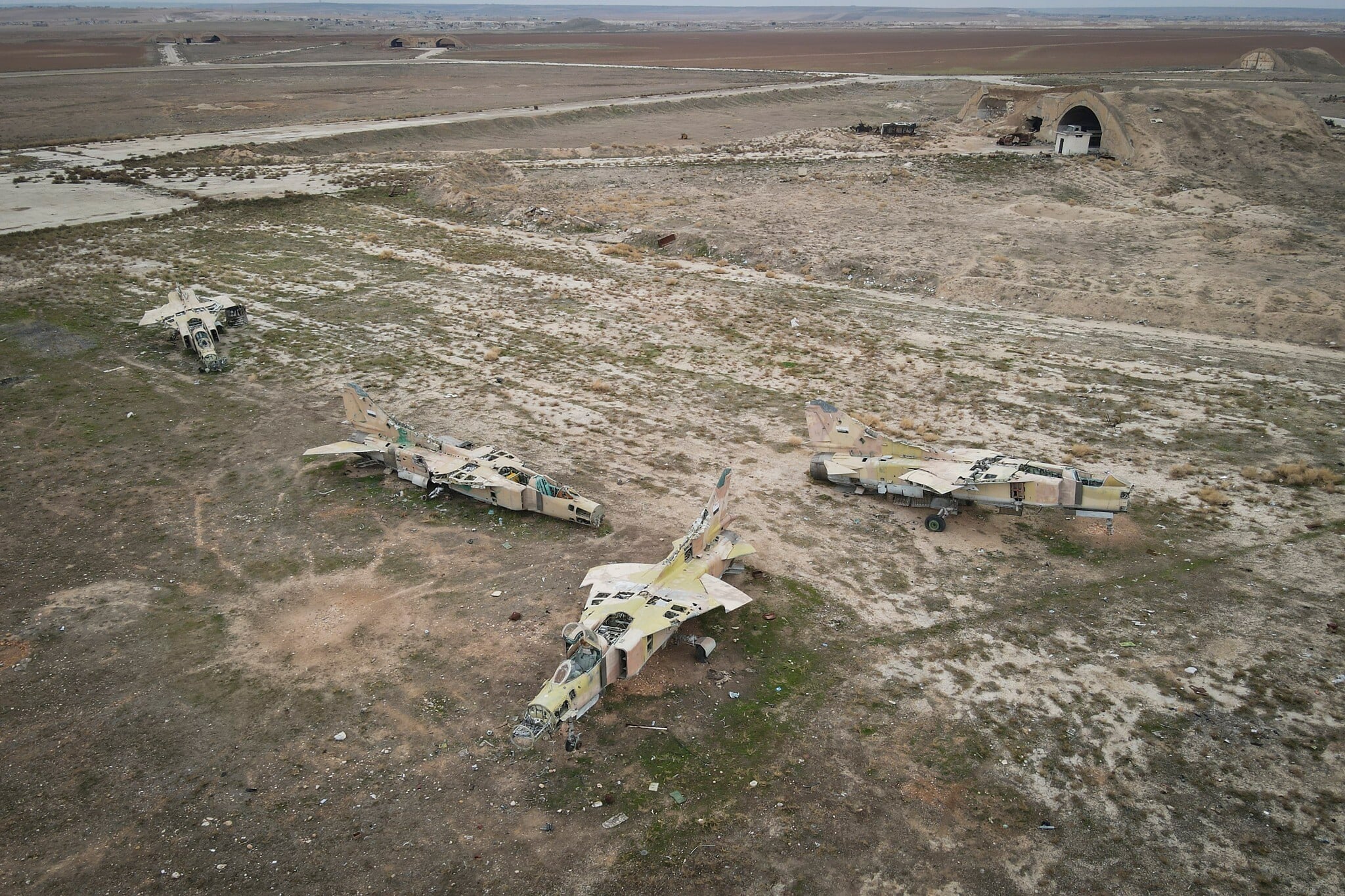
In the Friday interview, Barrack had also criticized Israel’s strikes on an airbase in northern Syria earlier last week. Israeli officials said the strikes intended to prevent Turkey from establishing a presence at the base.
Katz on Sunday defended the strikes, writing on X that critics who initially called it “unnecessary and politically motivated” changed their position after the government said they were based on “clear intelligence” and at the recommendation of the Israeli army. He added that Israel would not allow Turkey “to establish itself in Syria and threaten Israeli security.”
The strikes last Tuesday have highlighted growing tensions between Israel and Turkey over Ankara’s increased influence in Syria following the fall of Bashar Assad. Turkey and Syria have denied that Turkish forces were due to be deployed at the Abu al-Duhur military airport.
Barrack’s comments on the Golan also sparked a backlash in Washington. Florida Republican Senator Rick Scott wrote on X that the ambassador appeared to have “forgotten” Trump’s recognition of Israeli sovereignty over the territory.
Barrack went further on the defensive on Sunday, responding to criticism of his assessment of ongoing negotiations between Israel and Lebanon over Israeli withdrawal and the disarmament of the Iran-backed terrorist group.
He had said “there are two people missing from that (negotiating) table – Hezbollah and Iran.” That remark prompted speculation Barrack meant Tehran and Hezbollah should join the US-backed negotiations.
On Sunday, Barrack stressed that the US does not negotiate with Hezbollah, but said he was pointing out that “the weapons in question are supplied and financed by Iran,” which complicates negotiations over their fate.
“I was describing the difficulty of the problem, not proposing a new table,” Barrack told the AP. “Hezbollah is a designated foreign terrorist organization. We do not negotiate with it, and nothing I said suggests otherwise.”
He also defended his remarks questioning who would replace Tehran’s financial support for Shiite communities in southern Lebanon, saying that raising those questions was “not conferring standing on anyone.”



The Times of Israel Community.