

‘Hair-raising’: Oct. 7 bereaved families say Israel again downplaying Hamas threat
October Council report shows terror operatives crossing ceasefire line daily, planting explosives, stealing arms, but forces not allowed to respond and officials afraid to speak up
 Add ToI as a Preferred Source on Google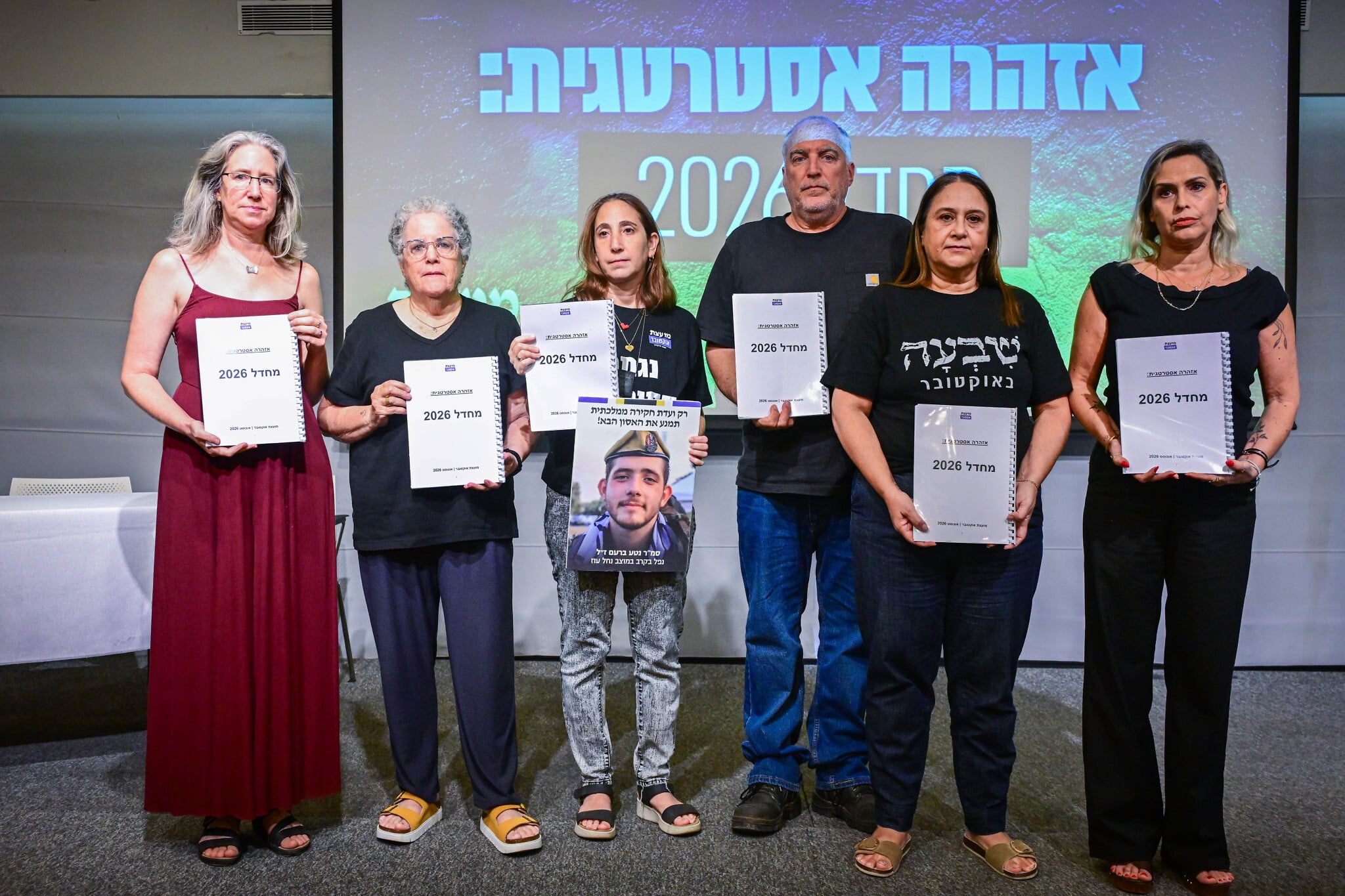
A damning independent report published Monday, citing soldiers and security officials, alleged that “warning lights” that went unheeded in the run-up to the October 7, 2023, Hamas attack were once again flashing, but that individuals in the security establishment were afraid to speak up about the country’s unpreparedness.
The document, which runs dozens of pages, was produced by the October Council, a group harshly critical of the government comprising hundreds of bereaved families, attack survivors, and former hostages. It cites testimonies from troops as well as conversations with security personnel from Israeli communities along the Gaza border.
“A disaster doesn’t begin the moment the enemy crosses the border. It begins when the warning signs are before our eyes, but the system doesn’t connect the dots,” said the report, titled “Failure 2026.”
Presenting its findings to the press on Monday, the council listed a series of “warning lights” reminiscent of the lead-up to the Hamas invasion.
They were: the terror group’s remaining arsenal; warnings from surveillance soldiers of unusual behavior; operatives crossing the ceasefire line to test the army’s response; a strain on reservists and other forces; the suppression of dissent within the security forces; and the absence of an independent body with the authority to comprehensively investigate the failures surrounding the attack three years ago.
According to the council’s investigation, combat and surveillance soldiers are again warning the army that Hamas operatives in the Gaza Strip are testing Israeli forces and successfully identifying weaknesses that might be exploited in a coming attack.
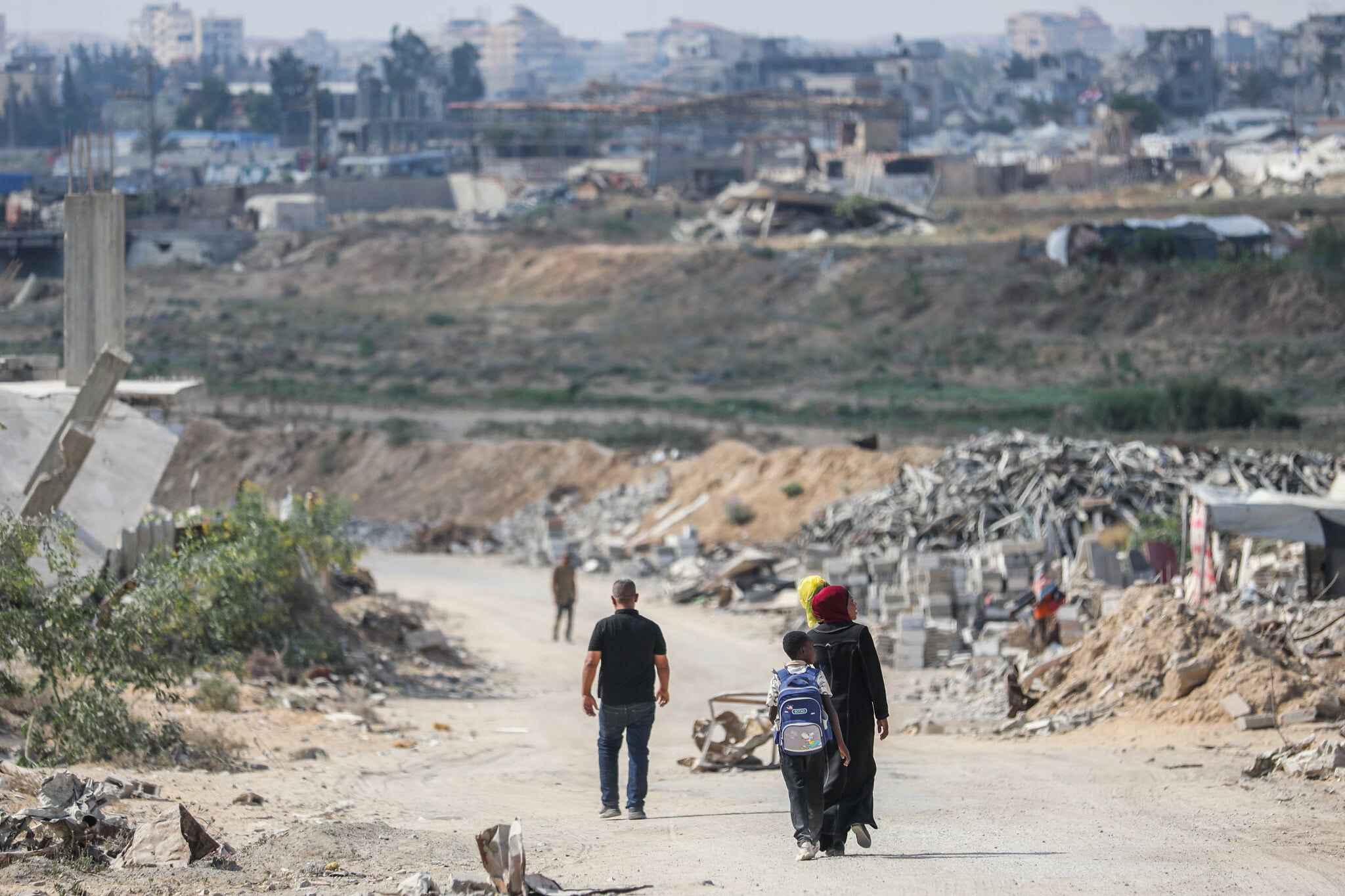
Many such incidents occur on the so-called Yellow Line, which ostensibly separates the Israeli-controlled part of Gaza from the remainder of the enclave still controlled by the terror group.
The report said Hamas operatives have been recorded approaching Israeli forces, planting explosives, gathering intelligence, and even stealing weapons, but that when soldiers identify such behavior, clearance to respond is often delayed or never given.
A reservist officer quoted in the report said: “It’s not that gunmen come up to the border, up to the Yellow Line, and stop there. They cross it.”
“They cross this line day after day, they approach, they check us out, and sometimes – unbelievably – they manage to steal weapons from territory that the IDF is supposed to have total control over,” he continued.
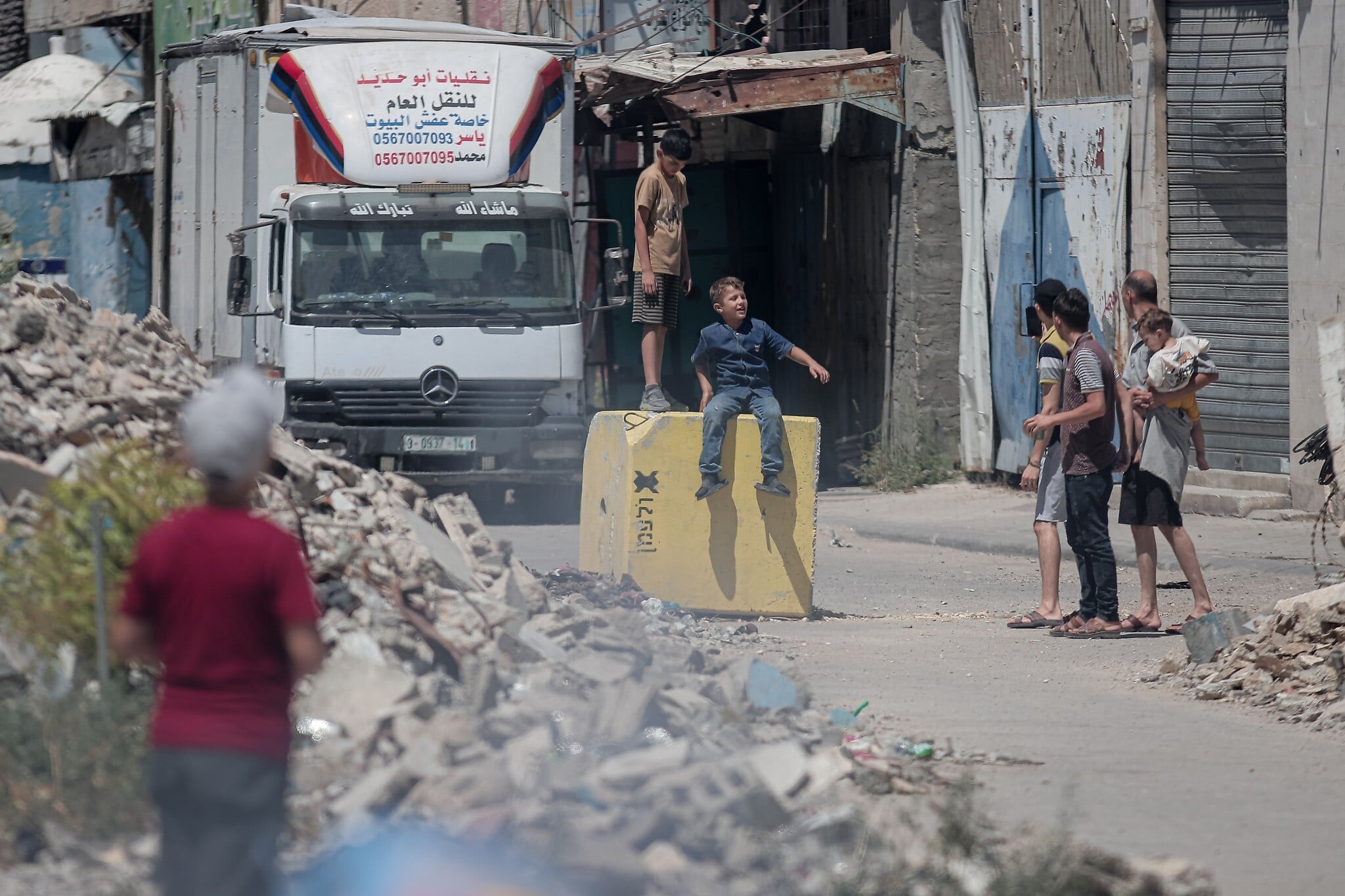
“We are just a few meters from the enemy, we see them with our own eyes — and the orders tie our hands. Instead of defeating them, we ‘contain’ them. Instead of addressing the root of the problem, we continue to manage the failure.”
Another soldier warned: “The moment there’s another entry [by forces into the Hamas-controlled area], there will be a crazy amount of damage from IEDs.”
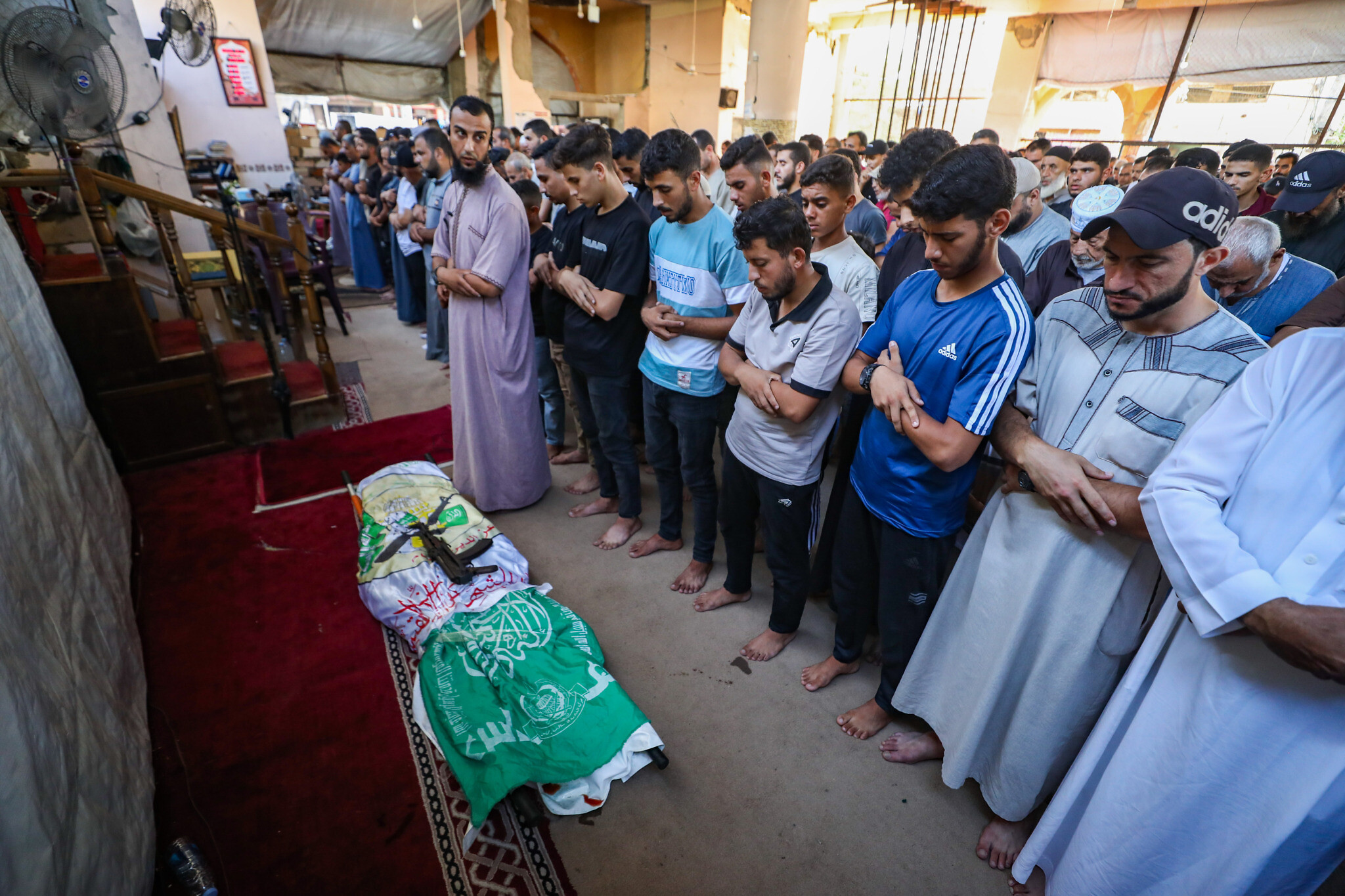
The report stressed that Hamas has been severely weakened by Israel’s military campaign in Gaza, but that it has not been fully dismantled.
The terror group “has not yet been disarmed and continues to recruit, manufacture [weapons], rehabilitate itself and reestablish governing mechanisms,” it said.
While Israel continues to engage with Washington’s plans for international and alternative governing mechanisms for postwar Gaza, Prime Minister Benjamin Netanyahu has rejected Washington’s latest disarmament plan for phased Israeli withdrawal alongside Hamas’s disarmament, insisting that the IDF will not withdraw further or allow reconstruction to begin until Hamas is fully disarmed.
A senior security official from an Israeli community along the Gaza border told the council: “What’s disturbing is not any one event – it’s the accumulation that we’re seeing again.”
“Before October 7, every warning sign had an explanation, but in the end we discovered that the signs all made up a bigger picture that we didn’t want to see,” the official said.
According to the report, soldiers and officials are once again afraid to speak up about their concerns.
“Over the course of preparing this brief, we spoke with dozens of parents, soldiers, and people in the field. We heard hair-raising testimonies about what they’re seeing today, about the gaps, the warnings, and the things that they say are not being taken care of,” the council wrote in its introduction.
“Again and again, we asked them to expose these things, and again and again we received the same answer: We’re afraid.”
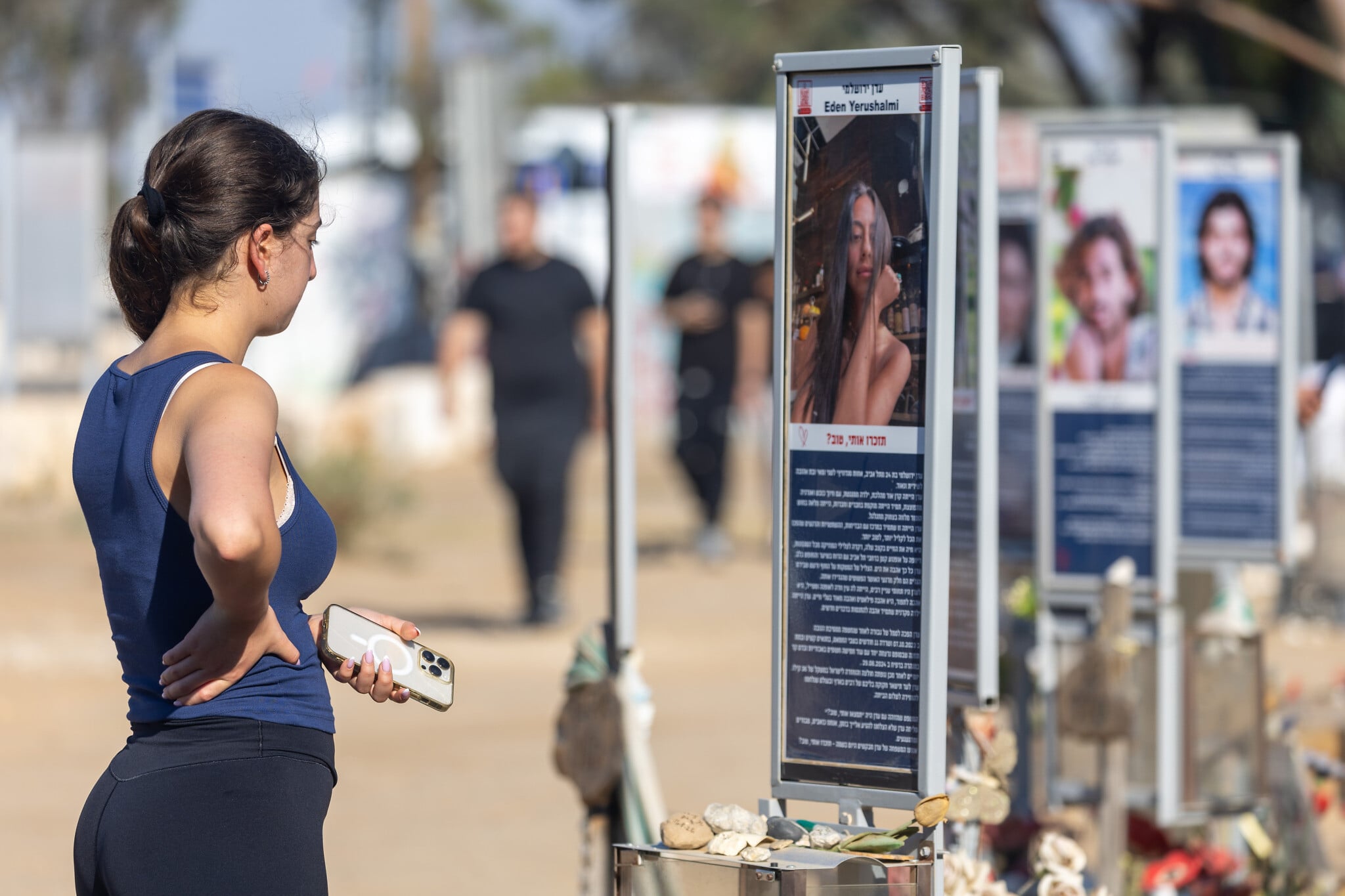
Sources told the council that suppression of dissent was “coming from on high,” with one ex-official even alleging that “the prime minister’s emissaries are running a deterrence campaign,” in a quote carried by Channel 13.
“I’m telling you from [first-hand] knowledge: security officials who have argued time and again that our deterrence is falling apart have been silenced,” the ex-official said.
The council, in a demand it has made since its inception, again called for a state commission of inquiry into the failures surrounding the Hamas invasion and subsequent war – a move endorsed by the majority of Israelis, but opposed by the current government, which has argued such a probe would be biased against it.
A state commission of inquiry is Israel’s highest investigative authority, with unique power to subpoena witnesses. It is established by government decision but acts independently, and comprises experts selected by the judiciary. Netanyahu has instead pushed for a government-backed probe with a mandate determined by the ruling coalition.
Leon Kraiem contributed to this report.







The Times of Israel Community.