

Refusing security protection for Eisenkot is a dangerous gamble, detached from reality
After an abusive verbal assault at a campaign event and a vicious message on his son’s grave, leaving the leading candidate for prime minister exposed raises grave concerns
 Add ToI as a Preferred Source on Google
Shalom Yerushalmi is the political analyst for Zman Israel, The Times of Israel’s Hebrew current affairs website
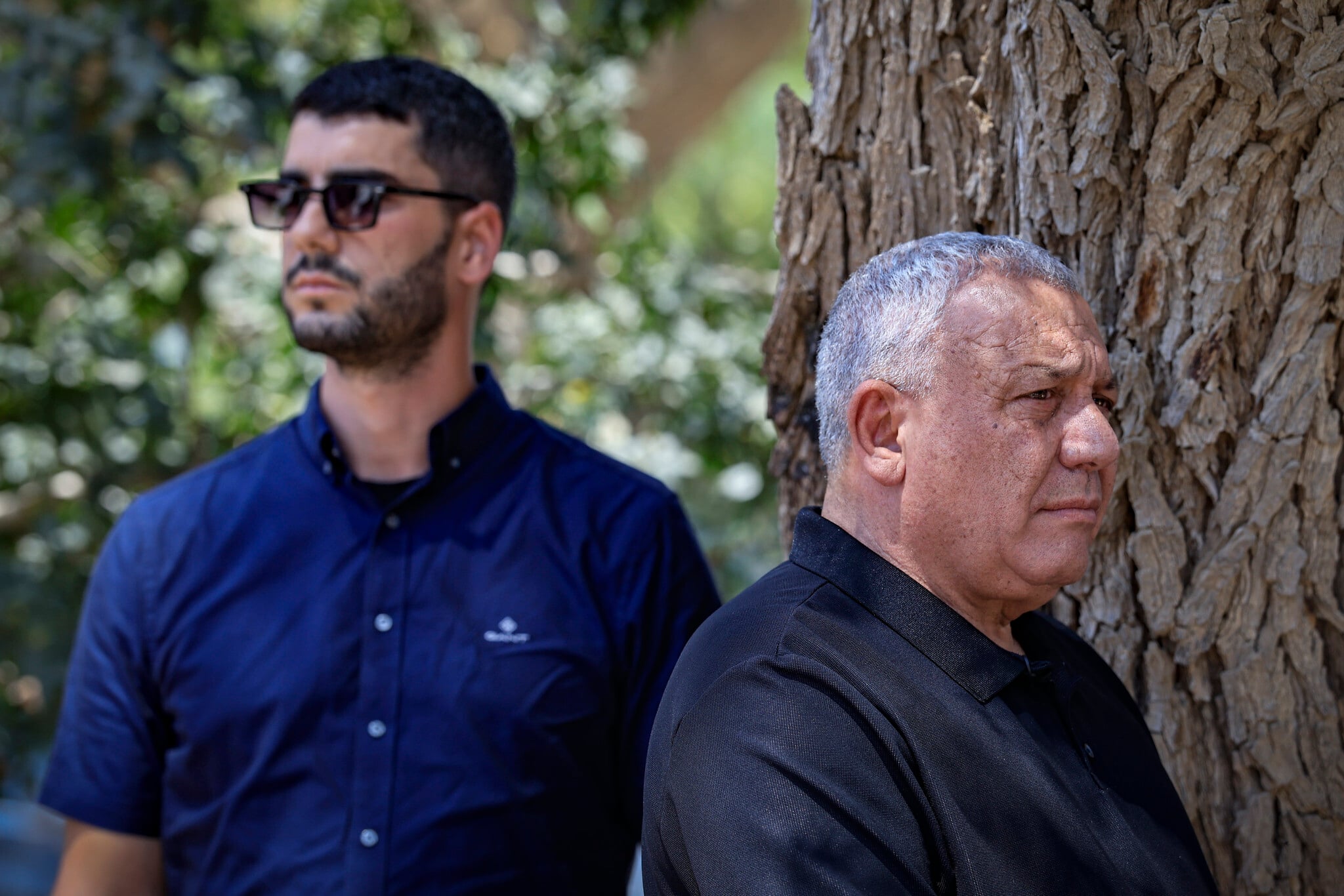
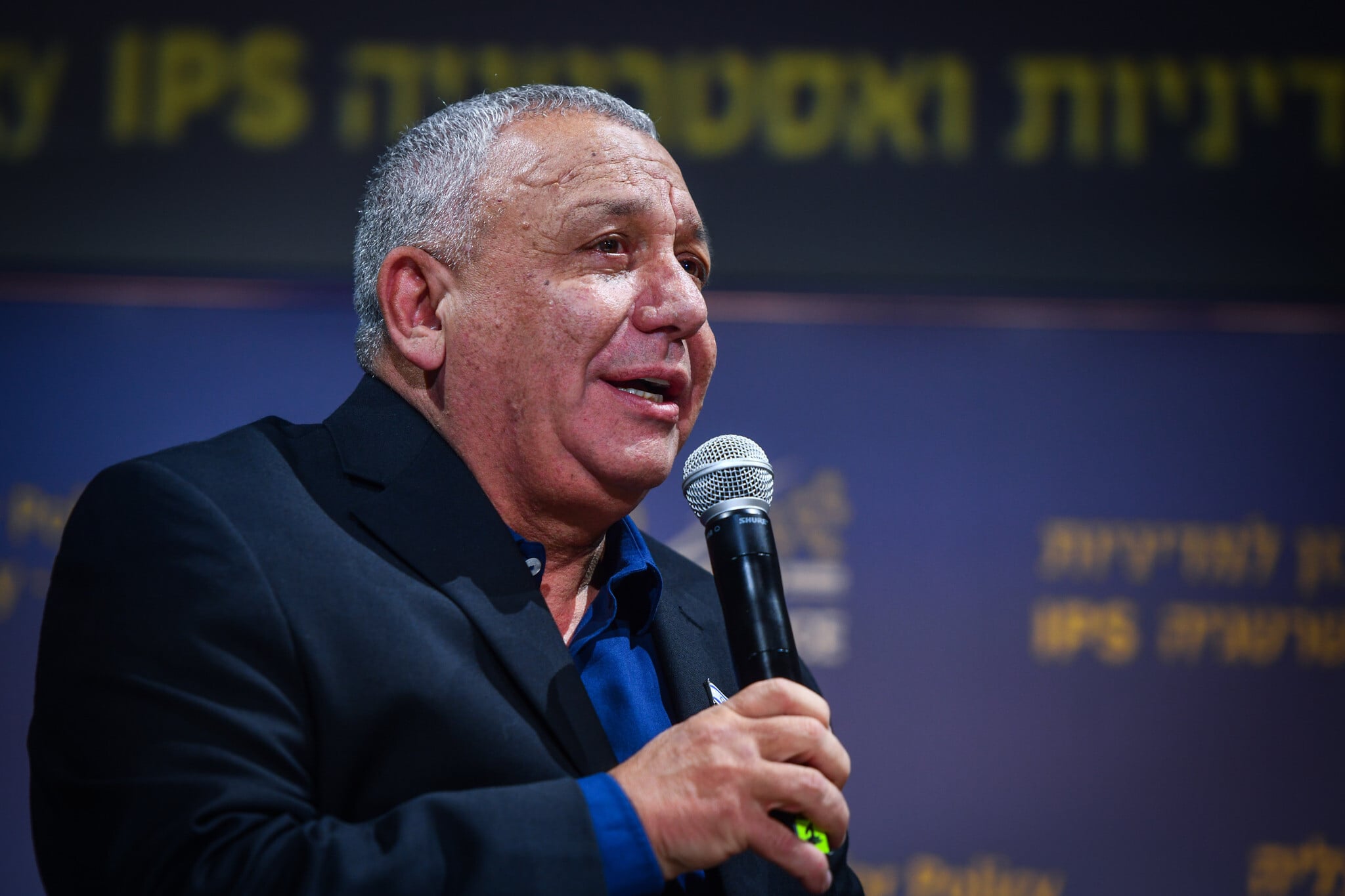
Last week, Yashar party leader Gadi Eisenkot held a campaign event in the southern city of Kiryat Malachi. The Koresh synagogue on David Ben-Gurion Street was packed to the rafters, primarily with guests who had traveled from nearby communities and kibbutzim. City council member Elior Amar moderated the gathering.
The first speaker was Yoram Cohen, the former Shin Bet chief who is now the No. 2 on Eisenkot’s electoral slate. Just two minutes after Cohen began his address, a local thug erupted in a barrage of abuse and threats, attempting to derail the entire event. The man had been sitting patiently near the front, biding his time.
It was a difficult scene to witness. A former Shin Bet chief stood at the podium, forced to endure vile threats and the lowest kind of verbal abuse.
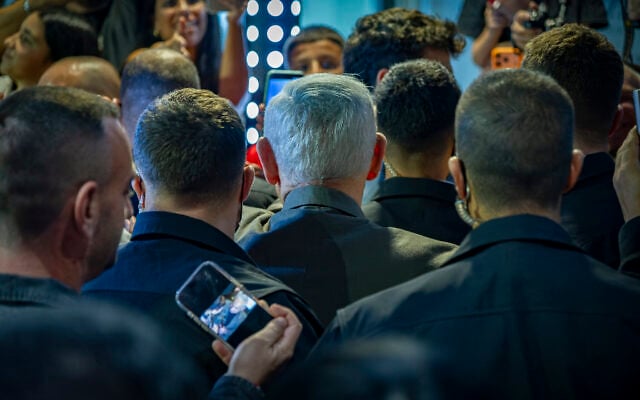
Sitting in the front row was Eisenkot himself, whom current Shin Bet chief David Zini flatly refuses to provide with a security detail. Eisenkot did not turn around, but he shifted with visible discomfort in his chair, his lips pursed. I noticed that the three security guards who had accompanied him stood calmly near the stage, prepared to protect Cohen, who was the direct target of the attack.
I am no expert on security details, but I did not see guards simultaneously shielding Eisenkot from the front and the rear, as is standard procedure when a senior state official attends this type of event.
Eisenkot’s three guards wore COVID-19 masks, but they were unarmed because they are not legally permitted to carry weapons. None of them moved to intercept the heckler. Instead, it was Amar who approached the man, attempting to coax him into leaving, alongside a police officer and an excessively polite usher.
When those efforts failed, a large, broadly built man in the audience rose from his seat and helped eject the heckler, who continued swearing at Cohen and the rest of the attendees on his protracted way out.
The event ended without further incident. Eisenkot later encountered the heckler outside and patiently explained to him that he was, in fact, the one who had pushed the war cabinet to capture Gaza City and strike Iran — contrary to the false narratives being spread about him.
However, the entire tense episode was a security fiasco. No one checked the hundreds of people entering and exiting the venue, and no one even bothered to ask whether anyone was carrying a weapon. Eisenkot’s sheer level of physical exposure in this instance should terrify anyone who cares about his welfare.
All of this might have been understandable if Eisenkot were not under active threat. But he most certainly is, and not just in Kiryat Malachi.
August 10 marked the birthday of the late Master Sgt. (res.) Gal Eisenkot, Eisenkot’s son, who fell in combat in Gaza in December 2023. When the family visited Gal’s grave, they were horrified to discover that someone had left a cruel message on the headstone: “Gal the fighter, it’s a shame your father doesn’t protect the soldiers.”
Eisenkot himself apparently recoils from the idea of a close-protection detail. During his tenure as IDF chief of staff, he refused to accept bodyguards even when the threats against him intensified. Today, anyone visiting the Yashar party headquarters on the outskirts of Ramat Hasharon encounters an ordinary intercom with zero security checks or escorts.
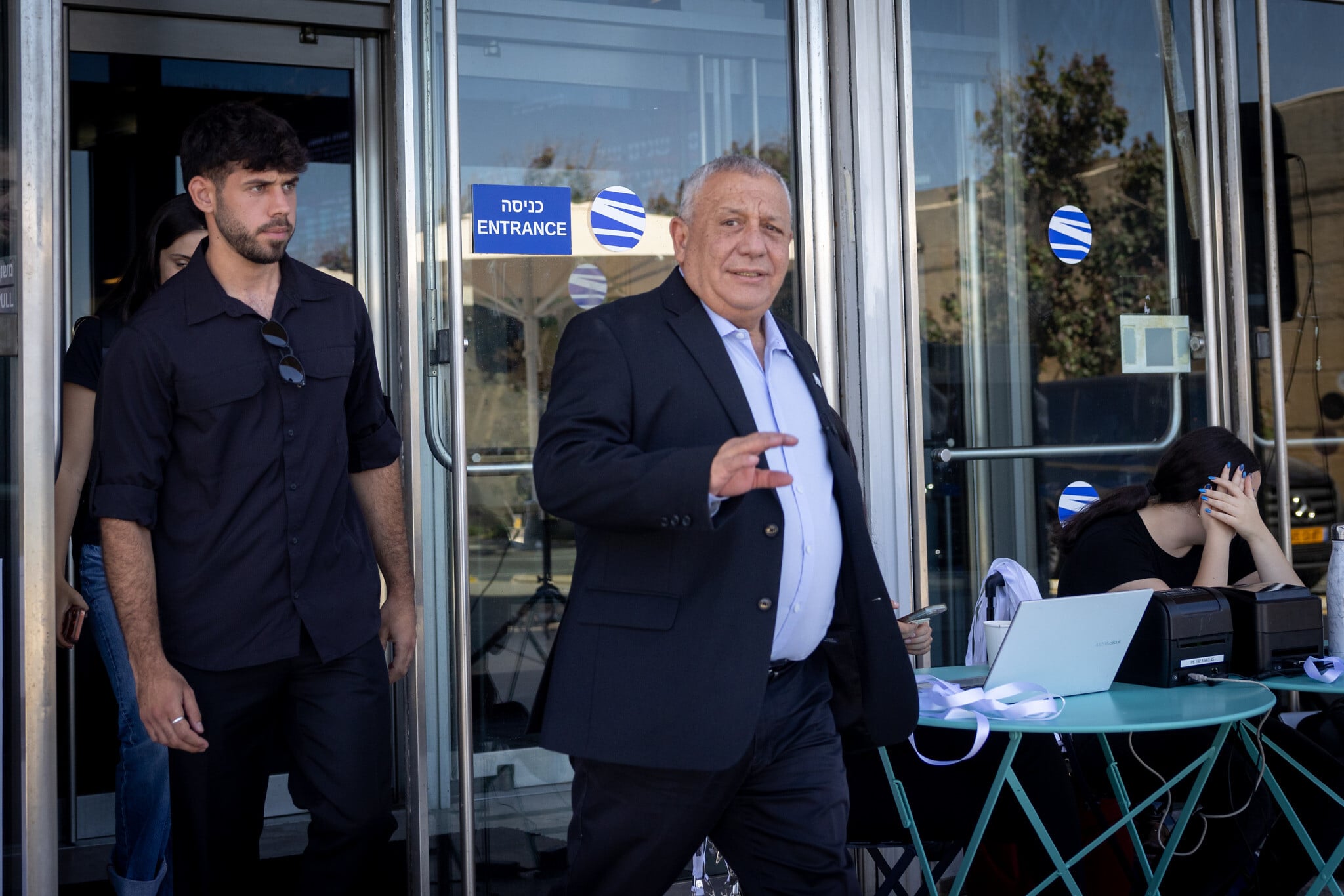
Instead, Eisenkot hires private guards at his party’s expense to accompany him only at public appearances.
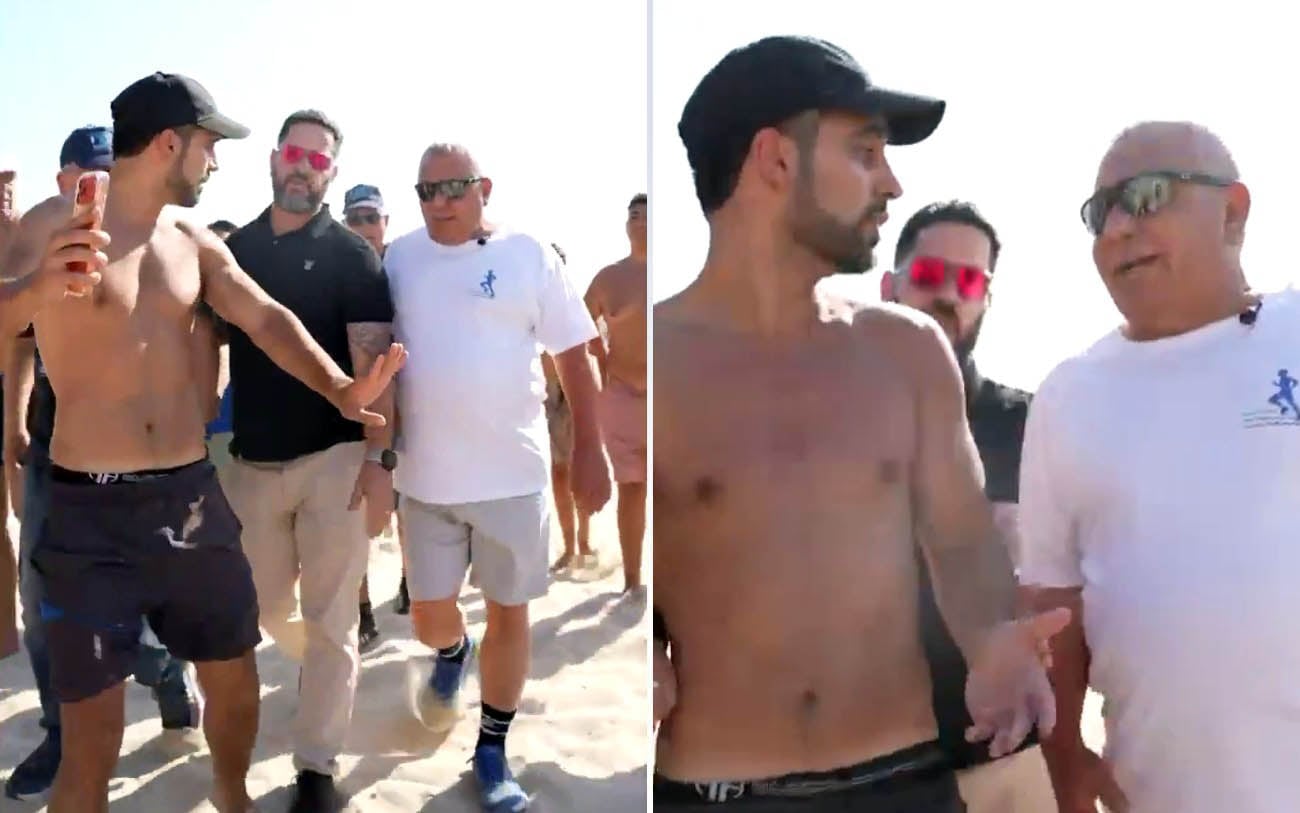
Two weeks ago, Eisenkot and his guards encountered far-right provocateur Mordechai David at the beach. David is a notorious agitator known for aggressively harassing and blocking former officials and liberal figures. The former IDF chief of staff bluntly told David to go serve in the military before he dared to approach him.
It is true that Eisenkot is not an official “symbol of government,” and therefore the Shin Bet is not legally mandated to protect him as it does the president of Israel, prime minister, Knesset speaker, Supreme Court president, and opposition leader. But the current reality demands a different approach.
Eisenkot is currently the leading candidate for prime minister. Polls consistently show his party as the largest, and he is steadily widening his lead in surveys asking the public who is best suited for the premiership.
Eisenkot is arguably the single most sought-after target for violent and dangerous political extremists, of whom there is no shortage in Israel. And that is before we even consider the fact that a former IDF chief of staff running for prime minister is a prime target for Israel’s enemies across the seven active fronts of the ongoing regional war (including Iran, Gaza, Lebanon, the West Bank, Yemen, Syria, and Iraq).
Shin Bet chief Zini said on Sunday that he takes full responsibility for the decision not to provide Eisenkot with state security, but I would strongly suggest he attend events like the one in Kiryat Malakhi to witness himself the sheer level of risk and inadequate protection.
Regardless, Zini’s decision sparked widespread public criticism — so much so that Prime Minister Benjamin Netanyahu reportedly instructed the Shin Bet chief to ensure Eisenkot receives “an adequate level of security, as necessary.”
According to Channel 12 political commentator Amit Segal, who reported on Netanyahu’s directive, Zini responded to the prime minister by insisting he was doing the maximum possible and was “acting according to the rules and according to the law.”
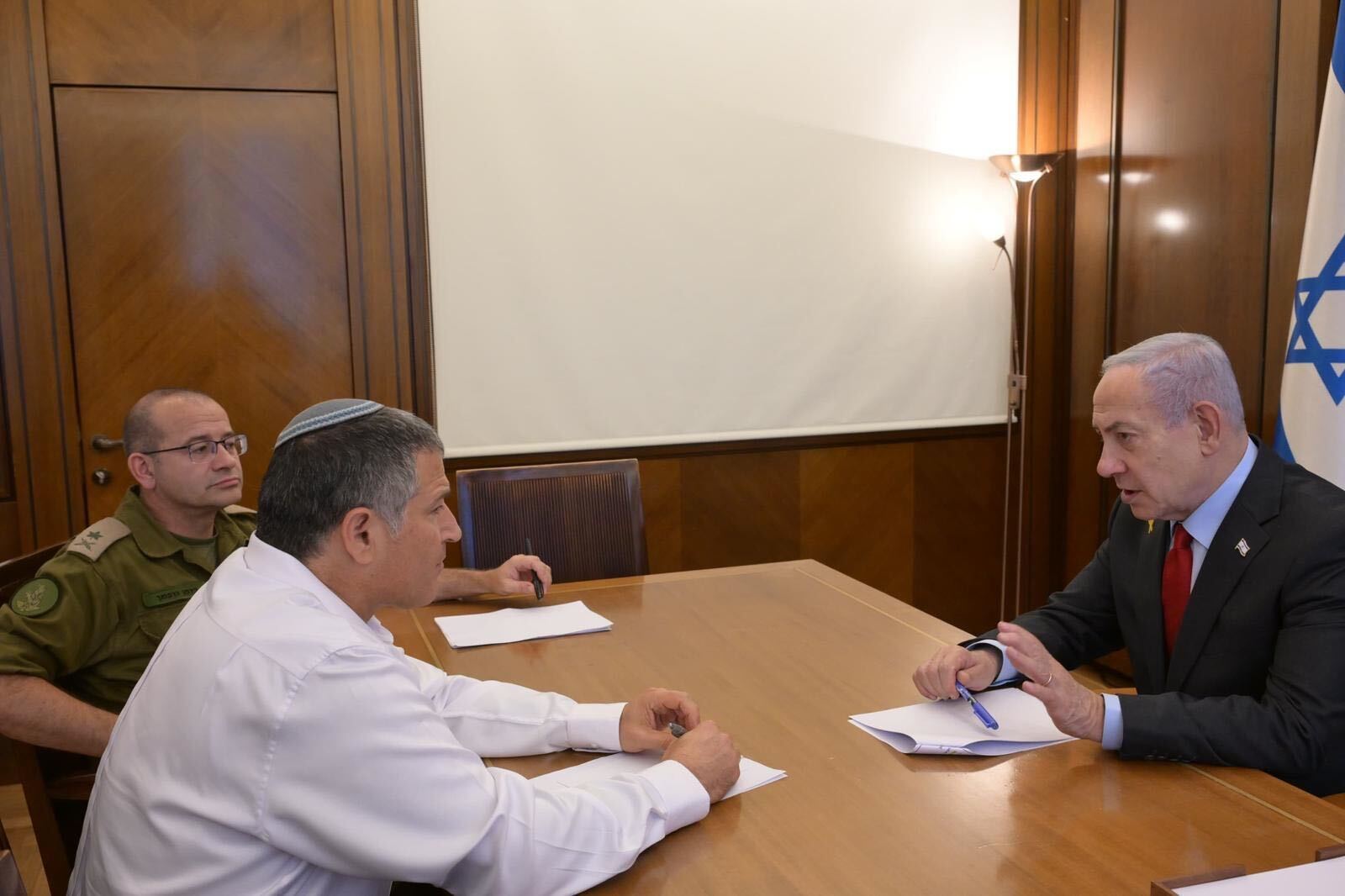
This raises another troubling question: Is Zini quietly coordinating with Netanyahu? Is there someone who deliberately does not want Eisenkot to have a protective detail so as not to project the image of a prime minister?
Zini’s appointment by Netanyahu in late 2025 was shrouded in controversy; a group of former Shin Bet chiefs warned he was “messianic,” while Zini himself later stated he was offered the job due to his “ability to be loyal to the elected leadership.”
Protecting a senior state official requires an accompanying Shin Bet armored vehicle with at least two guards working in shifts and rotating every eight hours. That translates to a total of six close-protection officers around the clock, plus heavy reinforcements at public events, exactly as senior state officials — or members of Netanyahu’s own family — regularly receive.
Security on that massive scale could easily create the visual impression that Eisenkot has already been elected prime minister. It is far from certain that everyone currently in power wants to help create that impression.


The Times of Israel Community.