 Add ToI as a Preferred Source on Google
The Battle at Sufa
Between the gates and the sirens
“One jeep broke toward the dining hall. I went in on foot. How naive I was at that stage. It was almost 9 a.m. Until then I hadn’t seen the terrorists with my own eyes, and suddenly, inside the outpost, they were standing right in front of me.”
— Lt. Col. Or Ben-Yehuda, commander of the Caracal Battalion
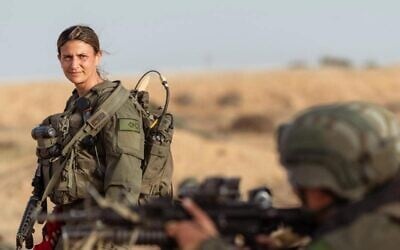
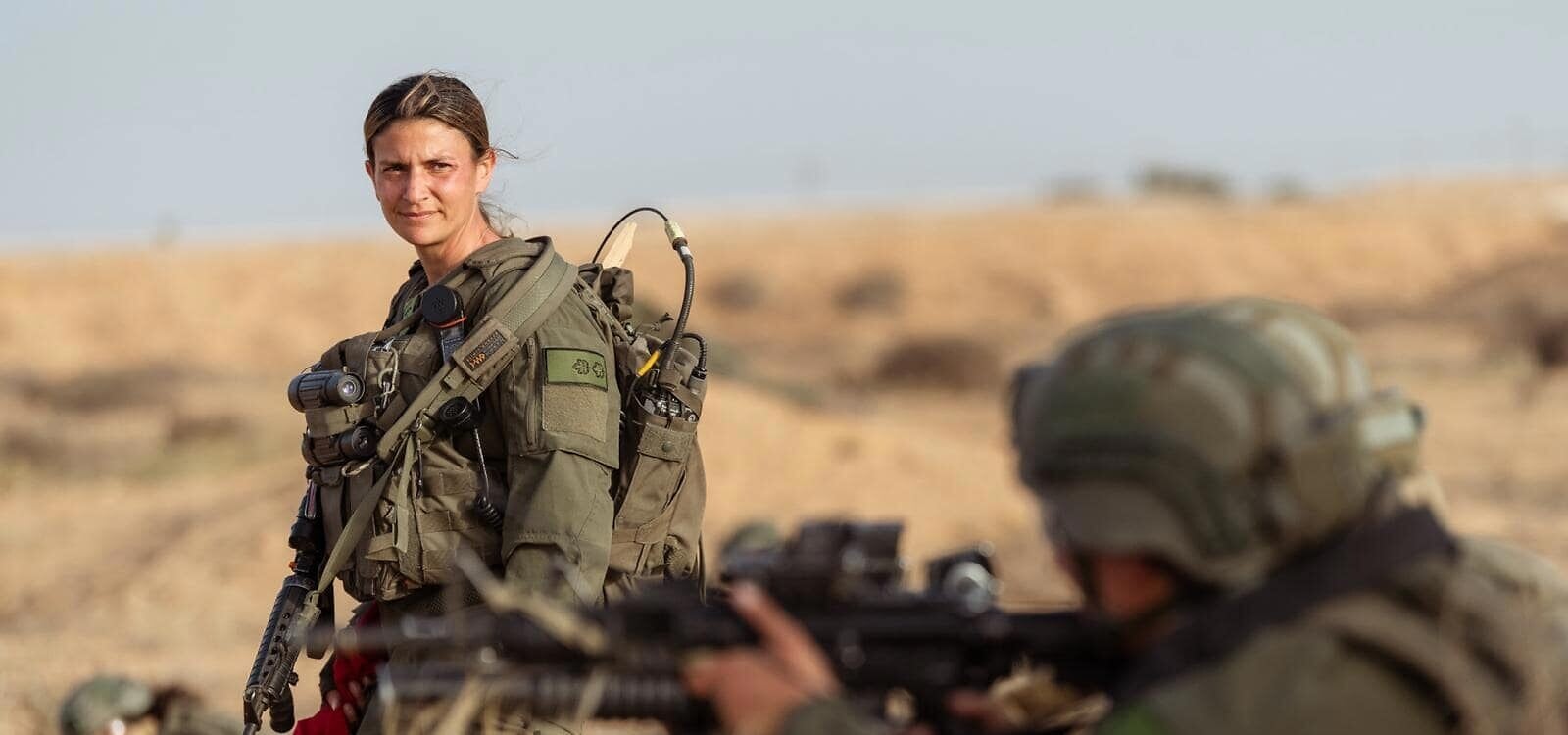
At 6:29 on the morning of Simchat Torah, Lt. Col. Or Ben-Yehuda, commander of the Caracal Battalion, was driving along the border fence between Israel and Egypt in her battalion commander’s jeep, accompanied by several soldiers from her command team.
The original plan for that morning was routine: make sure the sector was calm, that the peaceful border with Egypt was as quiet as always, and open the gates along Route 10 for holiday hikers who wanted to see the cliffs, sun-bleached desert and open vista.
The Caracal mixed-gender Battalion is responsible for defending a large area stretching from the Egypt–Gaza Strip–Israel border junction at the northern end of Route 10 to the Nitzana outpost, some 40 kilometers of barren wilderness south. The battalion’s home base is at the southern end of this expanse, at Nahal Raviv, near Ketziot.
Lt. Col. Ben-Yehuda had begun her day at 5 a.m. Ever since she was wounded in 2014, in a firefight for which she was awarded a citation from the head of Southern Command, she had made a point of heading into the field more heavily armed than necessary: extra magazines, meticulously arranged personal gear, and three LAW anti-tank missiles in the trunk. Her friends used to laugh at her: “Who drives around with three LAW missiles on the quiet Egyptian border?”
When the first rocket was fired at Israeli territory and the sirens began to wail, she was in the jeep, fully equipped for combat, and was already on the phone with one of the people closest to her in the IDF, Lt. Col. Yehonatan Tzor, commander of the Nahal Reconnaissance Unit, who was in charge of the sector adjacent to hers. Barnash, as Tzor was known, told her that his soldiers were under attack at the Sufa outpost, where they were stationed for Shabbat.
The scale of the infiltration was not yet clear. Ben-Yehuda and Barnash decided to put a drill they had practiced just a few days earlier into effect. He would take the fence line; she would defend the cluster of farming communities near Sufa.
Ben-Yehuda sped north along the frontier road. At the Snai army post, near Moshav Avshalom in the farming cluster, she received a report of a direct rocket hit. She added the battalion medical team to her force, consisting of an ambulance carrying a paramedic, two medics and a driver, all female. Another phone call from Barnash brought the situation into stark focus: “Or, Sufa has fallen. Terrorists in the outpost and at the memorial.”
A short time later, Barnash sent Ben-Yehuda the phone numbers of his officers on WhatsApp, and then recorded a brief voice message for her: “Orchka, be careful. There are tons of terrorists in the area. Take care of yourself. I’m doing 200 [KPH] to get to you. See you!”
After turning onto Route 232, Ben-Yehuda passed not far from the entrance to Holit, unaware that terrorists had already infiltrated the kibbutz and were carrying out a massacre there.
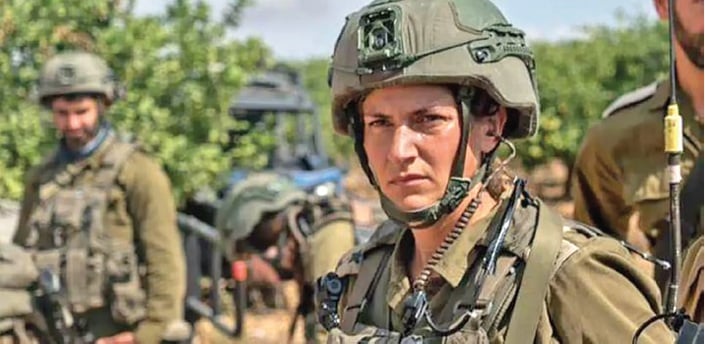
She continued toward the Sufa outpost, adjacent to a small kibbutz of the same name.
It was now 7:45 a.m., and the first sight that greeted her there struck her hard: an armored personnel carrier overturned at the side of the road, with thick smoke rising from it, after it had been hit by an anti-tank weapon.
The Nahal soldiers who had been inside the APC, some of them seriously or moderately wounded, were lying alongside it; several were in position to provide cover fire. Ben-Yehuda understood that she had entered an active combat zone.
The women in the medical team jumped out of the ambulance, crouched beside the wounded and began administering first aid as she advanced with her soldiers toward the gate of the Sufa outpost.
She was informed that around 30 Nahal troops were trapped inside the outpost dining hall, under attack from gunfire and grenades, and that the reconnaissance unit’s deputy commander, Maj. Roey Chapell, was fighting at the nearby Dangur Memorial.
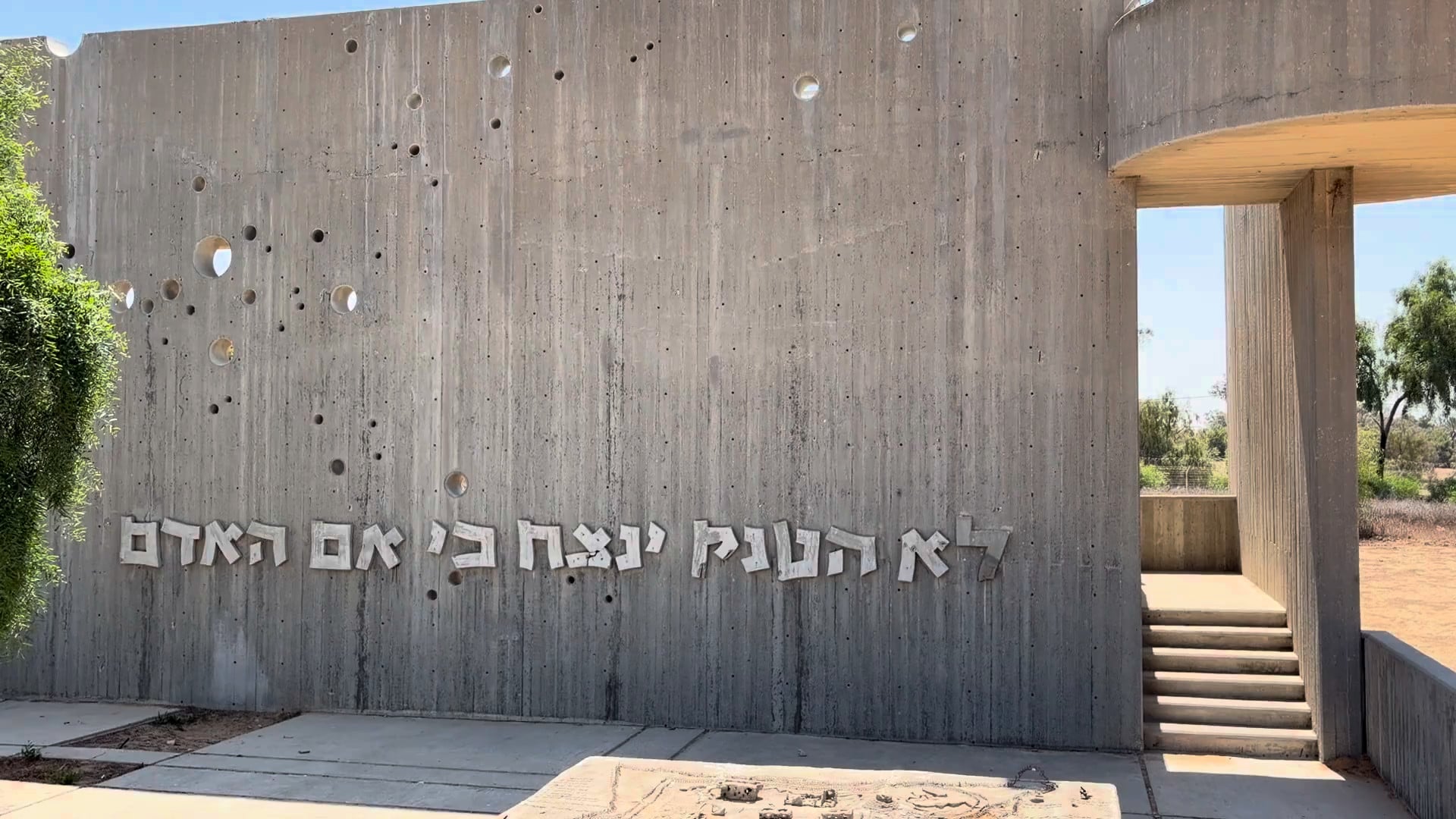
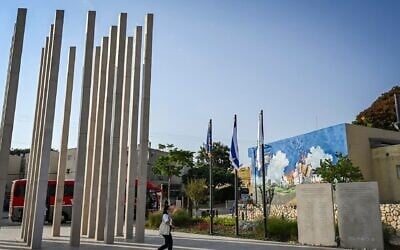
The memorial, erected in 1985 in memory of the 1948 battle for Kibbutz Nirim, is designed to resemble an old fortification, with small circular slits in the structure that soldiers inside could fire from.
It stands on a hill overlooking Gaza on one side and Sufa’s orchards on the other. Inscribed on its concrete wall are the famous words: “It is not the tank that will triumph, but the man.”
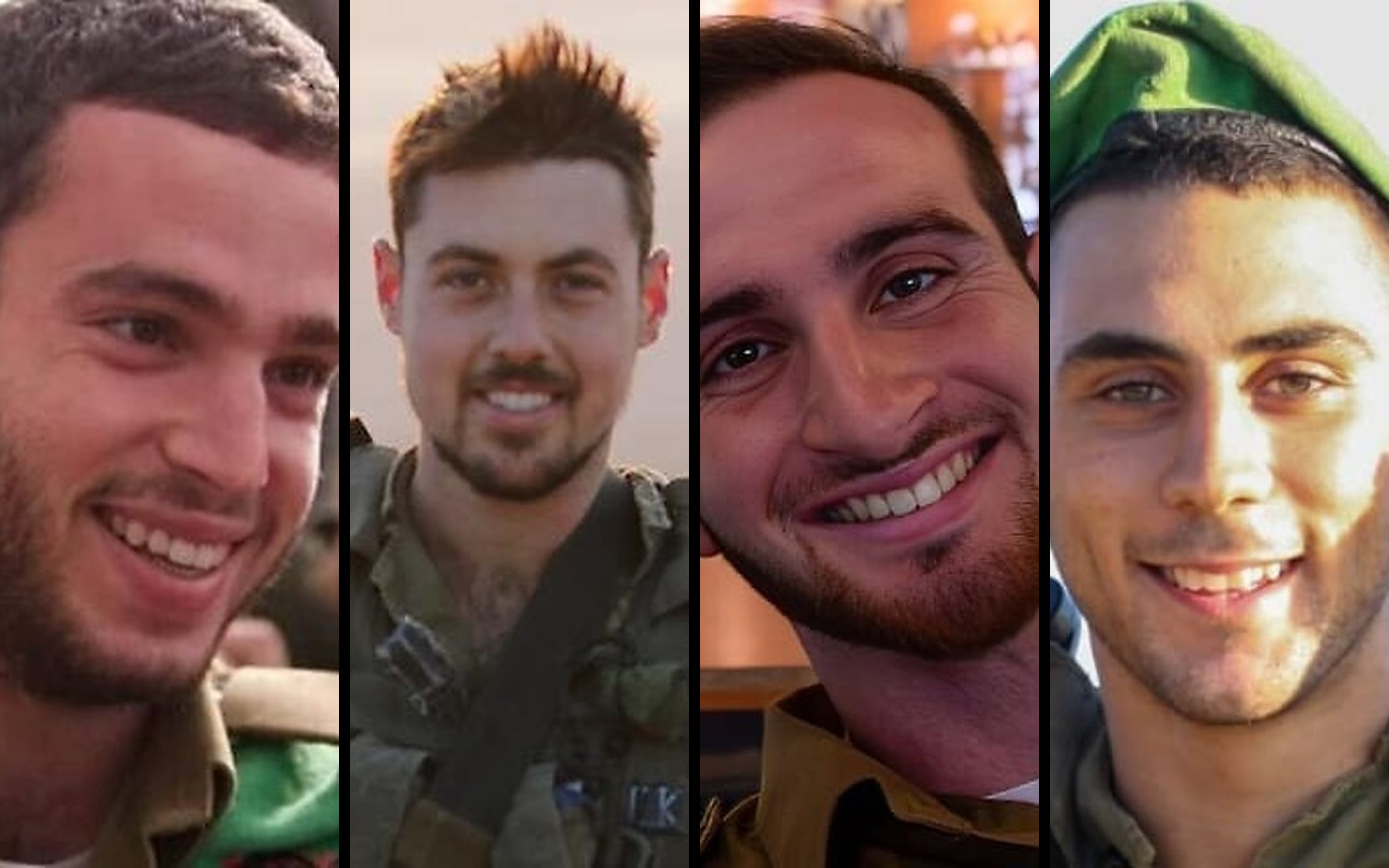
That morning, at the very spot where Nirim’s eight defenders are memorialized, Chapell and three members of his team — Capt. Eyal Klein, Staff Sgt. Tomer Mizrahi and Staff Sgt. Daniel Bezgodov — would all be killed.
Ben-Yehuda, the highest-ranking officer in the area, took command as gunfire erupted from all around, bursting in short, intermittent staccatos, though it was unclear where the shots were coming from.
She had no visual contact with the enemy, yet was overcome with an ominous sense that terrorists had already infiltrated the post and were lying in ambush. Bullets whistled through the air; every movement by her small force required split-second decision-making.
By that point, Sufa had been under terrorist fire for a full hour.
Ben-Yehuda called a sergeant whose number Barnash had sent her. He was holed up at the main gate to the military post.
“I sprang toward his position, peered inside and saw two soldiers with gunshot wounds and the sergeant I had spoken to,” Ben-Yehuda said in an interview for this book.
The wounded soldiers had almost no ammunition. Ben-Yehuda gave them an ammunition crate from the jeep and was able to receive a partial picture of the situation: they told her how to get into the outpost, where the dining room was and where inside the room the 30 Nahal soldiers were holding out.
They were all in uniforms, vests, carrying RPG kits, equipped from head to toe, each of them carrying enough weaponry for three fighters.
They also showed her the discrepancies between what the map showed and what the actual ground conditions were.
To cope with the multiple fronts, Ben-Yehuda split her forces. One team headed for the Dangur Memorial to keep terrorists from getting into the outposts through there. A second team was sent to an external position facing the orchards outside the post. A third team stayed with her and a deputy company commander from the battalion.
Ben-Yehuda made the dramatic decision to break into the outpost with that third team, in two armored jeeps, and try to rescue the trapped Nahal soldiers.
With only limited information, and without knowing how many terrorists were inside the outpost or surrounding it, Ben-Yehuda began moving between the concrete barriers guarding the post and into the killing zone.
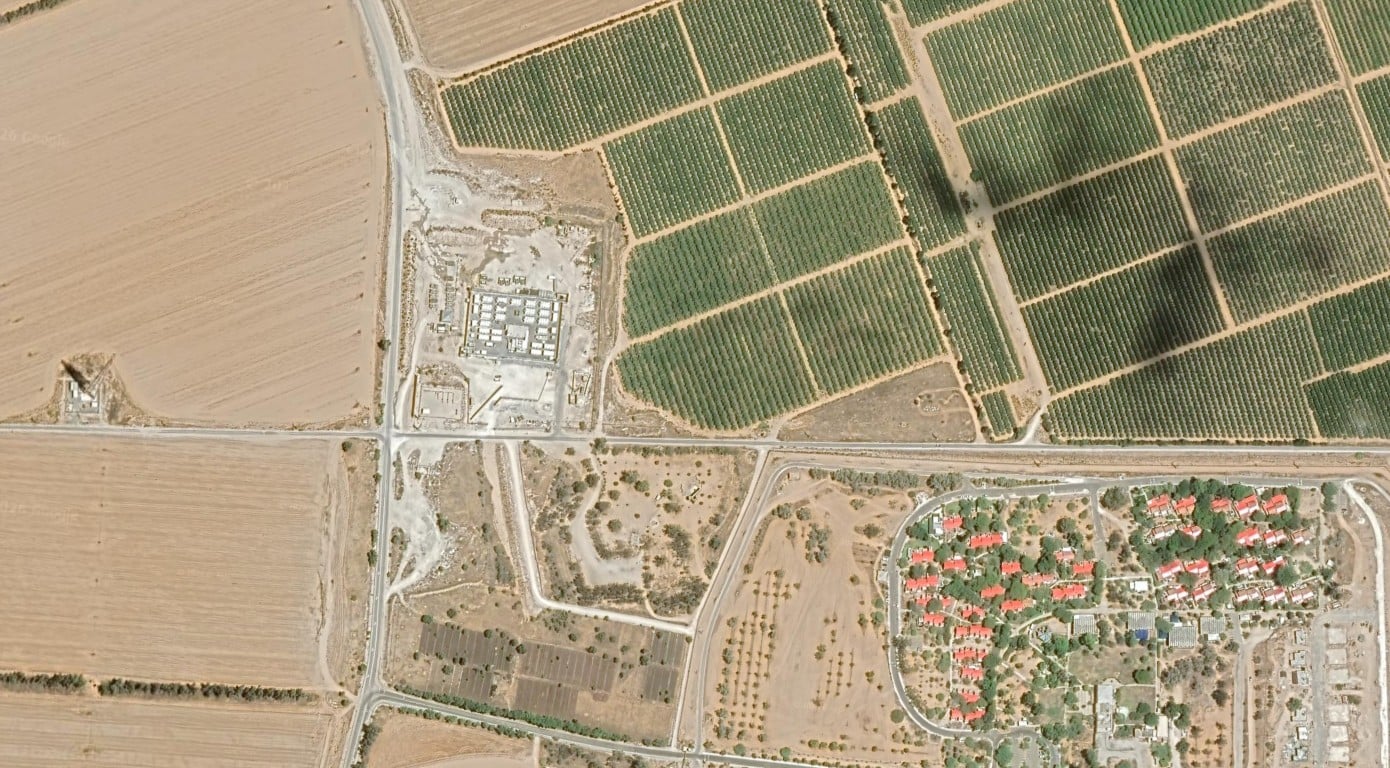
Her plan was to eliminate the terrorists and get the soldiers out, but she was met head-on with gunfire before even making it inside.
“I moved through the zigzag pattern of the concrete barriers. As I was running, a Nukhba terrorist emerged from one of the pillboxes and fired at us.” The terrorist missed her.
“One jeep broke toward the dining hall. The second jeep drove off to the side to draw fire. I went in on foot… How naive I was at that stage. It was almost 9 a.m. Until then I hadn’t seen the terrorists with my own eyes, and suddenly, inside the outpost, they were standing right in front of me. They were all in uniforms, vests, carrying RPG kits, equipped from head to toe, each of them carrying enough weaponry for three fighters. I heard RPGs whistling. One of the rockets skimmed the roof of the jeep. Terrorists rushed at us, firing constantly. The windshield cracked, grenades were thrown. I gave the order to get out of there. One of the drivers took a bullet in the foot and was bleeding. We pulled back.”
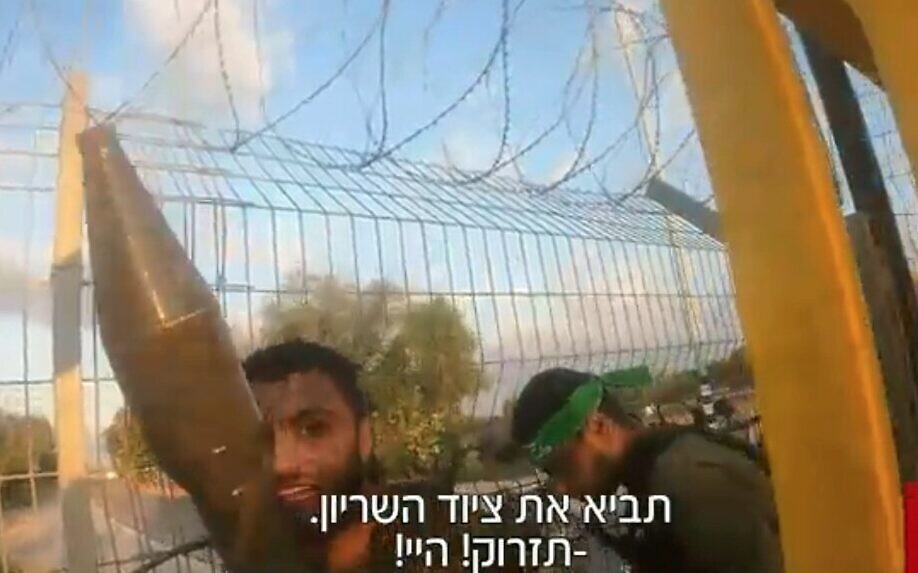
Ben-Yehuda said that the wounding of her driver, the explosion at the jeep and the sight of the terrorists with her own eyes were all compressed into a fraction of a second of rapid thoughts. What was actually happening here? Was the Sufa outpost the whole story, or was something far larger unfolding across the area, something she was only beginning to realize? Even after the first soldier on her team was wounded, her mind did not stop for a moment.
Laying down the LAW
“I realized I was going to die. We were 12 combat soldiers, men and women. There was no chance. I raised my head to the sky and apologized to my children.”
— Lt. Col. Or Ben-Yehuda, commander of the Caracal Battalion
After being turned back by the torrent of fire, Ben-Yehuda climbed a high earthen embankment to get a broader picture of the battle. From there, she could see everything: “I had one force fighting in the orchards, another force at the memorial, and I had positioned a pair of soldiers at another gate. I sent up a drone and saw terrorists pressed against the concrete outer wall of the outpost, waiting for us to walk into the trap. When I checked the approach route from Gaza, to make sure they weren’t going to flank us… I saw it…”
Before her were two pickup trucks packed with terrorists, alongside them around ten motorcycles carrying another 20 terrorists, beyond them another long line of terrorists hiding among the trees, and behind them Gazan civilians, all of them charging toward the outpost.
“That’s when I understood that the Sufa outpost was only one point within a monstrous event. Inside the dining hall there were around 30 trapped Nahal soldiers, under grenade attacks and gunfire. Outside, hundreds of terrorists. Col. Shamar Raviv, commander of the Paran Regional Brigade, called and said he was engaging 50 terrorists. I shouted at him: ‘Brigade commander, I’m in engagement with 500!’”
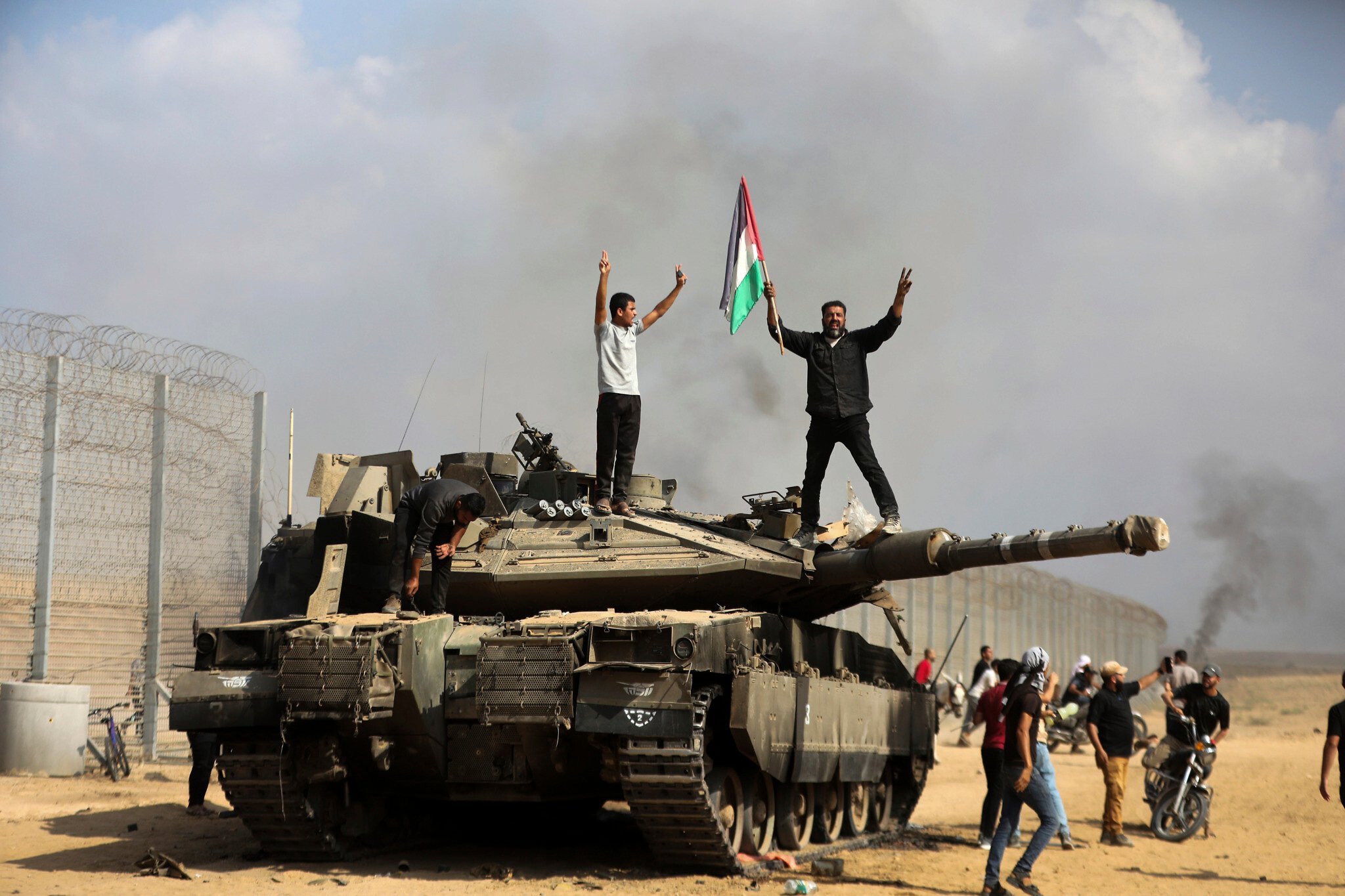
“I realized I was going to die. We were 12 combat soldiers, men and women. There was no chance. I raised my head to the sky and apologized to my children. And then I heard my soldiers behind me, standing on the embankment and waiting for orders… I turned around, put on a smile and said, ‘We’re in control. We are not breaking.’”
At that moment, Lt. Col. Ben-Yehuda pulled one of the three LAW missiles she had been carrying out of the jeep, the same missiles her friends had always teased her about.
The force aimed, fired, and the missile struck the terrorists’ pickup truck directly. A black mushroom of smoke rose into the sky, the truck was thrown upward and the shock wave hurled everyone standing nearby into the air.
The burned-out truck came crashing down on top of other terrorists nearby. Those who had not been hit fled.
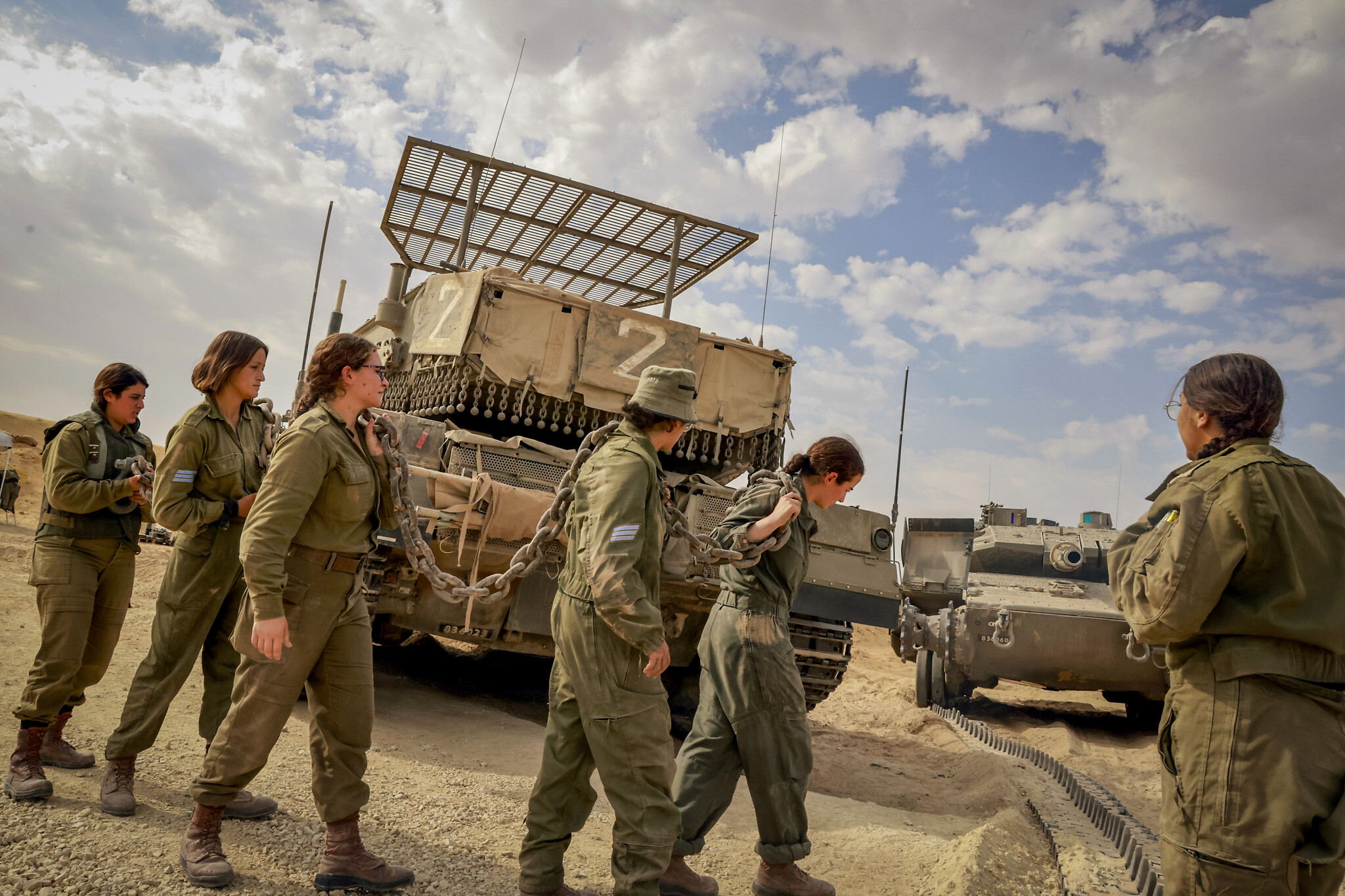
From there, Ben-Yehuda’s forces entered into a prolonged firefight, using machine guns, two LAW missiles and their personal weapons, until they managed to stop the group’s advance.
“We later discovered that the terrorists were supposed to go to Bnei Netzarim and Naveh,” she said, referring to two small towns deeper inside Israel, along the Egyptian border. “If we hadn’t stopped them there, they would have reached those communities.”
Ben-Yehuda understood that she desperately needed reinforcements and called an air force squadron commander she knew personally from the battalion commanders’ course. “I told him: ‘My time may be running out. Send us an attack helicopter.’ At 10:15, a pilot called and said he was on his way, but shortly before he reached us he was diverted to another location.”
I thought Hamas had lost their minds and sent female terrorists to fight the IDF
Ben-Yehuda did not give up, even though by then she understood that she and the soldiers with her were almost entirely on their own.
As she directed the battle from the earthen embankment, she heard the sound of an armored vehicle making tracks nearby. It was a tank from Battalion 77, commanded by Lt. Ido Biton, who had been fighting since the early morning.
With only a single tank, Biton and his crew had helped defend Kibbutz Nir Yitzhak, just up the road, taking out some 180 terrorists while under fire from anti-tank missiles and RPGs. They managed to keep additional forces from infiltrating the area, but after several hours, as they ran low on ammunition, they decided to make toward the Sufa outpost.
Ben-Yehuda said Biton later told her that he feared his tank crew had been left completely on their own.
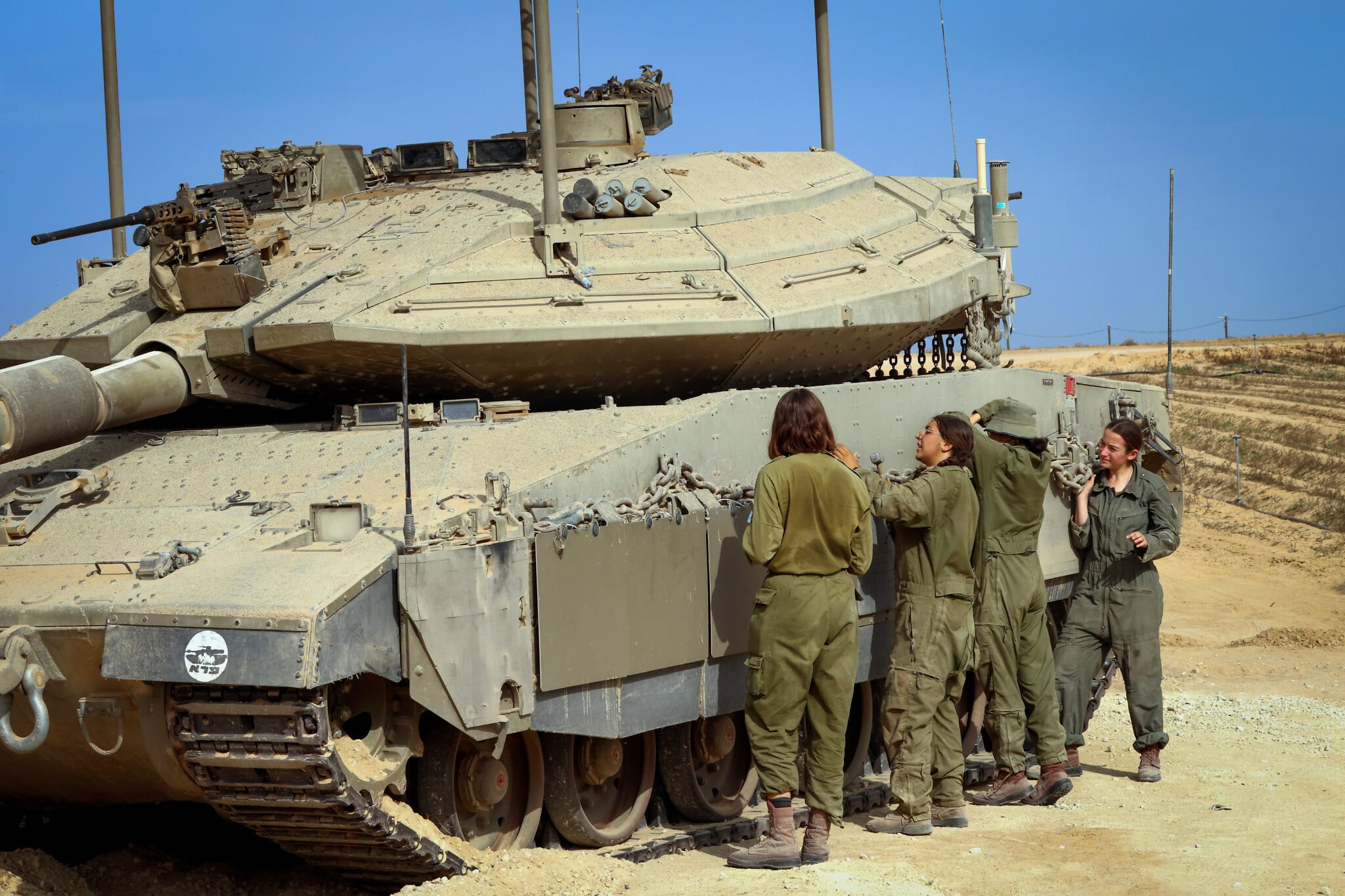
“We didn’t see forces. After a few hours, we suddenly saw you. I thought Hamas had lost their minds and sent female terrorists to fight the IDF,” she recalled him saying.
Ben-Yehuda said she told her deputy company commander that she was going to run toward the tank to have it join them.
“I ran along the base of the concrete wall toward the west, but when I tried to jump into the road, a terrorist leaped at me from point-blank range,” she said. “He and I were face to face. I managed to hit him first, and he fell to the ground. I remember the deputy company commander who was fighting with me asking from behind, ‘Battalion commander, are you okay?’ The terrorist fired and missed. I fired and hit him. I remembered my injury on the Egyptian border in 2014. Back then, it took me about an hour to realize I was bleeding. It’s a familiar phenomenon caused by the flood of adrenaline. This time, I ran a quick ‘X-ray check’ over my body to make sure everything was all right. I spotted the tank again and started running toward it.”
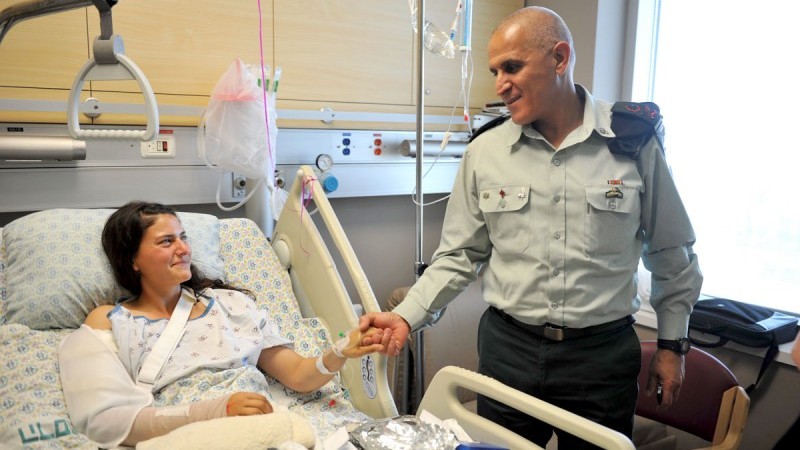
From outside the tank, Ben-Yehuda signaled to Biton with her hands. When she had first moved into the sector, she had switched frequencies on the radio network, but the whole system had collapsed. There was no way to communicate.
“I jumped in front of him. I motioned for him to stop. Because I was also the commander of female tank crews, I knew their communication signals. I used the hand signals from Armored Corps drills,” she said.
“I briefed him on the situation and told him: ‘I’m the commander of the Caracal Battalion.’ He had been through a difficult time. Now he was joining the fight for the outpost.”
The wounded evacuate and the commandos arrive
At one point during the fighting, the deputy company commander from Ben Yehuda’s force and one of the radio operators took a direct RPG hit and were both wounded in their lower extremities.
Ben-Yehuda moved the two of them out of the line of fire to a location where the women in her medical team had established a casualty treatment station where soldiers from the struck APC had also been brought.
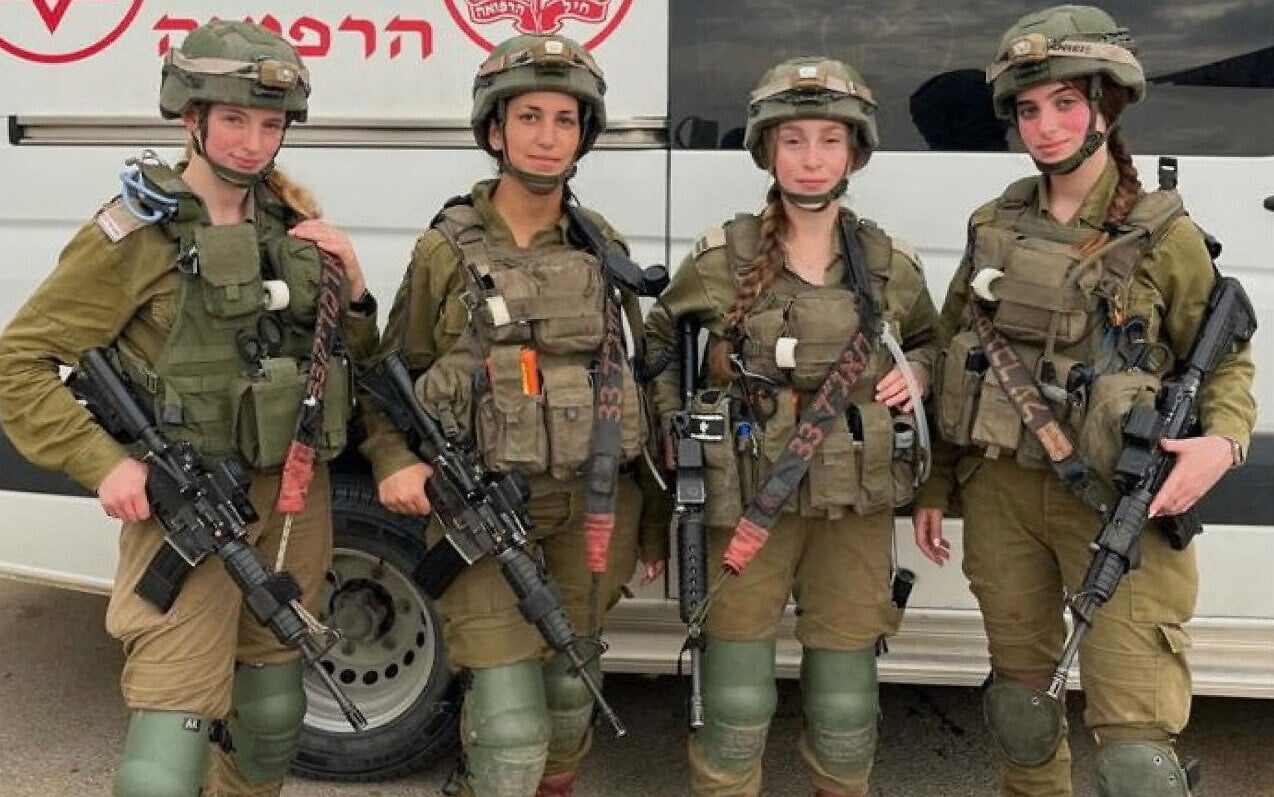
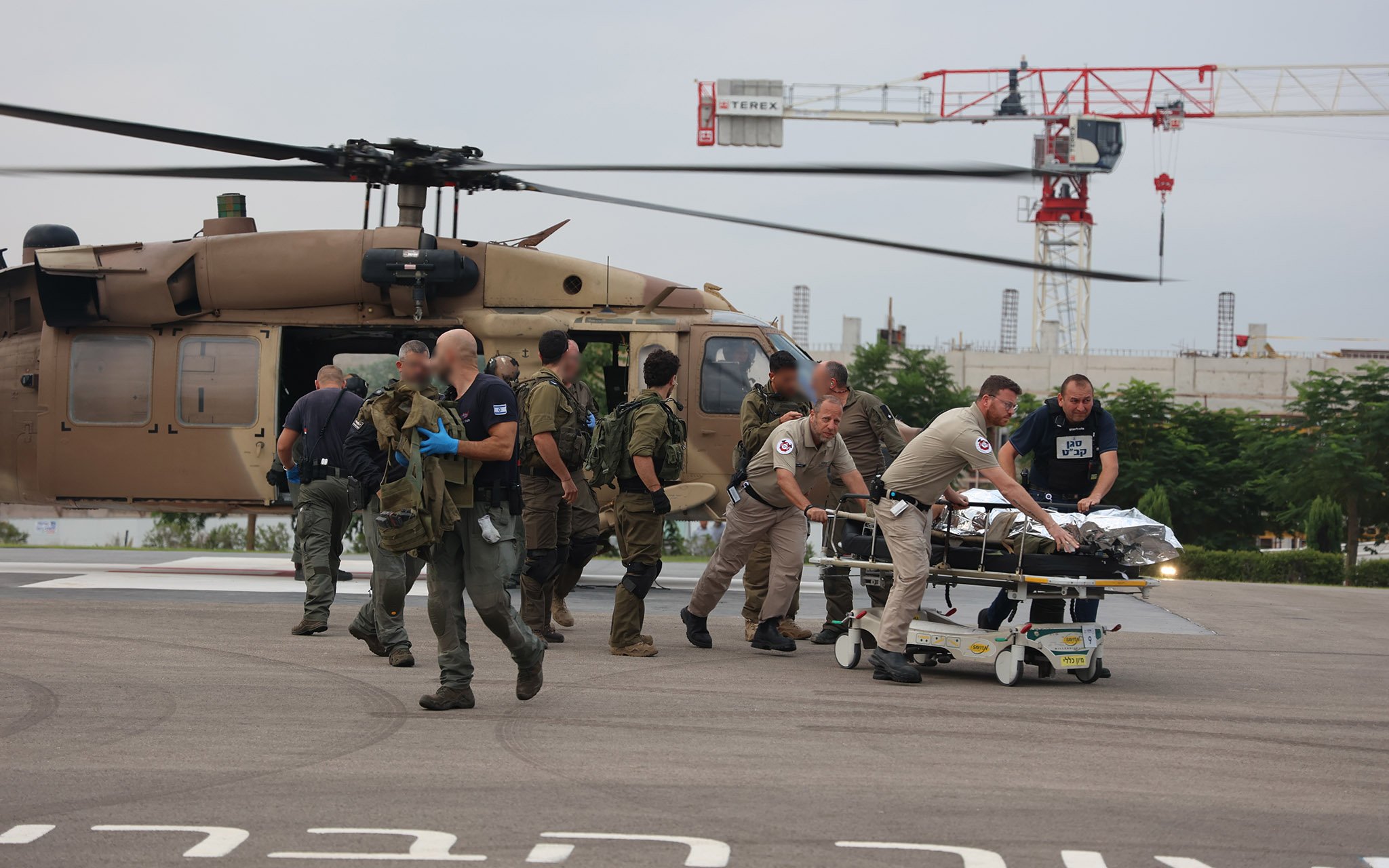
She continued trying to call in for CH-53 and Black Hawk helicopters — known locally as the Ya’sur and Yanshuf — to evacuate the wounded. As the hours passed, wounded soldiers continued to arrive from the area of the outpost, along with civilians who had fled Sufa and Moshav Pri Gan, all of whom were treated by Caracal’s medical team.
The women loaded the wounded into the ambulance and drove back and forth several kilometers to a landing site near Avshalom, where IDF helicopters were beginning to medevac the wounded.
A few hours earlier, the entire area had been swarming with terrorists. But a female tank company that had joined Raviv, the Paran Regional Brigade commander, Caracal soldiers who were with Ben-Yehuda, and additional forces that had reached the area had gained enough control to secure a route between Sufa and the landing zone.
Shortly after noon, Ben-Yehuda managed to bring in an attack helicopter. She directed it using her cellphone: “I sent it to strafe the orchards and the outer wall of the outpost, where there were a lot of terrorists, and every point inside the outpost that wasn’t the dining hall.”
Ben-Yehuda and those with her held the sector on their own until 1 p.m., when she received a phone call from the commander of a force of 40 commandos from the navy’s elite Shayetet 13 unit: “We’ll be with you in a moment,” she heard.
“I launched a drone to find all the terrorists inside the outpost for them. After hours of fighting, around 30 Nahal soldiers, members of the mortar platoon from Battalion 50 and two surveillance balloon operators came out of the outpost alive. They were all wounded, but they were all alive. The outpost had been cleared,” she said.
“The soldiers, who had been holed up for about six hours, came out with nothing, some of them in their underwear,” Ben-Yehuda added. “They had put tourniquets on one another. One of them was critically wounded. I could see they were completely dehydrated. I pulled a hydration bladder from my vest and gave them water. I think that at that moment, alongside being a commander and a fighter, I felt the mother in me.”
Those maternal feelings did not end there. Ben-Yehuda understood that she now had to move to the memorial adjacent to the outpost, where she knew IDF soldiers had been killed during the first hours of the morning of October 7.
Farewell to the fallen
“I went over to the soldiers who had fallen near the memorial. I closed their eyes, stroked their cheeks and asked forgiveness.”
— Lt. Col. Or Ben-Yehuda, commander of the Caracal Battalion
After the Sufa outpost had been completely cleared of terrorists and Ben-Yehuda had finished evacuating the wounded, she went to say goodbye to the dead. She felt that she had to touch them physically one last time.
“I went over to the soldiers who had fallen near the memorial. I closed their eyes, stroked their cheeks and asked forgiveness. I knew we still couldn’t evacuate the dead, but I wanted to spare the Nahal Reconnaissance Unit soldiers who were in the area the sight of their commanders and friends. At that moment, I felt that my maternal instinct was telling me to try to protect the soldiers who had come out of the battle alive.”
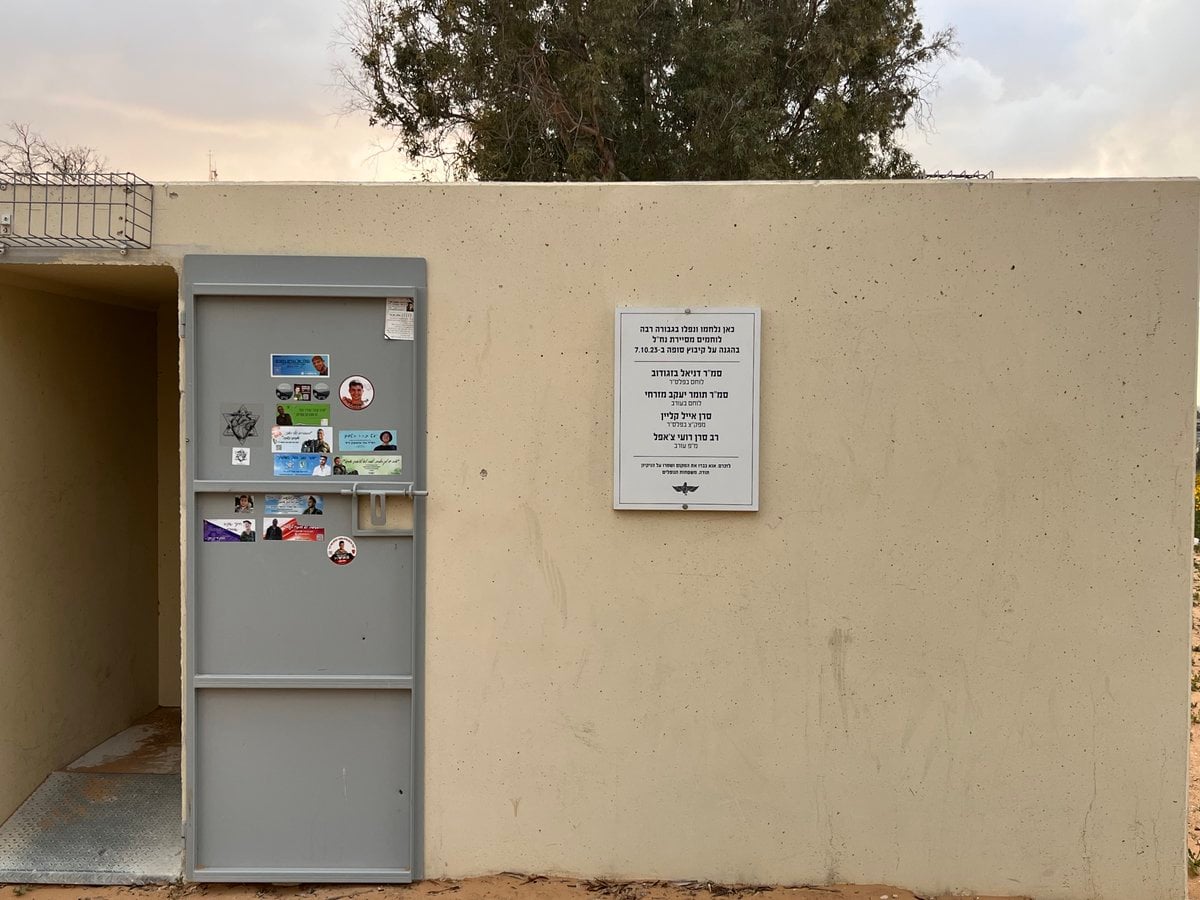
In the afternoon, a group of officers and soldiers arrived in the area of the Sufa outpost. Everything around them was burned, the bodies of terrorists lay scattered about, and there was no electricity at the outpost.
One officer was there to replace Chapell as deputy head of the recon unit. A second officer had also shown up, a lieutenant colonel whom Ben-Yehuda knew personally as someone who had just completed a term as a battalion commander.
“I asked him: ‘What are you doing here?’ He answered: ‘I came to replace Barnash.’ I went on, ‘But where is Barnash? Didn’t he make it here,’” she recounted.
Ben-Yehuda recalled his answer: “‘Barnash was killed. He reached Ma’on Junction and a terrorist cell hit him.’”
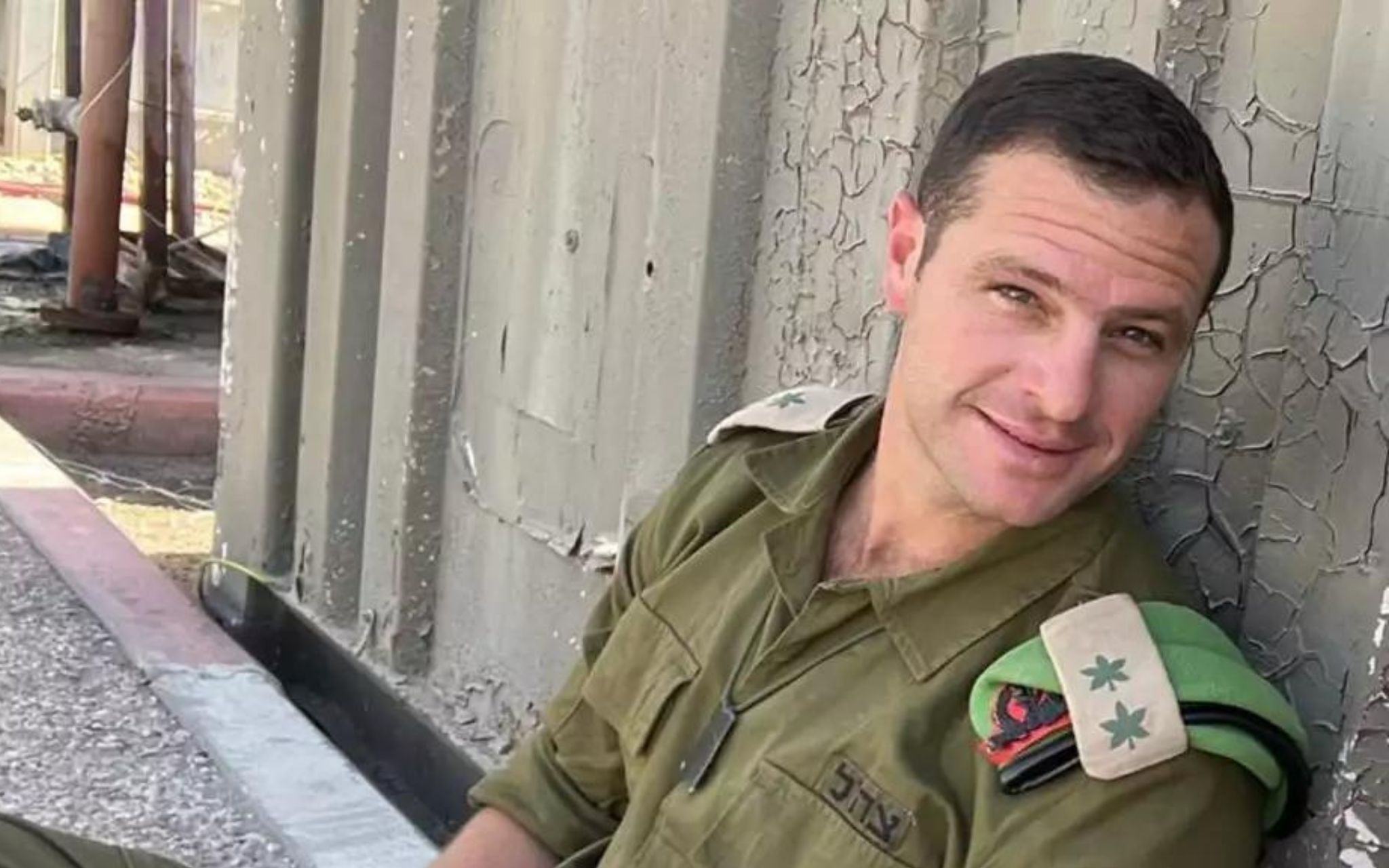
Until that moment, Ben-Yehuda had not internalized that Barnash had never made contact with her and taken command of the outpost, as they had agreed in their phone conversation that morning.
The news struck her hard. Just that morning he had been calling her “Orchka” on WhatsApp. That day she also lost her deputy battalion commander, Maj. Avraham Hovelashvili, who was killed in the fighting at the Nova festival while trying to save partygoers, and her cousin, Staff Sgt. Itamar Ben Yehuda, a Golani fighter who fell at the Paga outpost in the Gaza border area.
“Only then did I understand the scale of the event. We finished the fighting in the area at around 1 a.m., and I received an order to expand the sector being defended by the Caracal Battalion to additional communities. I deployed our forces in every community, while residents were still trapped in their reinforced safe rooms without electricity or a way to communicate.”
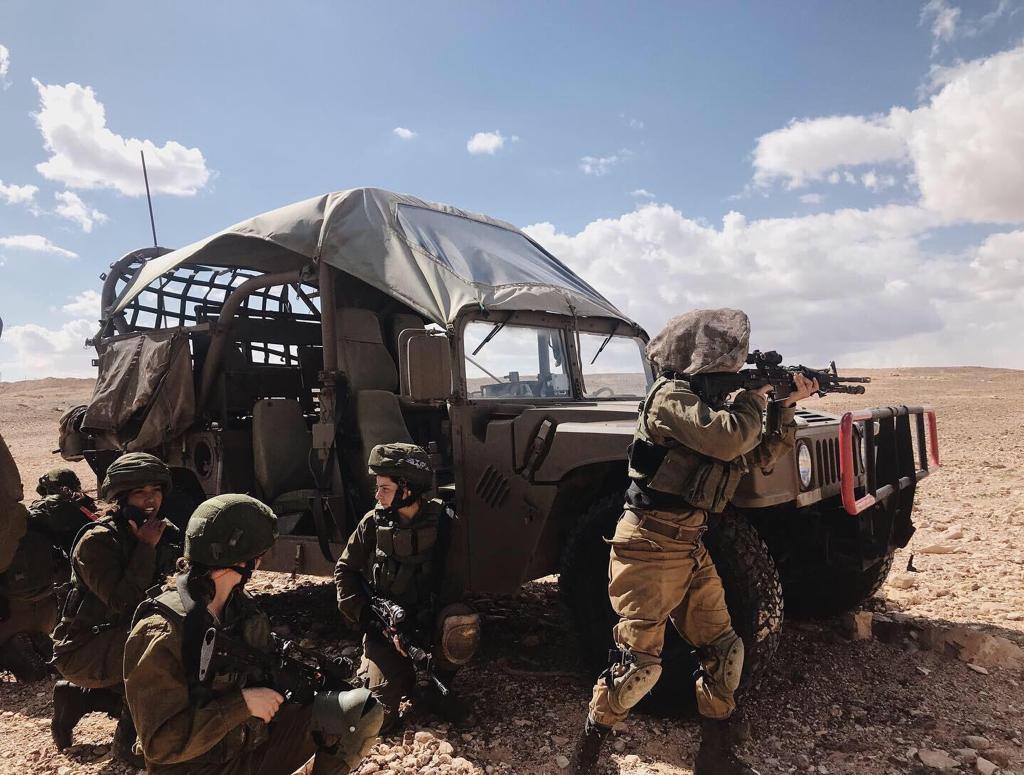
“Throughout that entire Shabbat I had been focused on the battle at Sufa, but by the end of the day I understood that the Caracal Battalion, including the female tank crews, had been fighting across the entire area,” she said. “They blocked further infiltration along Route 232 and fought inside Holit. Our battalion and the Paran Regional Brigade created a defensive line that cut off Hamas’s attack in the southern Gaza border area. The terrorists did not succeed in infiltrating all the communities they had planned to reach, although there were extremely severe casualties and deaths among residents of the area and members of the local security squads.”
Who gets remembered
Several months after the outbreak of the war, the investigative news program “Uvda” aired an extensive report on the assault by Shayetet 13 commandos on the Sufa outpost and the rescue of around 30 soldiers from the Nahal Reconnaissance Unit who had been trapped in its dining hall.
The report was based on footage from the commandos’ helmet cameras as well as video footage filmed by the terrorists who had infiltrated the outpost. It described the reconnaissance soldiers’ battle, beginning with their dawn muster at 5 a.m. and continuing through Shayetet 13’s assault on the outpost and their extraction from the dining hall.
Lt. Col. Or Ben-Yehuda’s defensive battle inside and outside the outpost, which had begun in the morning hours, was not mentioned, as though the women of Caracal had not been there at all.
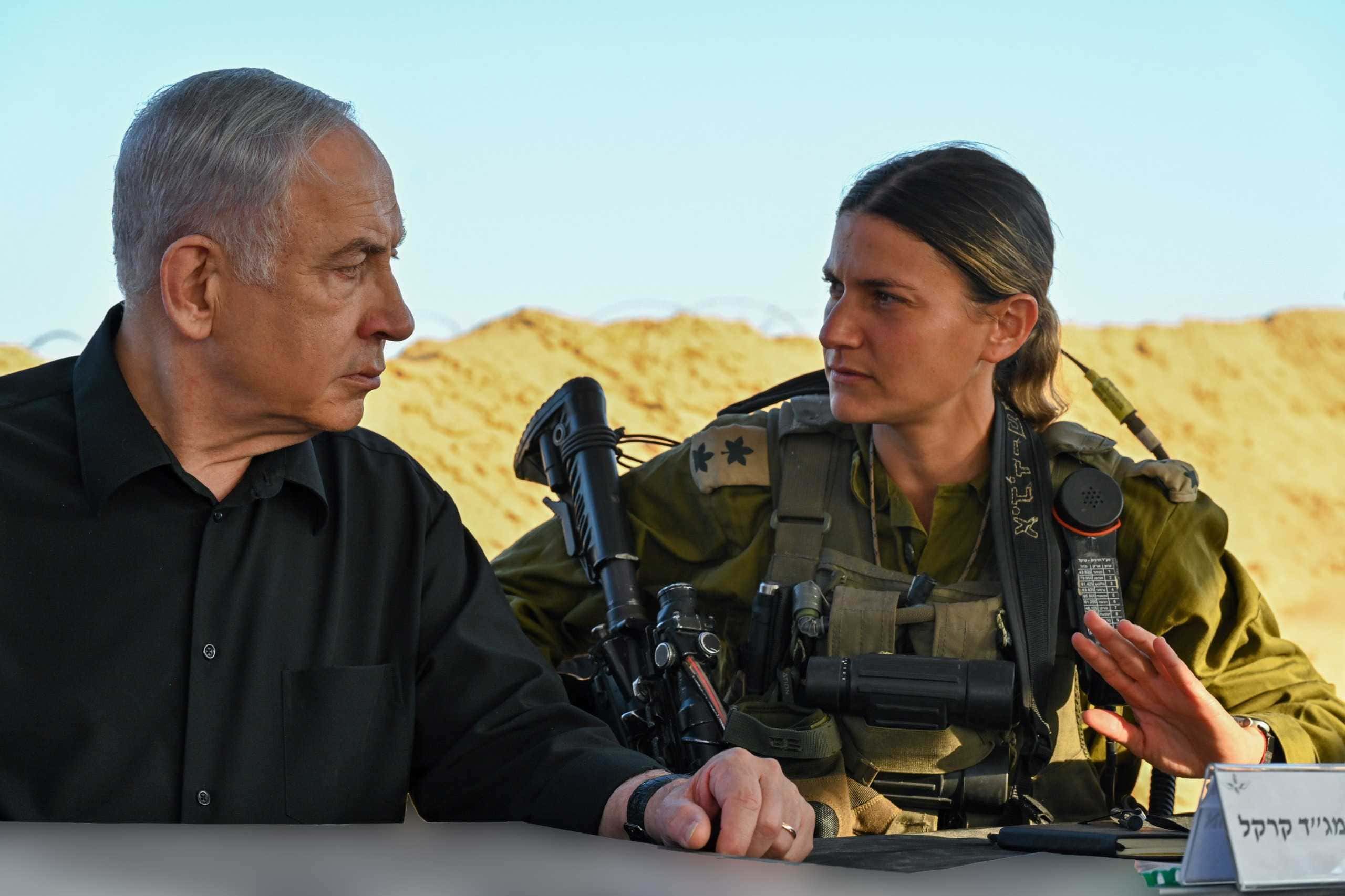
The women of the Caracal Battalion and their battalion commander are considered light infantry, meaning infantry soldiers who carry out routine security missions, border defense and patrols, and are equipped with basic weaponry. Unlike commandos, they do not have the status of an elite unit and, accordingly, do not have all the advanced equipment available to commandos, such as helmet cameras, documentation systems and media devices.
That means there is no footage of their entry into the outpost, no documentation of the terrorists firing at the battalion commander’s jeep, of the driver being wounded, or of the LAW missile fired from the embankment at the terrorists’ vehicle. All accounts of the battle fought by Lt. Col. Ben-Yehuda and the combat team relied on her memory and that of her soldiers.
Ben-Yehuda said nothing about being omitted from the investigative report. In fact, when she was asked about it in an interview for this book, she dismissed the subject. She had not sought to document the battle and did not concern herself with how the events would be presented in the media.
This is not to take away anything from the bravery of the Nahal Reconnaissance Unit soldiers or from the assault carried out by the Shayetet commandos. But it is still important to remember that Ben-Yehuda and the small force of male and female Caracal soldiers played a part in repelling hundreds of terrorists who poured in from the border fence, and battled for hours to defend the area.
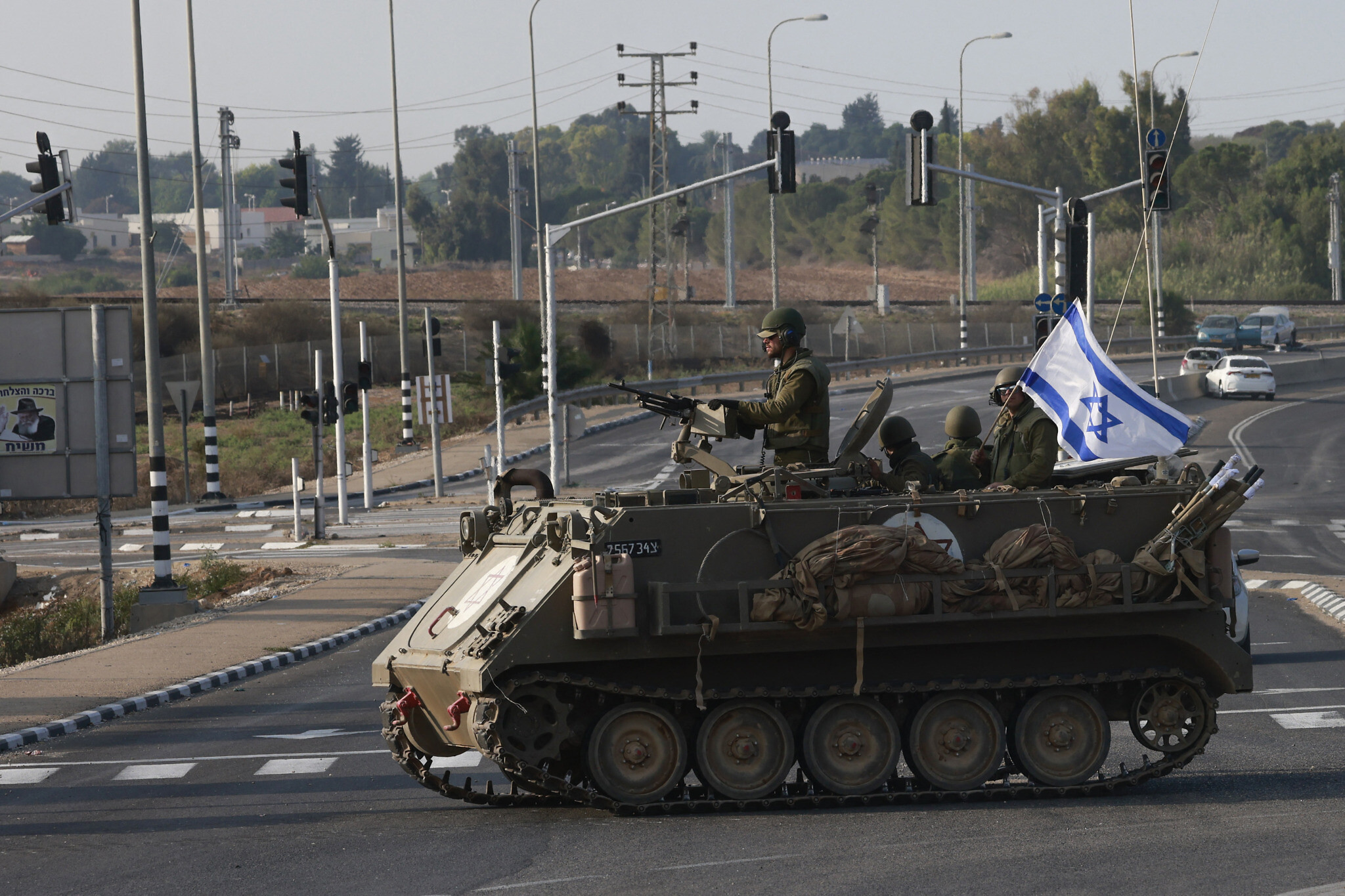
It was Ben-Yehuda who brought in attack helicopters, evacuated the wounded and disrupted the secondary attack. Had she not destroyed the terrorists’ vehicle with the LAW missile, the Sufa outpost would have fallen, and the terrorists might have continued onward to additional communities.
Commandos enjoy widespread admiration. They undergo specialized training and are equipped with cameras to capture their heroism, which is also preserved in military annals and retold after the fighting subsides.
Heroism that occurs off-camera is less ingrained in the public consciousness. The women of Caracal had no helmet cameras, no documentation systems, no one to capture how everything went down.
On the ground, before the elite forces arrived and before the helmet cameras were turned on, they were there: they entered total chaos without any clear picture of what was happening and put their lives on the line to hold back the flood of terrorists.
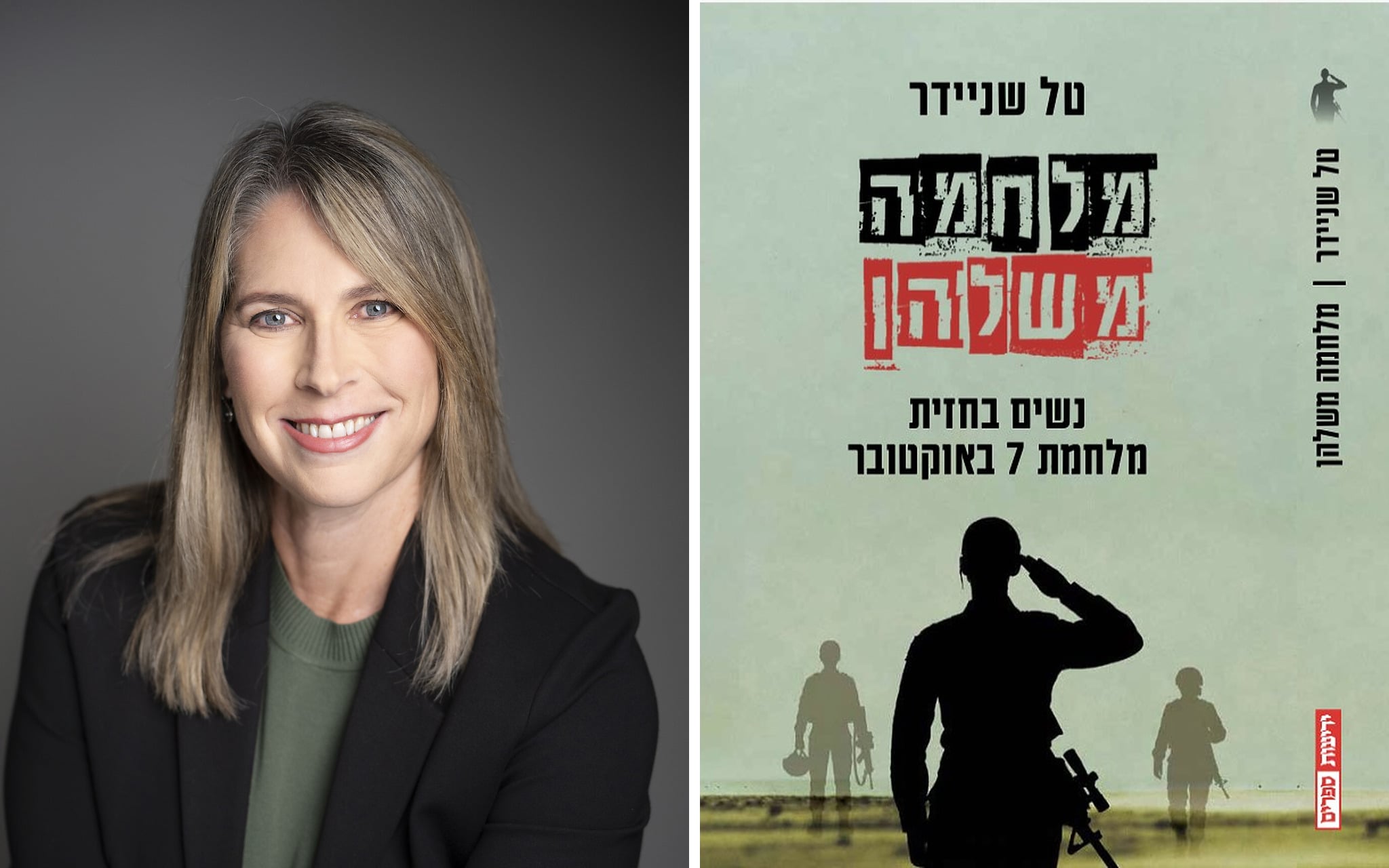
Tal Schneider is the diplomatic and political correspondent for The Times of Israel. After October 7, she returned to the overrun outposts, the burned-out command center, the tanks and the killing fields of the Gaza border area, where she met the female soldiers and officers who fought with extraordinary courage. “Israel’s Women Warriors,” published by Yedioth Books, is her first book.

The Times of Israel Community.