

AG says new IDF chief can be chosen during election season only if ‘essential need’
Gantz insists appointment is ‘critical impact on the security of the state’; says he’ll consult with everyone who’s relevant to the process, including ex-premier Netanyahu
 Add ToI as a Preferred Source on Google
Emanuel (Mannie) Fabian is The Times of Israel's military correspondent
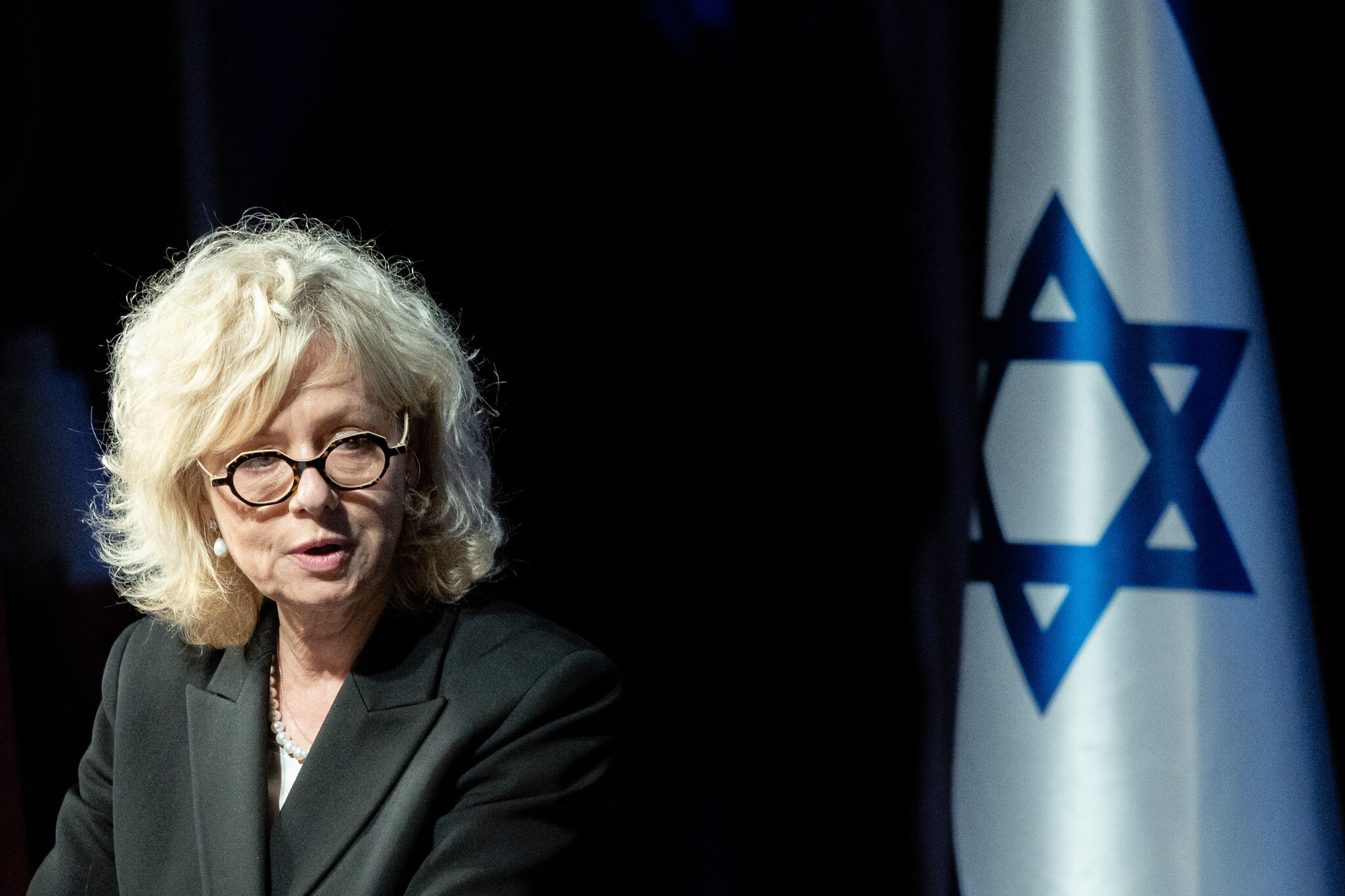
The attorney general’s office on Wednesday said there would need to be an “essential need” to justify the appointment of the next chief of the Israel Defense Forces during an election season, but the idea of breaking tradition would be evaluated.
Permanent appointments of senior officials — such as the chief of police or military — have not traditionally been made during the terms of caretaker governments. Between 2018 and 2020, the Israel Police had an acting commissioner amid several rounds of inconclusive elections.
Attorney General Gali Baharav-Miara’s office said she wished to “clarify” the general rule of not appointing officials during an election season, adding that it should be avoided “unless there is an essential need for immediate staffing of the position on a permanent basis, and no other reasonable and appropriate solution can be found in the circumstances.”
Defense Minister Benny Gantz had hoped to appoint the next IDF chief ahead of the anticipated coalition collapse, but it appeared he would not manage to do so in time, since the Knesset is set to begin taking steps toward its dispersal on Wednesday.
Still, he has vowed to push ahead with the process, after the opposition’s right-wing and religious parties petitioned Baharav-Miara with a request that she block the collapsing government from making any senior appointments until a new government is formed.
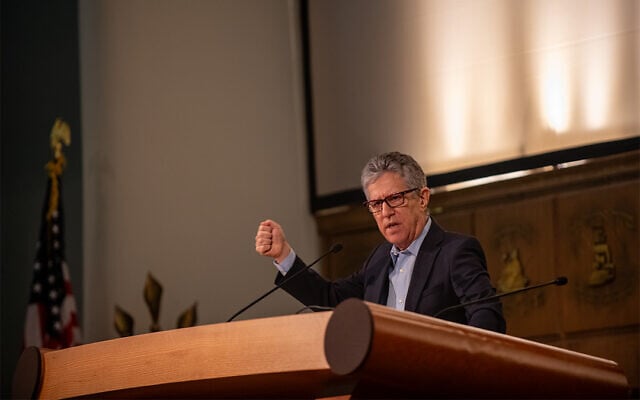
“I don’t plan on managing a ‘race against time’ during the nomination process,” Gantz said during a Wednesday conference in Jerusalem. “Rather, to manage it in an orderly and professional manner, in coordination with legal officials.”
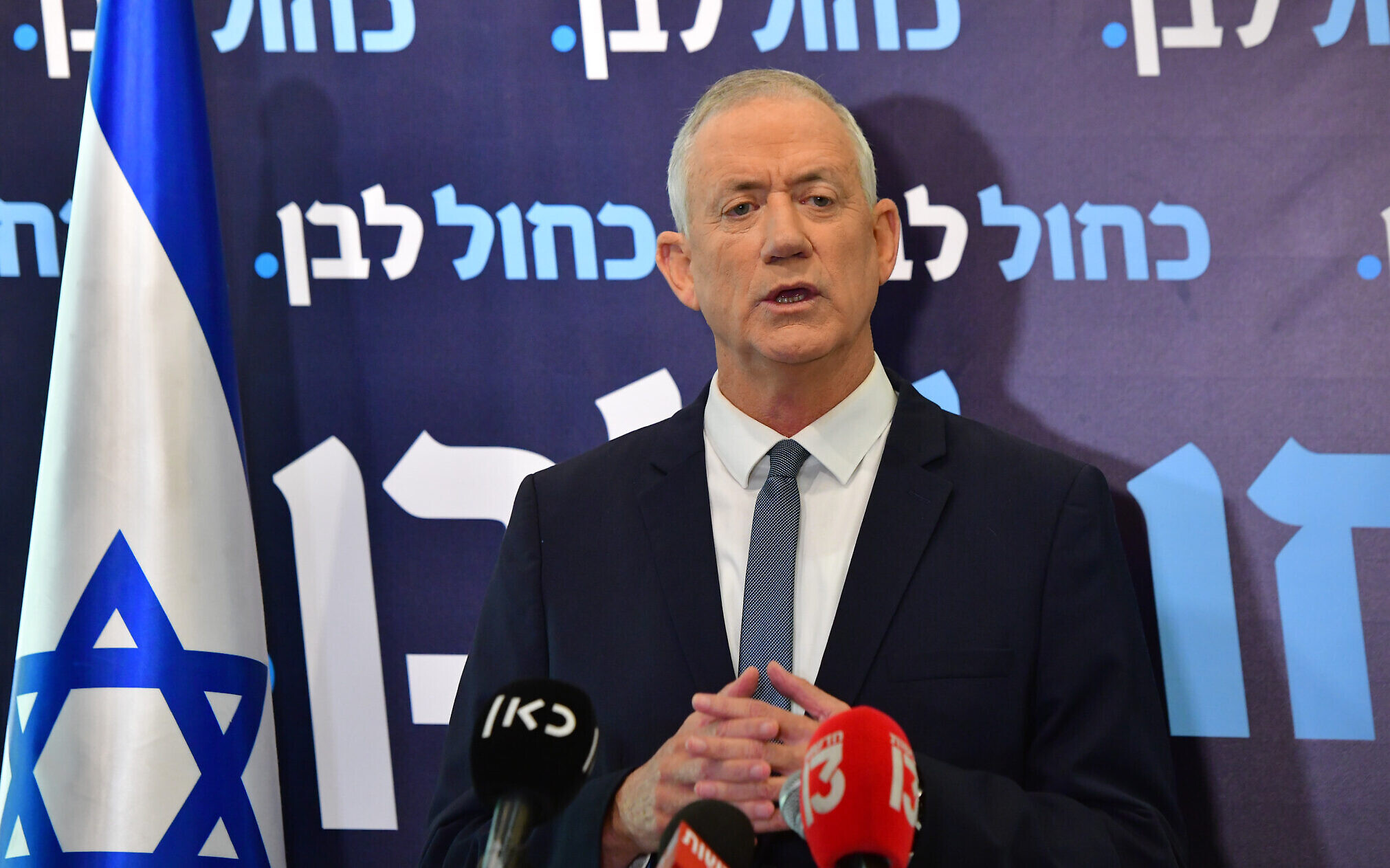
Gantz said he would consult “all relevant officials” including opposition leader Benjamin Netanyahu, who was both prime minister and defense minister during the lengthy period of interim governments before the current government was sworn in last June.
In an apparent response to Baharav-Miara, Gantz said appointing the next IDF chief is “an essential, strategic, security, and organizational need, first and foremost.”
“It is an appointment that has a critical impact on the security of the state, power-building and decisions concerning human life,” he said. “I call on Netanyahu and all other officials: Do not try and sabotage it and harm the security of Israel.”
Meanwhile, the Defense Ministry’s attorney general was asked by Deputy Attorney General Gil Limon to conduct an “urgent” examination of appointing the next IDF chief during an election season, “while addressing the need in advancing the appointment process at this time,” the attorney general’s office said in a statement.
“After receiving his position, things will be re-examined by the attorney general,” it added.
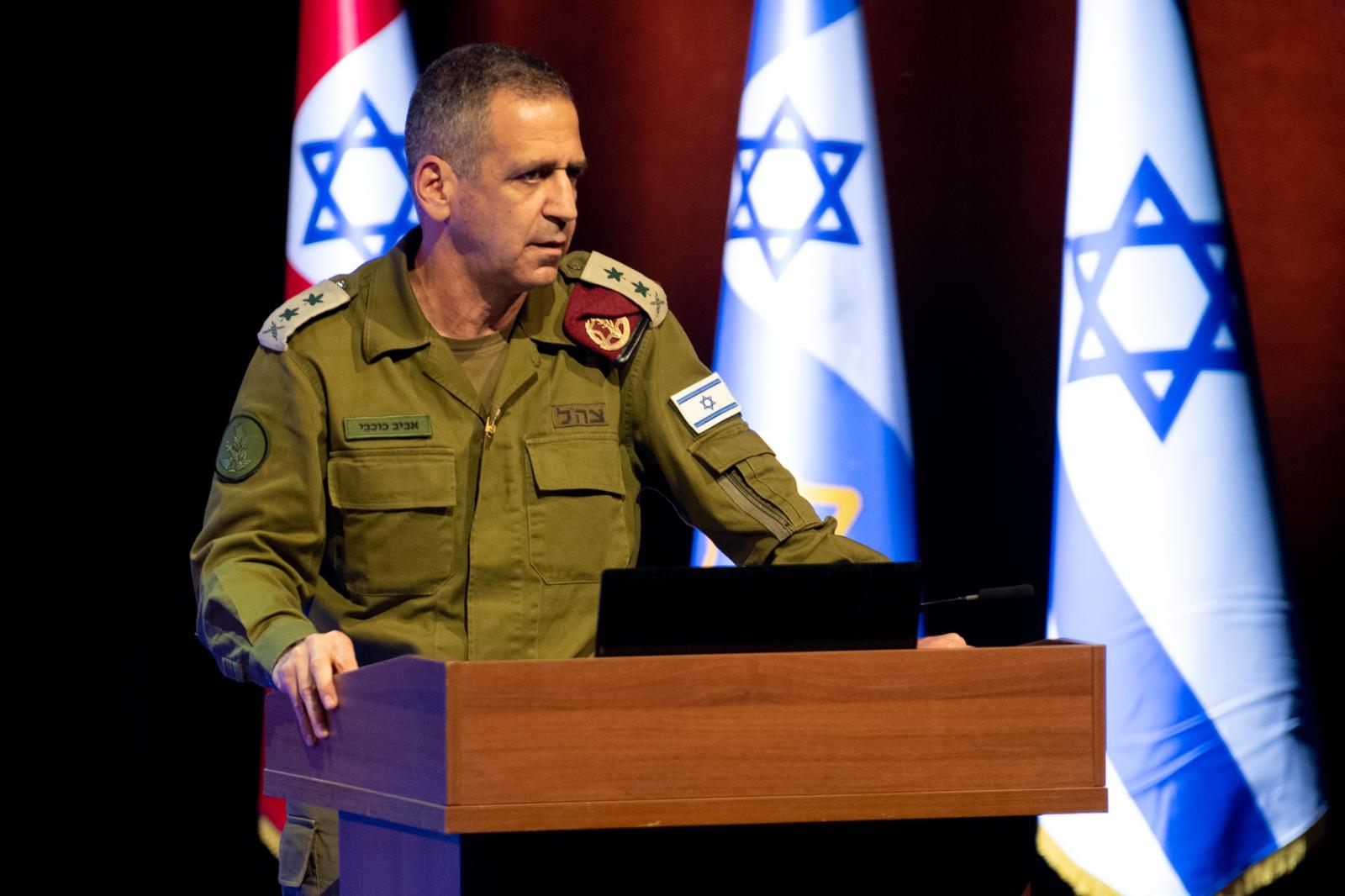
The four-year tenure of the current IDF chief of general staff, Lt. Gen. Aviv Kohavi, is expected to end in January 2023. The position is a three-year post, though it can be extended by a year, or on one rare occasion, two years. Most army chiefs serve for four years.
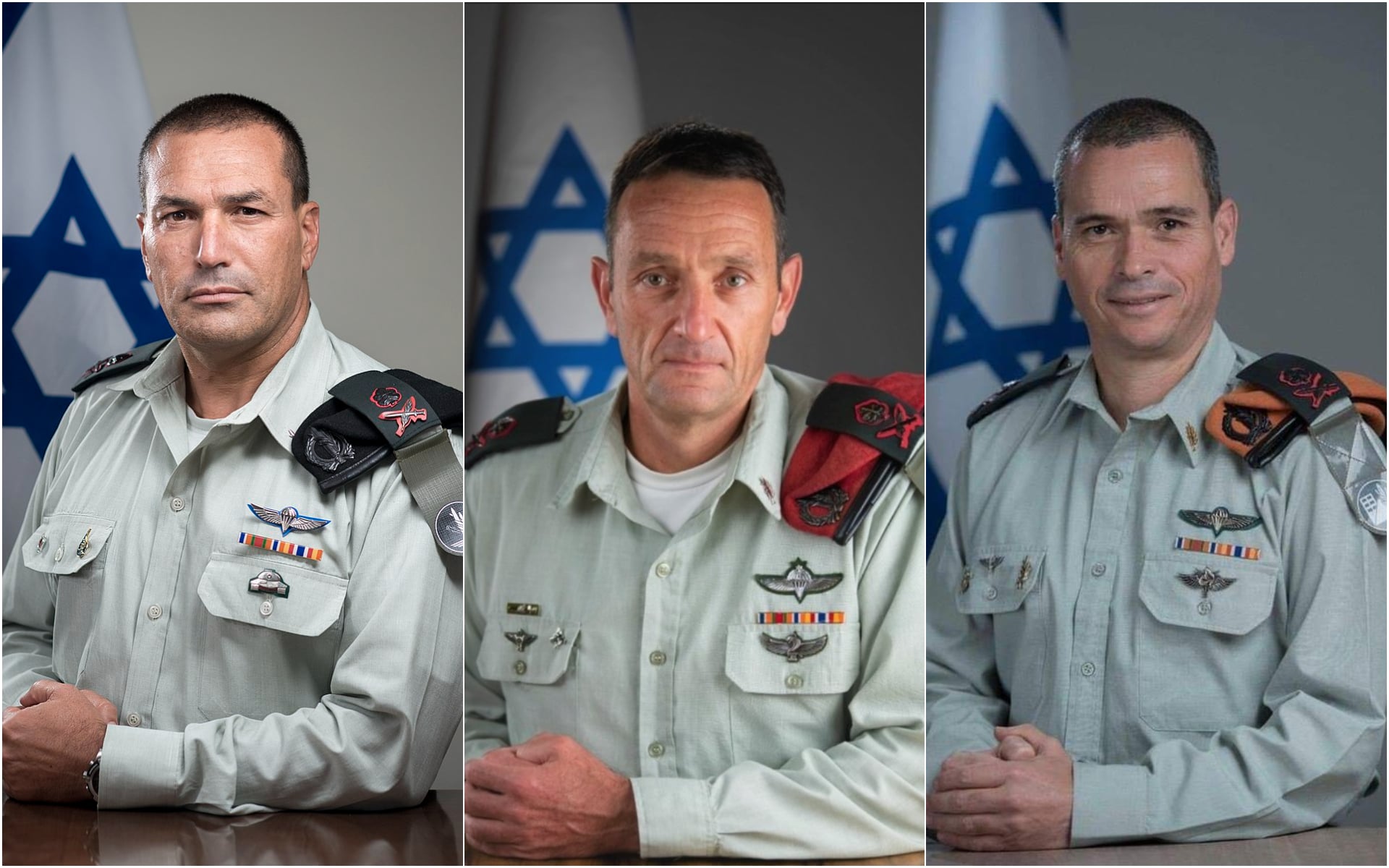
The candidates named by Gantz last week were Eyal Zamir, a former IDF deputy chief of staff currently serving as a research fellow at a think tank in Washington; Herzi Halevi, the current deputy chief of staff; and Yoel Strick, a former commander of the military’s Ground Forces, also serving as a research fellow at another think tank in Washington.
By law, candidates for chief of staff, as well as other senior positions such as police commissioner and Bank of Israel governor, must be vetted by the Senior Appointments Advisory Committee. After that, a nominee is confirmed in a cabinet vote.
Halevi is thought to be the frontrunner, with Zamir a rumored dark horse candidate. Halevi and Kohavi started off their military careers in the same paratrooper unit, and later both served as chiefs of the IDF’s Military Intelligence Directorate.
Before serving as deputy chief of staff, Halevi, 54, was the commander of the IDF’s Southern Command, overseeing several rounds of fighting between Israel and terrorists in the Gaza Strip in 2018 and 2019.






The Times of Israel Community.