

Animated film short offers glimpse of stateless Bedouin teen’s life
Producers say they hope ‘Jamila’s Loop’ sheds light on the predicament of many Bedouin who lack access to basic rights due to their legal status
 Add ToI as a Preferred Source on Google
Jessica Steinberg, The Times of Israel's culture and lifestyles editor, covers the Sabra scene from south to north and back to the center
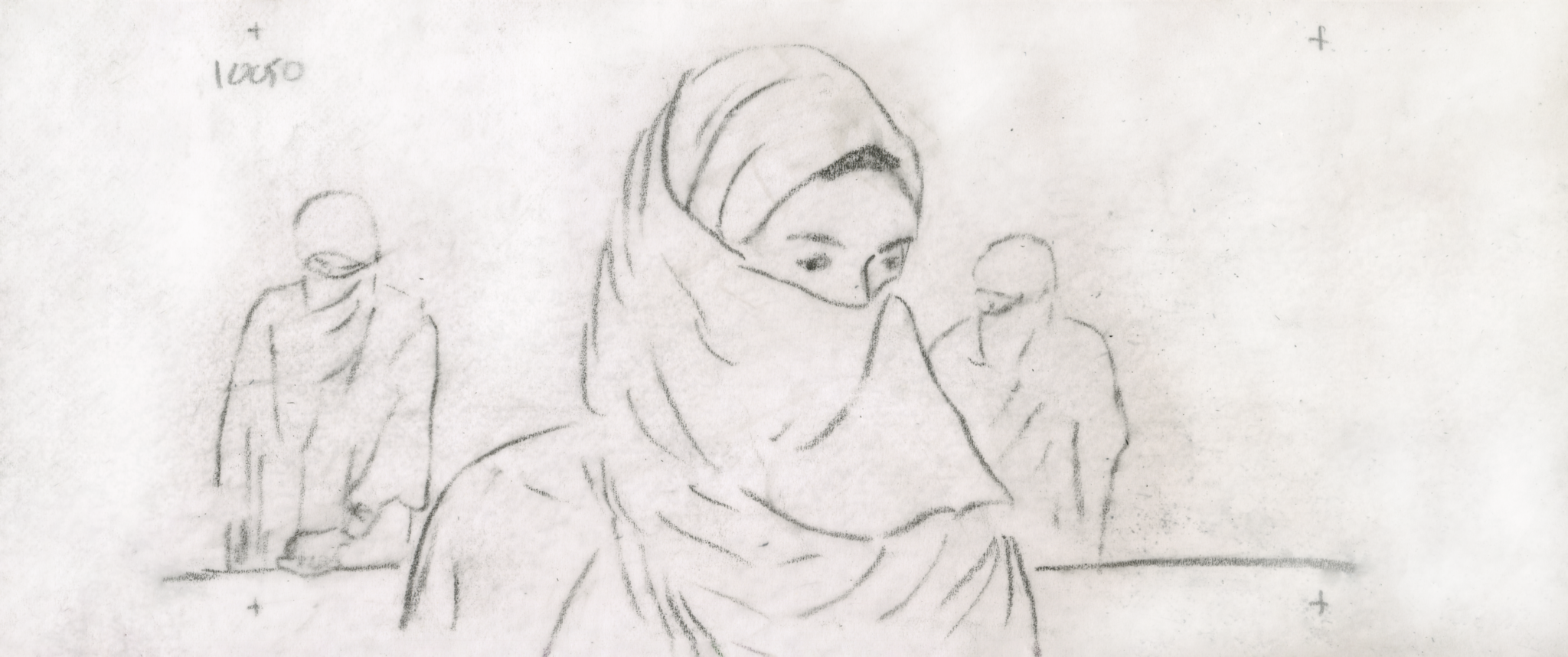
“Jamila’s Loop,” an animated short about a stateless Bedouin teen, was previewed (‘pre-premiered,’ in film festival terminology) by the Darom Foundation at last week’s Cinema South Festival in Sderot, with producers hoping it will help draw attention to the plight of thousands of people who live in Israel without citizenship.
The 12-minute film created by Gili Tsalik and Idan Levy tells the story of Jamila, a 16-year-old Bedouin girl who dreams of becoming a teacher but has no Israeli identity card, making her one of Israel’s approximately 3,000 stateless Bedouin.
The Cinema South Festival took place in its full format for the first time since October 7, 2023, at the Sderot Cinematheque. It was scheduled to run in June, but was postponed due to the war with Iran.
In “Jamila’s Loop,” drawn in pencil in classic animation style by Levy, viewers meet Jamila and the lizard that amuses her, and catch glimpses of her work in a sweet potato factory and other moments in her life.
The use of flashing frames shows that Jamila isn’t wholly present, said Levy. She frequently trembles and disappears, and the eraser used throughout is no less important than the lines drawn, he said.
“It’s an illustration without a lot of detail, just like these people who are faceless,” said Levy.
The screenplay was written by Levy and Tsalik, and the film was supported by the CoPro Foundation for Israeli Content Marketing, a nonprofit organization helping create cinema to change reality, influence policy, and spark public discourse.
Tsalik and Levy met through their mutual work in the south and in the Bedouin villages of the Negev.
In 2020, the pair first met Jamila and heard about her desire to study in an Israeli university, which was stymied because she is unrecognized by the government.
Jamila represents some 3,000 Bedouin who are considered unrecognized by the state, and particularly those living in the Negev desert, said Tsalik.
Those without citizenship cannot vote in national elections and cannot get a passport, usually cannot attend school and pay more for national health insurance. They often lack basic services and live with the threat of displacement.
The issue largely affects Bedouins whose grandparents or parents were not registered as a citizen between 1948 and 1952, or, in some cases, renounced citizenship.
“There’s no way for them to deal with it and there’s no way of knowing how many there are,” said Levy.
The Bedouin in that situation are scared, don’t know their rights, and are suspicious as a result, added Tsalik.
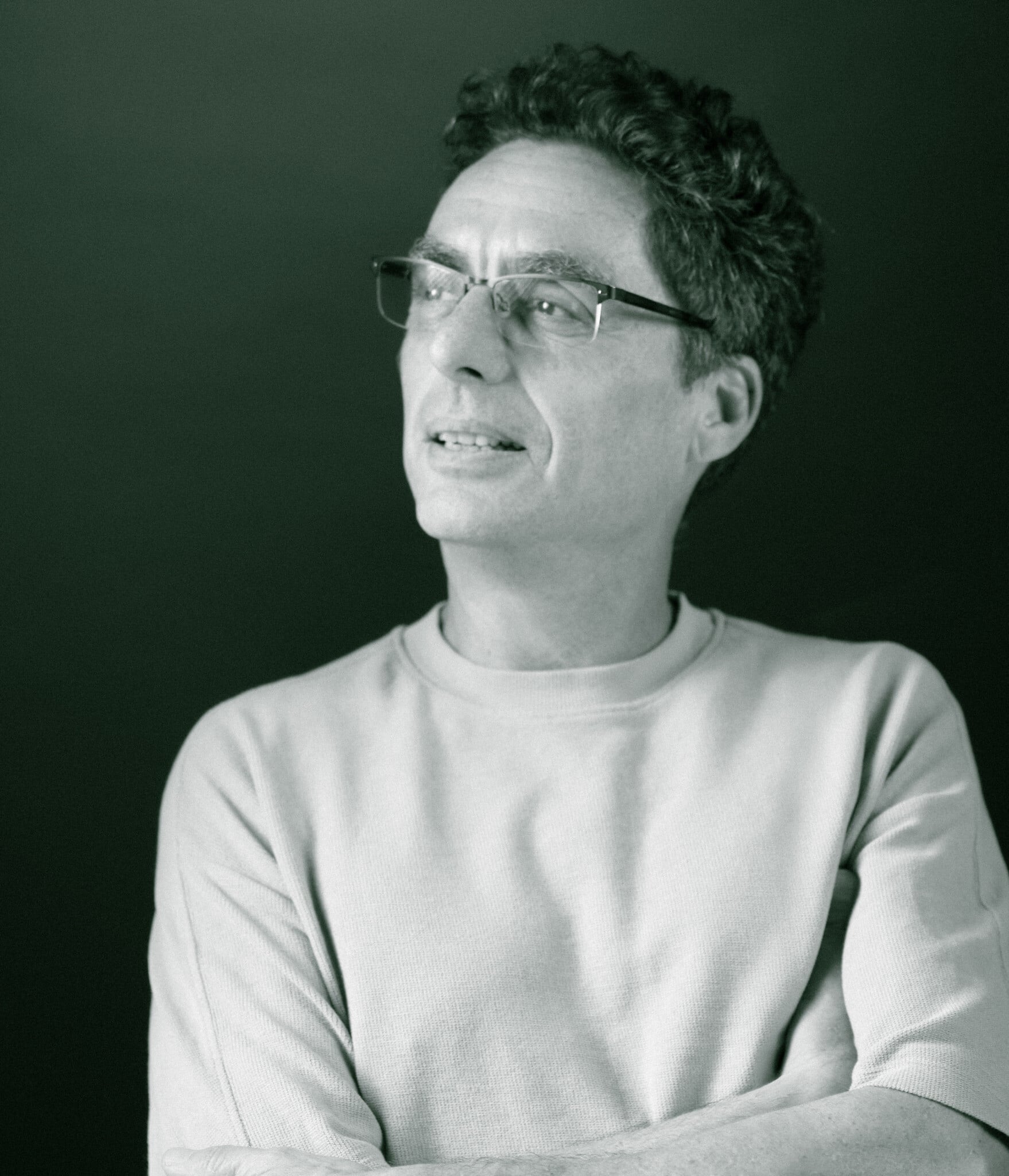
Levy and Tsalik wanted to make a documentary about Jamila, but realized she couldn’t and wouldn’t appear in the film.
Animation was the only option they found for telling Jamila’s story without making her situation even more precarious.
Levy said Jamila was a full partner in helping them put together the film and has watched it, but she can’t show it at home or attend the premiere in Sderot.
“She really, really loved it,” said Levy, “but she couldn’t tell anyone about it.”
“That’s part of what we’re trying to fix,” said Tsalik.
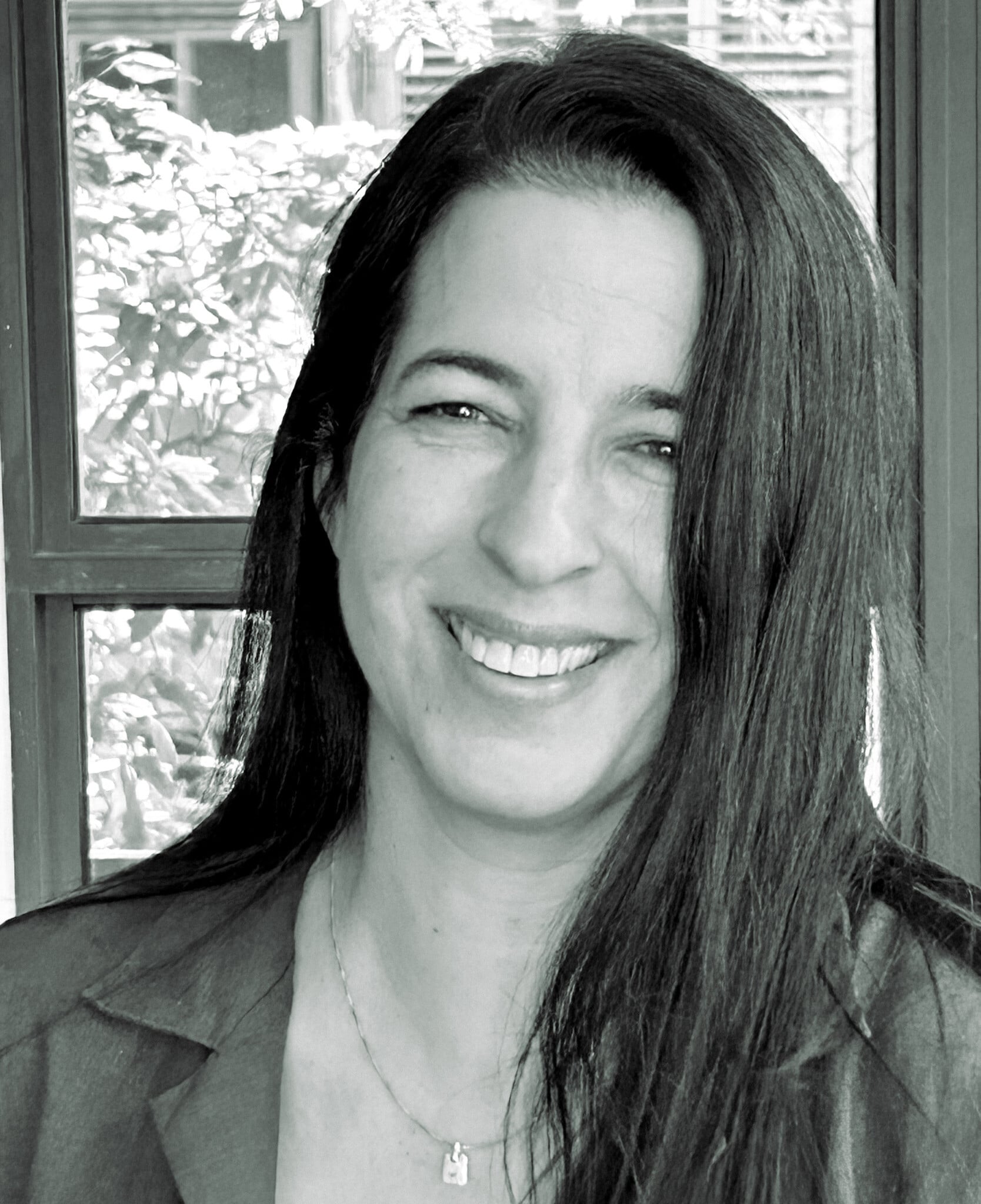
The November 11 screening at the Cinema South Festival was the first stage of their process. The pair hopes the short will be picked up for other markets.
“Jamila’s Loop” is an example of cinema being used as a tool for real social change, said Pnina Halfon Lang, CEO of the CoPro Foundation, whose Shorts for Change Lab, together with the Western Negev Regional Authority Cluster and the Negev Foundation, helped fund the film.
Levy and Tsalik hope to put together a database of stateless Bedouin to help them gain a voice and gain the assistance of other groups in their quest for better health care and education.
“This isn’t political at all,” said Levy and Tsalik. “It’s human, about taking care of human beings who aren’t seen at all.”






The Times of Israel Community.