

Board of Peace envoy says full execution of Gaza plan only ‘guarantee’ Oct. 7 won’t recur
Nickolay Mladenov tells Channel 12 disarmament plan is ‘not built on trust,’ but complete verification of progress; White House said not worried about Netanyahu’s rejection of plan
 Add ToI as a Preferred Source on Google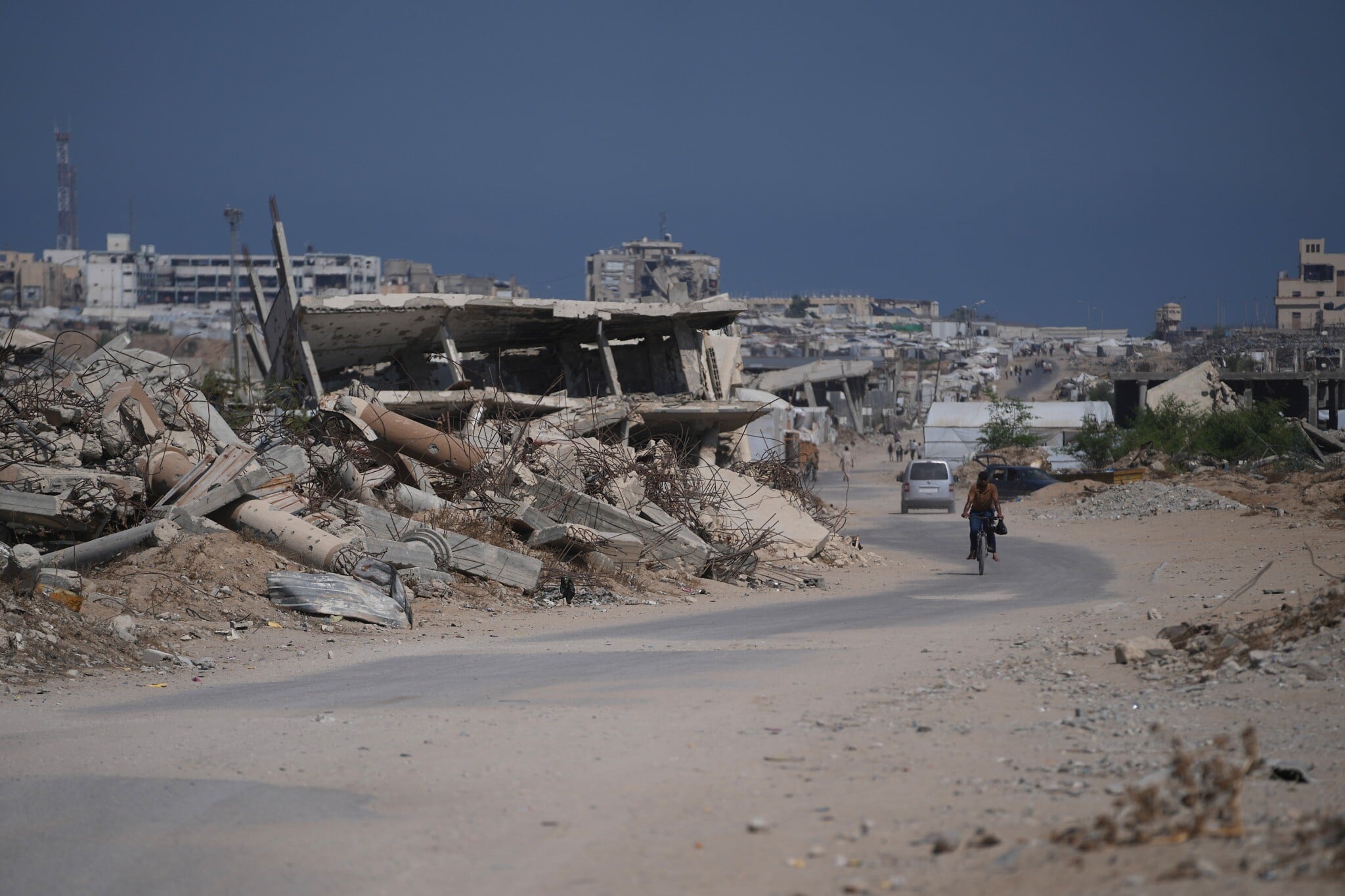
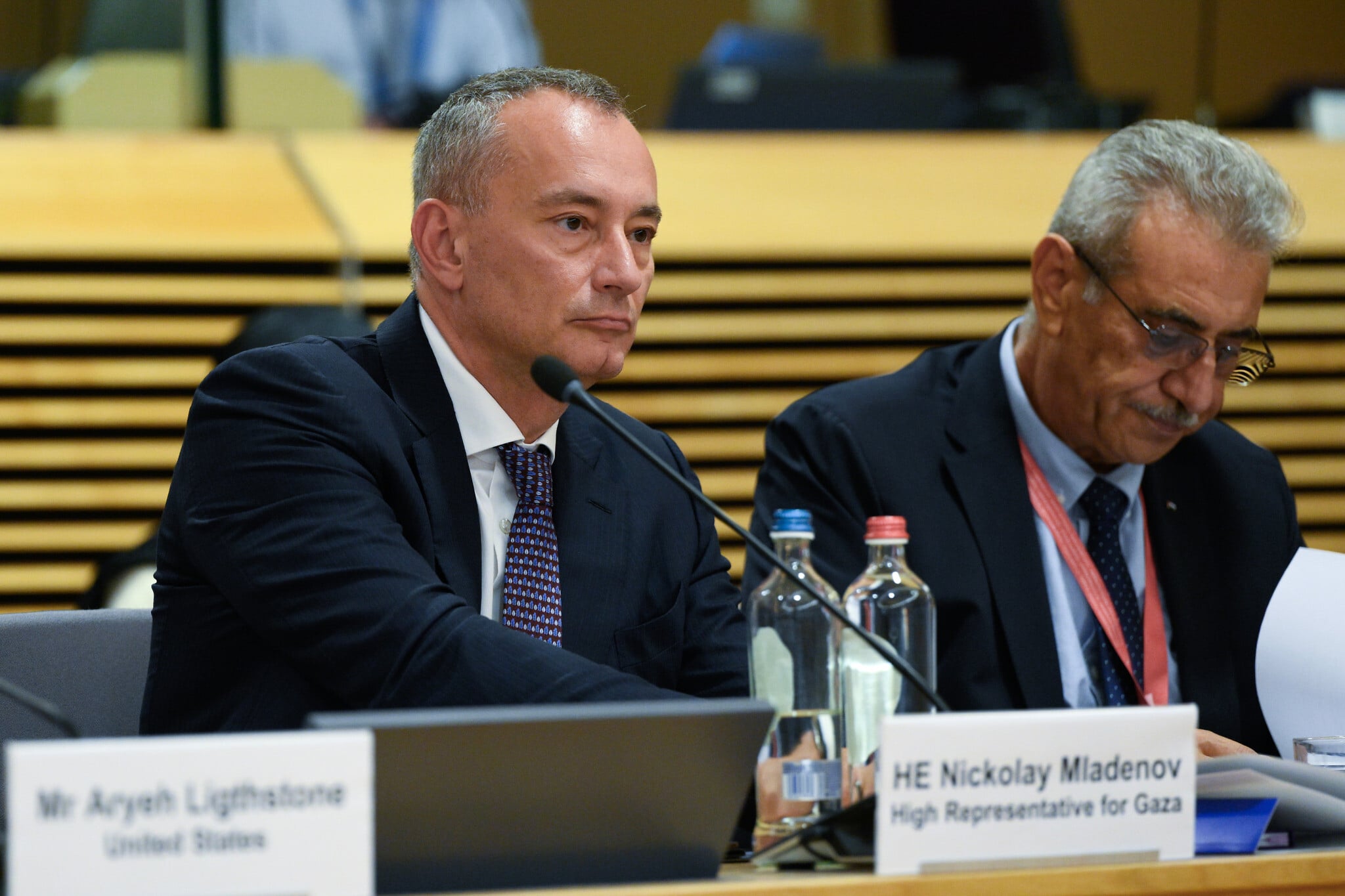
Nickolay Mladenov, the Gaza envoy of the US-backed Board of Peace, sought to dispel skepticism in Israel about the board’s roadmap for the disarmament of Hamas in the Strip, arguing that the plan’s full implementation is Israel’s only “guarantee” of preventing a repeat of the October 7, 2023, massacre, and that it will be based on verifiable steps, rather than trust of the terror group.
Mladenov’s interview with Channel 12 on Sunday was broadcast just a few hours after Prime Minister Benjamin Netanyahu announced that he categorically rejected the 15-point plan, and, in a U-turn, reportedly halted a small IDF pullout from certain areas in southern Gaza that he had previously approved.
The White House brushed aside the prime minister’s comments as campaign rhetoric ahead of Israel’s October 27 election, while a key Palestinian mediator slammed them.
The roadmap’s goal is “to make sure that Gaza is never again a threat to Israeli security — that what happened before October 7 never happens again,” Mladenov told Channel 12, referring to the 2023 Hamas-led onslaught in southern Israel that sparked the war.
“What happened on October 7 will never, ever be allowed to happen, as long as we have a full implementation of the Board of Peace’s plan… The option that we are offering today is the only way that we move forward that guarantees that this tragedy will not occur again,” he said.
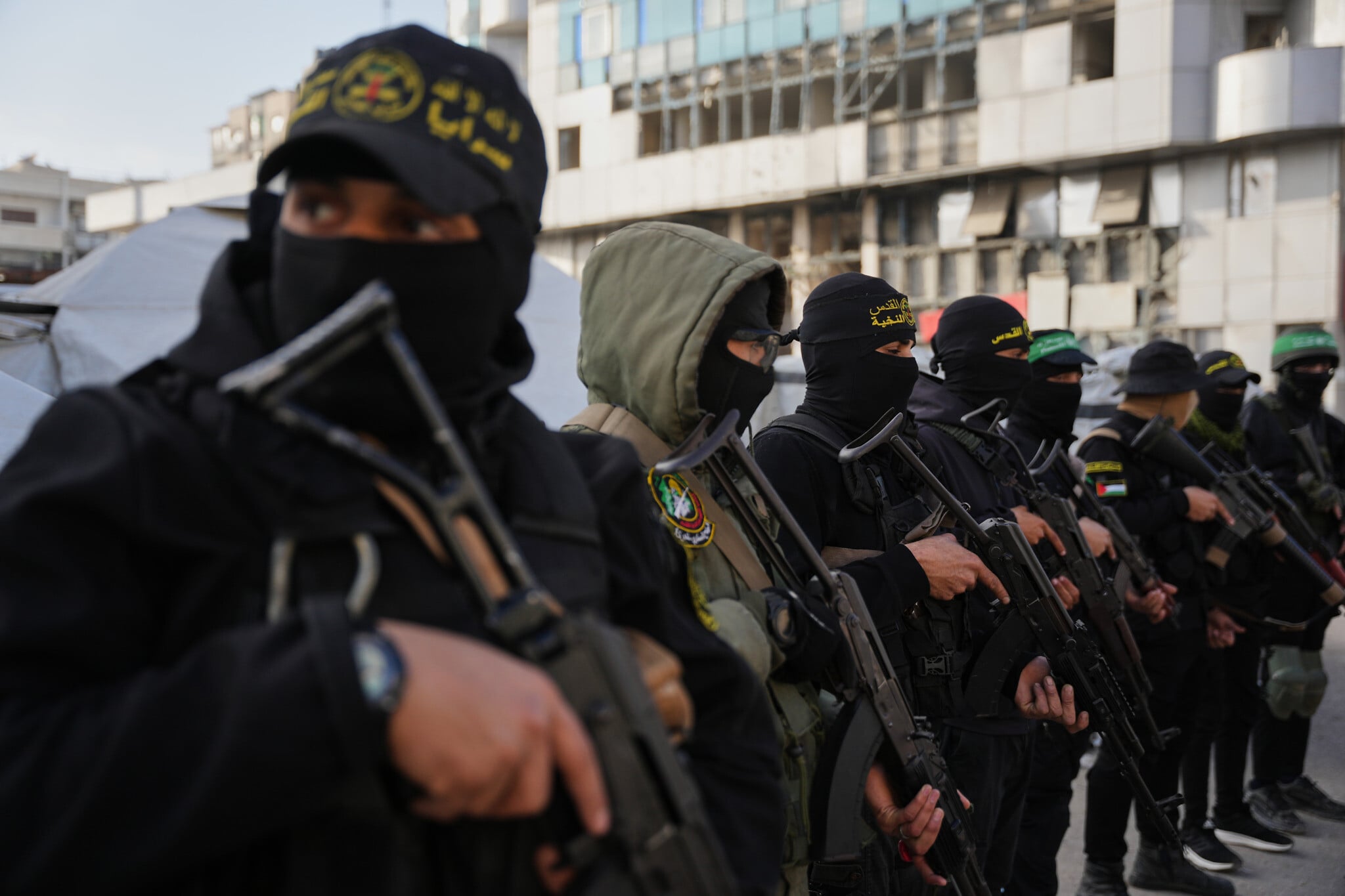
Mladenov stressed that Israel is not expected to withdraw IDF forces from their current positions until there are tangible steps reflecting Hamas’s disarmament under the roadmap, which the terror group approved last week. The plan would see Hamas hand over control to a Palestinian technocratic body operating under the Board of Peace, called the National Committee for the Administration of Gaza, or NCAG.
“Nobody is required to do anything – last of all Israel – before we actually have verified steps on the ground,” Mladenov said. “If there is verified decommissioning of weapons, that they are taken away from the factions, and stored, and ultimately rendered unusable, Israel then withdraws from Gaza.”
????In an exclusive interview with Channel 12 News, (Amit Segal) Board of Peace CEO Nickolay Mladenov addressed the framework for demilitarizing Gaza and the IDF’s gradual withdrawal, shortly after Prime Minister Benjamin Netanyahu announced that Israel had rejected the “15-point… pic.twitter.com/XMKyMycjbk
— Iris (@streetwize) August 9, 2026
He specified that, at this stage, the plan does not require an IDF withdrawal from the Yellow Line, which divided Gaza roughly evenly between zones of Israeli and Hamas control under the October 2025 ceasefire. Israel has since taken control of territory beyond the original Yellow Line and now controls more than 60 percent of Gaza.
“What we are asking is that the IDF do not position troops further [inside Gaza] from the Yellow Line, because the Yellow Line was agreed under the comprehensive plan,” he added, referring to the October 2025 ceasefire. “So we would like them to stay at those positions, and to make sure that they do not shoot across at people unless they are a real threat to Israeli soldiers…”
“The Yellow Line, obviously, will move further back once there is decommissioning in Gaza,” he continued. “Once each [geographical] sector is decommissioned, and the weapons are certified — that they have been taken over and stored by the NCAG, the Board of Peace, and rendered unusable — then Israel is required to move back progressively, step by step, in stages, ultimately to the [border] fence in Gaza.”
Mladenov further stressed that Israel will not be restricted in its military responses to “imminent” threats under the Gaza roadmap. “None of the plan that we are preparing limits Israel’s options to react to a threat if it’s imminent and if it’s really endangering its troops.”
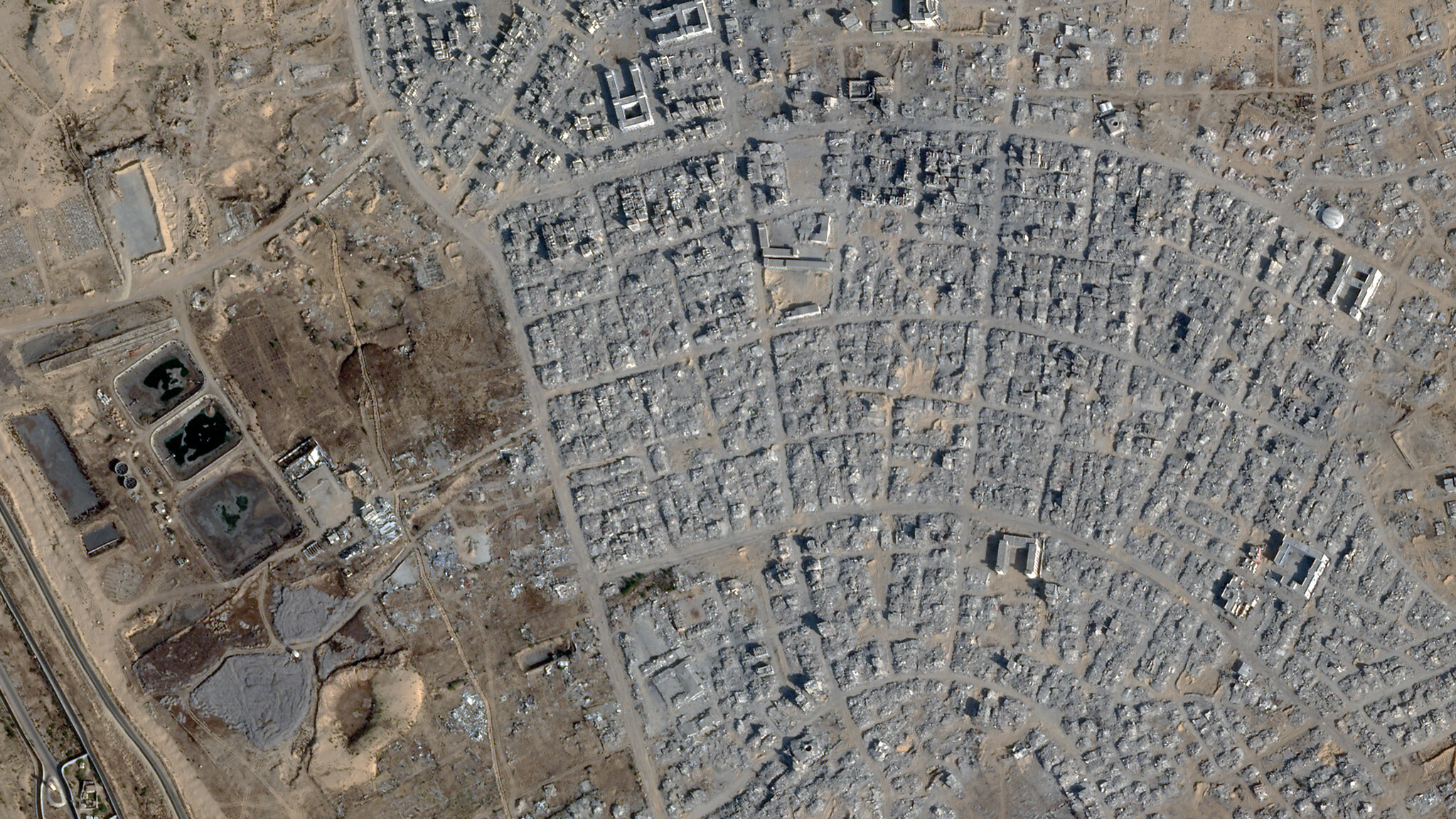
Noting that it will take “more than a decade” to destroy all of Hamas’s extensive tunnel network in the Strip, Mladenov argued that working through the Board of Peace could accelerate that process. “With the Board of Peace, together, it can be done much quicker and much more effectively,” he said.
Mladenov stresses verification, not trust
Mladenov also praised Turkey and Qatar — states that have been adversarial to Israel and have hosted Hamas leaders — for their role mediating the talks over the roadmap. Concern has grown in Israel that Turkey and Qatar will be part of the International Stabilization Force tasked with securing the enclave during its transitional period.
“My experience over the last eight months is that if it wasn’t for Egypt and for the other mediators, Turkey and Qatar, we would have not been able to get to a position in which Hamas would agree to the roadmap. Their contribution has really, really been critical to this,” he said, adding that there will be a “verification mechanism” to ensure all parties are complying with the roadmap and that the entire process will stop if commitments are not honored.
Mladenov acknowledged the risks involved in implementing the plan, but said its provisions are built around verification rather than trust between the parties.
Asked about widespread mistrust in Israel regarding the entire plan, Mladenov said that many in Israel “think that we have based this whole plan on trust. But the only way that we do this is if we all agree that nothing happens on trust and everything needs to be verified, and everything needs to be done on a step-by-step approach.”
“I’m not building any of this on the basis of trust, and none of us are, and we’re very clear-eyed about the risks going forward,” Mladenov said. “We’re building it on verification, and this is pretty much the basic premise — which I would like both sides to really trust — that because of the verification process, we actually have a chance.”
PM nixed small pullout from Rafah at last minute – sources
Also on Sunday, just after Netanyahu rejected the Board of Peace plan, Channel 12 reported that the premier personally approved a pilot IDF withdrawal from three small areas close to Rafah in southern Gaza, before apparently changing his mind over the past 24 hours and telling the cabinet Sunday that Israel will not withdraw from any part of Gaza unless or until Hamas gives up all its weapons.
The IDF and the security establishment reportedly only learned of Netanyahu’s reversal from the media on Sunday, the report said, quoting sources in the security establishment.
The withdrawals in the Rafah area were reportedly discussed in consultations in the past week attended by Netanyahu and IDF Chief of Staff Lt. Gen. Eyal Zamir, and approved by the IDF, by Netanyahu and by the United States.
The deliberations dealt with the specifics of where exactly the IDF would withdraw from, where the forces would redeploy, and how they would coordinate with the intended incoming troops from the International Stabilization Force.
Netanyahu’s announcement that he was rejecting the Board of Peace’s plan and would not agree to any IDF withdrawal from Gaza before Hamas completely disarms came as “a major shock” to the security establishment, Channel 12 reported.
It quoted an unnamed security official saying: “The shift in the prime minister’s position occurred in the past day. We learned of it today only through the media. In the discussions before today, the prime minister gave his personal approval to this plan and to the withdrawal from the points in the Rafah area.”
The Prime Minister’s Office did not immediately comment on the report.
White House not worried about Netanyahu’s stance – report
After Netanyahu’s declared refusal to go along with the US-backed plan, White House officials reportedly said that they were not troubled by the premier’s stance, which they regard as a case of campaign rhetoric.
The officials also noted that Israel has in fact halted strikes in Gaza for the past five days.
“We are not troubled by those comments from Netanyahu,” a senior US source told Channel 12. “We understand his political needs [in this election period]. We have no problem with that, as long as he continues to do what we ask — especially as regards reining in the strikes in Gaza.”
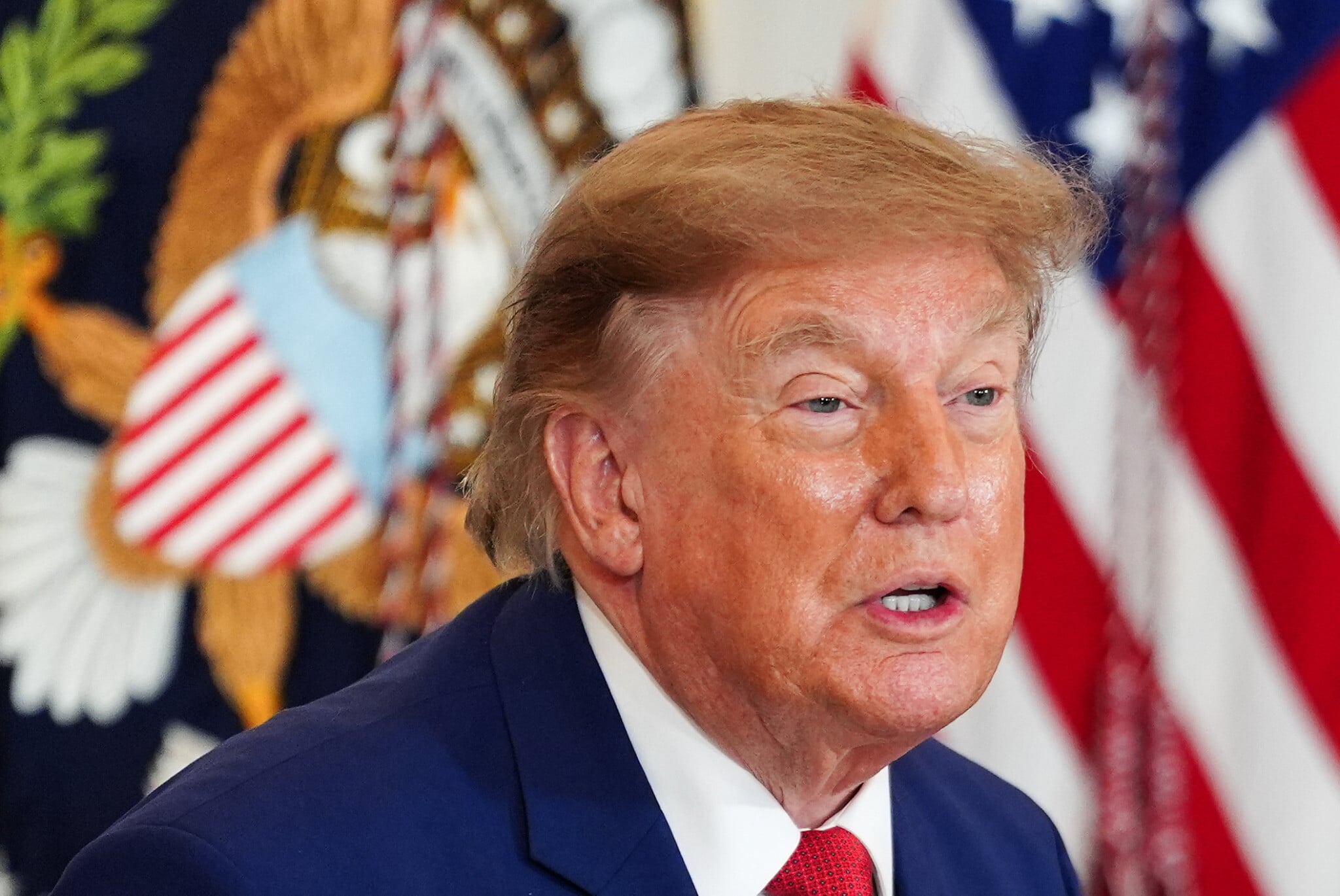
According to the Channel 12 report, Netanyahu spoke last week to Trump’s envoy and son-in-law Jared Kushner and told him that he did not believe Hamas would agree to disarm, but that he was prepared to give the 15-point plan a chance — — both by reining in strikes in Gaza and not deploying the IDF beyond the Yellow Line.
The officials quoted in the report said that the US has been watching Gaza very closely, and Netanyahu has thus far kept his word.
Dahlan: Netanyahu’s refusal is ‘deception’ of Trump
In contrast to the comments from the White House, a senior Palestinian figure said Sunday that the premier’s announcement constituted a “challenge, disdain, and deception toward the American administration and President Donald Trump’s team.”
Mediators “now recognize Netanyahu as the obstacle to achieving security and stability,” said Mohammad Dahlan, a former official of Fatah, the party that controls the West Bank-based Palestinian Authority. Dahlan has served as a key go-between in negotiations involving Palestinians.
Dahlan has become a close adviser to United Arab Emirates President Mohammed bin Zayed, and Kushner has also closely consulted with him while advancing his plan for the postwar management of Gaza.
Dahlan has preferred to largely remain behind the scenes, but one of his aides confirmed his involvement in the Hamas disarmament talks for the first time last month.






The Times of Israel Community.