

‘Deep joy and strength’: 96-year-old Holocaust survivor is Israel’s newest immigrant
After losing her entire immediate family, Charlotte Roth rebuilt her life in US and spent decades living in Cleveland. Now, the matriarch of four generations is settling in Netanya
 Add ToI as a Preferred Source on Google
Zev Stub is the Times of Israel's Diaspora Affairs correspondent.
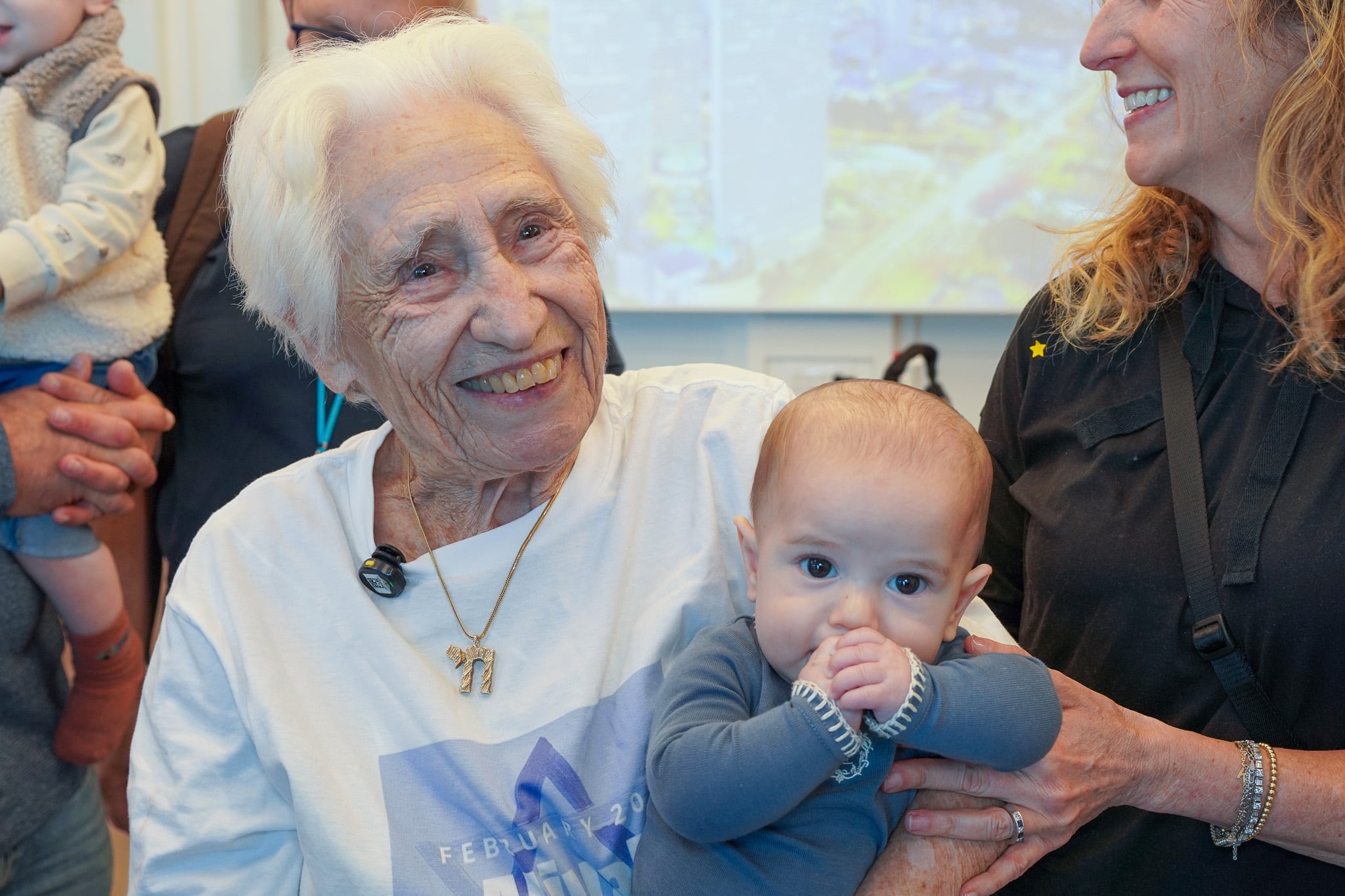
Eight decades after surviving the Auschwitz death camp during the Holocaust, 96-year-old Charlotte Roth officially became an Israeli citizen this week.
After building her life in Cleveland, Ohio, ever since she arrived in the United States as a refugee shortly after the war, the matriarch of four children, nine grandchildren, 26 great-grandchildren, and 11 great-great-grandchildren is now based in Israel’s coastal city of Netanya.
“I usually come twice a year to visit my family,” Roth told The Times of Israel. “Now, I decided to stay here to be with them.”
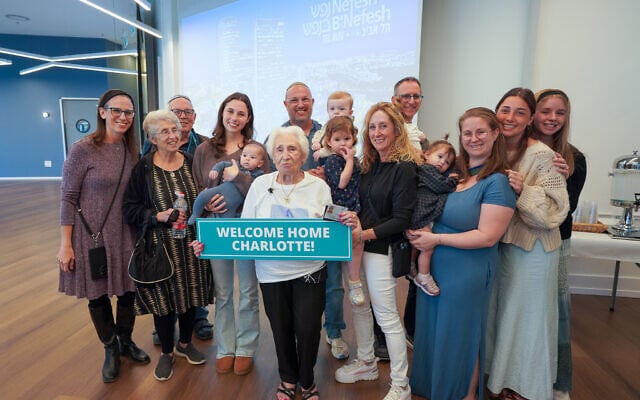
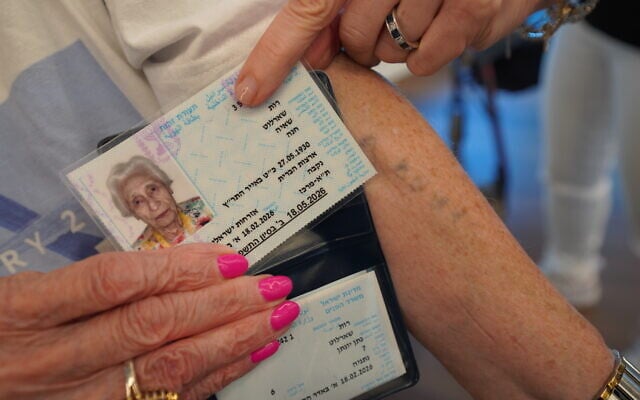
After she arrived in September for the Rosh Hashanah holiday, Roth began the immigration process through the Nefesh B’Nefesh organization, aided by her granddaughter. The paperwork was finished in about three months, and on Wednesday, Roth celebrated her aliya (Hebrew for immigration) with her family at the Nefesh B’Nefesh office in Tel Aviv.
Roth first visited Israel in 1988, and she recalls climbing Masada, the mountain fortress in Israel’s Negev, at age 81 on foot. So far, she has had five great-grandchildren serve in the IDF.
“After what I’ve been through, I was always afraid of seeing soldiers carrying guns,” Roth said. “But in Israel, I’m proud to see them.”
Roth was born in Czechoslovakia into a large and close-knit family, where “family was everything.” But in 1944, when she was 14, her world was shattered.
That Passover, her family was forced into a ghetto, and weeks later, right before the Shavuot holiday, they were deported to Auschwitz in a cattle car. Upon arrival on the second day of Shavuot, Roth was separated from her mother and siblings during the selection process. It was the last time she saw them.
Roth was selected for forced labor due to her skill at sewing, a talent that likely saved her life. She survived Auschwitz, a death march, and imprisonment in another camp before the war ended in 1945. But when she returned to her childhood village after the liberation, she learned that none of her immediate family were alive. She was also devastated to hear that her father, who had also survived the war, had taken his life just days earlier after hearing, falsely, that no one else in the family had survived the atrocities.
From the remnants of her former life, Roth kept just one possession: a ring engraved with the initials “IS,” for Ilanka Shvartz, the name she was born with before the war. She continues to wear it to this day.
In the years that followed, Roth rebuilt her life from nothing. As a teenager in a Displaced Persons camp, she met her future husband. They married there and welcomed their first child before immigrating to the United States, where restrictive immigration policies required her to take a new passport, a new name, and in many ways, a new identity.
Roth still has her home in Cleveland, and some of her children still live there. She has plenty more family celebrations to look forward to.
“I have a nine-year-old great-grandson whose family remains in Cleveland, and he says we are going to celebrate his bar mitzva and my 100th birthday together here,” she smiled.
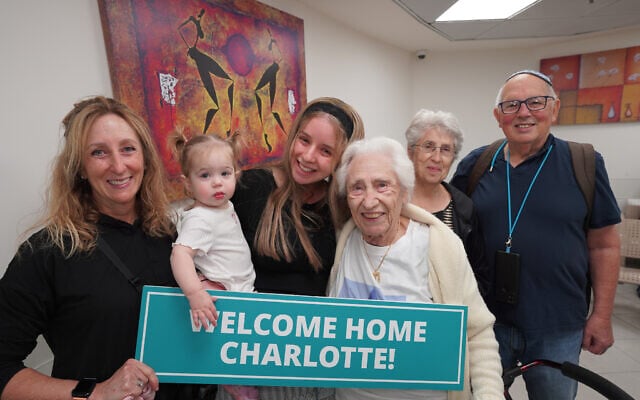
In Israel, Roth spends most of her time as she was taught growing up, with her family. She currently has two children, two grandchildren, 15 great-grandchildren, and nine great-great-grandchildren in the country — with one more on the way. She exercises regularly and likes to walk, but insists that she eats whatever she wants.
“It is a truly wonderful moment in my life to be able to call myself Israeli, a citizen of our Jewish state,” Roth said. “Walking these streets with five generations of my family fills my heart with deep joy and strength, especially when I see Israeli soldiers and feel safety and pride where there was once fear.”









The Times of Israel Community.