

First female Druze doctor in Israel awarded prize for breaking barriers
Dr. Nadia Khir honored with prestigious Habama Shelahen prize for blazing trail 35 years ago; ‘wanted to help’ women in her community who couldn’t seek care from male practitioners
 Add ToI as a Preferred Source on Google
Reporter at The Times of Israel
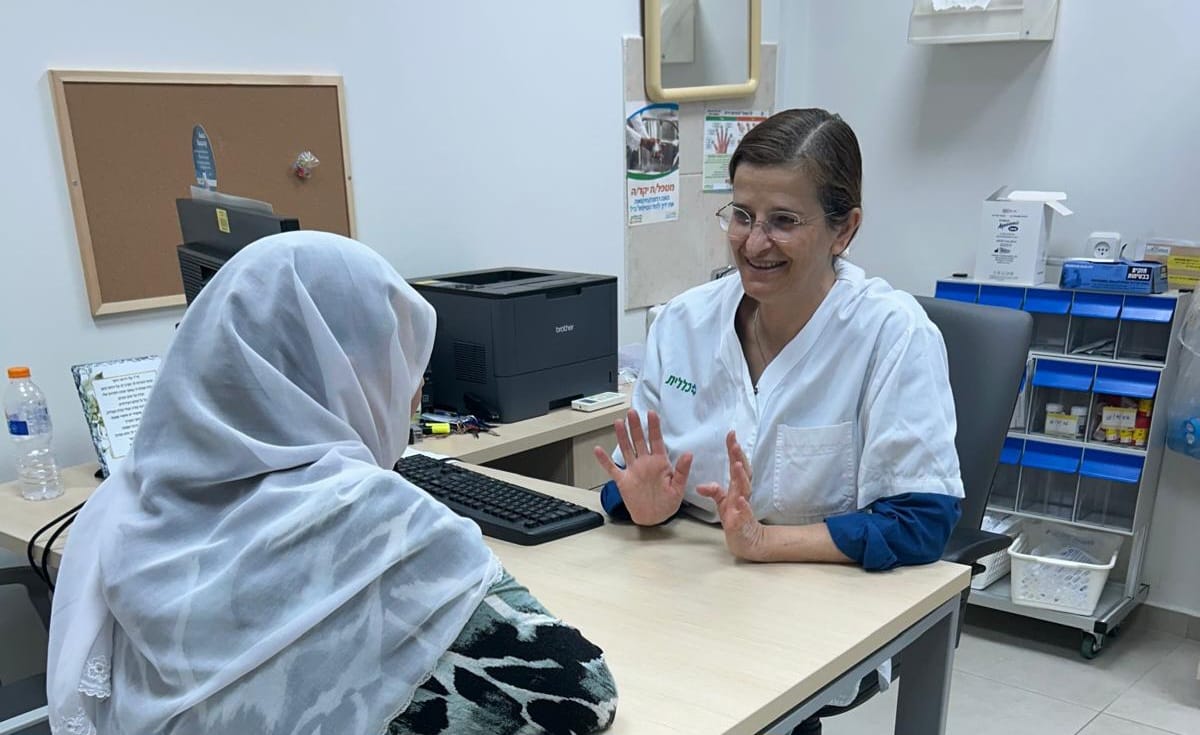
JULIS, Western Galilee — Dr. Nadia Khir, who was awarded the Habama Shelahen (Hebrew for “Their Stage”) prize for women in leadership roles in Israel on Sunday, didn’t set out to be a trailblazer when she became the first ever female Druze doctor in Israel.
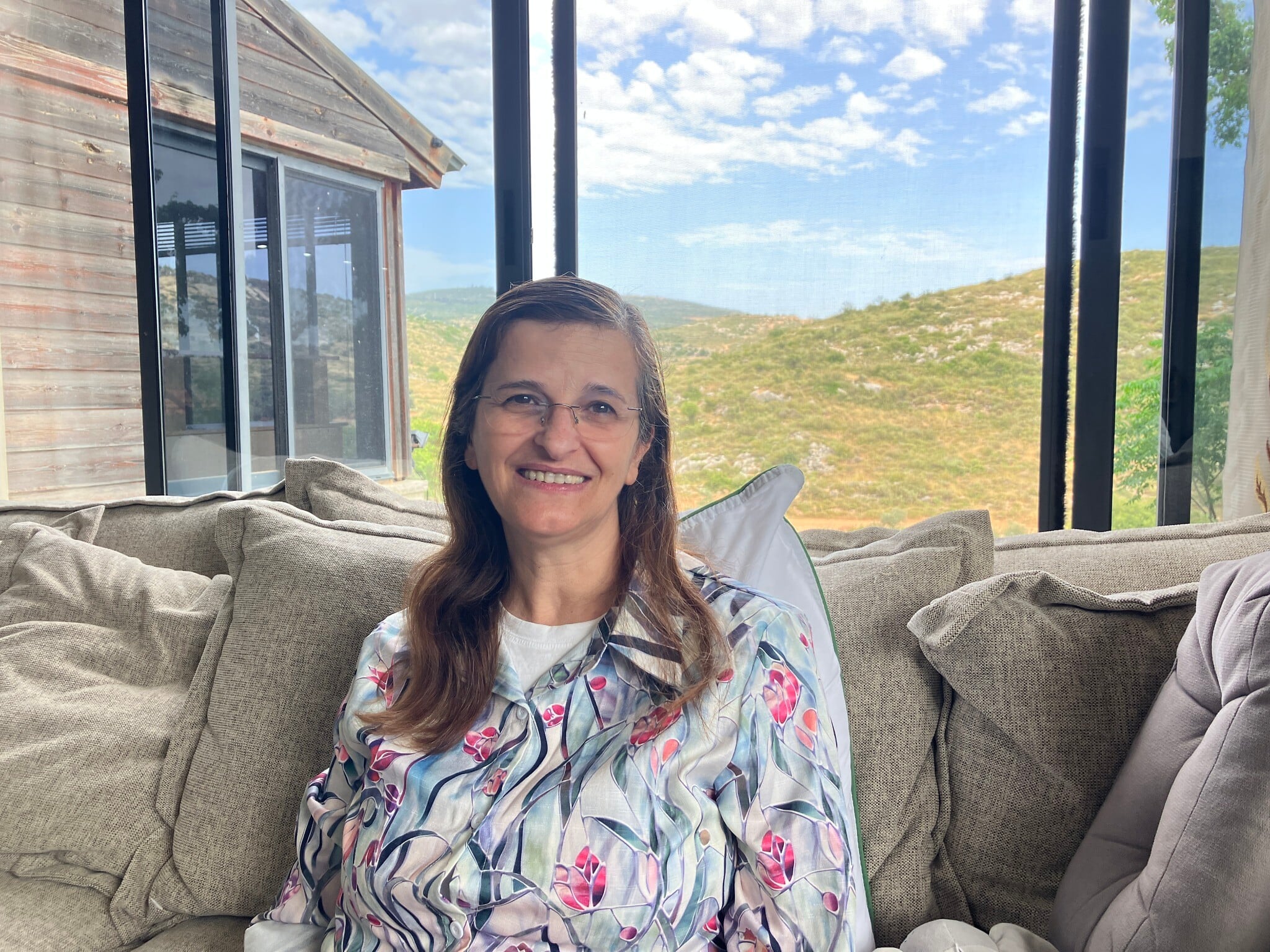
Speaking to The Times of Israel in her living room on the edge of Julis, a Druze village in the Western Galilee, Khir, 58, recounted how, as a young girl, she heard “stories about women bleeding to death or having miscarriages because they wouldn’t go to a male doctor.”
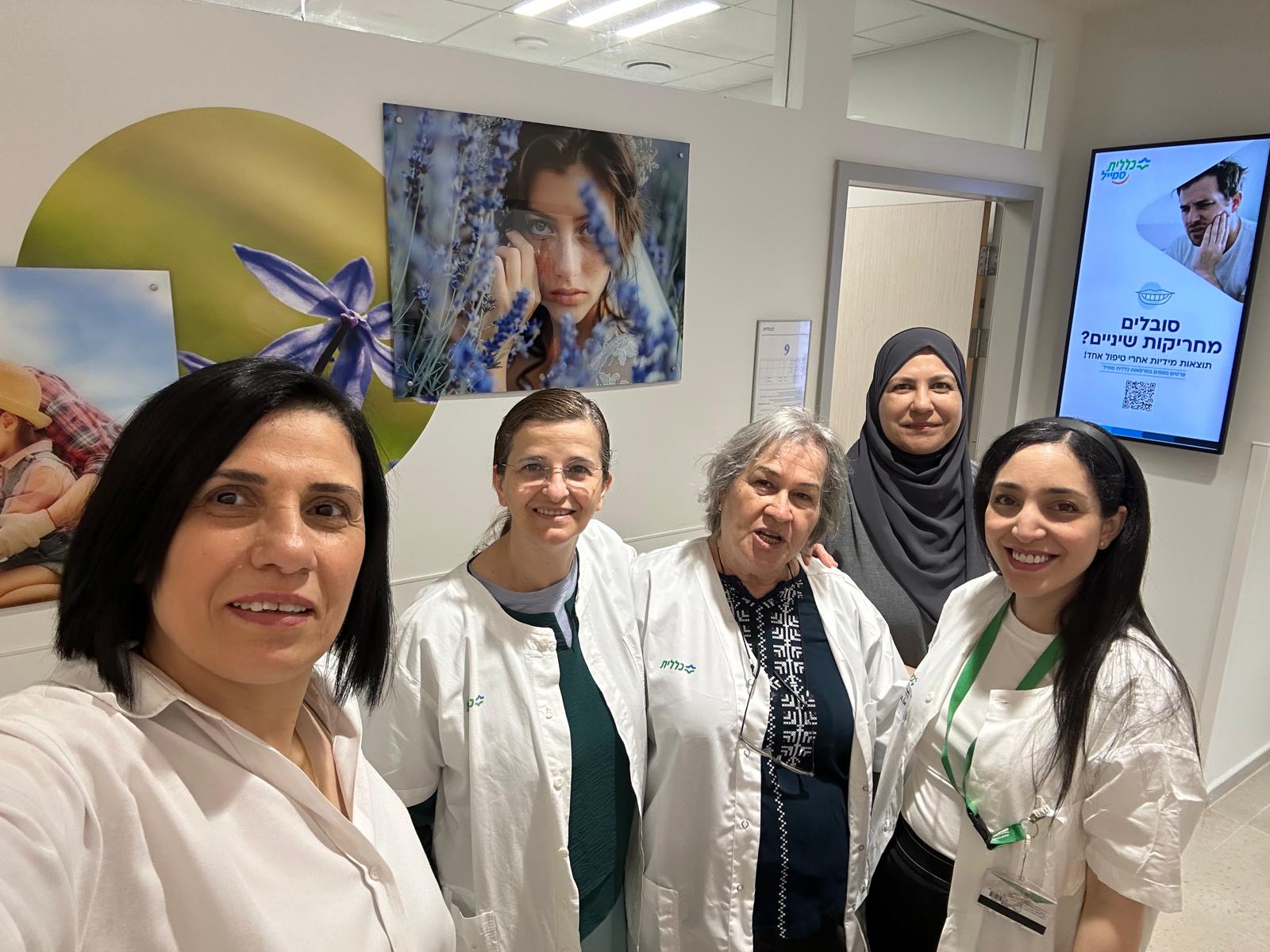
“This affected me so much, and I wanted to help,” said Khir, who works as a gynecologist in four different Clalit Health Services clinics in the Galilee.
In traditional Druze society, men are generally not permitted to touch women, except for first-degree relatives, so examinations by male physicians are not allowed.
Today, there are approximately 40 female Druze doctors in Israel, Khir said, but in the early 1990s, there were none. She was the first.
“Choosing Dr. Nadia Khir means choosing a woman who broke barriers not only for herself, but for an entire generation of women in Druze society,” said a spokesperson for the Habama Shelahen prize in a statement. “She succeeded in changing deeply rooted social perceptions and proved that education, leadership, and personal fulfillment can strengthen an entire community. Her impact continues to this day.”
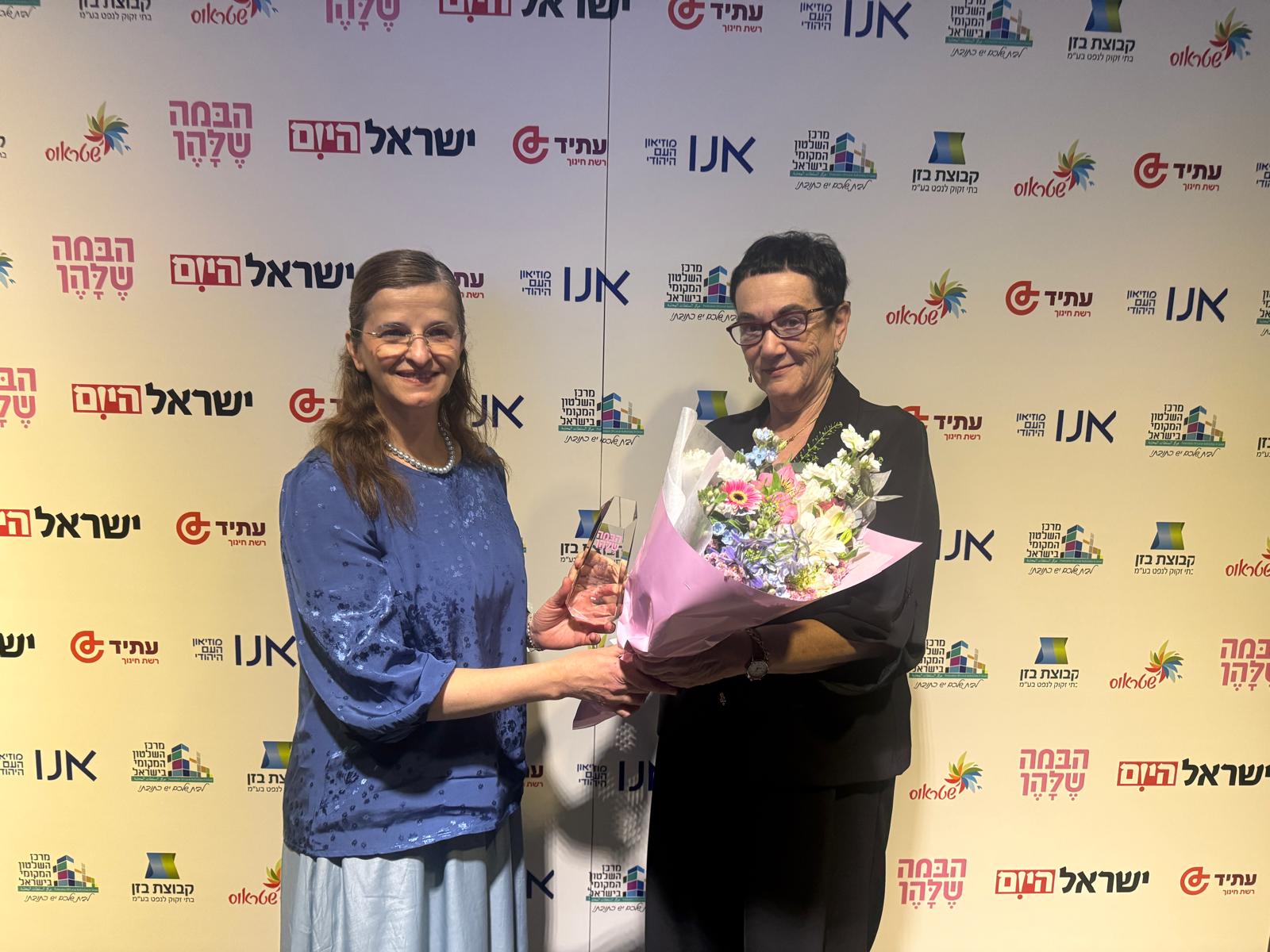
The event, sponsored by Dr. Miriam Adelson and hosted by Israel Hayom, honored one woman in each of several fields: community engagement and contribution, security, health, education, economy and entrepreneurship, young leadership, culture, and sports.
Wearing a modest, floral blouse and long skirt, Khir offered her guest grapes, apricots, and pomegranate juice and spoke about her challenges in becoming a physician.
She recounted that when she was growing up in Peki’in, 32 kilometers (20 miles) away from Julis, her biology teacher suggested that she become a doctor because she was an excellent student.
Khir said her mother, who raised five children, struggled with illness her whole life.
“I was 18 and wanted to learn medicine, but at the time, it was forbidden for Druze women to go to university,” she said. “A young woman who studied could cause her family to be excommunicated from the Druze community.”
When Khir was accepted to study medicine at the Technion-Israel Institute of Science in Haifa in 1985, she was terrified that her religious mother would be excommunicated.
Then, one afternoon, Khir happened to meet the then-leader of the Druze religious community in Peki’in, Sheikh Farag Fadool, in the street. She told him that she wanted to learn medicine, “but I’m so afraid that my mother will be punished.”
“The sheikh looked at me,” Khir recalled. “Then he said, ‘Don’t worry, I will not punish your mother.’ He gave me the peace of mind to study.”
A unique ethnic minority
The Druze are a mystic sect that broke away from Shiite Islam in the 11th century. Their beliefs differ markedly from Islam, and they accept no converts.
Around the world, there are approximately 1 million Druze, mostly in Syria, Lebanon, Turkey, and Jordan. There are some 180,000 Druze in Israel, including those who live in the Golan, not all of whom hold Israeli citizenship.

According to the Health Ministry’s 2023 statistics, Arab Israelis, including Muslims, Christians, and Druze, have disproportionately high representation in the country’s medical fields. They make up about one-quarter of Israel’s physicians, nurses, and dentists, and just under half of Israel’s pharmacists — figures that rose substantially since 2010. About 43 percent of all physicians are women. Female Arab doctors are no longer outliers.
“But I needed so much courage,” Khir said.
Even getting a driver’s license 35 years ago was tricky.
At the time, Druze society banned women from driving, and Khir knew she wouldn’t be able to get a driver’s license in a Druze village.
“So I got my driver’s license in Haifa,” she said.
Today, secular Druze women are allowed to drive, but some women in conservative families still do not.
Julis, with a population of about 7,000, is a fascinating amalgam of tradition and modernity. Nestled in the Galilean hills, it is dotted with cafes and gyms. Young women, some in jeans and others in long black robes and white veils, walk down the narrow, timeless alleyways.
Prof. Tarif Bader, CEO of Clalit-Kaplan Medical Center and former IDF chief medical officer, who is also Druze, told The Times of Israel that he has known Khir since the early 1990s, when they worked together in the Galilee Medical Center.
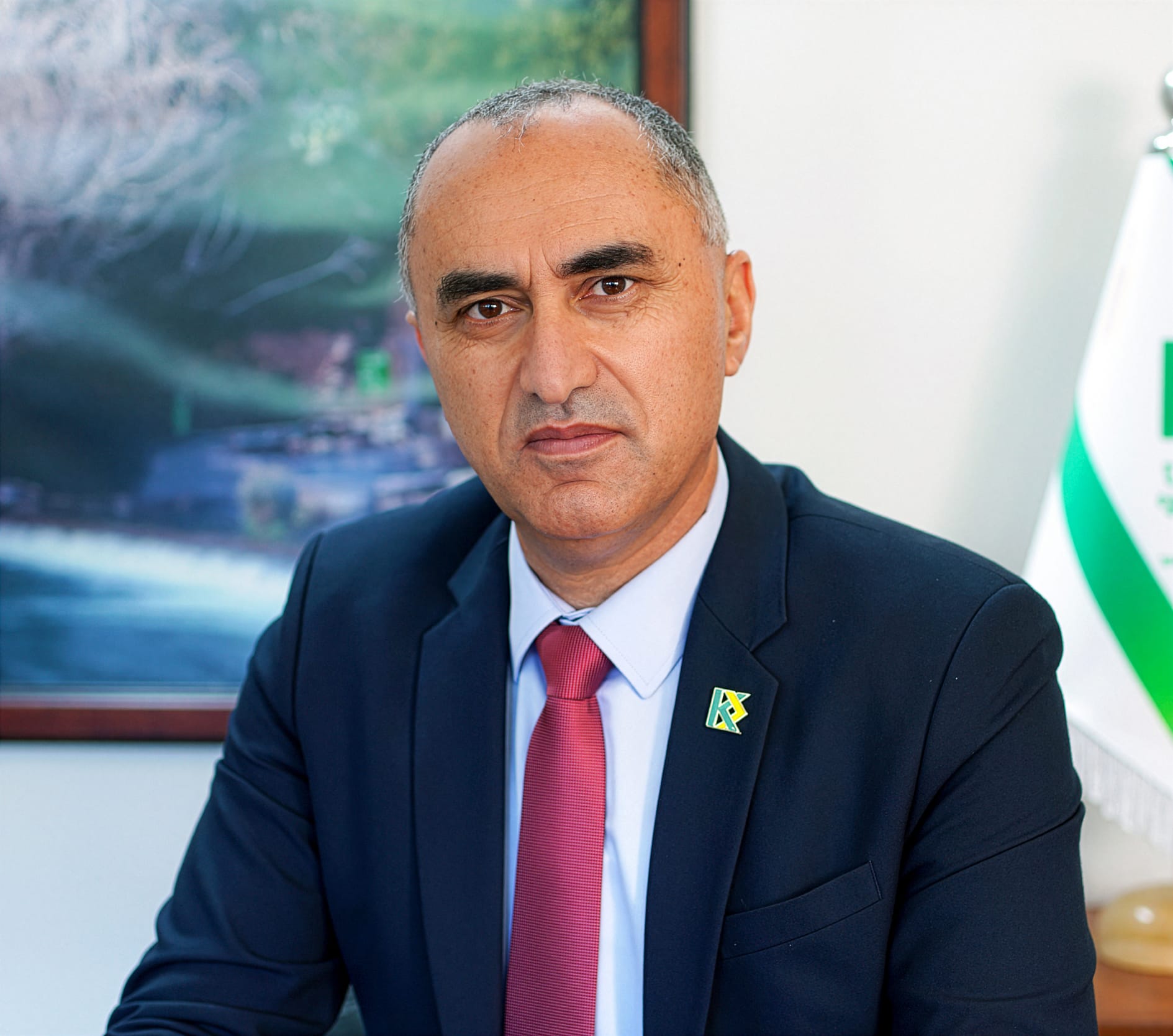
“She wasn’t afraid to be the first woman in her field,” Bader said. “She is an example of someone who sets a goal and works hard to achieve it.”
Khir said that today, when she sees Druze women learning at universities, she is “so proud of them.”
“They can study whatever they want, and nobody will excommunicate their parents,” she said.
She is also proud of her three daughters. Hend Heno, 29, is a doctor working at Rambam Health Care Campus in Haifa. Monia Heno, 23, is studying electrical engineering at Tel Aviv University, and Yasmine Heno, 22, is a software engineering student at the Technion.
Khir showed The Times of Israel photographs of her daughters, including a short video of Monia, who won a silver medal representing Israel in the World Kickboxing Championships in November 2023.

Monia narrated the film in English and told her viewers to “go after their dreams.”
Khir looked up, almost astonished.
“That’s what I always tell women,” Khir said excitedly. “Monia is sharing the same message.”









The Times of Israel Community.