

Hungarian writer whose father hid Jewish roots is awarded Nobel prize in literature
Laszlo Krasznahorkai, 71, given prestigious honor for ‘compelling and visionary oeuvre that, in the midst of apocalyptic terror, reaffirms the power of art’
 Add ToI as a Preferred Source on Google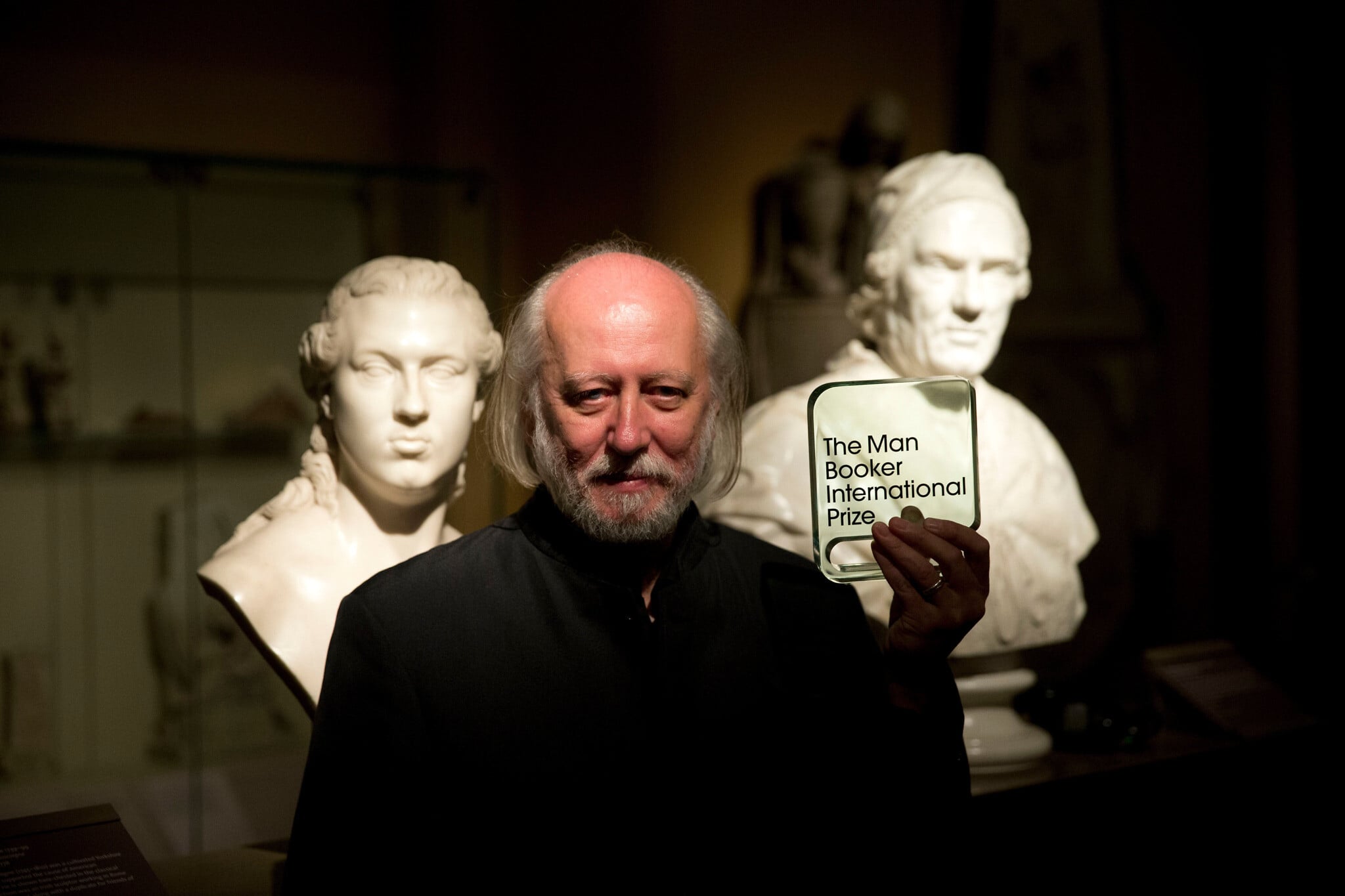
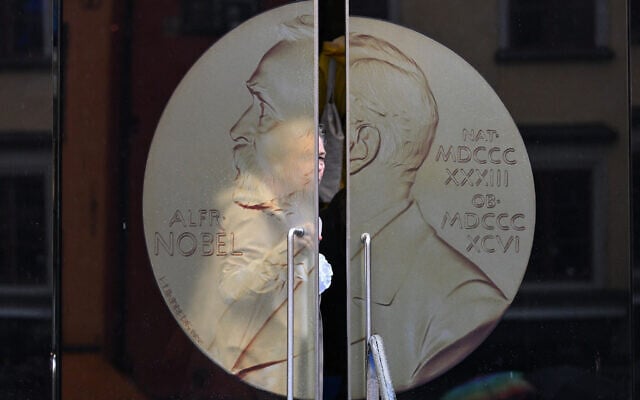
The Nobel Prize in Literature was awarded on Thursday to Laszlo Krasznahorkai, considered by many as Hungary’s most important living author, whose works explore themes of postmodern dystopia and melancholy.
The Swedish Academy honored him “for his compelling and visionary oeuvre that, in the midst of apocalyptic terror, reaffirms the power of art.”
Krasznahorkai, 71, is “a great epic writer in the Central European tradition that extends through Kafka to Thomas Bernhard, and is characterized by absurdism and grotesque excess,” the jury said in a statement. “But there are more strings to his bow, and he also looks to the East in adopting a more contemplative, finely calibrated tone.”
Krasznahorkai has spoken in interviews about learning as a child of his father’s secret Jewish past.
In 1931, he said, his grandfather changed the family name from Korin to Krasznahorkai, the name of a castle on formerly Hungarian land.
“My father had Jewish roots. But he only told us this secret when I was about 11. Before that, I had no idea,” he told a Greek publication in 2018.
“In the socialist era, it was forbidden to mention it,” he said. “Well, I am half Jewish, but if things carry on in Hungary as they seem likely to do, I’ll soon be entirely Jewish.”
Krasznahorkai’s works include bestselling novels such as Satantango (1985), The Melancholy of Resistance (1989), War & War (1999), and Baron Wenckheim’s Homecoming (2016), as well as dozens of novellas, short stories, screenplays, essays and and other works.
The award makes Krasznahorkai the 17th writer of Jewish descent to win the Nobel Prize in Literature.




The Times of Israel Community.