

In first, Saudi Arabia’s bin Salman speaks to Iran’s Raisi about Israel-Hamas war
Saudi crown prince tells Iran’s president he is communicating with ‘all international’ parties, Tehran says call focused on ‘need to end war crimes against Palestine’
 Add ToI as a Preferred Source on Google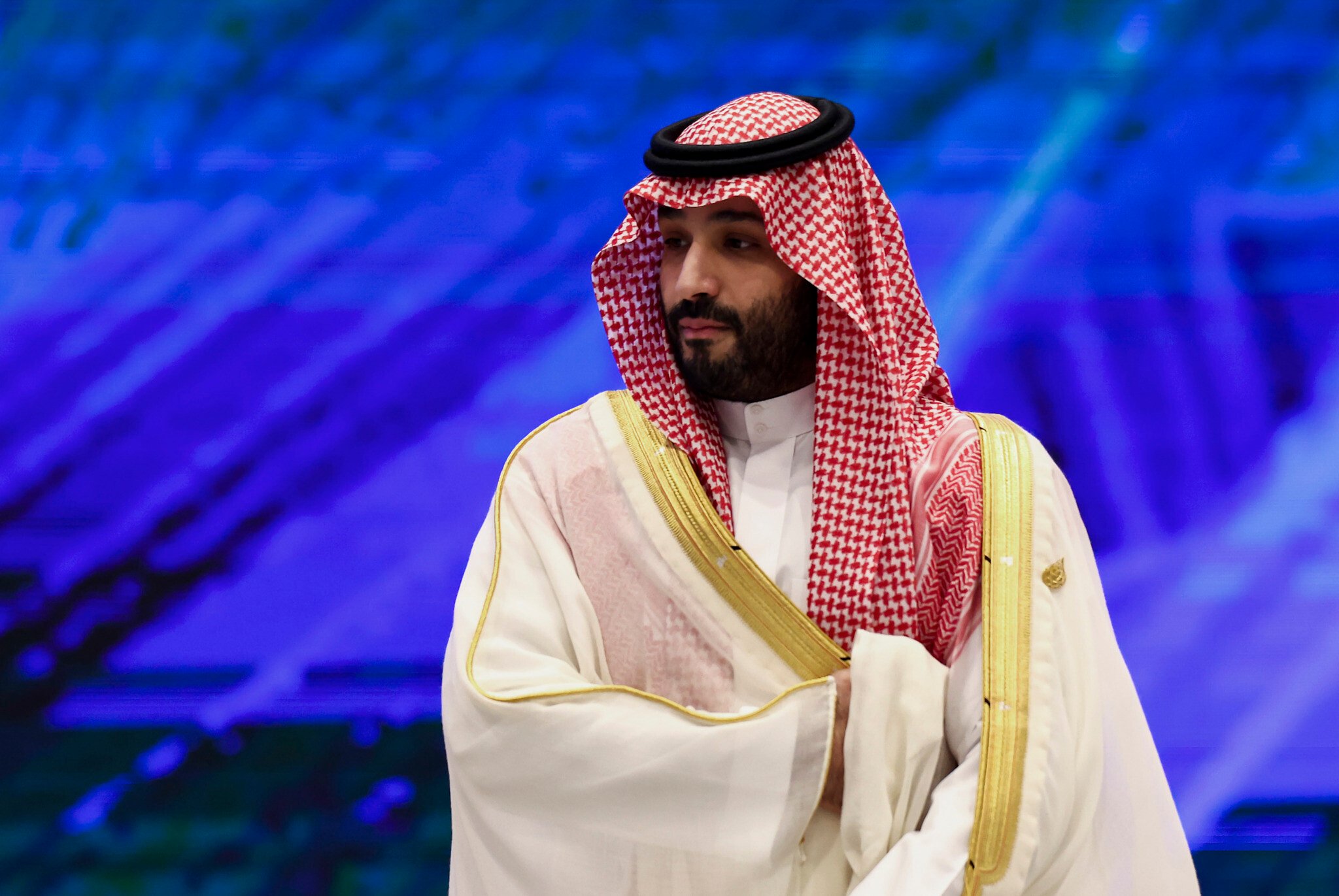
RIYADH, Saudi Arabia — Saudi Arabia’s de facto ruler and Iran’s president spoke by phone about the war between Israel and Hamas which erupted after the terror group’s massive weekend assault on the Jewish state, Saudi state media said early Thursday.
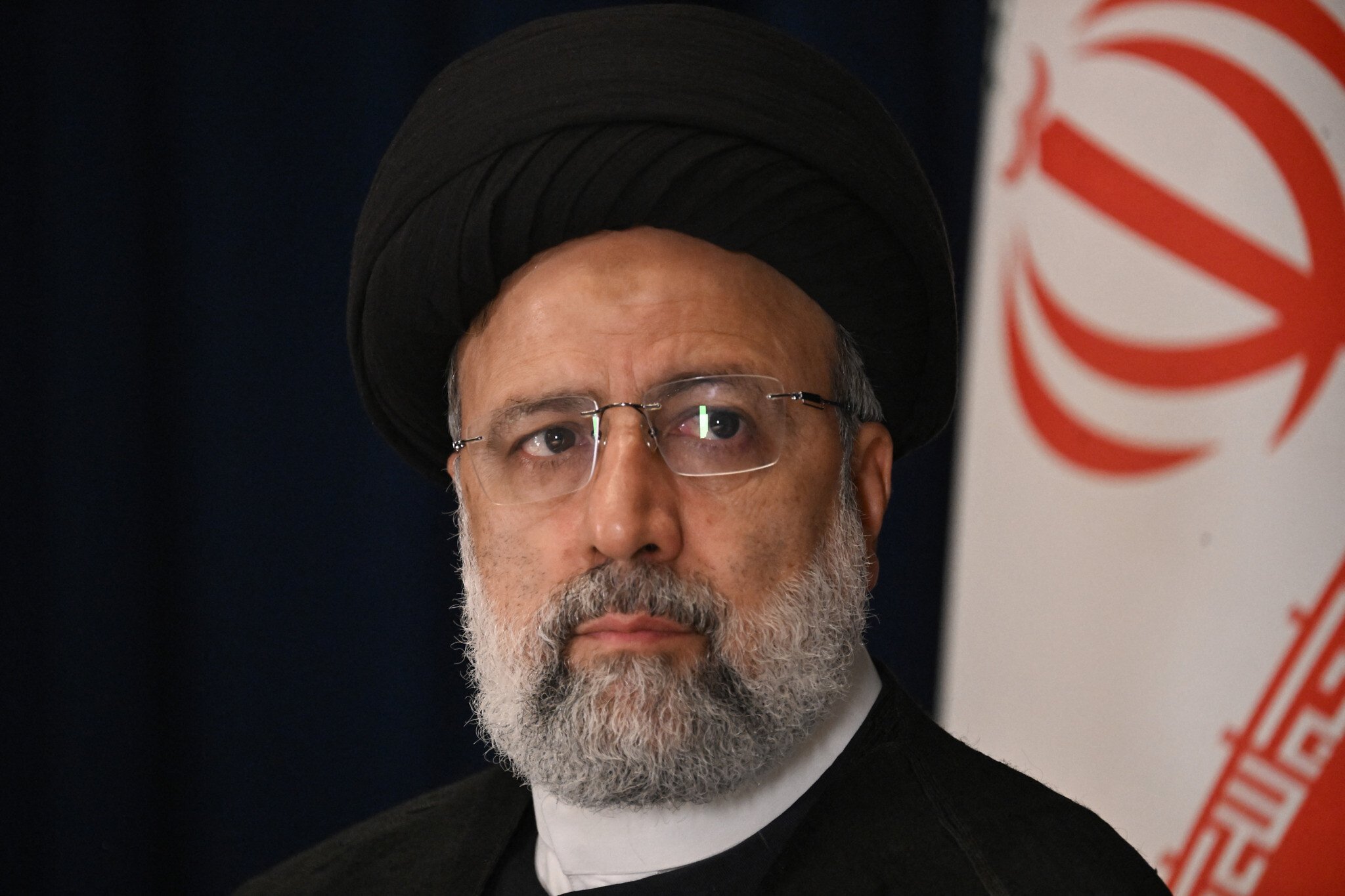
Saudi Crown Prince Mohammed bin Salman received a call on Wednesday from the Iranian leader, Ebrahim Raisi, during which they discussed “the current military situation in Gaza and its environs,” the official Saudi Press Agency (SPA) said. It was their first call since a surprise rapprochement in March.
War broke out after terror group Hamas abruptly launched a devastating multi-pronged attack on Israel Saturday, breaching the border fence. Over 1,500 gunmen poured into the country alongside a barrage of 5,000 rockets fired at towns and cities across Israel. The terrorists spent hours brutally rampaging through southern areas killing over 1,300 people, the vast majority of them civilians. In addition, the attackers abducted some 150 men, women, and children and took them captive into Gaza.
Israel has retaliated with intensive airstrikes, saying it is targeting terrorist infrastructure and all areas where Hamas operates or hides out while issuing evacuation warnings to civilians in regions it plans to attack.
Bin Salaman told Raisi that Riyadh is “communicating with all international and regional parties to stop the ongoing escalation,” SPA said.
He also stressed “the kingdom’s firm position towards supporting the Palestinian cause,” it said.
Iranian state news agency IRNA also reported on the call, saying the two men discussed the “need to end war crimes against Palestine.”
In Gaza, officials have reported more than 1,000 people killed in Israel’s retaliatory campaign of air and artillery strikes. Israel says it is targeting terrorist infrastructure and all areas where Hamas operates or hides out, while issuing evacuation warnings to civilians in regions it plans to attack.
As war rages on, fears have mounted over the fate of the hostages — mostly Israeli citizens but also including foreign and dual nationals — held in Gaza by Hamas.
Analysts say the war has dealt a heavy blow to a possible normalization deal between Saudi Arabia, home to the holiest sites in Islam, and Israel.
That process has been driven by US President Joe Biden’s administration, with Riyadh bargaining hard for benefits from Washington including security guarantees and help developing a civilian nuclear program.
Iran has long financially and militarily backed Hamas but insists it had no involvement in Saturday’s assault.
US President Joe Biden on Wednesday said he had told Iran to stay out of the conflict between Israel and the Tehran-backed Hamas.
Biden told American Jewish community leaders during a roundtable meeting at the White House “We made it clear to the Iranians: Be careful.”
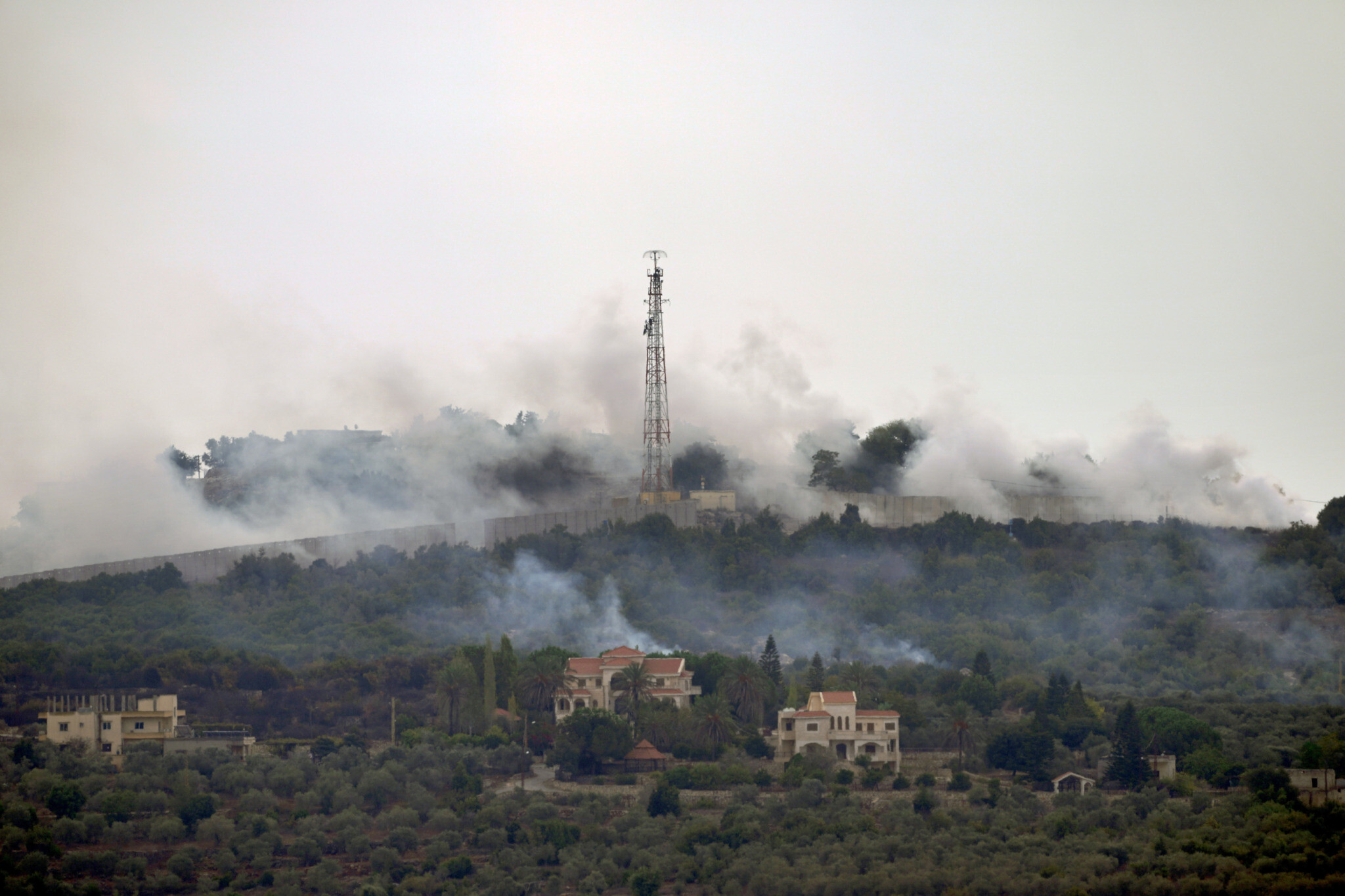
Iran’s most powerful proxy in the region is Lebanese terror group Hezbollah, which has amassed a huge arsenal of rockets and routinely threatens to destroy Israel. There have been number of deadly skirmishes on the northern border since the war in the south began, with missiles fired from Lebanon at Israel, and a terrorist border attack claimed by the Palestinian Islamic Jihad terror group that killed three Israeli soldiers. Israel has responded with artillery strikes.
Saudi Arabia and Iran announced in March they had agreed to restore ties, ending a seven-year rupture, in a deal brokered by China.
Bin Salman also spoke by phone on Wednesday with Turkish President Recep Tayyip Erdogan, during which the 38-year-old Saudi leader said he was “exerting unremitting efforts through regional and international communication to achieve coordination that pushes for a halt of the current escalation.”
On Wednesday, Turkish media reported that Erdogan was negotiating with Hamas for the release of kidnapped hostages.
The Turkish news site Haberturk reported that Erdogan ordered that talks be held. It also said he has been intensively involved in efforts to keep the conflict from snowballing.
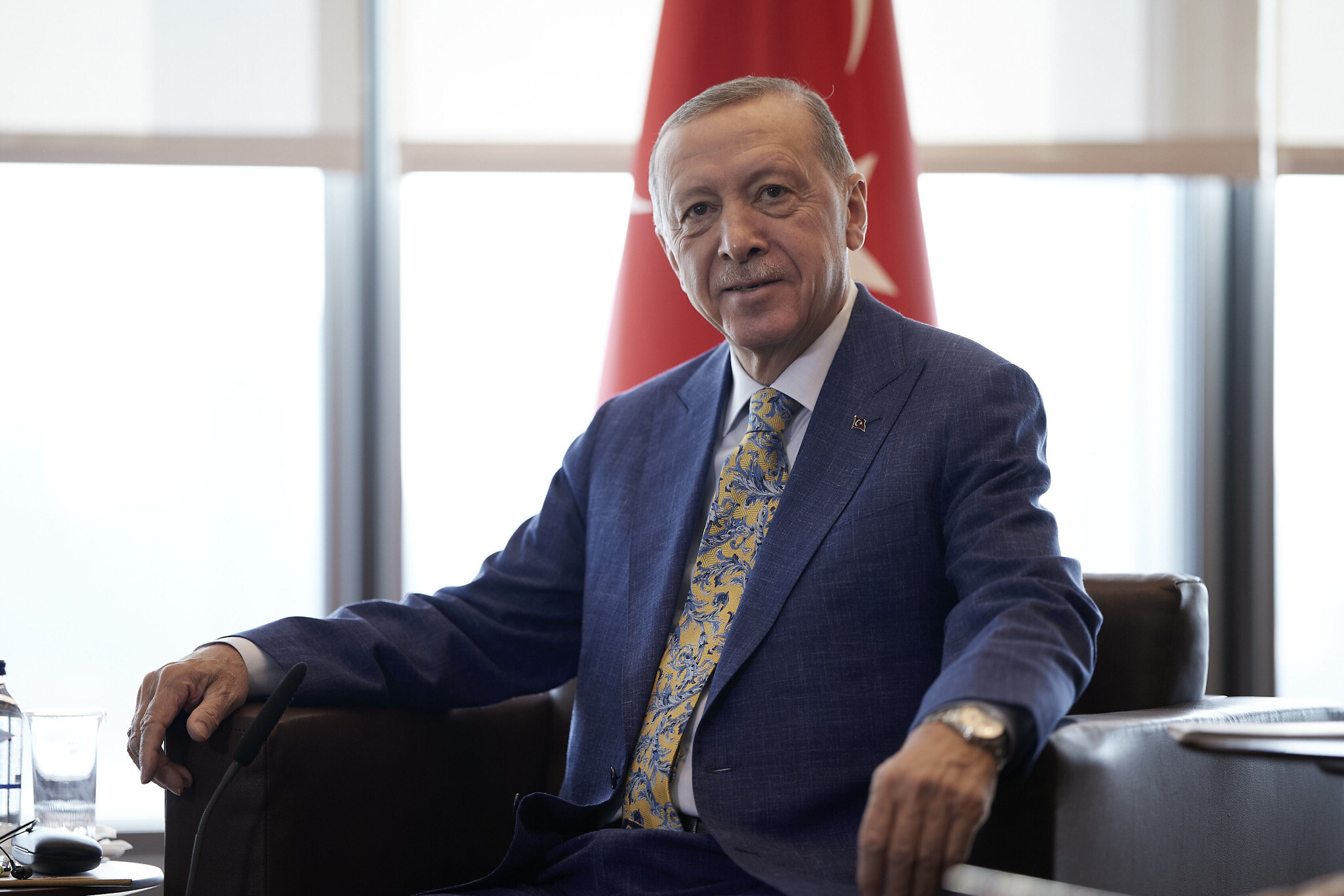
Despite a recent rapprochement with Israel, Erdogan remains broadly supportive of Hamas and has avoided criticizing the terror group over its massacre of Israelis.
Earlier in the day, he lashed out at the West for “blindly” taking Israel’s side and called for restraint from both sides.
“A conflict carried out with all kinds of shameful methods is not a war but a massacre,” he said, referring to Israel’s bombing of Gaza.






The Times of Israel Community.