

Israel, not Iran, is boxed in as Trump keeps chasing flimsy agreements
Tehran isn’t scared of endless US threats, and won’t make concessions. Gaza and Lebanon deals are somewhat more promising, but leave plenty of room for terror groups to survive

 Add ToI as a Preferred Source on Google
With Iran openly targeting US soldiers and asserting its right to control the Strait of Hormuz, many believed over the weekend that US President Donald Trump had — at long last — reached the end of his rope.
“US, Israel preparing to bombard energy-related targets in Iran,” CBS News declared on Saturday.
Israeli outlets reported that Jerusalem was on its “highest alert,” expecting Iran to respond to the looming massive strike by hitting the Jewish state for the first time in months.
But then Trump backed down once again, claiming that Iran had suddenly agreed to make far-reaching concessions its leaders have said consistently that they would never so much as consider. Tehran quickly denied this.
On Gaza, too, the White House and its Board of Peace are placing all their hopes on an agreement — this one to disarm Hamas.
And in Lebanon, a US-backed plan to assert control by Beirut crawls forward, but it is entirely unclear how the agreement will actually lead to Hezbollah giving up its weapons.

And so the Middle East, and particularly Israel, is trapped in inconclusive conflicts that are suspended by Trump’s apparent belief, or hope, that a signature on a two-page agreement means a terrorist group will abandon decades-long religious commitments to violence against the US and Israel, or that Iran will budge on what it sees as its core interests.
Yet another Trump reversal
Back on Friday, Trump had said that he was “losing faith” in Iran after the Islamic Republic fired missiles at US troops in Jordan while — at least according to the president — the sides were in the middle of negotiations.
The Wall Street Journal reported early Saturday that Trump had ordered several days of strikes against Iran with the aim of forcing the Islamic Republic’s surrender. Other reports indicated that Israel could join the attacks, which were expected to target Iran’s energy infrastructure.
“We’ll be hitting them very hard,” Trump said.
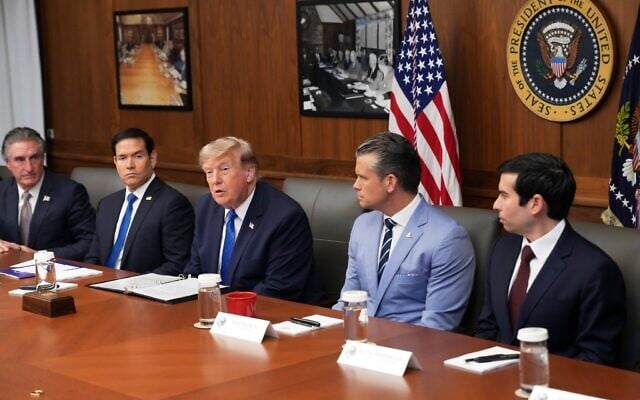
There were some indications that this wasn’t just another bout of empty Trump threats. US embassies in the Middle East urged American citizens to avoid traveling to the region, and advised those already there to consider leaving due to the “potential for unforeseen escalation.”
Game-changing strikes by the US, possibly with Israel’s help, also seemed to make sense in the wake of Prime Minister Benjamin Netanyahu’s visit to see Trump in Washington last week. The previous meeting between the two in February, we later learned, had seen them putting the final touches on the joint US-Israeli bombing campaign launched at the end of that month.
Moreover, Netanyahu and his team seemed pleased with this latest Trump meeting, with the prime minister calling it “one of the best we’ve ever had.”
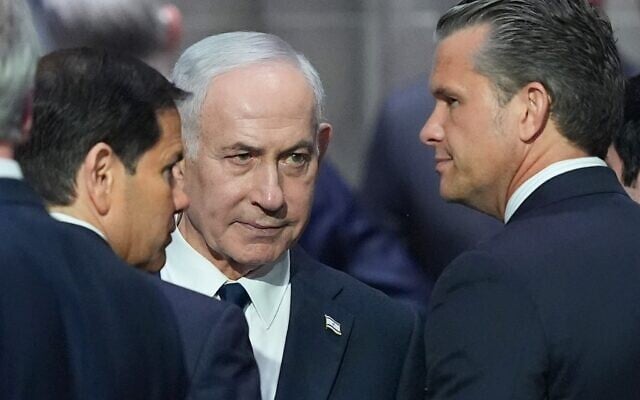
But late on Saturday, it became clear that Trump had either been bluffing or had changed his mind again.
“We have just been asked by Iran, and other Middle Eastern countries to hold off any attack in that the perimeters of a deal has been agreed to,” he wrote on Truth Social. “This would include the Immediate, complete, and total OPENING OF THE HORMUZ STRAIT and an end to Iran’s nuclear threat.
“Based on this request, I have agreed, for the future benefit of the WORLD and, likewise, the survival of a successful and prosperous Iran, to cancel the attack, subject to being able to rapidly make a DEAL,” he added. “The country of Israel joins me in this commitment.”

In fact, Israel’s leaders, it appears, only discovered that they had made this commitment when they read Trump’s post.
Not surprisingly, Iran has a very different version of how matters played out over the weekend. Iranian officials issued a series of new threats on Saturday, and its foreign minister denied that Iran had agreed to any talks with the US.
Ever since his April proclamation that “a whole civilization will die tonight” if Iran didn’t reopen the Strait of Hormuz, Trump has humiliated himself and destroyed much of his leverage by issuing countless threats online, only to repeatedly reverse himself with claims that Iran was begging for a deal.
Even now, as Iran denies that there are talks, Trump said helplessly on Monday, “For some reason, when they’re talking, they don’t like saying that they’re talking.”
He added, once again: “This is the last chance.”
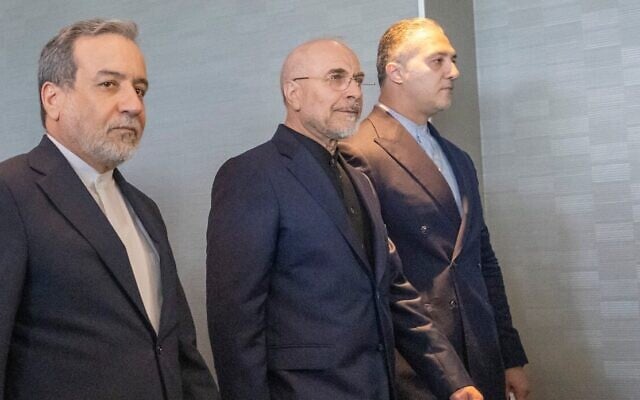
It should be apparent to everyone by now: Iran is not afraid of Trump’s threats. It knows it can strike US allies, kill American soldiers, even threaten Trump’s own family, and he will fold before following through.
This only reinforces Iran’s determination to cement its control over the Strait of Hormuz, recognizing that it is the best shield it could dream of. As long as Tehran has the ability to drive up energy prices in the US by closing the strait, it believes that Trump will ultimately call off any major strikes.
Even if the two sides do agree on some interim agreement, it won’t be the permanent opening of Hormuz that Trump is touting, and it certainly won’t end Iran’s nuclear program.
The deal currently on the table will reportedly merely extend the existing memorandum of understanding between the sides by another 60 days, renewing the ceasefire and opening the strait temporarily.
A new path for Gaza and Lebanon?
In Gaza, where the three-year war engulfing the region began, Trump is also placing all his hopes on a negotiated agreement.
That effort appears far more promising. Unlike Iran, Hamas is in no position to claim victory, nor to try to force Israel or the US to accept its demands through military action.
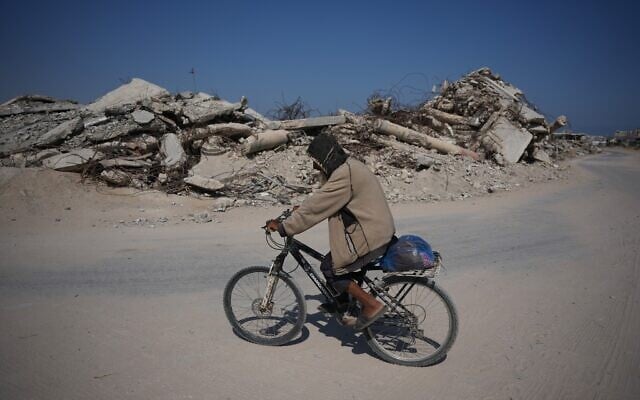
At the same time, it has not been decisively defeated, and still holds sway over almost every Gazan.
Trump, and the Board of Peace he formed, believe they’ve achieved a “historic breakthrough” on Hamas disarmament, in which the terror group will give up its weapons in less than a year.
“The threat that emerged from Gaza on October 7 will NOT be allowed to rebuild!” Trump wrote. “Under this agreement, Gaza will finally be in the hands of a new Palestinian government that serves its people.”
Israel is skeptical, and for good reason.
Hamas has said repeatedly in recent months that it won’t disarm, even as Trump was claiming it had promised to.
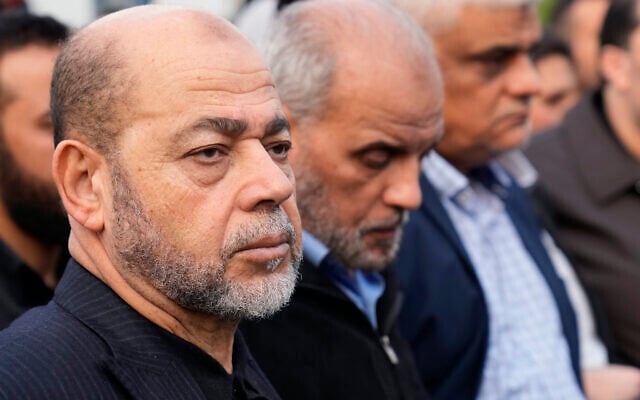
A Hamas agreement to hand over its weapons “never happened, not for a single moment did we talk about the surrender of weapons, or any formula about destroying, surrendering, or disarmament,” senior Hamas official Moussa Abu Marzouk boasted in January.
So what changed? Why did Hamas suddenly agree to a deal it appeared vehemently opposed to a short time ago?
The White House theory is that a combination of Israeli military pressure and Arab diplomatic pressure has convinced Hamas to abandon its foundational belief in divinely sanctioned armed struggle to destroy Israel.
As evidence, US officials point at Hamas agreeing to the Board of Peace’s disarmament roadmap, and stress that even if the terror group is insincere, “this entire process is built on reciprocity, not trust.” Israel doesn’t have to move forward if Hamas is stalling, they say.

Still, the deal leaves Hamas room to maneuver. It only explicitly mandates that “heavy weapons, military production sites, depots of weapons, and tunnels” be handed over and destroyed.
What happens to Hamas’s rifles is less clear. The Board of Peace said Monday that decommissioning “applies to light weapons, heavy weapons and the tunnels alike.”
The roadmap that Hamas agreed to says that only the new technocratic Palestinian body overseeing Gaza “shall hold, store or control weapons in Gaza.”
At the same time, it says that “personal weapons in Gaza shall be subject to the regulations of relevant Palestinian laws. As the transitional authority in the Strip, NCAG shall be the sole authority to register weapons, issue and revoke licenses and enforce the law.”
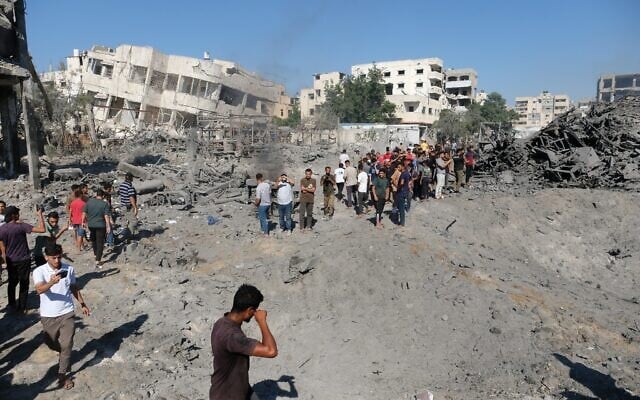
That at least leaves some opening for Hamas to pressure — or threaten — the new government to recognize its rifles as personal weapons.
Hamas can also do what it did with Trump’s initial 20-point plan, when it freed all the hostages but refused to give up its weapons: It can do just enough to ensure that the military threat from Israel is drastically reduced, while playing for time. Eventually, the leadership in Israel and the US will change, and new opportunities will open for Hamas.
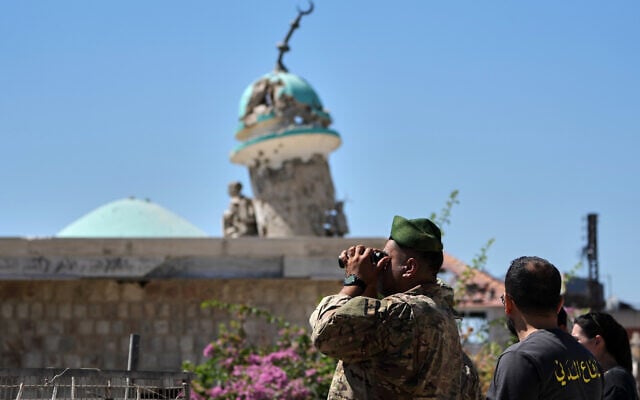
The most promising of the Trump-backed agreements is the deal signed between Lebanon and Israel. In Lebanon, there is a central government that shares Israel’s desire to dismantle Hezbollah, has publicly agreed to a plan to disarm Hezbollah and has taken tentative first steps in that direction.
The problem is that it doesn’t have the capability, or likely the will, to force Hezbollah to disarm. And Hezbollah itself isn’t about to betray its Iranian patrons or its sacred calling by agreeing to give up its weapons just because some foreign governments want it to.
Israel constrained
The current reality is a mixed bag for Jerusalem.
As long as Iran understands that it faces no existential threat from Trump, it will continue to make maximalist demands and make it painfully clear why a comprehensive deal with the Islamic Republic is impossible.
On the one hand, it will get no sanctions relief and could face a persistent US blockade. But it will also mean that the Iranian threat to Israel will remain, and that the regime will have time to search for ways to rebuild its military capabilities and secure its hold on power.
The current state of affairs shows once again which countries are actually driving Trump’s Middle East policies, and it’s not Israel, despite the feverish claims of some podcasters about the president’s supposed “Israel-first” policy.
If anything, it’s Saudi Arabia, Turkey, and Qatar-first. The leaders of those countries have consistently been able to convince Trump to prioritize their interests, even at the expense of his own policies.
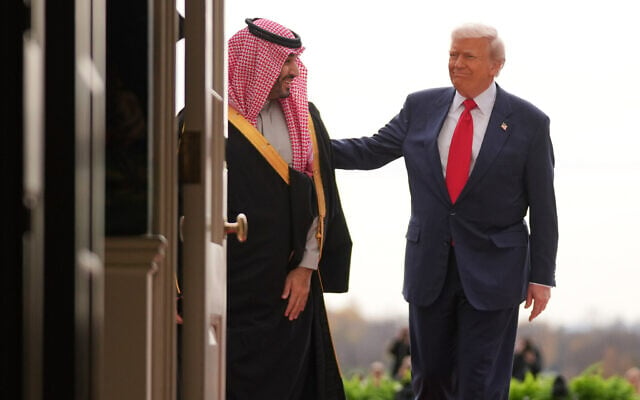
Last week, with Trump eager to get beyond the Iran fight and focus on economic issues before the November midterms, Saudi Crown Prince Mohammed bin Salman went a long way in convincing Trump to suspend another attack and further draw out dead-end talks with Iran.
It’s Saudi Arabia, Turkey, and Qatar-first. The leaders of those countries have consistently been able to convince Trump to prioritize their interests, even at the expense of his own policies.
Netanyahu is being constrained by Trump’s belief in negotiated solutions to the fight against Iran and its allies. He can’t defy Trump openly, but he has some wiggle room.
Since Iran directly affects Trump’s political chances and the US economy, Netanyahu has good reason to operate with exceeding caution in that theater — though it represents the greatest threat to Israel.
Israel also has to tread somewhat carefully in Lebanon. Trump allowed the Lebanon theater to be tied to Iran, and the country has a significant number of backers in the US. Israel is currently going along with Trump’s plan, but has succeeded in imposing conditions on its progress.
In Gaza, Israel is digging in for now and refusing to move ahead with the Board of Peace roadmap. While the White House has invested significant diplomatic capital in its Gaza plan, and the broader war is resonant among the left in the US, the pace of Trump’s 20-point plan won’t affect gas prices or Republicans’ chance in the midterms.
Netanyahu’s choices are further constrained by his sobering election prospects. Any meaningful progress in any arena will take months, if not years, but he doesn’t have the luxury of time. With elections in October, Netanyahu has to show that he is pushing back on the Trump plans, but not so hard as to antagonize the president.










The Times of Israel Community.