

Judges say Netanyahu will no longer have to face the press at court hearings
PM tells court he’s ‘in the most difficult position in the world,’ cannot attend 3 hearings a week; his lawyers say they will be unable to adequately represent their client
 Add ToI as a Preferred Source on Google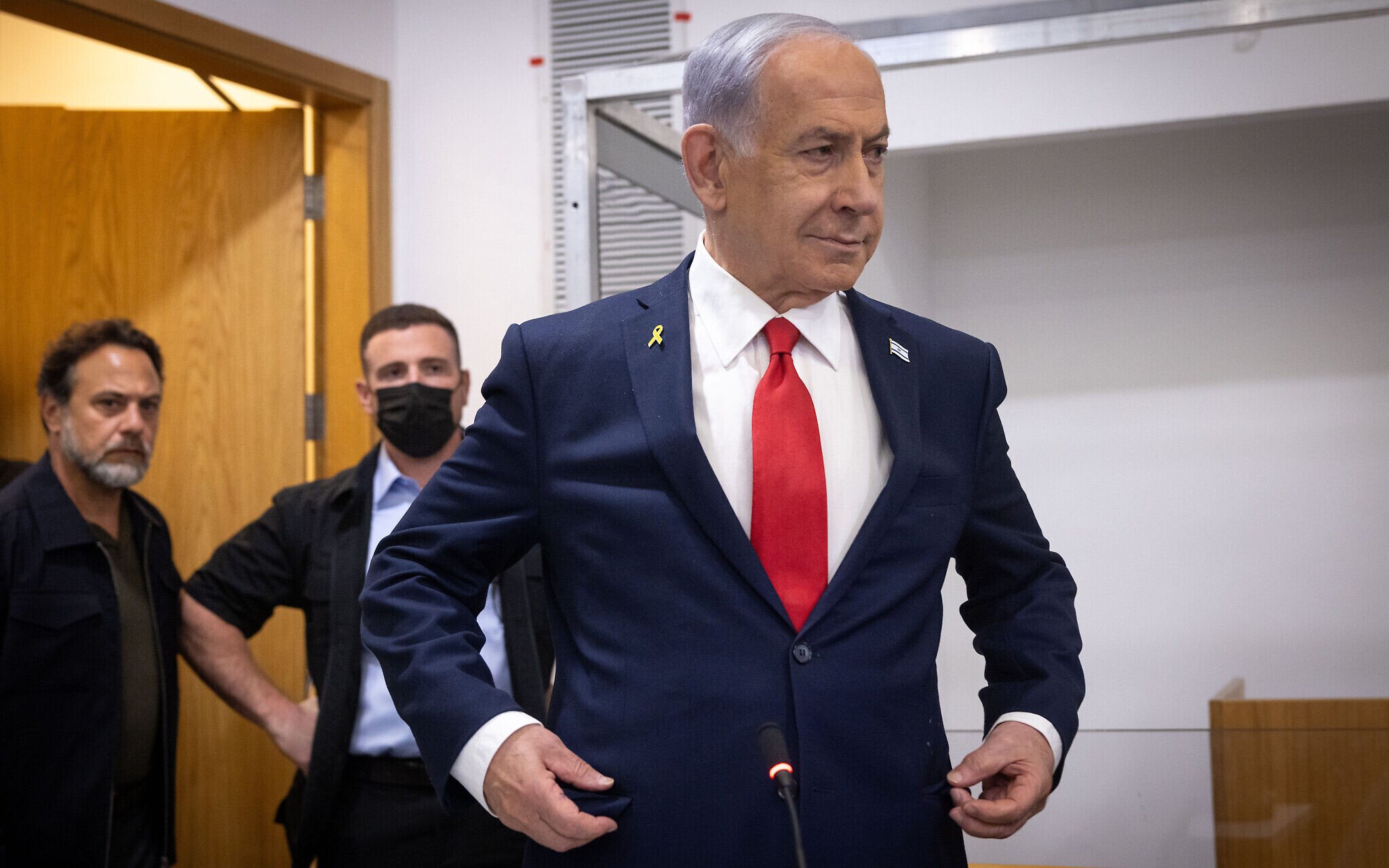
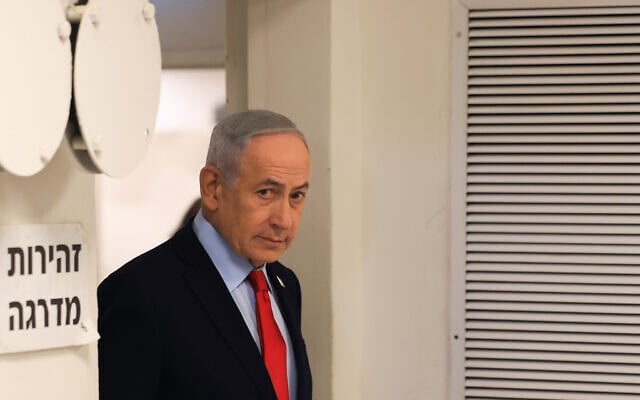
Judges in Prime Minister Benjamin Netanyahu’s criminal trial ruled on Wednesday that the premier no longer needs to enter the courtroom before them — meaning that he will not face questions from reporters, or be photographed — after the security department said it was “difficult to maintain order.”
In Israel, it is generally permitted to photograph defendants in the courtroom ahead of a hearing.
The Haaretz news outlet noted that a number of journalists tried to ask Netanyahu questions in the short time before the judges entered the Tel Aviv District Court on Tuesday, even though judges had said it was not allowed.
Netanyahu reportedly left the courtroom and then reentered with the judges, thereby preventing further questioning. The premier described the situation as “absurd.”
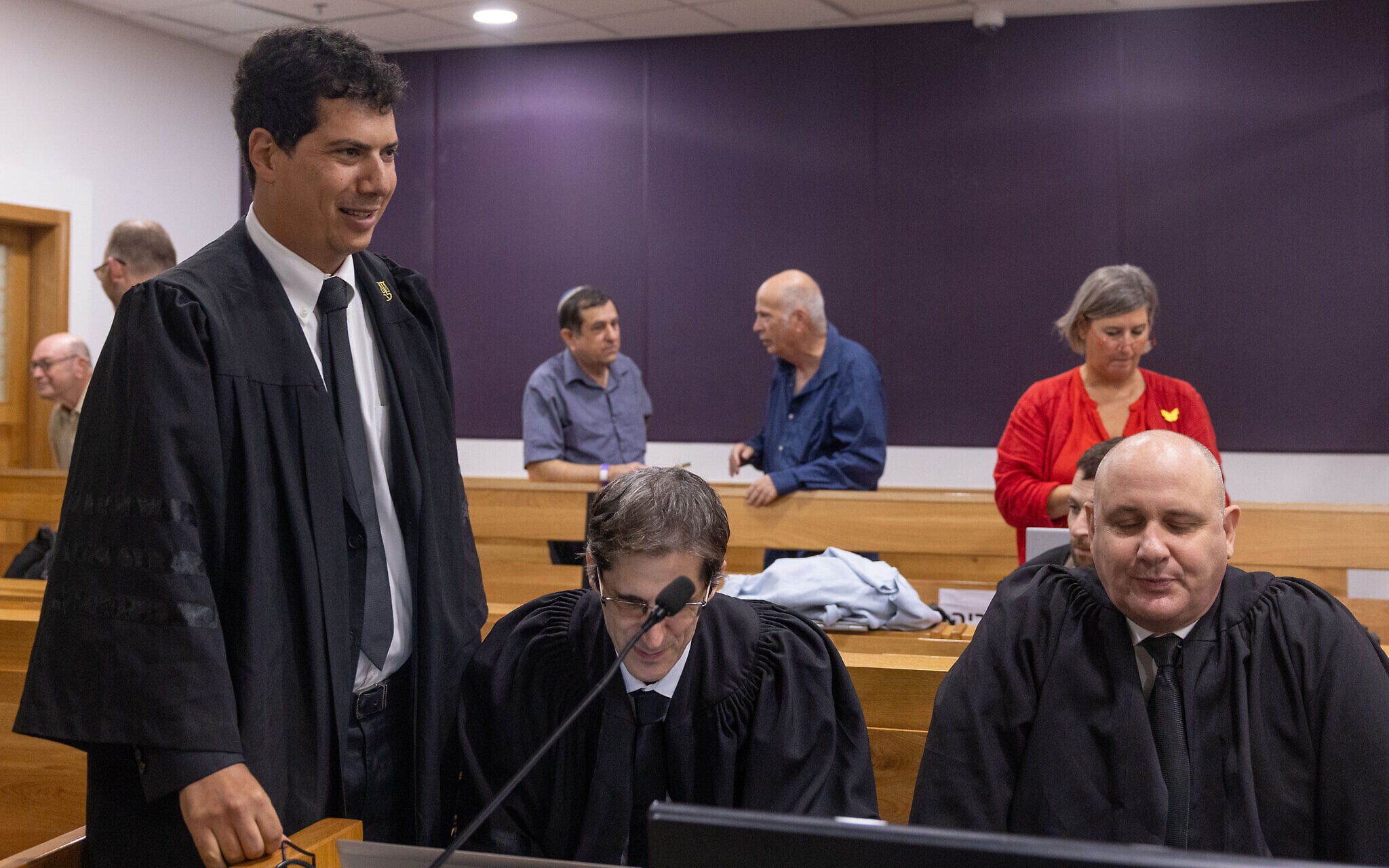
Wednesday’s hearing began with Netanyahu’s lead defense attorney Amit Hadad arguing that the number of weekly hearings in the trial needed to be reduced, after the premier’s legal team said earlier this week that they would need to step down from representing him if they were required to be in court four days a week.
“We will not be able to provide Netanyahu the legal service that we think he deserves. I don’t want to resign, I really like the prime minister on a personal level; he is family to me. But I will not fail in my duty and arrive halfheartedly and unprepared,” Hadad told the court.
The premier told the court that “with all due respect, you cannot have any idea of the extent of the workload.” He described in detail his day on Tuesday as an example.
“I am in the most difficult position in the world,” he said.
“If we say equality before the law, then no one receives preferential treatment,” Netanyahu said. “And there are no cases where there are three hearings a week.”
On Sunday, the court said there will be four hearings held per week, with Netanyahu testifying in three of them, while rejecting requests from Netanyahu’s defense team to reduce the number of hearings after Hadad said he could not attend hearings on Sundays due to his court schedule for other clients.
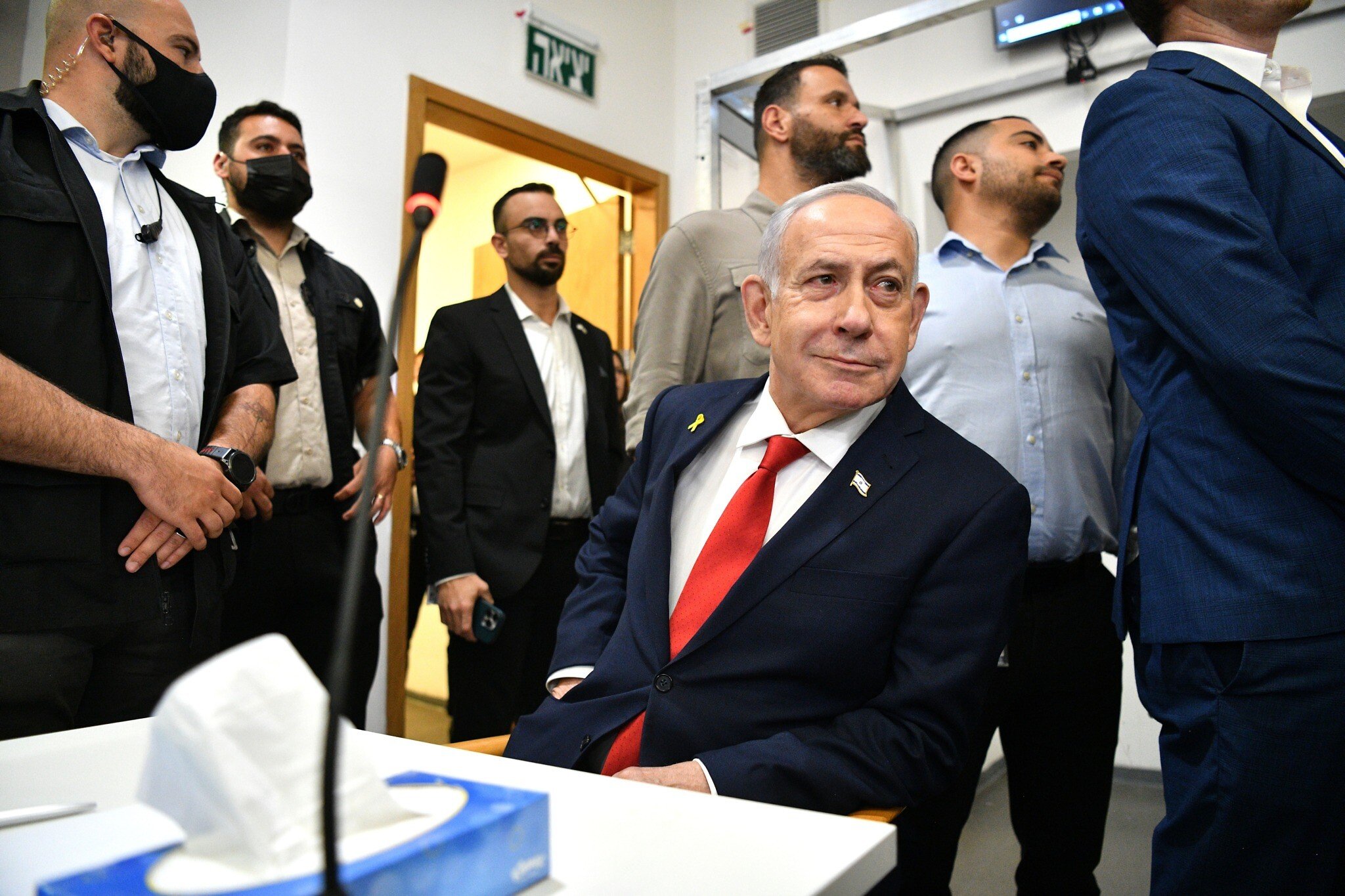
Netanyahu’s attorneys told the court Monday that they would not be able to handle the pace and would ask that the court allow them to stop representing the prime minister if their request for a reduction in the number of hearings is refused.
The prime minister’s lawyers also said that Netanyahu is not able to attend three hearings a week as per the court’s demands, due to the current circumstances of the country.
Netanyahu has repeatedly sought to reduce the number of hearings per week, and the court has canceled numerous hearings due to requests from the prime minister over his duties and health problems.
The court recently decided to increase the number of hearings per week because of the repeated delays and the amount of time that the trial has already taken — having started in 2020 — and due to the possibility that Netanyahu’s testimony alone could last until April 2026 and that the trial itself will drag on into 2027.
Netanyahu is on trial in three corruption cases. He faces charges of fraud and breach of trust in Case 1000 and Case 2000, and charges of bribery, as well as fraud and breach of trust, in Case 4000.
The premier denies any wrongdoing and says all the charges were fabricated in a political coup led by the police and state prosecution.







The Times of Israel Community.