

Katz locks horns with IDF chief, again, in apparent bid to reshape military’s top brass
Defense minister has been accused of ‘politicizing’ army by taking control of appointments; Zamir concedes some nominations, is now waiting for approval of next Navy and IAF chiefs

 Add ToI as a Preferred Source on Google
Emanuel (Mannie) Fabian is The Times of Israel's military correspondent
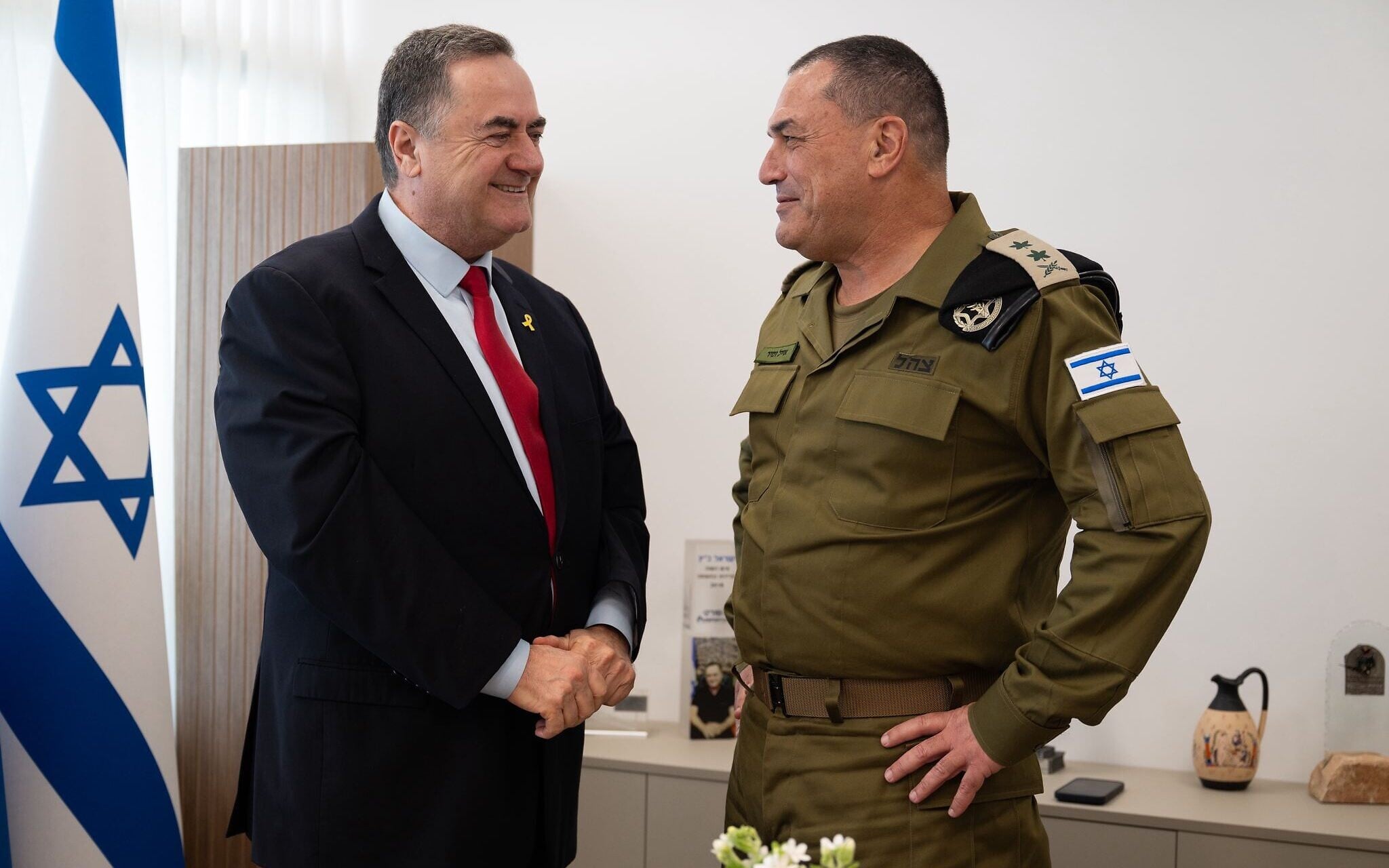
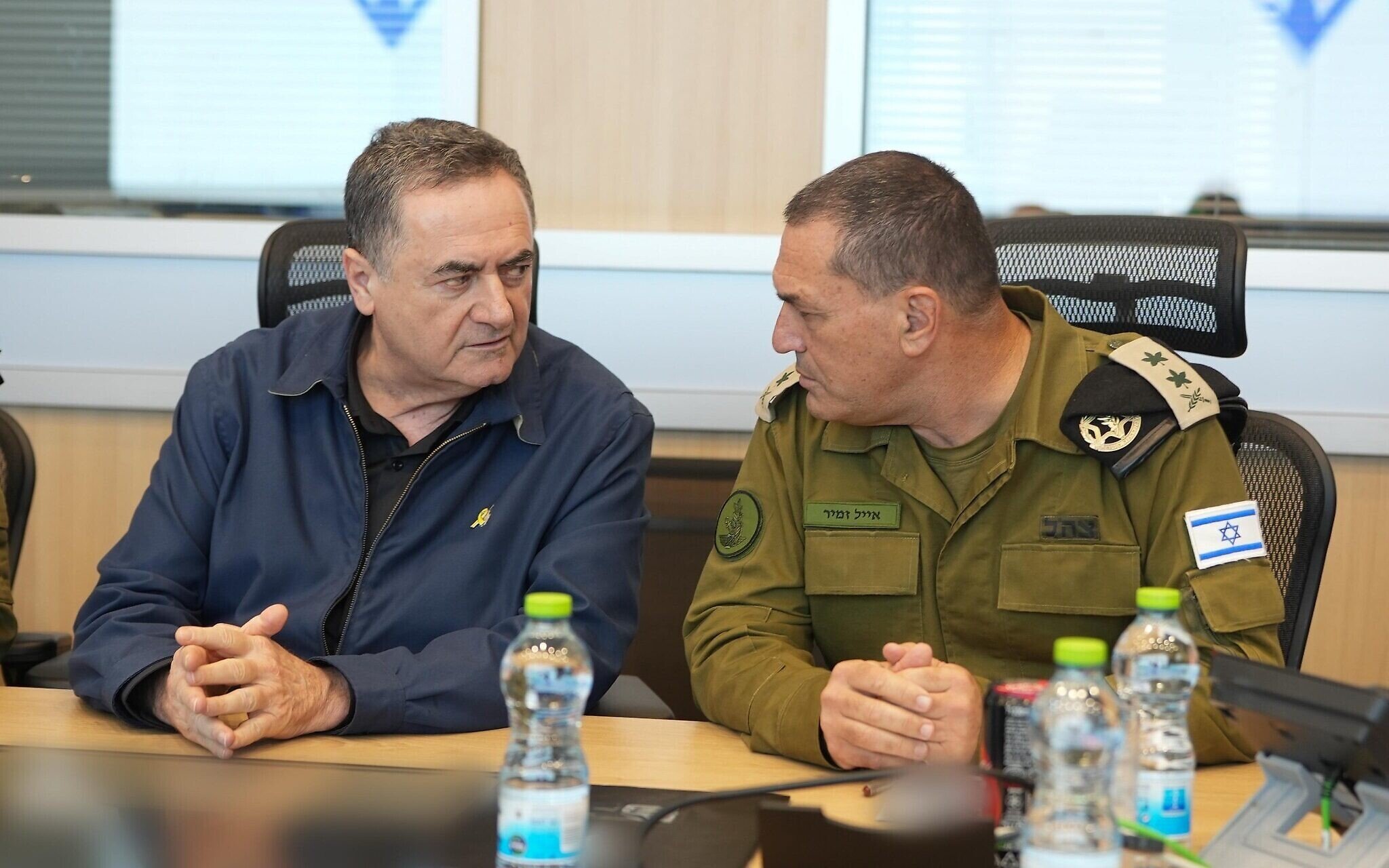
Defense Minister Israel Katz in recent months has been fighting an escalating campaign against the chief of the Israel Defense Forces by selectively promoting officers and denying the appointments of others with whom he apparently does not see eye to eye.
Some military officials have warned that Katz is attempting to “politicize the army” by taking control of senior appointments.
Since entering the role of defense minister in late 2024, Katz has canceled the appointments of several senior officers who had been chosen by IDF Chief of Staff Lt. Gen. Eyal Zamir and his predecessor, Herzi Halevi.
Some of the promotion hold-ups appear to have a rational justification, while others are puzzling.
Katz also delayed the promotion of dozens of colonels and brigadier generals for weeks, claiming that they had been made by Zamir without consultation. And he has yet to rule on the appointment of three major general roles, with the officers currently staffing them nearing the end of their tenures.
Normally, senior appointments, aside from those of top generals, are brought to the defense minister for approval following internal IDF meetings on the matter. Katz has falsely claimed that, according to the law, he is in charge of the senior promotions in the military.
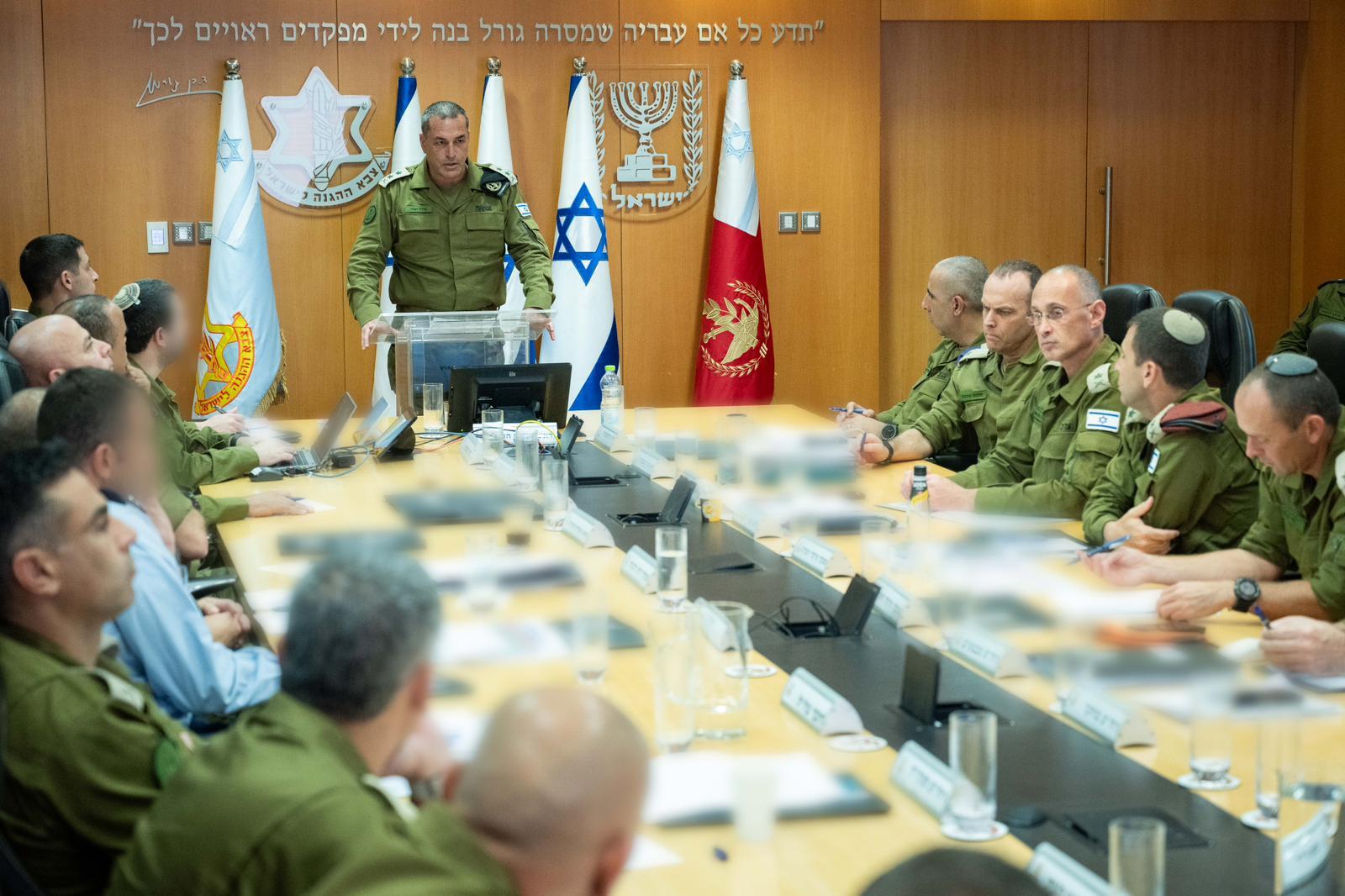
There is no such law, but there is a “General Staff order” — a top-tier military protocol — from 1992, updated in 2020, stating that for promotions of colonels and above, the IDF chief of staff is the “appointing authority” and the defense minister is the “approving authority.”
The approving authority is defined in the military protocol as the official authorized to approve the promotion of an officer after it has been agreed upon in a staffing discussion.
The order also states that “the appointment of officers in the IDF will take place after holding an appointments discussion. The decision in the appointments discussion will be made by the chairperson of the discussion and will be passed on for approval by the approving authority.”
Katz, in August, publicly slammed the military chief for announcing a list of senior appointments, claiming Zamir had done so without consulting him. At the end of the month, the two announced that they had reached an understanding on the army’s appointment process.
The defense minister has said on multiple occasions that he would not approve the appointments of officers potentially involved in the failures surrounding Hamas’s October 7, 2023, onslaught until the IDF completes its internal investigations.
While this standard has been applied to some officers with ostensible ties to the October 7 failures, Katz has had no issue promoting other officers who are equally, if not more, responsible for the failures.
For example, in September Katz approved a list of senior appointments made by Zamir — after a delay of four weeks — except for two names: Brig. Gen. Eliad Moati, who was set to command the 210th Division, and Brig. Gen. Manor Yanai, who was to become chief of staff of the Ground Forces.
Moati is a former commander of the Border Defense Corps, a unit responsible for the IDF’s surveillance soldiers, many of whom were killed and abducted during the Hamas-led October 7, 2023, onslaught that began the war in Gaza.
Seemingly, he has ties to the failures on October 7.

Yet Moati only entered the Border Defense Corps chief role a week before the massacre. And since then, during the war, he was appointed to head the Tzeelim training base, a decision that Katz approved.
Similarly, Yanai is chief of staff at the Southern Command, serving in the role since before the October 7, 2023, attack. But his role is largely administrative and focuses on building up forces, not deploying them.
Meanwhile, Katz has approved the promotion of other officers who served in roles that could be considered more closely linked to the failures of October 7. For example, former Israeli Air Force operations chief Brig. Gen. Gilad Keinan was appointed as the next chief of staff at the IAF, a move approved by Katz.
Katz also reportedly intervened on behalf of Col. Haim Cohen, the former commander of the Gaza Division’s Northern Brigade, who was slated for termination over failures surrounding the Hamas onslaught, after the officer appealed to a Likud-affiliated crime family to prevent his ouster.
Katz has not approved the promotions of other officers with apparent ties to the October 7 failures, including Col. Ephraim Avni, the operations chief at the IDF Southern Command, who was appointed by former IDF chief Halevi to head the Paratroopers Brigade; and Col. Almog Dadon, the head of combat engineering at the Southern Command, who was appointed to head the elite Yahalom combat engineering unit.
In recent weeks, the clash between Katz and Zamir has surrounded the defense minister’s attempt to promote his military secretary — a move that the IDF chief of staff is against.
Zamir, several weeks ago, selected the next chiefs of the Israeli Navy and IAF, according to military sources.
Vice Adm. Eyal Harel, the current head of the Planning Directorate, is set to replace Vice Adm. David Saar Salama, who has been Navy chief for over four years; and Brig. Gen. Omer Tischler, the IAF’s chief of staff, is set to replace Maj. Gen. Tomer Bar as IAF chief after nearly four years in the role.
But Katz has refused to approve the nominations until his own military secretary, Brig. Gen. Guy Markizeno, is promoted to major general.

Katz initially sought to nominate Markizeno as the next head of the Coordinator of Government Activities in the Territories (COGAT) — a Defense Ministry body that is headed by a general and is part of the IDF’s General Staff Forum.
Zamir, however, wanted Brig. Gen. Hisham Ibrahim — the current head of COGAT’s Civil Administration unit — to be promoted to major general and head COGAT.
Ultimately, in an unusual and unprecedented move, Katz announced that retired senior police officer Yoram Halevi would head COGAT. Zamir conceded, as Katz had conditioned the approval of the delayed list of appointments on nominating Halevi.
Now, Katz is seeking to nominate Markizeno as the next defense attaché to the United States — a major general role but not part of the IDF General Staff. (The current defense attaché to the US, Maj. Gen. Hidai Zilberman, who has served in the role since 2021, has been appointed as the next Planning Directorate chief, replacing Harel.)
Zamir, however, does not believe Markizeno to be a good fit for the role and is considering naming other candidates, though the IDF chief may again concede to Katz to get his Navy and IAF nominations through.
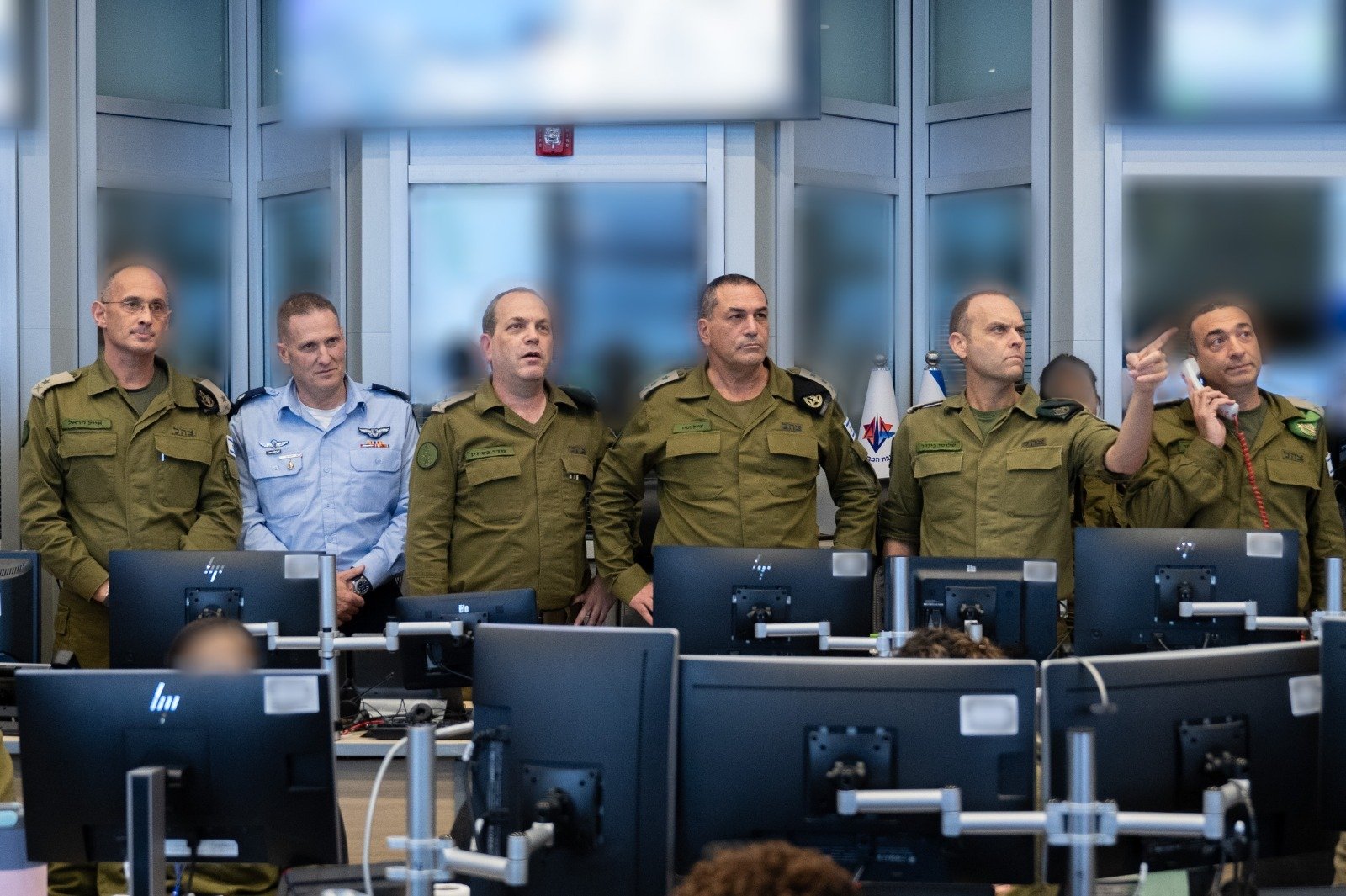
The efforts by Katz to promote officers considered close to him, or the unprecedented move of giving a retired police officer the rank of major general — despite the objections of the IDF chief — appear to some military officials as reminiscent of National Security Minister Itamar Ben Gvir’s politicization of the police by selectively promoting officers who push his far-right agenda.
In August, Army Radio cited military officials as saying that if a commander “knows the defense minister or [the right-leaning] Channel 14 are the ones who appointed him, what is he supposed to think?”
“Appointment of officers by the minister could turn the IDF into the police,” the officials said, referring to Ben Gvir’s alleged intervention in the force.
But Katz isn’t just selectively promoting officers; some military officials said he has been purposefully seeking to tussle with the IDF chief. Over the round of appointments in August, Katz issued several statements to the media against Zamir.
It was not the first time that Katz publicly clashed with the IDF chief. The defense minister also repeatedly publicly clashed with Zamir’s predecessor Halevi, as well as other senior officers, including former IDF spokesman Rear Adm. Daniel Hagari and current Intelligence Directorate chief Maj. Gen. Shlomi Binder.
Ultimately, those suffering the results of Katz’s latest clash with Zamir over the appointments are the senior IDF officers whose future in the military is now hazy, like Moati and Yanai. “The minister decided to punish officers who are not guilty of anything, without reasoning and without consistent criteria,” a military official was cited by Ynet news as saying this month.
“Instead of creating stability for the system, the minister creates chaos and tries to educate the chief of staff,” another senior officer told the news site.
It remains unclear whether Zamir will be able to withstand the pressure and appoint the officers he sees as most appropriate for the roles, or if he will keep caving to Katz’s demands.





The Times of Israel Community.