

Knesset committee rejects Treasury bid to hike electric vehicle purchase tax to 52%
In January this year, the tax rose from 35% to 45%, resulting in a sharp drop in EV purchases, according to the Energy Ministry
 Add ToI as a Preferred Source on Google
Sue Surkes is The Times of Israel's environment reporter
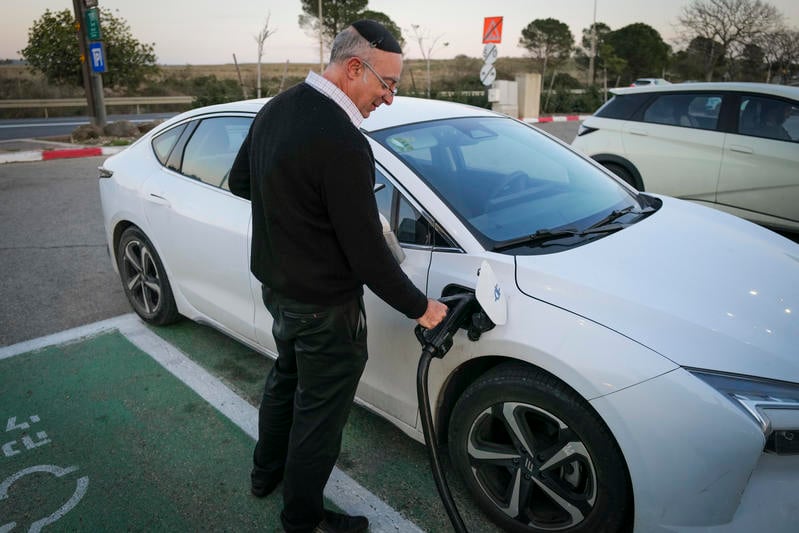
The Knesset Finance Committee on Tuesday rejected a Finance Ministry proposal to raise the purchase tax on electric vehicles from 45% this year to 52% in 2026.
Last year, the tax stood at 35% on the price of a car. It rose to 45% in January, excluding the first NIS 35,000 (10,900). The proposal to raise the tax to 52% would exempt the first NIS 30,000 ($9,300)
Electric vehicles in Israel cost from around NIS 90,000 ($28,000) to NIS 300,000 ($93,000), and more, including the purchase tax and VAT.
Committee chairman Hanoch Milwidsky (Likud) instructed the Finance, Energy, and Transportation ministries to come back with a multi-year, measurable plan to encourage the introduction of affordable EVs into the market, without any additional tax for congestion or mileage.
He suggested they absorb the loss to the Treasury of the difference between the 45% tax on EVs and the 83% tax on conventional combustion engine vehicles.
The Finance Ministry calculated that a 52% tax on anything above the first NIS 30,000 ($9,300) would bring NIS 90 million ($28 million) into state coffers next year and NIS 80 million ($24.8 million) the year after.

Milwidsky said these were not “mega sums,” and called on ministry officials to kill the proposal while budget negotiations were ongoing.
“Let’s not drive the importers crazy with a different tax every year,” he said.
Raising the tax would mean only “the rich” would be able to afford to buy EVs, he went on, adding that a subsidy was justified if it was accompanied by a plan to introduce green vehicles to the market.
This year, EV car registration fees have risen from a flat fee of NIS 530 ($165) to over NIS 5,000 ($1,550), bringing them onto par with gasoline vehicles. The amount depends on the model.
The year also saw VAT rise from 17% to 18%.
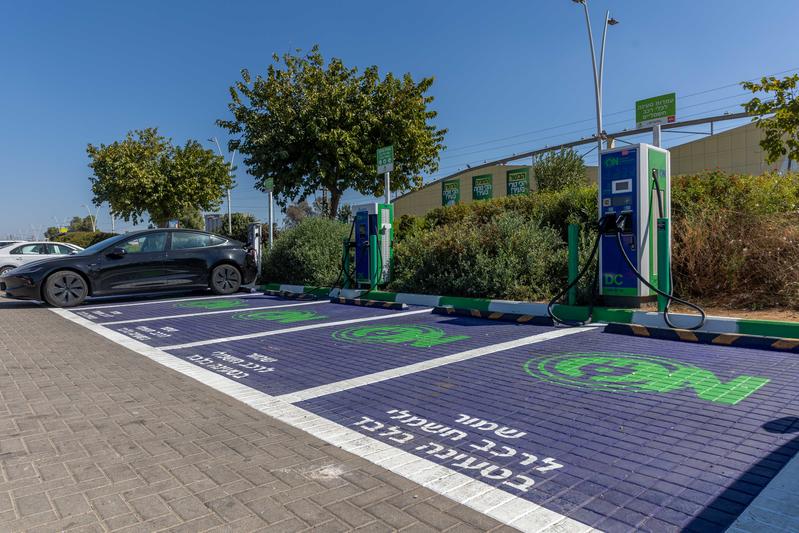
In November, Yossi Dayan, the director general of the Energy Ministry, warned against increasing taxes on EVs, saying that the existing 45% tax had already negatively impacted the market. He said only 14% of new vehicles purchased during the first half of this year were electric, compared with 25% during the same period in 2024.
Dayan reminded the committee of a note inserted into the government decision to raise the EV purchase tax from 35% to 45% from January 1 this year. In that note, the finance minister promised to reconsider purchase taxes on EVs if the percentage of such vehicles as a total of all vehicles imported to Israel declined.










The Times of Israel Community.