

Knesset moves to strip ex-minister Segev’s pension if he’s convicted as Iran spy
Lawmakers want to revoke monthly payments of thousands of shekels to ex-con, ex-MK who is now charged with treason
 Add ToI as a Preferred Source on Google
Lawmakers are crafting legislation to end government pension payments to former minister Gonen Segev if he is convicted of spying for Iran, Likud MK Amir Ohana said Thursday.
Segev currently receives a monthly pension of several thousand shekels. Ohana told Hadashot news that MKs were shocked to find that as things stand, Segev would continue to receive the payments even if convicted of serious crimes against the state.
Segev was charged last month with spying for Iran, giving Israel’s arch-foe sensitive information about locations of security centers and the country’s energy industry, the Shin Bet security service revealed.
Ohana said he is now working to pass legislation that will ensure the former energy and infrastructure minister no longer receives the payments if found guilty.
Segev was allegedly an active agent at the time of his arrest, and had twice been to Iran to meet his handlers.
Ohana pointed out that there is precedent for an MK to be stripped of his pension. In 2007 Azmi Bishara, the founder of the Arab Israeli political party Balad, resigned from his Knesset position and fled the country after being investigated by police on suspicion of spying for the Lebanese-based Hezbollah terror group.

Ohana said that Bishara was stripped of his pension, but the legislation enacted to do so was unique to his case. Now the Likud MK is trying to draft legislation that will also cover Segev in the event he is convicted.
“We all remember the case [of Bishara],” Ohana said. “In the wake of the absurd situation that arose, when the state of Israel continued to pay him a pension even though he had fled from investigations on suspicion he was spying for Hezbollah, a law was created to fit his situation. However it was created specifically for [Bishara’s] case and therefore it does not include cases like that of Gonen Segev. My law will attempt to broaden the parameters so that it will also apply to Segev.”
Segev, a disgraced politician who served time in jail for drug smuggling, was extradited to Israel from Equatorial Guinea.
According to the Shin Bet, Segev, whose former ministerial responsibilities included energy and infrastructure, has knowingly been in contact with Iranian intelligence officials since 2012, making first contact with them at Iran’s embassy in Nigeria.
“Segev gave his operators information about [Israel’s] energy sector, about security locations in Israel, and about buildings and officials in diplomatic and security bodies, and more,” the Shin Bet said in a statement.
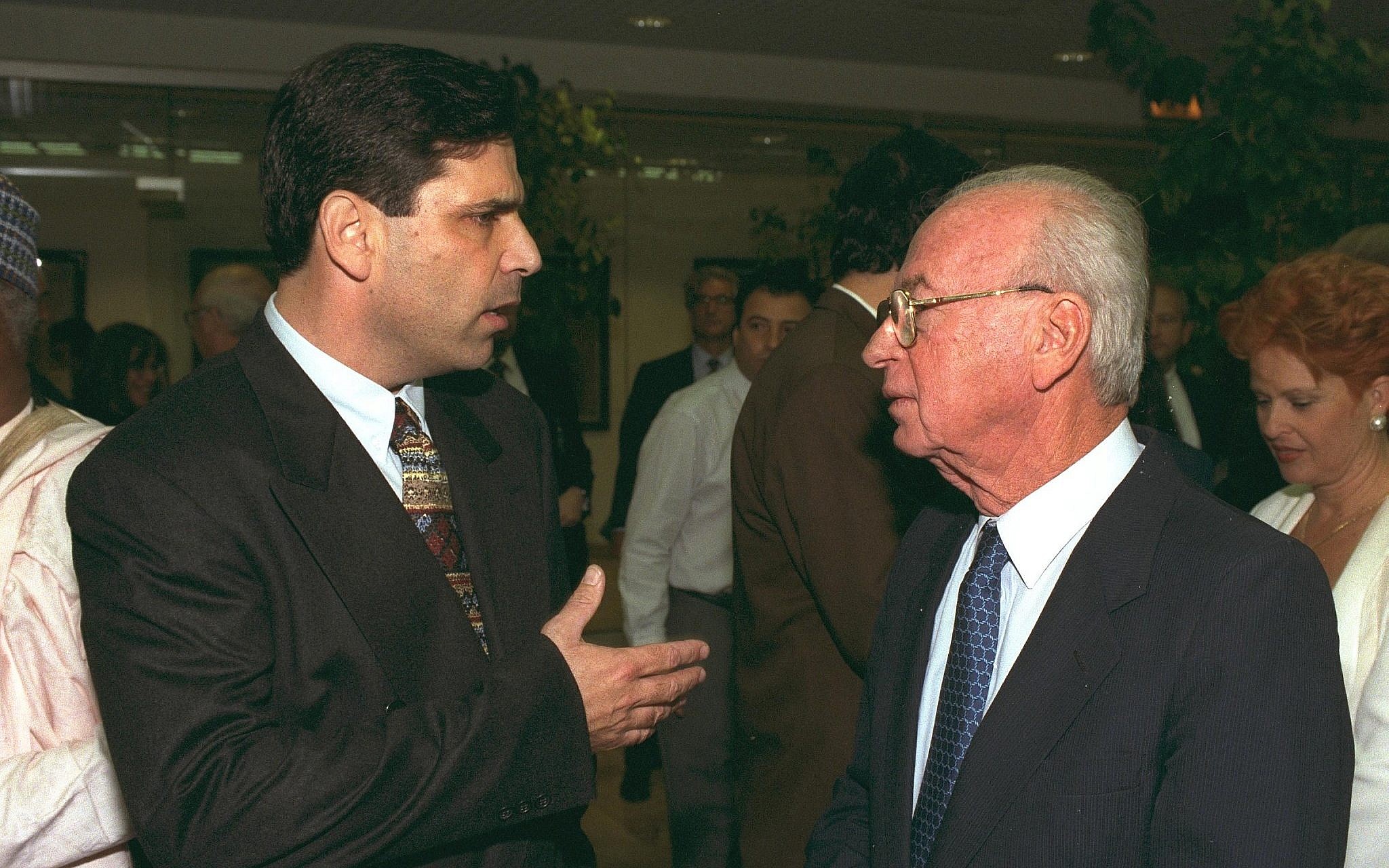
“Segev even visited Iran twice to meet with his handlers in full knowledge that they were Iranian intelligence operatives,” the security service said.
The Shin Bet said Segev met with his Iranian handlers in hotels and safe houses around the world and used a special encrypted device to send them messages in secret.
He was accused of making contact with Israeli figures in security, defense, and diplomacy in order to mine them for information to send to Iran.
According to the Shin Bet, he also tried to make direct connections between his Israeli contacts and Iranian handlers, presenting the spies as businesspeople.
In mid-May, Segev traveled from Nigeria to Equatorial Guinea where he was arrested by local police and sent back to Israel, the intelligence agency said.
As somebody who sat in government meetings and headed ministries dealing with energy and national infrastructure, Segev would have had access to sensitive material during his time as a politician. Given that material relating to the case was not released in full, it is not clear what damage he may have caused to Israeli security.
The former politician had been living abroad since his release from prison after he was found guilty of drug smuggling in 2006.









The Times of Israel Community.