

 From the Liveblog of
Monday, July 14, 2025
From the Liveblog of
Monday, July 14, 2025
Customs officers foil attempt to smuggle 17 ornamental fish into Israel from Thailand
 Add ToI as a Preferred Source on Google
Sue Surkes is The Times of Israel's environment reporter
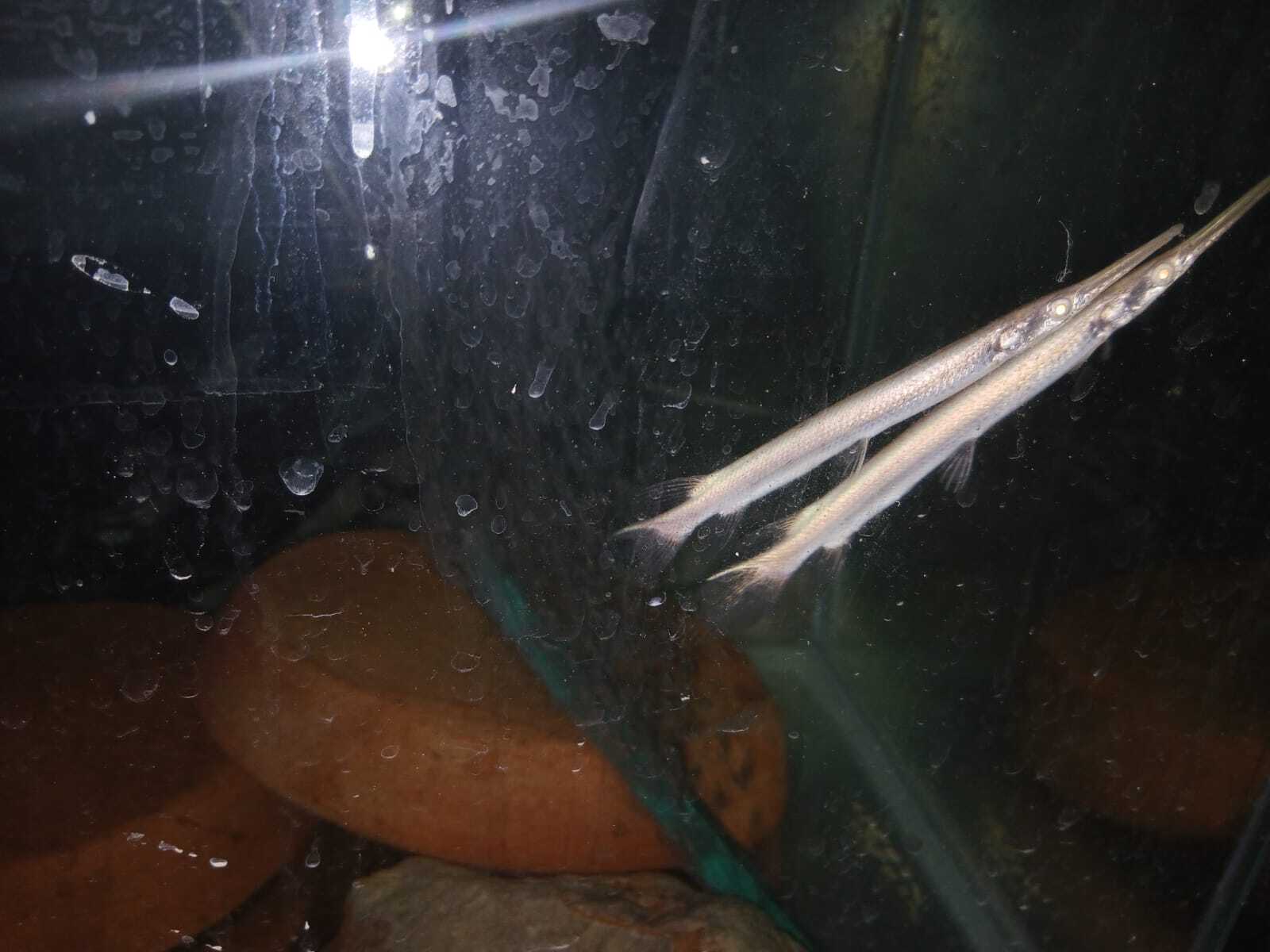
Sharp-eyed customs inspectors nab a traveler from Thailand entering Israel at Ben Gurion Airport with 17 live ornamental fish, including seven alligator gars, one of the biggest freshwater species in North America.
The fish are hidden in a plastic bag inside a hard suitcase.
The gars, with long, thin bodies and alligator-like snouts, can reach over 2.4 meters (eight feet) in length and weigh over 135 kilograms (300 pounds).
An Agriculture Ministry statement says the species is considered dangerous and aggressive toward humans and local fish species. In their natural habitat, they are top predators and voracious eaters.
Also found are 10 freshwater Potamotrygon stingrays, an endangered species according to the CITES Convention for the Protection of Endangered Species.
The fish have venomous glands at the tips of their tails, which cause severe pain to humans if stung, and, in rare cases, even death.
The smuggling suspect, in his 30s, will be summoned for questioning.
Invasive species — species that come from elsewhere in the world, are able to survive local conditions and even compete and replace local flora and fauna, seriously undermining biodiversity.
In Israel, the possession of crocodile and Potamotrygon fish is a criminal offense.
Shadi Khalil, an inspector in the Agriculture Ministry’s Fisheries Division, says, “There is a concern that ornamental fish enthusiasts, out of naivete, will buy the fish when they are small and add them to their home aquarium.”
“After they grow to a length of over a meter and are not suitable for life in an aquarium, the breeders may release them in good faith into water sources in the country, causing ecological damage and harming the local fish population,” he says.
Hagai Neuberger, head of supervision and enforcement in the same division, adds, “Attempts to smuggle rare and protected fish species are not only a violation of the law, but may also constitute harm to public health and the environment. The Agriculture Ministry is working determinedly to prevent the entry of invasive or dangerous species into Israel and continues with coordinated enforcement with all relevant bodies.”
Neuberger calls on members of the public to contact the ministry hotline at *6016 if they suspect fish are being illegally kept in private homes and businesses. He adds, “I once again remind the public that importing animals, especially protected or dangerous species, requires obtaining prior approval, meeting veterinary requirements, and coordinating with enforcement and regulatory agencies.”










The Times of Israel Community.