

 From the Liveblog of
Sunday, June 21, 2026
From the Liveblog of
Sunday, June 21, 2026
Palestinian Bedouin says settlers stole nearly 200 goats from him; police close case without probe
 Add ToI as a Preferred Source on Google
Nurit Yohanan is The Times of Israel's Palestinian and Arab world correspondent
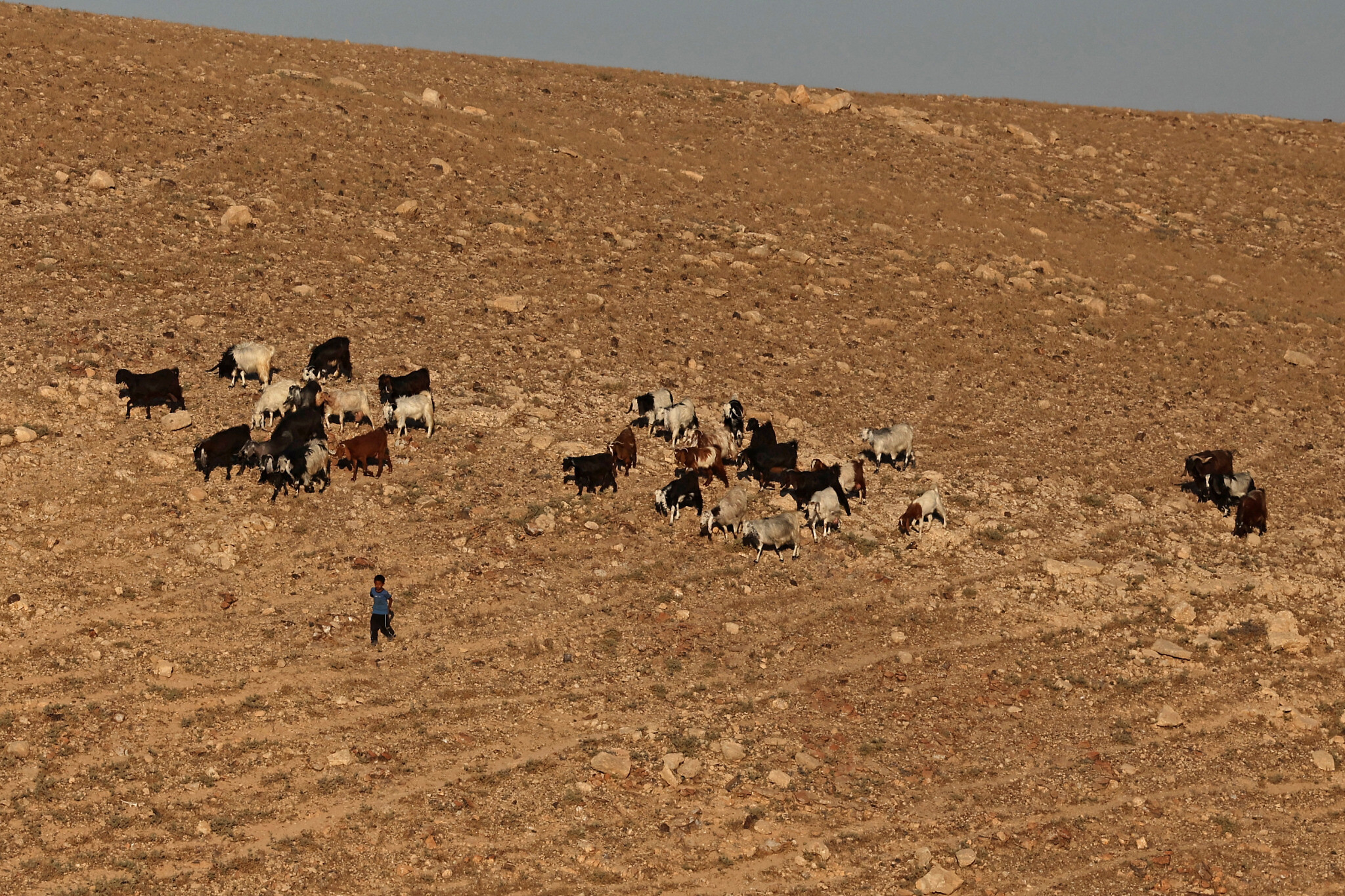
Police have closed a complaint by a Palestinian Bedouin shepherd without investigating it. He alleges that settlers stole nearly 200 goats from him in the Ramallah area, with assistance from IDF soldiers.
On May 13, Israeli troops and settlers arrived in the village of Jiljilya near Ramallah and were documented removing livestock from the village. At the time, the IDF said forces had been dispatched following a report that Israeli civilians had entered the area “after livestock had been stolen from an illegal outpost in Area A.” Under the Oslo Accords, Area A is under Palestinian civil and security control.
Despite the IDF’s statement, several local residents filed complaints with police in the following days claiming the livestock had been stolen from them and that there was no proof the animals belonged to settlers. According to the Palestinians, some 600 head of livestock were taken.
Extremist settlers have been attacking Palestinians in the West Bank on a near-daily basis, with little to no enforcement against them.
Among the complainants was Ibrahim Saraya, a Bedouin from the Khatroura community in the area, who said 185 goats worth tens of thousands of shekels had been taken from him.
About a month after the complaint was filed, the case was closed. Attorney Eitan Lehman, who represents Saraya, received the investigation file, which contained only the complaint Saraya submitted the day after the incident, and nothing else. At the bottom of the notice, informing him that the case had been closed, police wrote: “It should be noted that this matter was examined and it emerged that Jewish shepherds claimed the livestock had been stolen from them.”
Lehman told The Times of Israel that a police investigator told him: “Once the army took the livestock, we don’t get involved. Go to civil court.”
Police did not respond to a request for comment from The Times of Israel.







The Times of Israel Community.