

Ofer Moskovitz, killed close to Lebanon border, poured heart and soul into his beloved north
A longtime resident of Kibbutz Misgav Am, the avocado farmer and spokesperson known as ‘Poshko’ tended to his community and its groves even when the fields around him burned

 Add ToI as a Preferred Source on Google
Jessica Steinberg, The Times of Israel's culture and lifestyles editor, covers the Sabra scene from south to north and back to the center
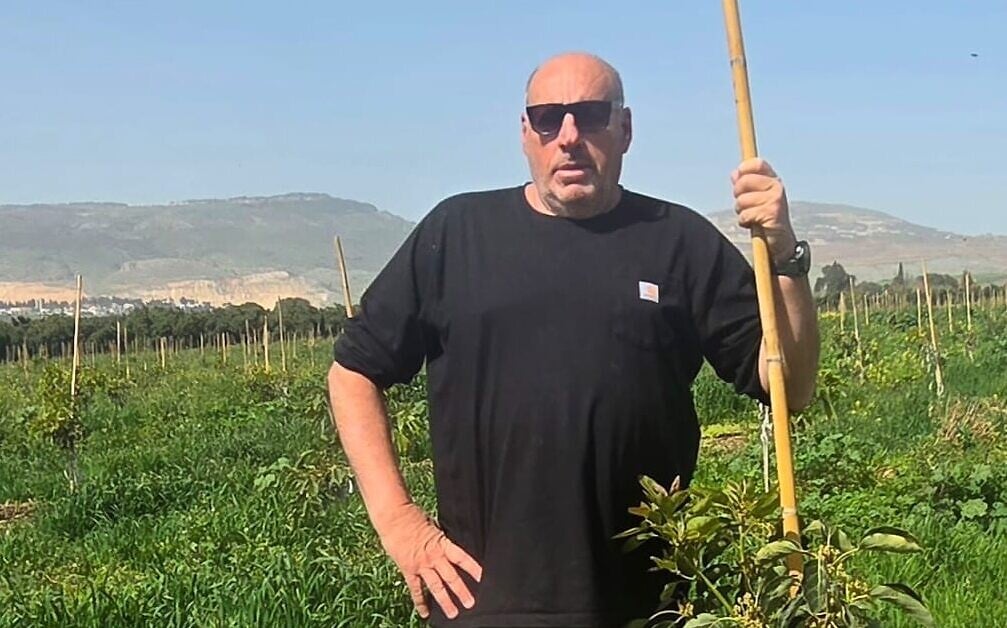
Eleven days ago, I texted and spoke with Ofer Moskovitz, an avocado farmer and spokesperson for Kibbutz Misgav Am, where he had made his home for the last 43 years.
Moskovitz, 60, was killed early Sunday morning when a projectile hit the car he was riding in, setting it on fire. Hezbollah claimed the attack, claiming it was targeting soldiers. The IDF later said it was investigating whether its own fire was responsible.
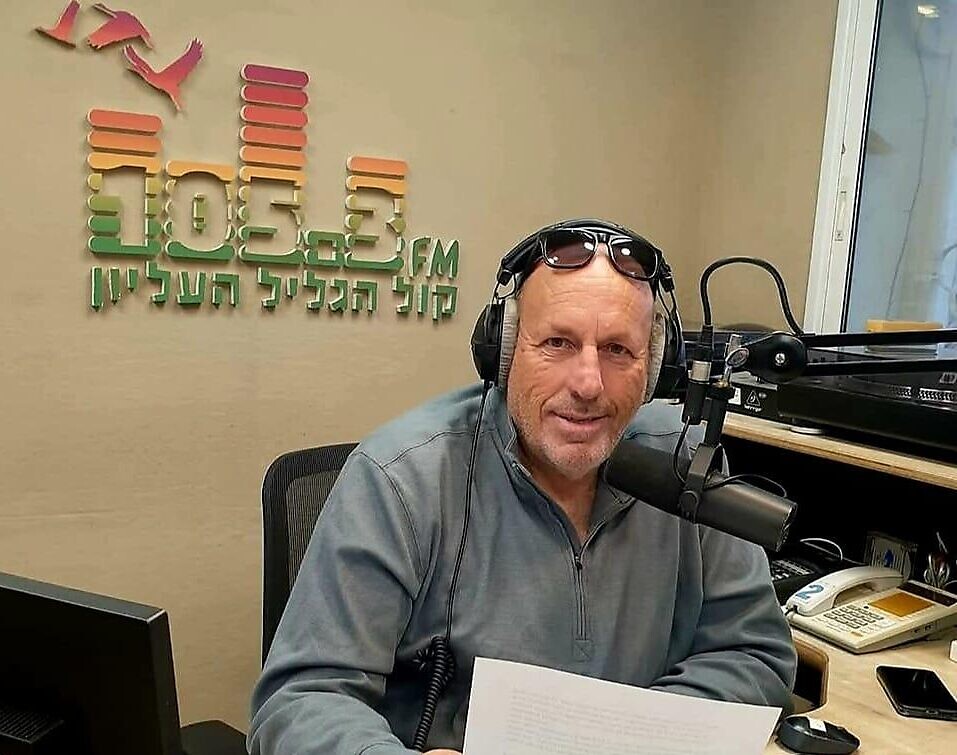
According to the Ynet news outlet, he told a Haifa radio station on Friday that “I could be hit by a rocket or drone at any moment. It’s Russian roulette.”
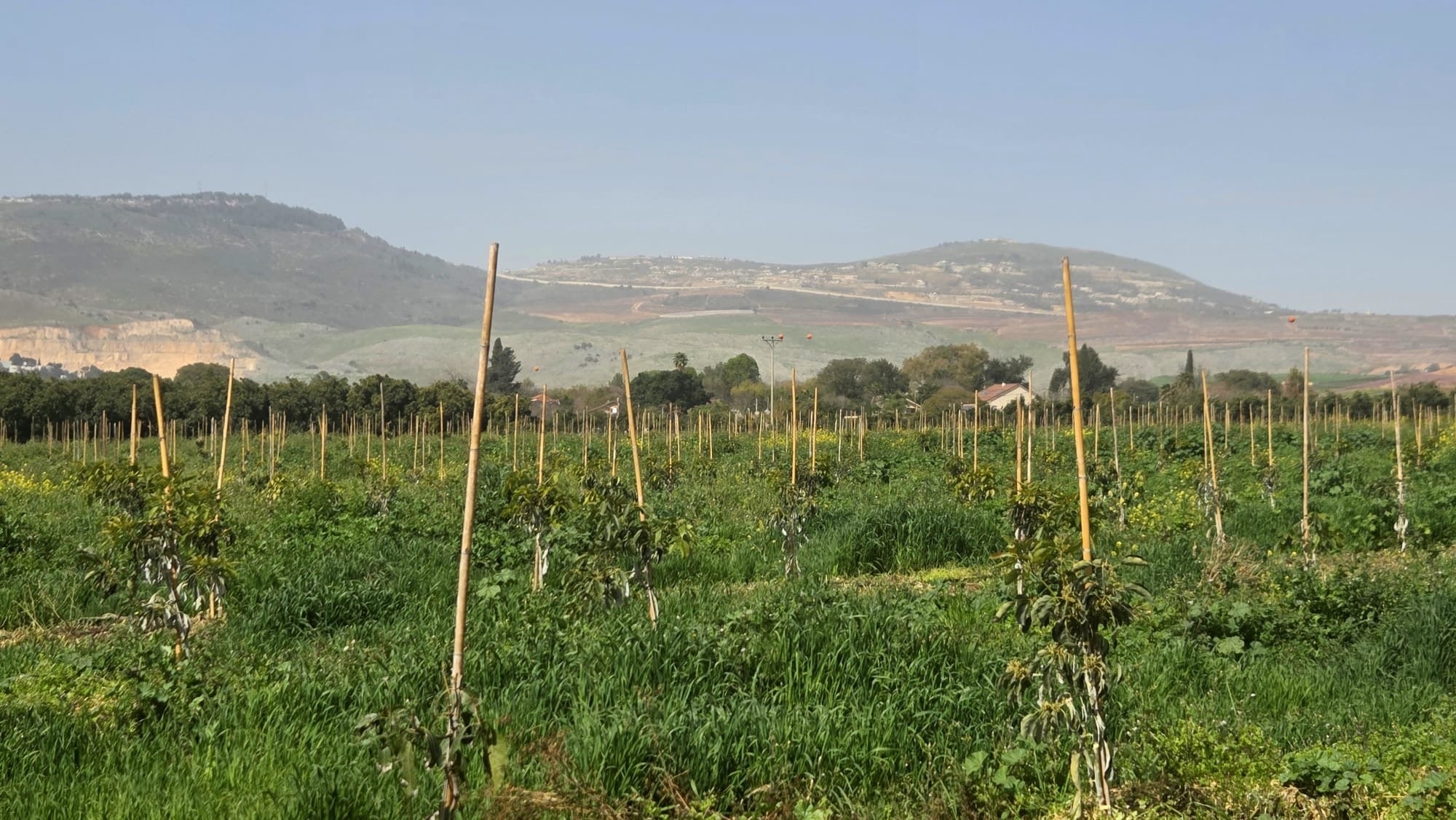
Moskovitz told me last week that he had returned to the avocado groves where new trees were growing, but found it unsettling to know that Hezbollah terrorists were still out there, watching him from across the border.
Moskovitz spoke about going to the lookout near the kibbutz where there was a view of nearby Lebanon, and taking pictures of the Hezbollah flag hanging in homes across the border.
“They see me, and I see them,” he said.
Moskovitz was a larger-than-life person, a fact immediately apparent in our series of WhatsApp texts and phone conversations over 24 hours.
“Call me Poshko,” he said, “that’s what everyone calls me. It’s one name, like Madonna or Rihanna.”
Related: As Hezbollah strongholds crop back up, northern farmers regrow destroyed fields
His Instagram profile describes him as “father, grandfather, farmer, photographer, radio announcer for the Upper Galilee radio station and Misgav’s spokesperson.”
We first spoke when I texted to ask if a missile had fallen in one of the avocado groves he managed, about 100 meters from the UN-designated Blue Line marking the border with Lebanon.
No, he answered, “Thank goodness.”
He trusted the army when it told northern residents that it had distanced Hezbollah from the border and that locals could return home
Moskovitz told me he has always believed in the strength and will of the Israel Defense Forces, and he trusted the army when it told northern residents that it had distanced Hezbollah from the border and that locals could return home. This was some two years after many were evacuated due to fears of a Hezbollah invasion and in light of missile and drone fire, following the October 7, 2023, Hamas onslaught.
Moskovitz called Misgav Am and the north in general “an amazing community.”
He described checking in regularly on the older members of the kibbutz, making sure they could access shelter during Hezbollah strikes, and the support they consistently offered one another.
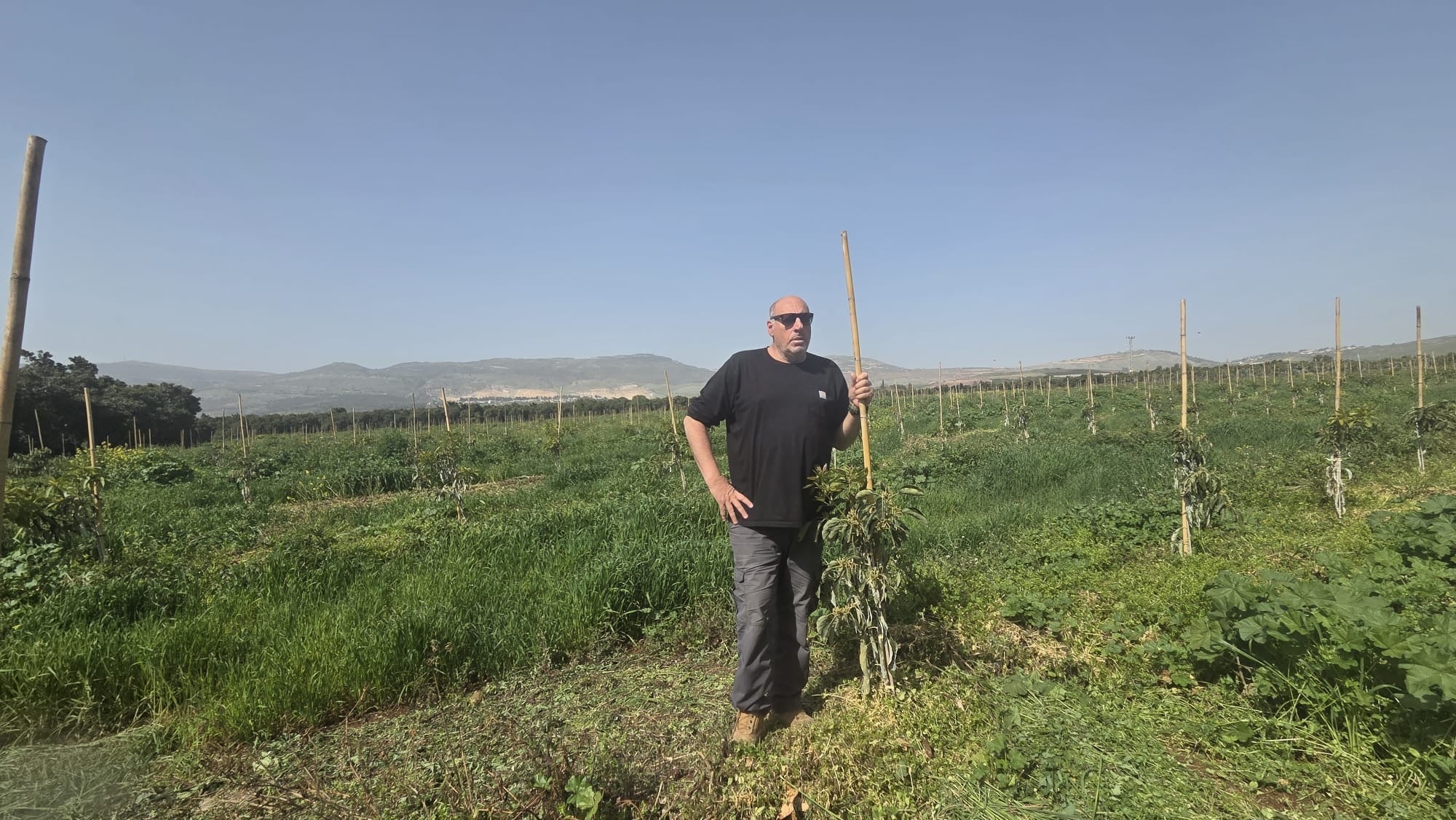
Each morning, Moskovitz would drive about 30 minutes from his home in Misgav Am to the groves to check in with the Thai farmhands, one of whom loved the area so much that he had returned with a friend after working for Moskovitz a decade earlier.
He told me the Thai workers never got scared and rarely ran for shelter when they were working in the fields.
“They make videos for their families while they’re out there,” said Moskovitz.
We laughed a lot as we discussed avocados. Moskovitz grew Hass avocados — the pebbly, smaller ones that are popular in the Israeli market — but we both preferred Ettinger, the larger, smooth avocados that have more flesh in each fruit.
When we spoke on the phone, Moskovitz described his love for Misgav Am, where he first landed as a Nahal army recruit in 1983. He then got married and raised his three daughters there.
One of his daughters had just given birth a week earlier, making Moskovitz a grandfather of two.
He said that two of his daughters wanted to move back to Misgav Am to raise their families there, but the latest round of Hezbollah rocket strikes had given them pause.
“That’s hard to hear,” he said. “I told them, ‘Do what you need to do, I’ll come to you wherever you are.”
As the news emerged Sunday morning about a Hezbollah rocket strike at 8 a.m., I looked back at the WhatsApp texts with Moskovitz, remembering that he had mentioned being on the road at that hour, commuting to the avocado groves that were just beginning to blossom again
‘Today we lost Poshko’
As the news emerged Sunday morning about a Hezbollah rocket strike at 8 a.m., I looked back at the WhatsApp texts with Moskovitz, remembering that he had mentioned being on the road at that hour, commuting to the avocado groves that were just beginning to blossom again.
“It’s reassuring to see,” he had said of the white flowers.
I immediately wrote to Amit Fahima, another farmer who had introduced me to Moskovitz, and he wrote back the following:
“Today we lost Poshko.”
A farmer, a photographer at heart, the spokesperson of Misgav Am, more than anything, Moskovitz was a powerful and honest voice of the north.
He lived with the fear of war like everyone else. Yet, every morning he woke up and went out to care for his avocados, even while the fields around him burned
Deeply connected to his land, his community, and the people around him, Moskovitz remained dedicated to his orchards through war, bound to them in the way only true farmers understand. He knew each tree personally. Farming wasn’t just his work: It was his passion, and his connection to the land ran deep and strong.
He lived with the fear of war like everyone else. Yet, every morning he woke up and went out to care for his avocados, even while the fields around him burned.
Strong, honest, and brave enough to say the truth: “I feel like I am living a Russian roulette.” And still, he stayed.
The north lost a powerful voice on Sunday, a true mensch, a devoted farmer and a dear friend.





The Times of Israel Community.