Add ToI as a Preferred Source on Google
“The country is like a broken record,” MK Benny Gantz tells me. “In October 1973, we had the Yom Kippur War debacle. Fifty years later, we have the October 7 debacle. We came out of the Yom Kippur catastrophe, and we will come out of this one too.
“We have an amazing society, much better than its leadership,” he continues. “This past week, I traveled all over the country — from Kiryat Shmona through Tiberias to the Gaza border communities. Israeli society is stronger than its leadership. It will recover.”
Gantz, now a resident of Kibbutz Yad Mordechai — located 5.6 kilometers (3.5 miles) north of the Gaza border, insists that his famous “Anemones Speech” is still relevant, and that the Gaza border communities will flourish again — even within the coming year.
A decade ago, near the end of Operation Protective Edge against Hamas, then-IDF chief of staff Gantz delivered the controversial speech near the Gaza border: “Indeed, there was a hot summer here,” Gantz said, referring to the tumultuous experiences of many in the south. “[But] autumn will come after. Rain will wash away the dust upon the tanks. The fields will turn green, and the south will redden, red in the positive sense of the word. Anemones, flowers and stability will be here, and they will be here for very many years to come.”
I meet Gantz, who today heads the opposition National Unity party, on Sunday in Moshav Netiv Ha’asara at an intense ceremony commemorating the 20 residents who were slain by Hamas on October 7, 2023.
A circular garden, “The Garden of Twenty,” has been constructed in the moshav in their memory, surrounded by 20 olive trees. In the center of the garden stands a 50-meter-high flagpole, flying what is said to be the largest Israeli flag in the country — 200 square meters in size. On Sunday the flag is lowered to half-staff, but it can still be seen in Khan Younis in southern Gaza.
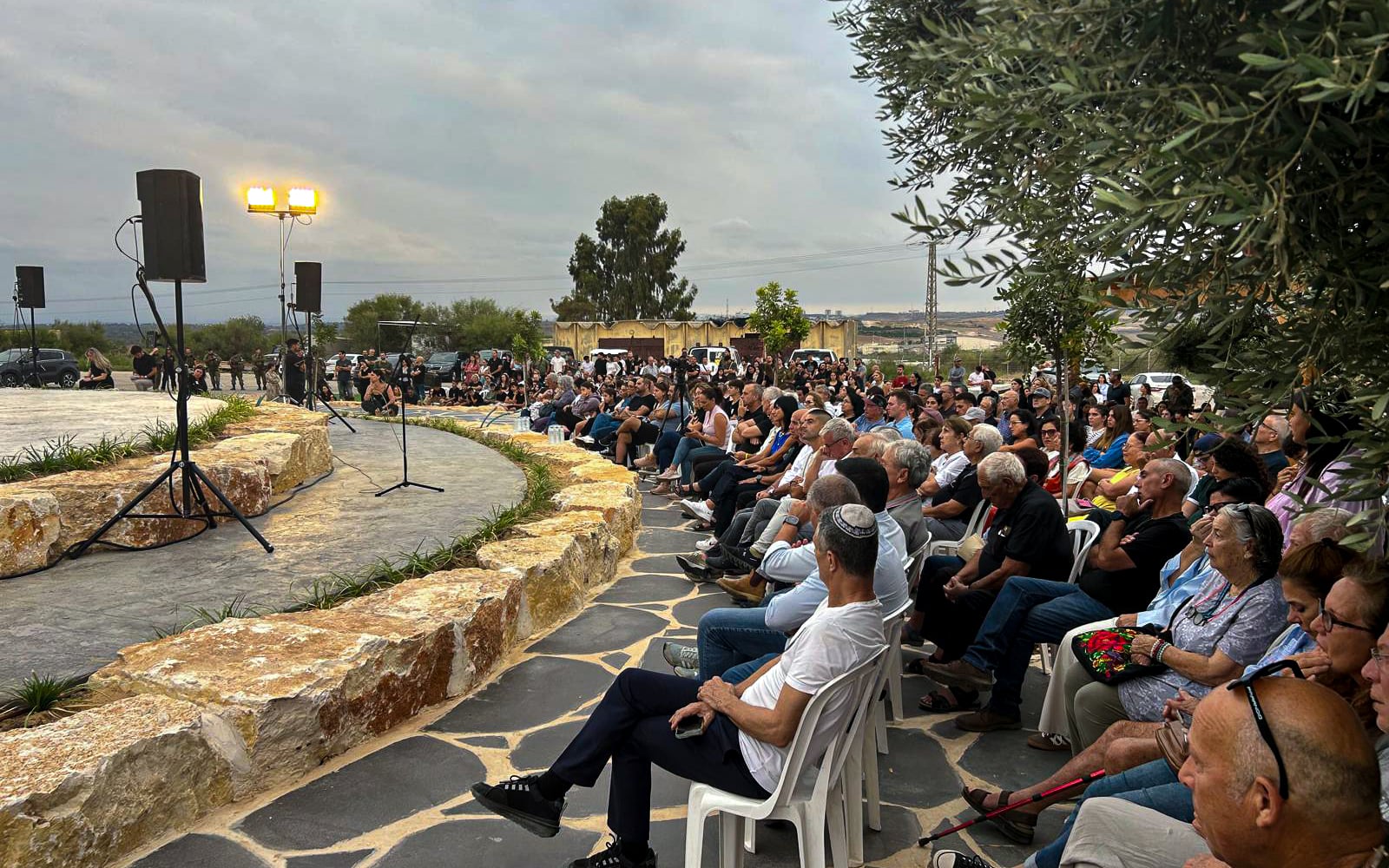
Many tears are shed at the ceremony. The bereaved families weep uncontrollably as residents speak of their loved ones. Yet there is also hope, expressed by those who suffered the most devastating blows.
“Don’t let grief and darkness win,” urges Alfredo Wachs, who lost both of his sons, Amit and Yigal, members of Netiv Ha’asara’s emergency response team, on October 7.
This is the reality. A year after the massacre, the residents of the Gaza border communities flounder in the depths of depression while simultaneously soaring to peaks of optimism. No one there truly knows where they stand on this emotional spectrum.
‘Yad Vashem of October 7’
Near the village of Tkuma, a new site — the “Burnt Cars Exhibition” — was launched a few months ago. There is no display like it anywhere in the world. One thousand five hundred and sixty cars that were burned a year ago, some of them with their passengers inside, were brought here from all over the Gaza envelope area.
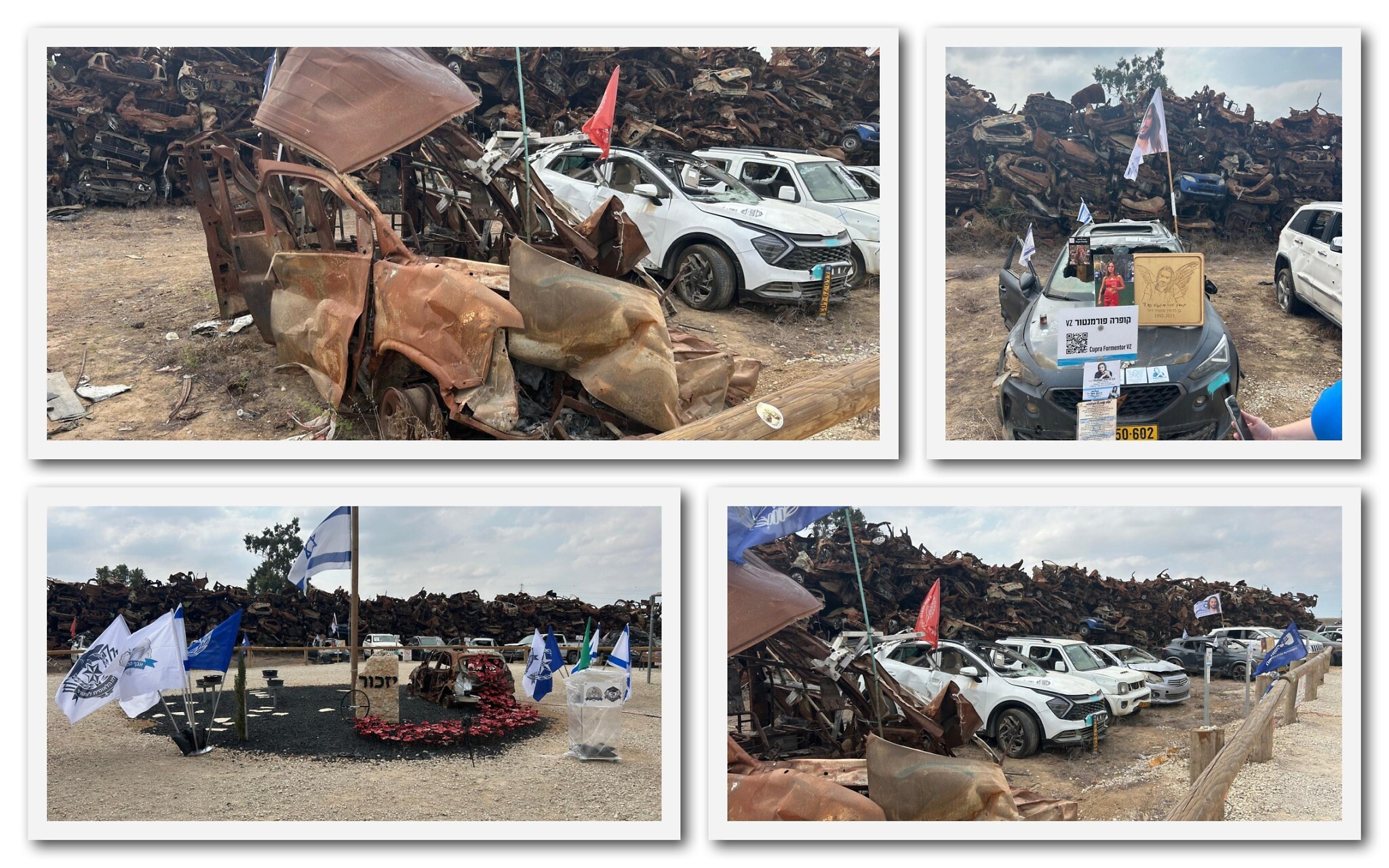
Hundreds of these vehicles are piled one atop the other. Hundreds more are parked in an open field. Dozens, telling stories of heroism, are displayed at the front of the site. Burnt vehicles and motorcycles of Hamas terrorists were also dragged here.
This horrifying project is the brainchild of Col. (Res.) Marco Azuelos of the Home Front Command. Azuelos calls it “Yad Vashem of October 7.” Each scorched vehicle represents a terrible tragedy. Family members who visit the site are often overwhelmed, requiring medical assistance.
The descriptions, the reconstructions, and the disturbing sights of the belongings found in each car are unbearable. After a year of dealing with this devastation, Azuelos has reached one firm conclusion: You cannot rely on the army.
On Sunday, members of the Mateh Yehuda Regional Council visit the site. Sixteen communities from this council sit along the West Bank’s seam line, opposite Palestinian villages like Zurif and Beit Surik. Azuelos urges council head Avishai Cohen to prepare thoroughly for a Palestinian invasion from the West Bank similar to the Gaza one of October 7.
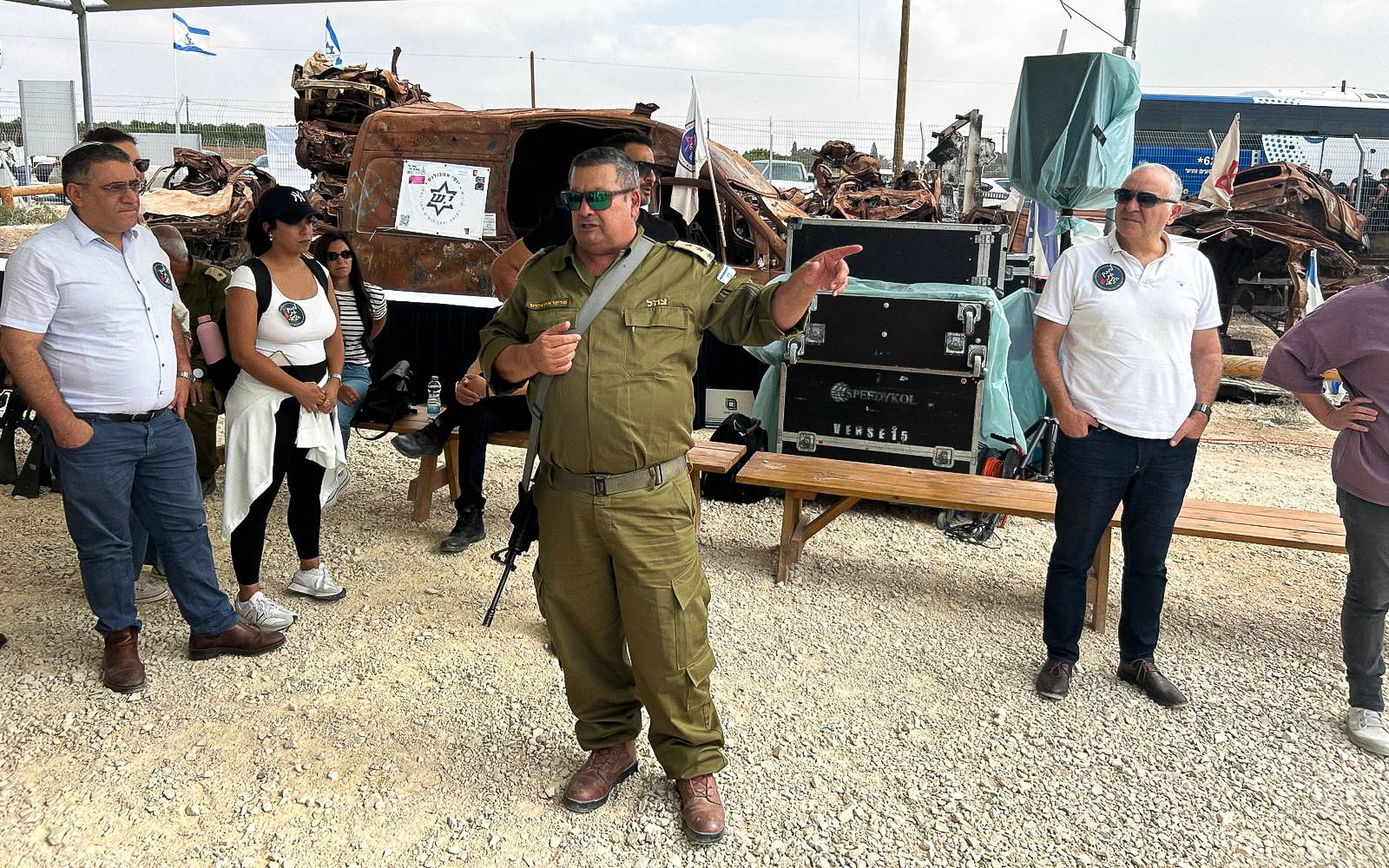
“Prepare yourself. Do everything on your own. No one will come to help you,” warns Azuelos. “No one will come to small communities; forget about it,” he adds, essentially encouraging the local council heads to establish private militias.
“It’s also not a good idea to rely on the police,” adds Shai Hajaj, head of the Merhavim Regional Council and a member of the Likud party. In his council, 17 men and women were murdered on October 7, including a relative of his from Kibbutz Nahal Oz.
‘Prepare yourself. Do everything on your own. No one will come to help you. No one will come to small communities; forget about it’
And yet, Hajaj views October 7 as a historical turning point. In his opinion, the threat from Gaza has been permanently removed for the first time since the Sinai War in 1956. “Gaza is dismantled,” says Hajaj, pointing dismissively at Beit Hanoun. “We’re past this event. We can only look forward.”
Obsessive rebuilding at Zikim
There is depression, and there is obsession.
Zikim Beach has always been considered one of the most beautiful beaches in Israel. On October 7, 19 Israeli civilians were murdered here after Hamas terrorists arrived at the beach in speedboats. Among the victims were teenagers hiding in a nearby bomb shelter.
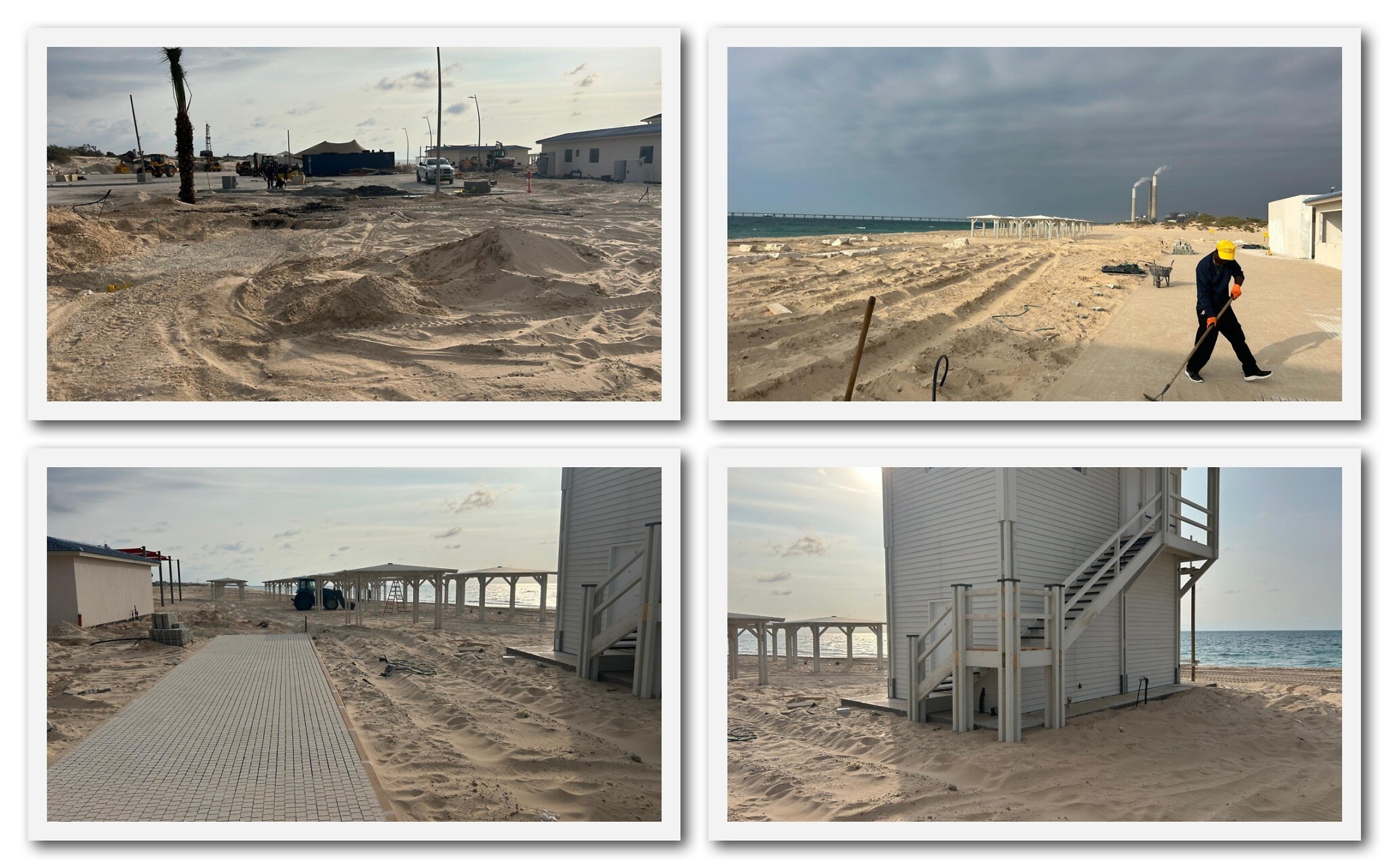
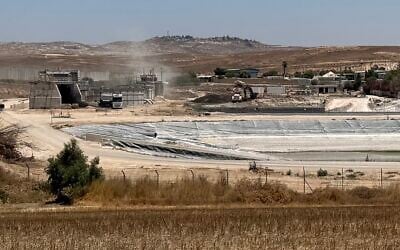
Over the past year, the beach has been deserted — closed by military order. The Tekuma Authority, the government body responsible for rebuilding and developing the communities along the Gaza border after October 7, announced last month that it would reopen soon. For now, it remains closed to the public, but Itamar Revivo, head of the Ashkelon Coast Regional Council, has decided to raze the beach and rebuild it from scratch.
Revivo is investing millions in this project. He has built a wide palm-lined promenade leading to the beach, paved new access roads, created an artificial lake, installed canopies and lifeguard services, and established a water sports center.
‘Zikim will return, and then the Gaza border communities will return’
He visits the site twice a day, every day, to oversee the construction. In his obsession, Revivo plans to reopen the beach in two weeks during Sukkot, as if there are any Israelis who’d be interested in a day at the shore adjacent to Gaza at this point in time.
In Revivo’s vision, Zikim Beach is important to the communities along the Gaza border, and until it reopens, they cannot return to normalcy. That’s why he’s in such a rush.
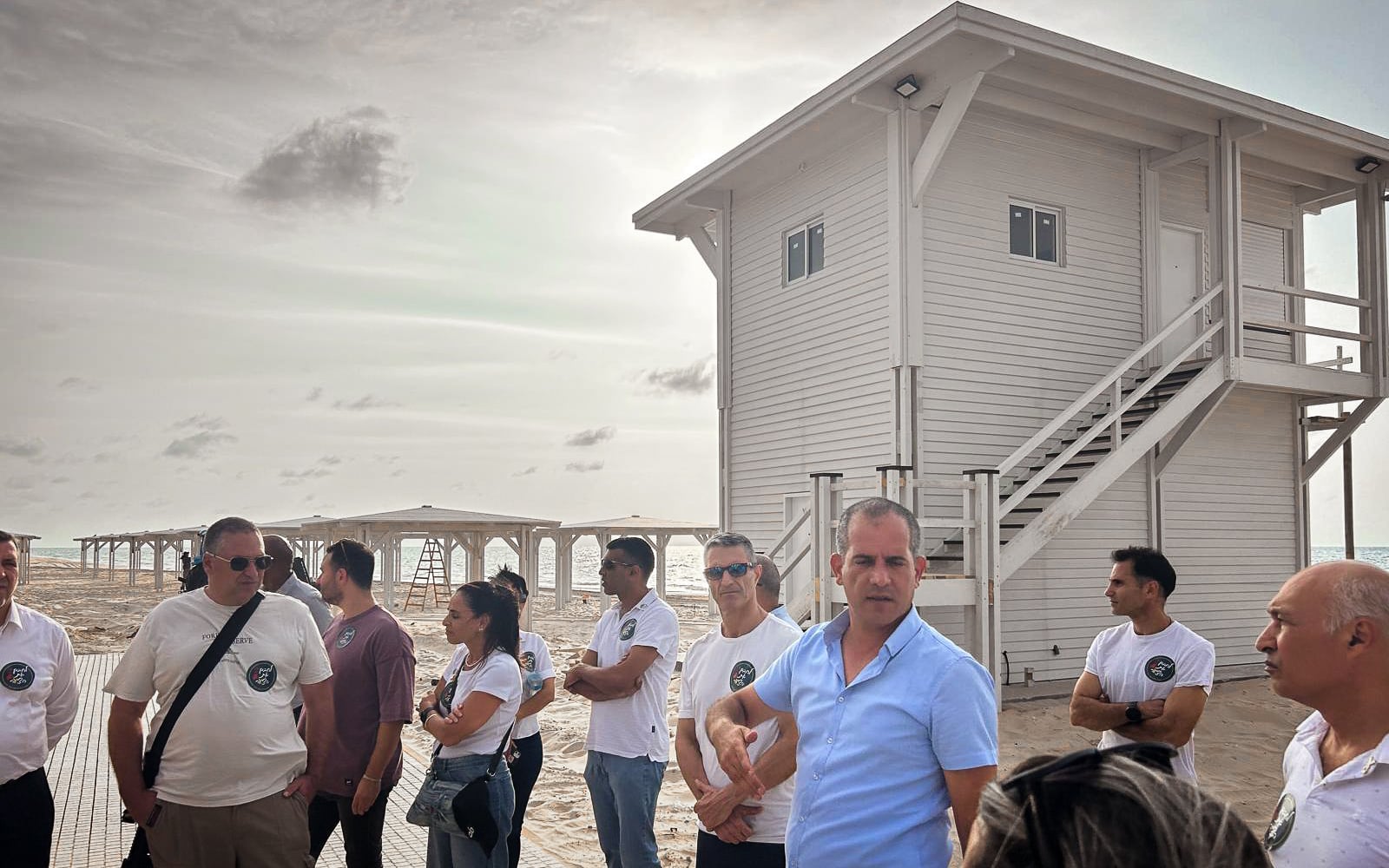
“The recovery of the Gaza border region starts with this beach,” he insists. “A beach is a place of healing. A place for the soul. Anyone who comes to the sea always feels a sense of renewal. Zikim will return, and then the Gaza border communities will return.”
‘Pillar of cloud’
Back in Netiv Ha’asara, only about 100 people now live in the moshav, which once had 900 residents. Fear persists, but council head Revivo promises that “not one house will remain empty.”
He is already discussing expanding the community with an additional 140 homes. Such talk feels improbable and disorienting when faced with the sight of the abandoned and neglected houses in Netiv Ha’asara. But who knows?
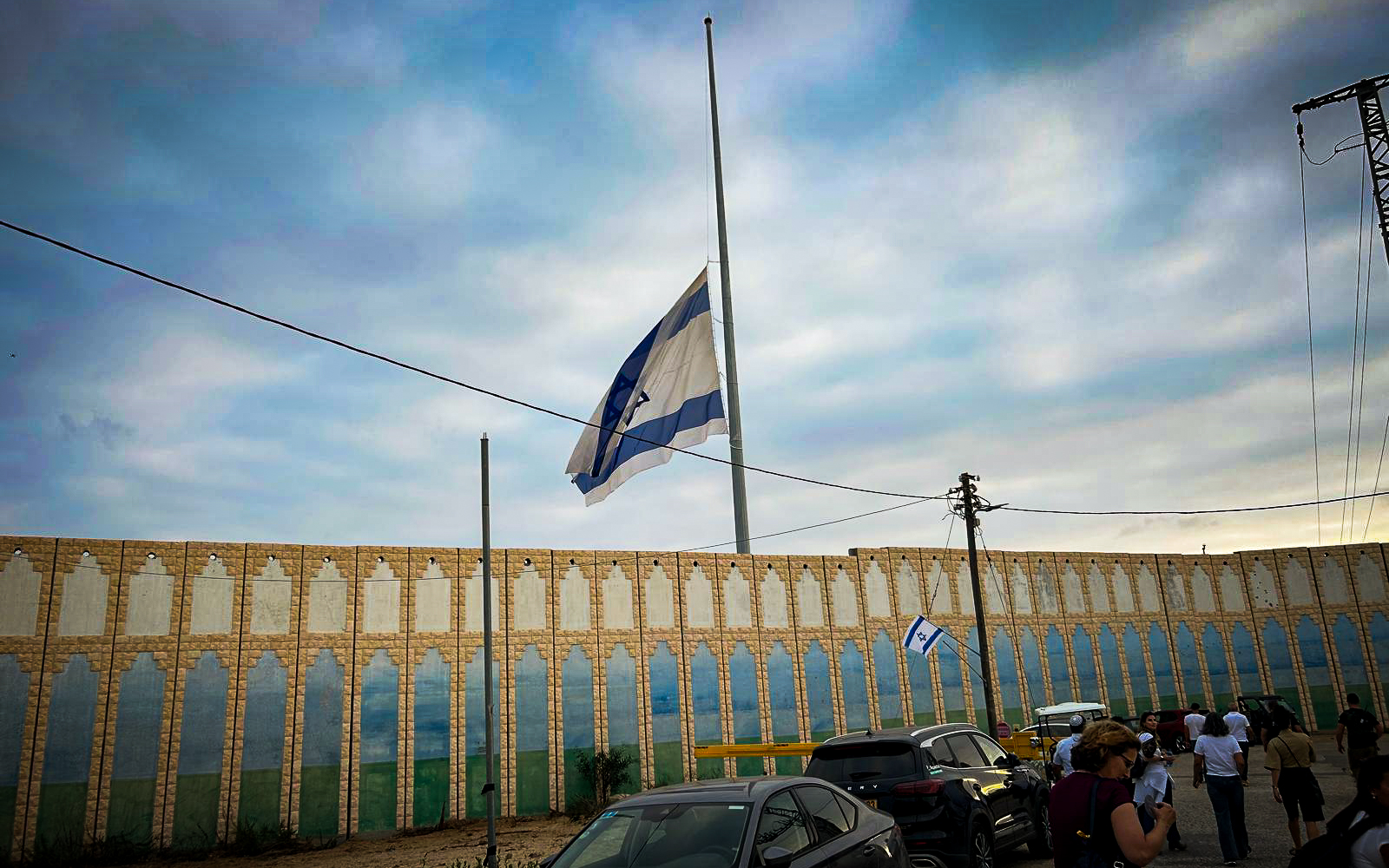
Itay Levi, a resident, delivers a bitter speech at the anniversary ceremony against the government and military, accusing them of abandoning the communities. “But we are committed to seeing the light,” he adds in the next breath.
Levi calls on the bereaved families to serve as the biblical “pillar of cloud” that guided the ancient Israelites, and lead Netiv Ha’asara back to its glory days.
“It’s not fair to ask this of you, but that’s the reality,” says Levi to the families sitting in the front row, sobbing.
Translated and edited from the Hebrew original on Times of Israel’s sister site Zman Yisrael.

The Times of Israel Community.