

Soroka hospital gala honors NY plastic surgeon for pro bono work during Israel-Hamas war
The Gaza-adjacent medical center, which has treated thousands since Oct. 7, will recognize Dr. Ira Savetsky on Monday as it seeks an additional $50 million to rebuild after Iranian missile strike
 Add ToI as a Preferred Source on Google
Reporter at The Times of Israel
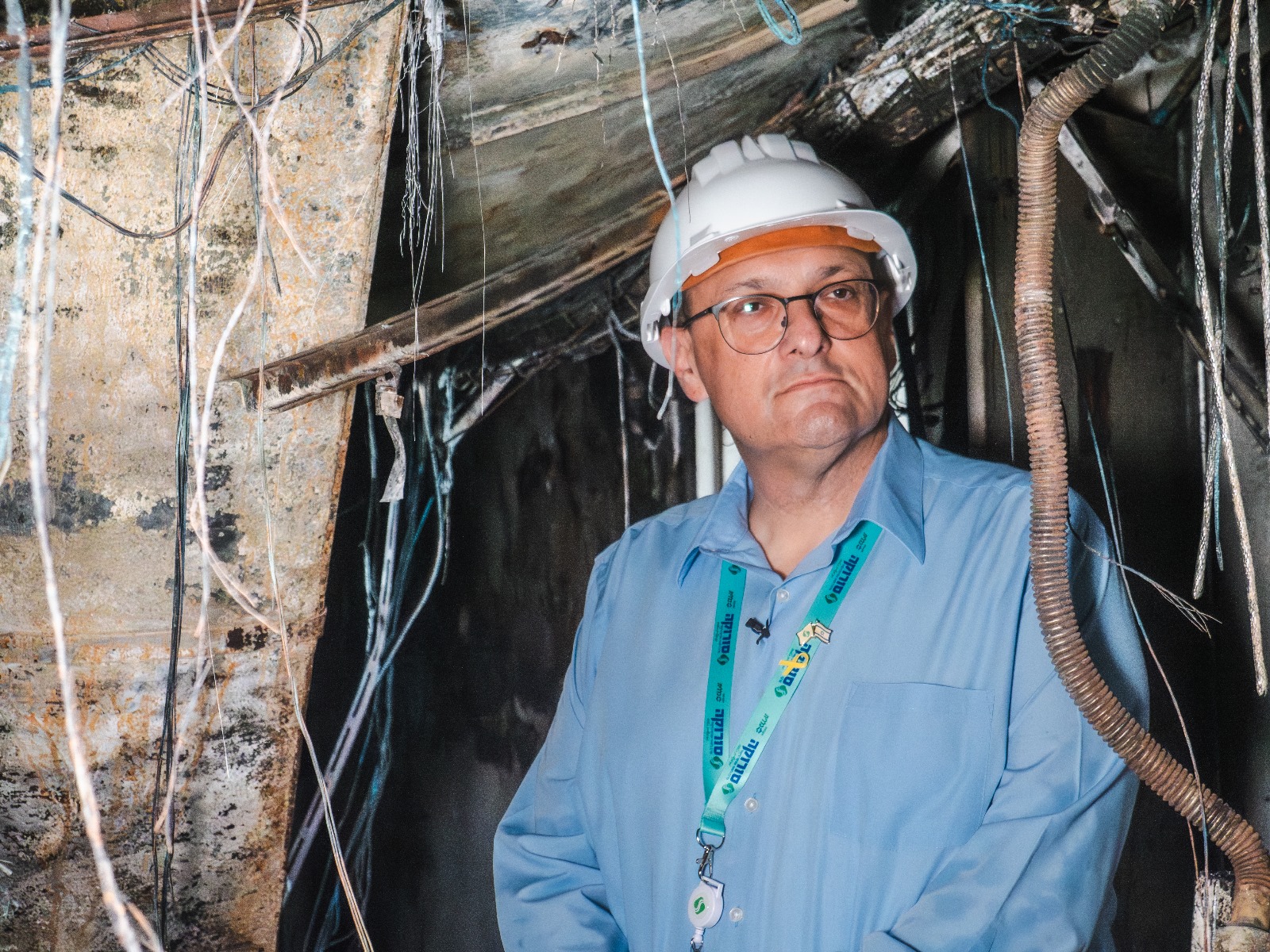
During the 12-day Israel-Iran war in June, Soroka University Medical Center’s surgical ward suffered a direct hit from an Iranian missile, injuring more than 80 people and wrecking eight operating rooms along with six research laboratories.
Now, five months later, the American Friends of Soroka is holding a gala at the Plaza Hotel in New York City on Monday to raise additional funds needed to rebuild the Beersheba hospital.
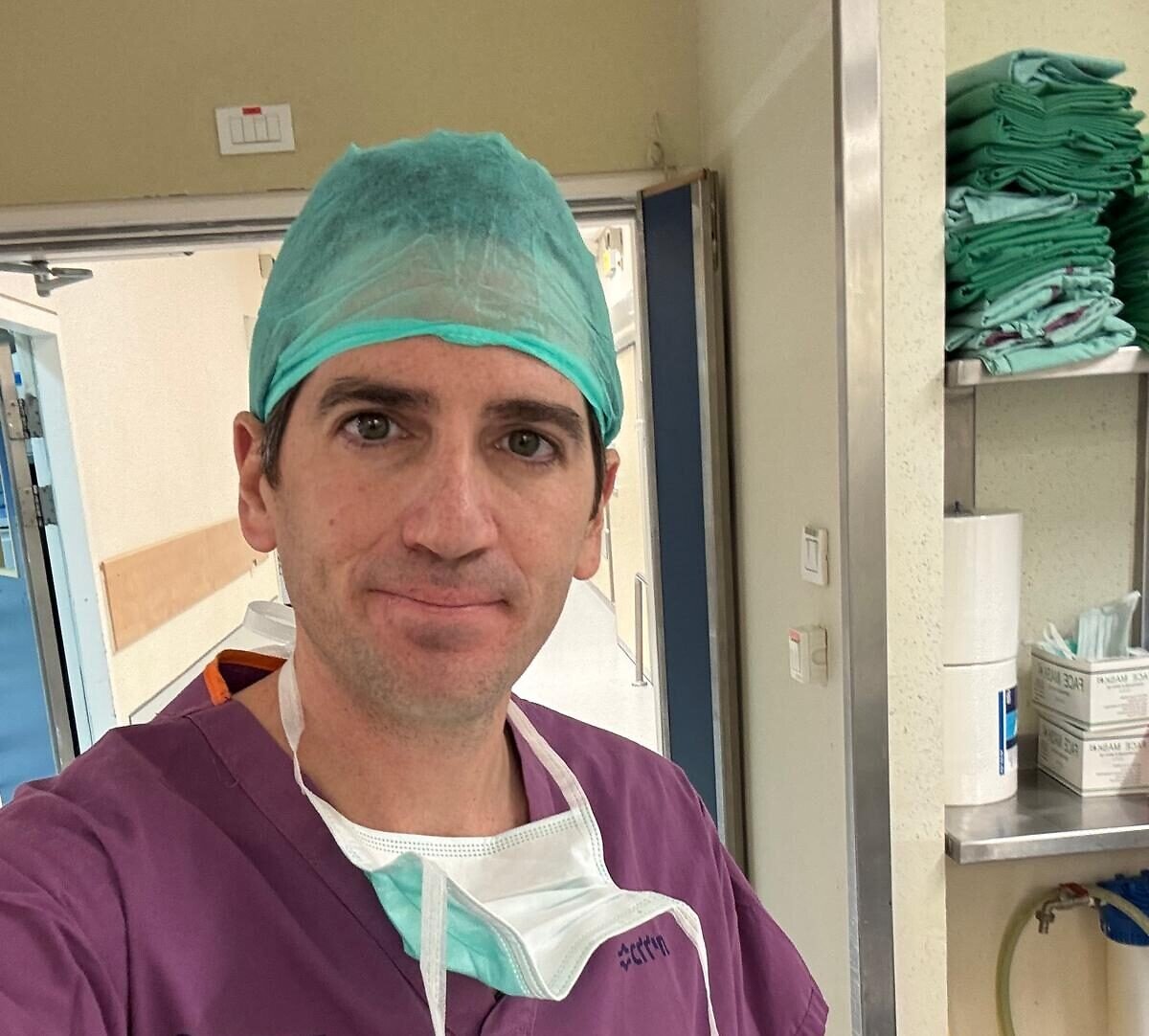
The gala will honor Dr. Ira Savetsky, a board-certified plastic surgeon and expert in trauma reconstruction, for his work providing free plastic surgery to survivors of antisemitic violence in the US and his contributions as a volunteer at the Beersheba hospital during the Israel-Hamas war.
“We’re still short about $50 million (NIS 162 million) to meet immediate needs such as a new intensive care unit, new operating rooms and renovating the internal medicine department,” Prof. Shlomi Codish, director-general of the hospital, told The Times of Israel.
The hospital has already received multiple donations since the Israel-Iran war: When the government announced on November 2 that it would invest NIS 360 million ($109 million) to construct a new, armored hospitalization building, Canadian-Israeli businessman Sylvan Adams announced a matching $100 million donation.
The Koum Family Foundation also donated $50 million to build a modern, secure hospitalization tower, and the Leona M. and Harry B. Helmsley Charitable Trust gave $15 million for what Codish calls the “long-term building project” that he expects to take six years.
“Hopefully,” he said, “we’ll also meet the hospital’s immediate needs.”
‘So many soldiers required reconstructive surgery’
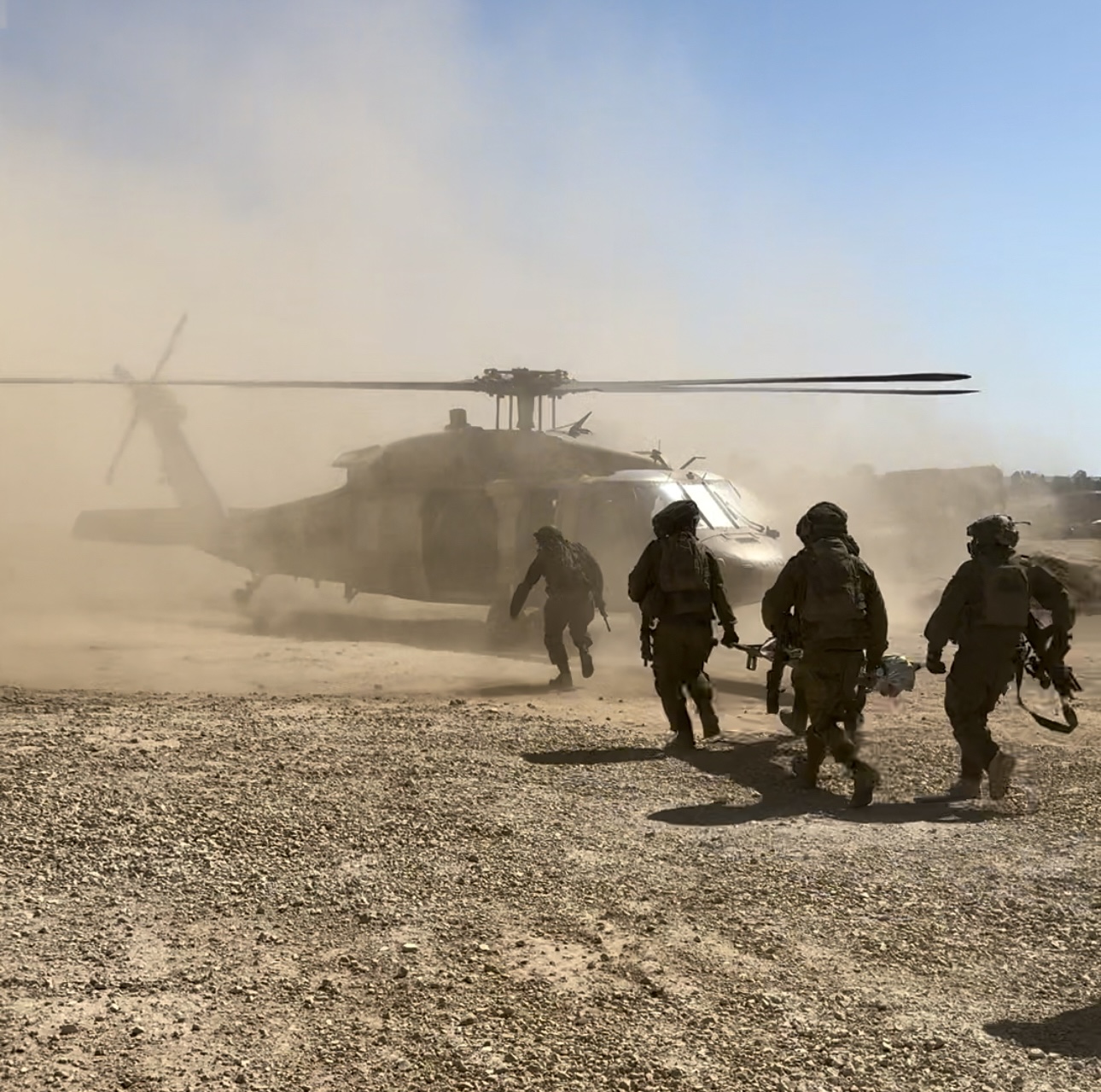
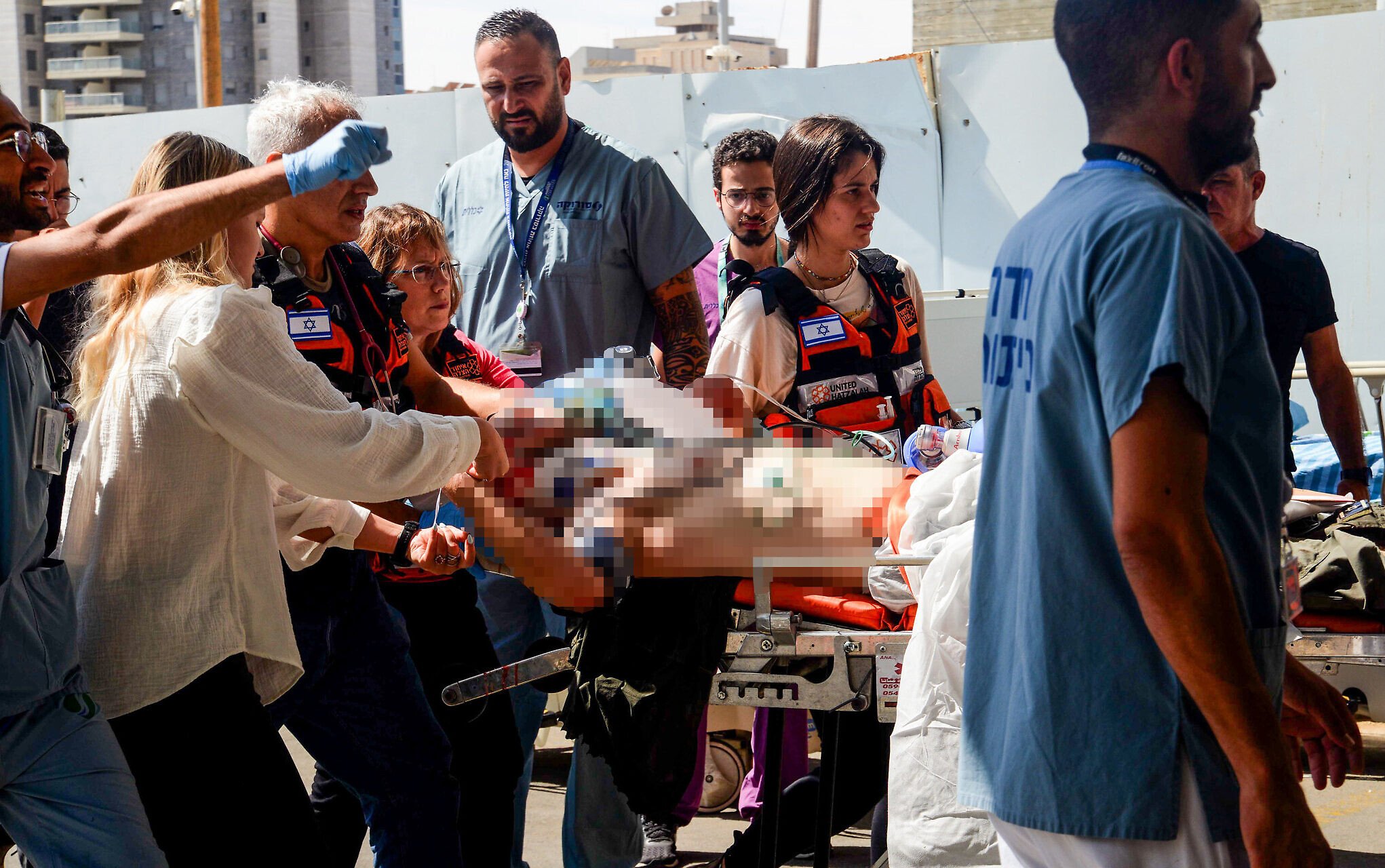
The multi-front war began on October 7, 2023, when thousands of Hamas-led terrorists stormed into Israel, killing some 1,200 people and injuring thousands. Soroka was among the closest hospitals to the violence, treating 674 casualties that day alone.
“Given that Soroka is the closest tertiary-care hospital to Gaza, many of the soldiers who were wounded while protecting all of us were brought there,” Savetsky told The Times of Israel.
Since the war began, the hospital has treated over 4,400 casualties, including more than 3,300 wounded soldiers.
“So many of the wounded required reconstructive surgery, burn treatment and complex care for the injuries they sustained in battle,” Savetsky said. “I felt called to be there, to use my surgical skills in a meaningful way. Truly, it was one of the highlights of my career.”
Savetsky explained that he did not have a direct relationship with Soroka before he went there as a volunteer.
However, one of his mentors at NYU Langone Medical Center, Dr. David Staffenberg, was involved with Soroka in 2021 when the hospital successfully separated conjoined twins.
“The surgery required months of meticulous planning and a team of more than 50 specialists,” Savetsky said. “As a plastic surgeon, I fully understand the complexity of such a procedure, and Soroka became the first hospital in the Middle East to accomplish it.”
When Savetsky was at Soroka in October 2024, he said that as he was lecturing on some of his specialties, including complex rhinoplasty and facial rejuvenation, several hospital doctors who were also serving in the IDF reserves walked in wearing their army uniforms.
“It was a powerful reminder of how extraordinary these people are,” Savetsky said. “Fighting, healing, whatever is asked of them, they respond fully.”
During the past two years, Savetsky and his wife, Lizzy, a well-known social media influencer and pro-Israel activist, have visited Soroka several times to spend time with injured soldiers, he said.
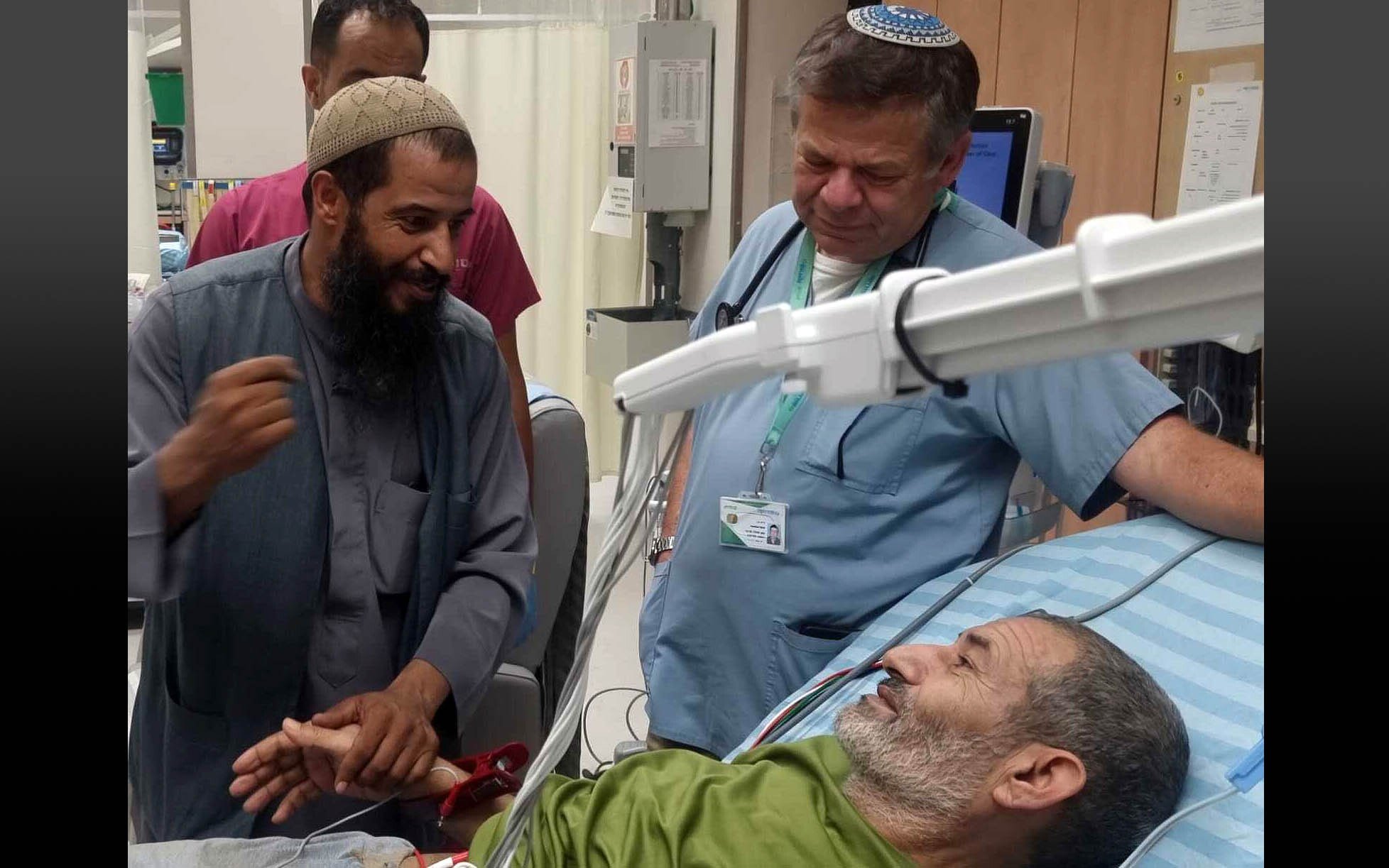
“What makes Soroka even more remarkable is the diversity of its staff,” Savetsky said. “Jews, Muslims, Christians, Druze and Bedouin, people from every background, work side by side to deliver the best possible care to every patient, regardless of religion, race, or identity.”
He added that this unity “defines the country at its finest, yet tragically, this reality is rarely reflected in the media.”
‘A deep connection to Israel’
Savetsky, who grew up on Long Island, attended a Jewish day school.
“I felt a deep connection to Israel before I even visited the country,” he said.
He studied at a religious school in Jerusalem before university during the Second Intifada in 2002, when he witnessed “some of the horrific terrorist attacks firsthand.”
“Seeing that carnage changed me,” he said.
Years later, on October 7, 2023, Savetsky and his wife, along with their three children, were visiting Jerusalem.
“I felt this overwhelming sense of helplessness, knowing that not far from where we were, our brothers and sisters were being viciously attacked,” he said. “As a physician, when something like that happens, your instinct is to ask, ‘How can I help?'”
Since then, “my wife probably hasn’t slept, traveling back and forth to Israel 12 times for her advocacy work.”
“She often jokes that ‘helping Israel is our family business,'” Savetsky said.
Monday evening’s gala, organized by Rachel Heisler Sheinfeld, executive director of the American Friends of Soroka, will also honor Rabbi Marc Schneier, founding rabbi of the Hampton Synagogue, who has spent more than three decades building bridges between the Jewish, Black and Muslim communities.
“The gala is really about gratitude for the people who have supported Soroka,” Codish said. “I know it wasn’t easy for them when they opened the news and saw the building they visited so many times going up in flames. It’s as much about saying thank you as it is about raising more money.”


The Times of Israel Community.