

From Gaza, Hamas may now be directing terror attacks
Suspicion grows that some recent attacks were not ‘lone wolf’ strikes, but rather were carried out on explicit instructions

 Add ToI as a Preferred Source on Google
Avi Issacharoff, The Times of Israel's Middle East analyst, fills the same role for Walla, the leading portal in Israel. He is also a guest commentator on many different radio shows and current affairs programs on television. Until 2012, he was a reporter and commentator on Arab affairs for the Haaretz newspaper. He also lectures on modern Palestinian history at Tel Aviv University, and is currently writing a script for an action-drama series for the Israeli satellite Television "YES." Born in Jerusalem, he graduated cum laude from Ben Gurion University with a B.A. in Middle Eastern studies and then earned his M.A. from Tel Aviv University on the same subject, also cum laude. A fluent Arabic speaker, Avi was the Middle East Affairs correspondent for Israeli Public Radio covering the Israeli-Palestinian conflict, the war in Iraq and the Arab countries between the years 2003-2006. Avi directed and edited short documentary films on Israeli television programs dealing with the Middle East. In 2002 he won the "best reporter" award for the "Israel Radio” for his coverage of the second intifada. In 2004, together with Amos Harel, he wrote "The Seventh War - How we won and why we lost the war with the Palestinians." A year later the book won an award from the Institute for Strategic Studies for containing the best research on security affairs in Israel. In 2008, Issacharoff and Harel published their second book, entitled "34 Days - The Story of the Second Lebanon War," which won the same prize.
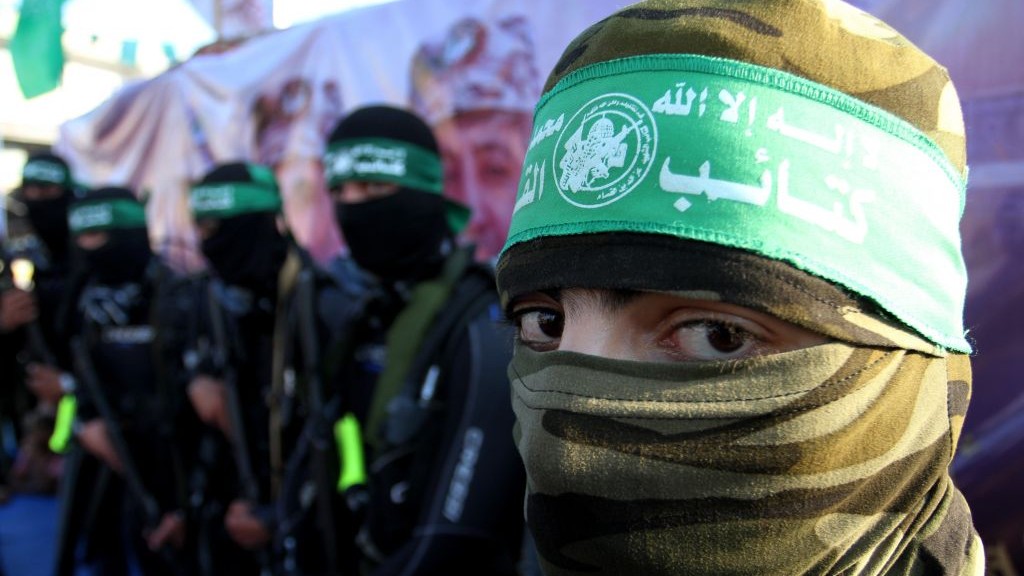
The message from the Islamist Hamas terror organization — directed more at the Palestinian people than Israel — is clear: We are a part of this “intifada” and we aren’t going anywhere.
While the group, which rules the Gaza Strip, has a less prominent presence in the Palestinian Authority-controlled West Bank, its voice is still being heard with recent attacks.
On Thursday morning, a Palestinian teenager stabbed a soldier in the Gush Etzion settlement bloc south of Jerusalem; a day later, two 20-year-olds stabbed an Israeli man after unsuccessfully attempting to board a school bus full of children in the central city of Beit Shemesh.
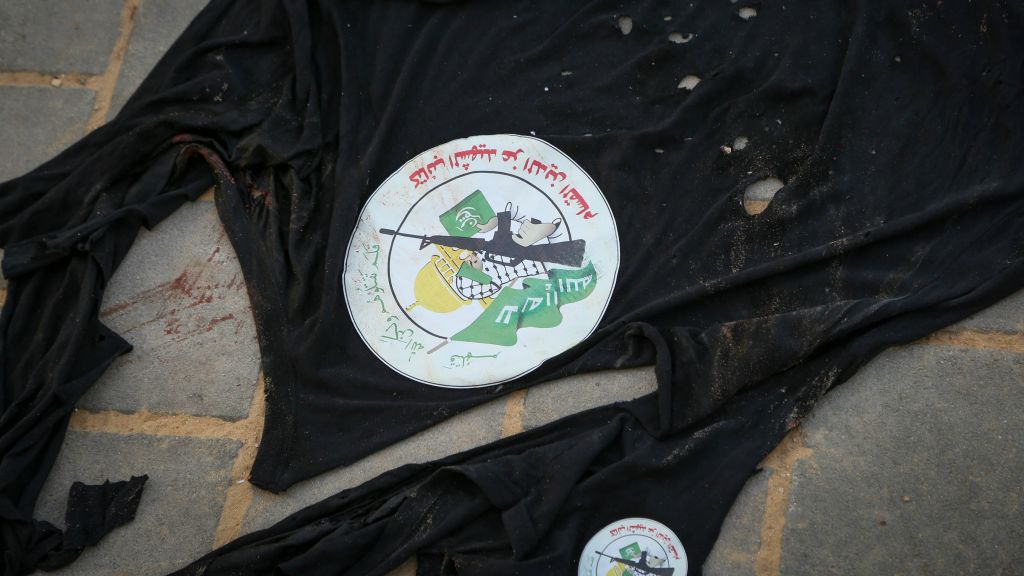
The latter two, after being shot by security forces, were both discovered to be wearing t-shirts reading “Izz ad-Din al-Qassam” — the name of Hamas’s armed wing. All three attackers were from the Hebron-area village of Surif, and two of them — one in each incident — were named Ghanimat.
In recent years, all Hamas terror attacks in the West Bank have been directed and coordinated by the group’s “West Bank bureau.” The bureau is situated in Gaza and overseen by Hamas operatives originally from the West Bank who were deported to Gaza during the prisoner exchange for captured IDF soldier Gilad Shalit in 2011.
The bureau is headed by Abd el-Rahman Ghanimat and Mazen Fuqha, the former a member of the notorious “Surif squad” — a terrorist cell headed by Ibrahim Ghanimat that was responsible for a series of attacks against Israelis in the 1990s. Abd el-Rahman Ghanimat was serving five life sentences when he was released under the Shalit deal.
The Ghanimat connection between the commander in Gaza and the terrorists on the ground immediately raises suspicions these attacks were not a local “lone wolf” terror initiative, but rather were carried out on explicit instructions from their “cousin.” However, this is only a suspicion at this point.
Israel’s security establishment has no knowledge of Hamas giving specific instructions of this nature, although it’s clear that the directive of the “West Bank bureau” in Gaza is to carry out as many attacks as possible against Israelis.
This directive is no secret. Hamas’s calls for violence are made frequently and publicly on media outlets, but the group has refrained from urging attackers to carry out more severe terror attacks, like the campaign of suicide bombing attacks against Israelis during the Second Intifada at the start of the millennium.
Hamas “instructions” for their West Bank operatives to carry out stabbing and shooting attacks have been largely supported by the Palestinian public.
So far, Hamas in Gaza has not paid a price from Israel for its role in inciting and encouraging the ongoing surge in violence. The organization’s leadership, however, understands that if the current spate of attacks becomes more deadly, Israel may respond by striking Hamas targets in Gaza, a development the Islamist group wishes to avoid. A return to the 2000-2001 modus operandi would probably come with a heavy price tag.
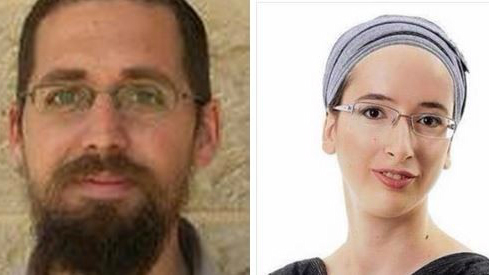
Hamas is succeeding in painting itself as responsible for starting the current uprising against Israel, citing the October 1 terror attack in the West Bank in which Eitam and Naama Henkin were gunned down in their car in front of their children. Some analysts believe it is no coincidence the deadly shooting attack on the Henkins occurred just days after a series of unprecedented demonstrations against Hamas rule in the Strip.
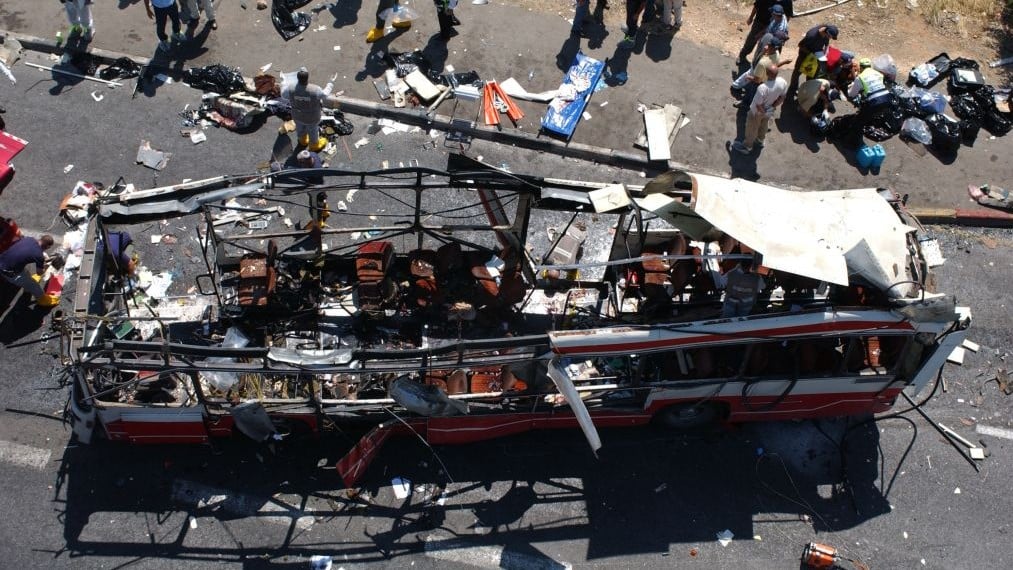
According to Israeli and PA intelligence, Hamas, at least for now, lacks the military infrastructure to carry out suicide attacks in Israel from the West Bank.
But both Israel and the PA understand that a military infrastructure capable of coordinating larger attacks could be developed, even under the radar of local intelligence gatherers. In other words, one cannot dismiss the possibility that terror operatives — and not necessarily Hamas — will try to carry out suicide bombing attacks against Israelis.
Currently, Islamic Jihad is the group most likely to try a large-scale attack. If Jihad operatives do manage to carry out a major terror attack, it would return the group to center stage and a prominent place in Palestinian public opinion.







The Times of Israel Community.