

Cabinet orders ministries to prepare for climate change, again
Green groups criticize announcement as just words in run-up to elections and UN climate confab; similar decision in 2018 was never implemented
 Add ToI as a Preferred Source on Google
Sue Surkes is The Times of Israel's environment reporter
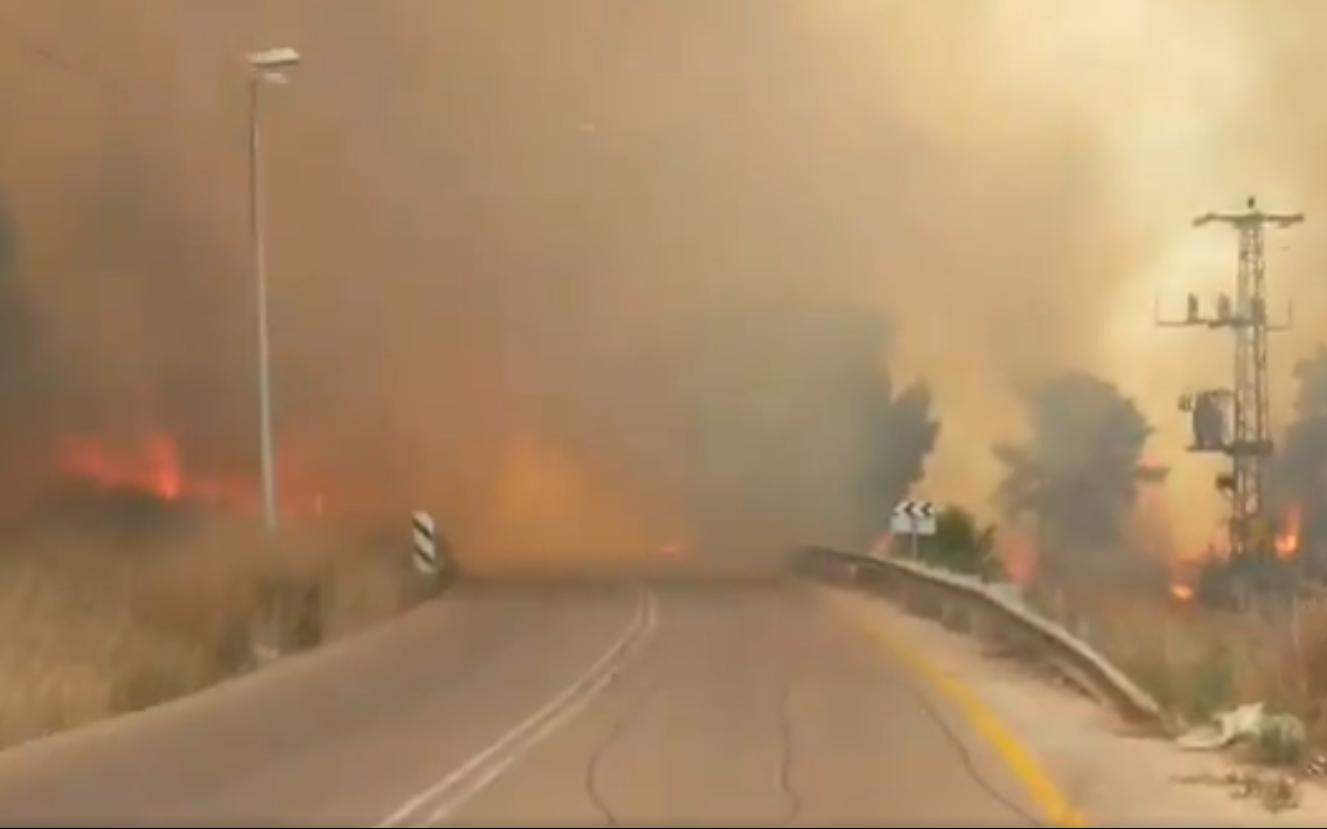
With just over a week remaining until national elections and two until the United Nations COP27 climate conference begins in Egypt, the cabinet on Sunday voted to mandate that all ministries submit their plans to prepare for climate change by the end of next year.
A similar decision was made by the government in 2018 but never implemented.
An Environmental Protection Ministry spokesperson said the critical difference this time was a deadline.
The reports will need to relate to different emergency scenarios being prepared by the National Emergency Authority (known by its Hebrew acronym Rahel) within the Defense Ministry. They will also have to align with the priorities and analyses of trends carried out by the Environmental Protection Ministry’s Climate Preparedness Unit, according to a joint statement from the ministry and the Prime Minister’s Office.
“By coping in the right way and preparing in advance, the climate crisis brings us extraordinary opportunities — not just (the need for) a determined battle, but prosperity and the march of Israel’s economy into a new world,” Prime Minister Yair Lapid said.
According to Tamar Zandberg, the environmental protection minister, “early preparation at the national level is critical to saving human life and the environment, and the step we took today is a significant one toward Israel’s readiness to deal with the damages and changes brought about by the climate crisis.”

But environmental groups criticized the announcement as just more talk.
The advocacy organization Adam Teva V’Din pointed out that the vote did not even carry the status of a formal government decision, which would bear a number and be officially published as such.
Unless anchored in law, it would be hard to enforce.
Furthermore, the organization noted, the failure to implement the 2018 decision, which was an official government decision, was flagged in a stinging State Comptroller report on the eve of last year’s COP26 climate conference in Scotland.
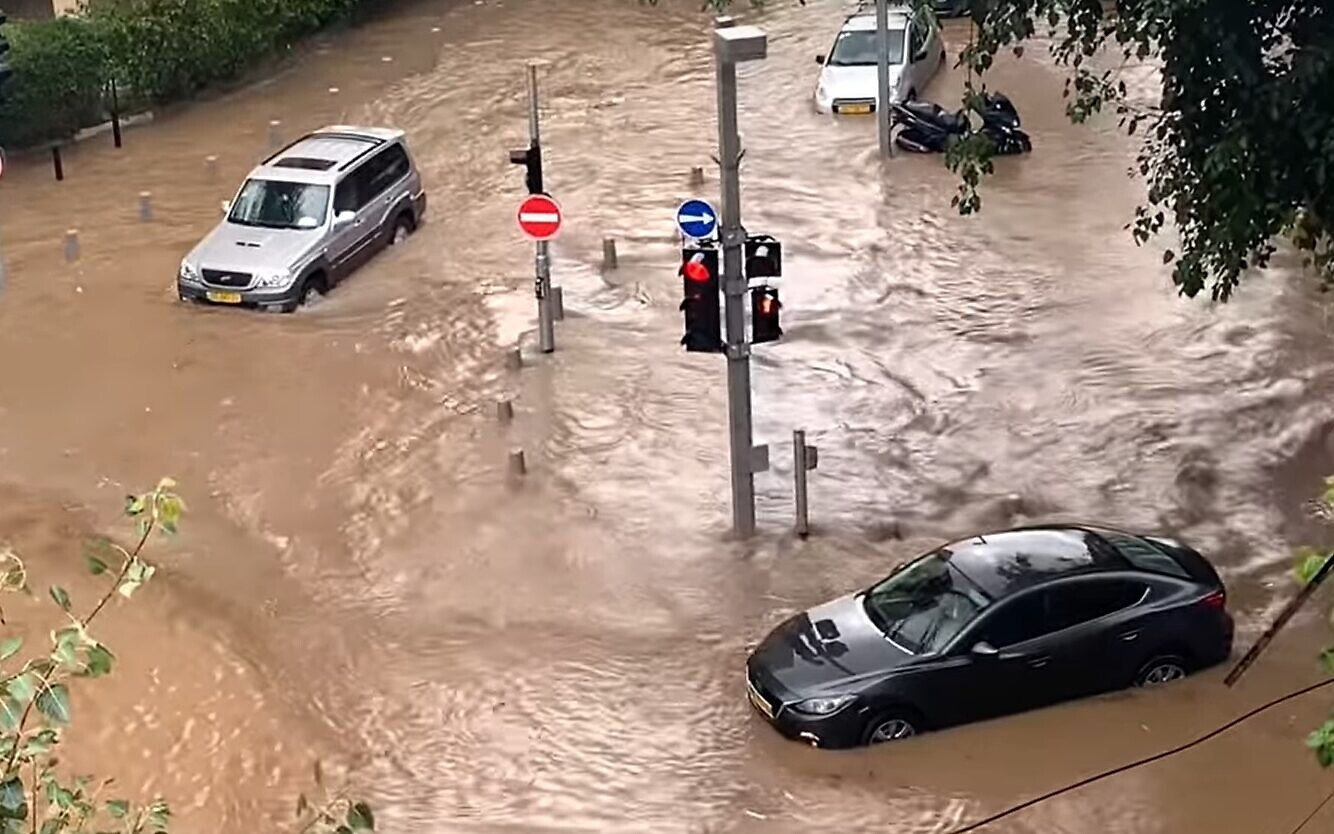
Regarding climate change scenarios, Adam Teva V’Din said that the National Emergency Authority had only completed plans for one kind of emergency so far — flooding.
There was no professional, scientific team to lead the initiative and no government machinery to enforce it. Instead of one Environmental Protection Ministry consultant being made available for all the ministries, each ministry needed a permanent official in charge of climate issues, it said.
The Society for the Protection of Nature noted that no funding had been allocated for the ministerial work.
“It would have been appropriate, just a few days before the UN climate conference, for the government to present actions and not just plans for the future, (and evidence of) implementation and not just statements and a repetition of what has already happened. We need action now,” it said.
As its name suggests, the National Emergency Authority deals with emergencies, not chronic problems.
Anat Greenberg, from the authority’s planning department, told a conference last month that a special climate subcommittee was now in its third year of work and was in touch with all ministries.
The work — and decisions on spending priorities — took time because so many people were involved, she said.
To date, the subcommittee had focused on flooding, conducting research and mapping all floodplains and infrastructure and populations that could be in danger. It had also helped set up a flood warning system.
The subcommittee was now turning its attention to heatwaves, she said.
Over the next four years the subcommittee would be building scenarios, writing plans on the basis of every relevant ministry’s stated needs, carrying out drills and reviewing readiness once a year, she said.









The Times of Israel Community.