

Former IDF chief Herzi Halevi gives testimony in Bild leak affair probe
Halevi, who led the army at time of leak, is not a suspect; at court hearing, judge says he ordered Kan to hand police raw footage from Feldstein interview, but broadcaster refuses
 Add ToI as a Preferred Source on Google
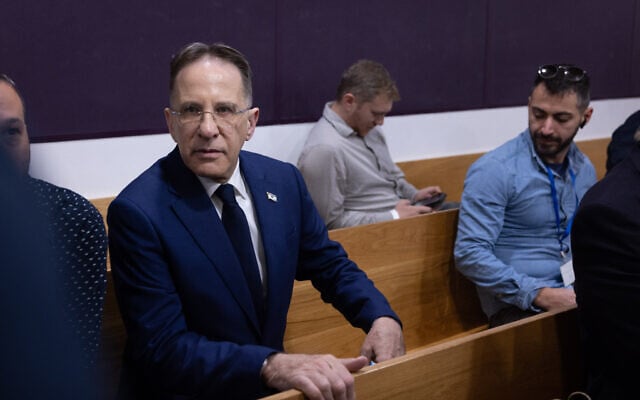
Former Israel Defense Forces chief of staff Herzi Halevi was summoned by police Wednesday to give testimony in the Bild leak affair, in which aides to the prime minister are suspected of leaking classified intelligence to the German tabloid in the summer of 2024 in order to influence Israeli public opinion in favor of hostage negotiations with Hamas.
Halevi, who led the military at the time that the classified documents were leaked, is not a suspect in the affair and was not questioned under caution, according to Hebrew media reports.
Halevi reportedly testified for some six hours later in the day.
Halevi’s summons and testimony came days after Netanyahu’s chief of staff, Tzachi Braverman, was detained and questioned under caution for several hours over suspicions he attempted to obstruct the investigation into the leak. Braverman has since been barred from communicating with Netanyahu or entering the Prime Minister’s Office.
Netanyahu’s former spokesman Eli Feldstein, the key suspect in the affair, alleged last month that Braverman knew of a covert investigation into the leak months before it was publicized and had assured Feldstein that he’d be able to quash the probe.
In an interview with the Kan public broadcaster, his first media appearance since his arrest in 2024, Feldstein said Braverman asked to meet him late at night in an underground parking lot in the Kirya military headquarters, where he informed him that the IDF had launched an investigation into the leak.
Braverman allegedly told Feldstein that the list of suspects went as high as the Prime Minister’s Office and urged him to inform him if he was in any way connected to the leak, as he would be able to “shut it down.”
Police also questioned PMO spokesman Omer Mansour under caution, after Feldstein alleged that Mansour was also present in the parking garage during the covert meeting.
Meanwhile, at a Wednesday hearing in the Rishon Lezion Magistrate’s Court, Judge Menahem Mizrahi confirmed that Feldstein had negotiated to become a state witness, according to Channel 12, though prosecutors ultimately decided not to sign a state witness agreement with Feldstein.
Braverman’s lawyers have called on the court to question all allegations provided by Feldstein, alleging that they were made by an individual clearly motivated by a desire to deflect blame as he faces charges that can carry a life sentence in prison over the transfer of classified intelligence.
In court, Mizrahi also chastised police for questioning Mansour under caution, calling his detention “terrible” and asking police representatives: “What crime did he commit?”
The police representative then explained that “Mansour is suspected of obstruction,” and said that he should be barred from the PMO for two weeks.
At the hearing, Mansour’s lawyers called the investigation “political and scandalous,” and denied that their client had any part in alleged wrongdoing.
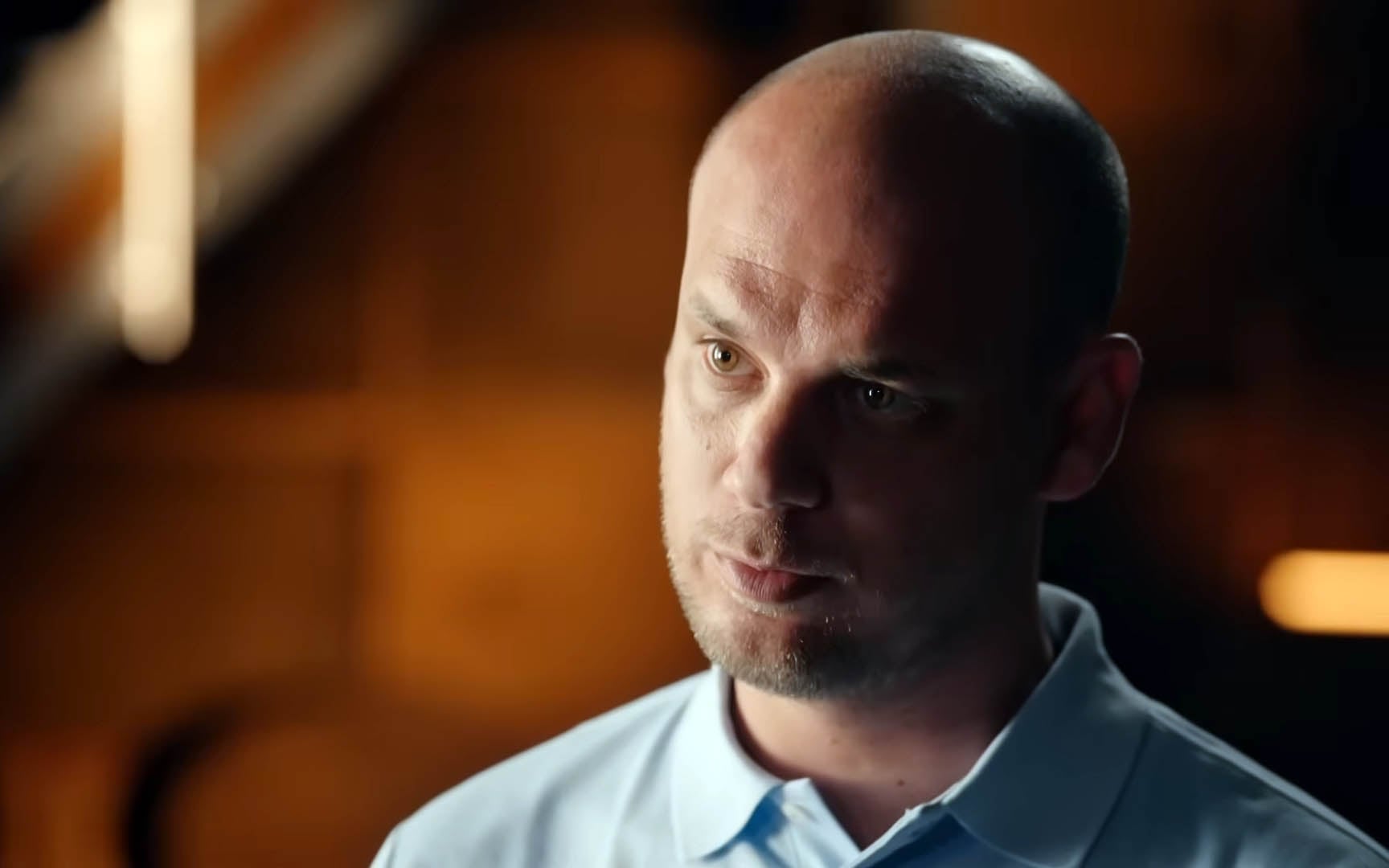
Additionally, Mizrahi said that he had issued an order allowing police to seize the raw footage from Feldstein’s Kan interview, saying that such material could aid the investigation into the alleged underground meeting.
The Israeli Public Broadcasting Corporation, Kan’s parent company, pushed back on the order, saying that “demanding raw materials from journalists is an infringement on the basis of investigative journalism, an infringement on journalistic confidentiality, an infringement on journalistic sources and an infringement on privacy.”
The IPBC said in its statement that it “has vehemently opposed the delivery of raw materials of any kind in the past and still opposes it now.”
The broadcasting corporation said it “will act through legal means, just as journalistic bodies have fought against this demand in the past,” and will push back on the judge’s order in court.
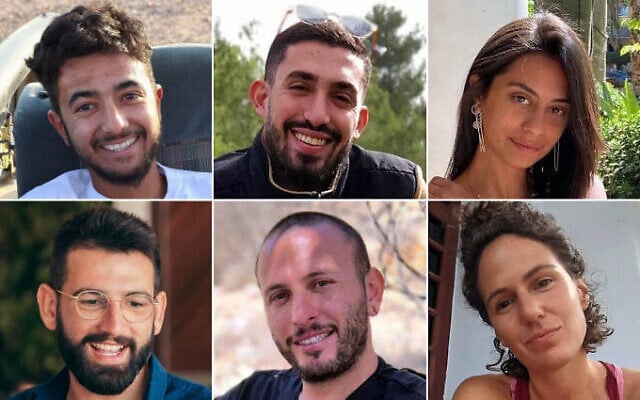
The Bild affair was triggered by the execution of six Israeli hostages at the hands of their Hamas captors, when Israeli troops approached the tunnel where they were located in the southern Gaza city of Rafah at the end of August 2024.
The execution sparked massive public uproar against the government, which critics saw as the obstacle in ceasefire negotiations due to Netanyahu’s perceived prioritization of “total victory” over Hamas at the expense of hostages’ lives. The document leaked to Bild appeared to be an attempt by Netanyahu’s office to shift the blame for the failure of talks to Hamas.
Feldstein is also a suspect in the so-called Qatargate affair, in which he and the prime minister’s top media adviser, Jonatan Urich, are suspected of taking money to spread pro-Qatari messaging to reporters, in order to boost the Gulf state’s image as a mediator in hostage talks between Israel and Hamas, while in the prime minister’s employ.
Since Feldstein was first arrested last year, Netanyahu’s office has flip-flopped in its position on him. After initially distancing itself from him, when it became clear that the aide had in fact been close to Netanyahu, the PMO shifted to calling him a “patriot.”
But, since he implicated the prime minister and Urich, Netanyahu’s office has turned on him again, accusing him of lying and insisting that the premier and his other staffers did not know about any illicit activity.








The Times of Israel Community.