

From birth to play, new exhibition explores childhood in ancient Israel
Israel Museum traces the lives of children through 500,000 years of artifacts: ‘What’s amazing about these toys is how similar they are to today’
 Add ToI as a Preferred Source on Google
Zev Stub is the Times of Israel's Diaspora Affairs correspondent.
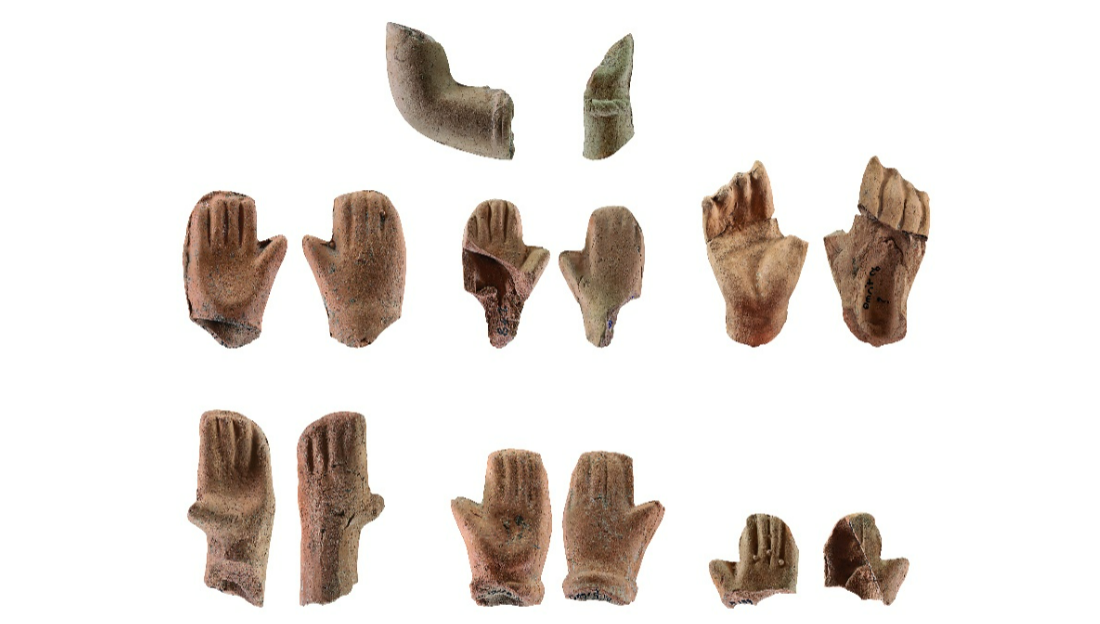
For years, archaeologists have painstakingly reconstructed the lives of ancient kings, warriors and other influential figures, but only recently have they begun piecing together lost childhoods.
“The whole subject of children in archaeology is quite new, despite that they represented 40-50 percent of the population,” said Tali Sharvit, curator of an exhibition at the Israel Museum in Jerusalem, “Tiny Footprints: Childhood in the Ancient Land of Israel.”
She told The Times of Israel during a private tour of the exhibition, which runs through the end of February, that it is the first in Israel devoted to ancient childhood, and the first in the world to tell the story of childhood in this region.
The result is a portrait that is at once strikingly different from the modern experience and surprisingly familiar, Sharvit said.
“Mothers are mothers wherever they are, and children act like children,” she added, standing next to an animated screen showing an imagined conversation in an ancient mommies’ WhatsApp group. “But one of the main themes we found is that childhood is not a universal concept.”
The exhibition brings together hundreds of artifacts from 11 institutions, tracing the lives of children in the Land of Israel and neighboring cultures from prehistory through the end of the first millennium CE. It draws on artifacts from Egypt, Mesopotamia, Phoenicia, Greece and Rome as well as Israel.
“Overall, we see a lot of things that are really similar to how things are today, even if there are plenty of shocking differences,” Sharvit said. “We can see the roots of modern institutions like schools and marriage, and observe similarities in the relationships between mothers and their children. At the same time, though, many of our ideas about children’s roles in the family structure have completely changed.”
Ignoring the human aspects of this history, Sharvit said, is “like a failure to do justice to the past.”
The mortal danger of giving birth
The exhibition opens with the theme of childbirth, which Sharvit described as one of the most dangerous moments in ancient life, for mother and infant alike.
Mortality statistics vary widely by period and culture, Sharvit said, “but the numbers are horrifying.” In some cultures, half of all infants died before they were weaned. Cultic birth tokens and amulets displayed illustrate how some cultures enlisted the help of gods and mythical creatures to protect mother and child during the process.
Carvings and other depictions discovered in Israel and surrounding lands show women giving birth surrounded by female attendants.
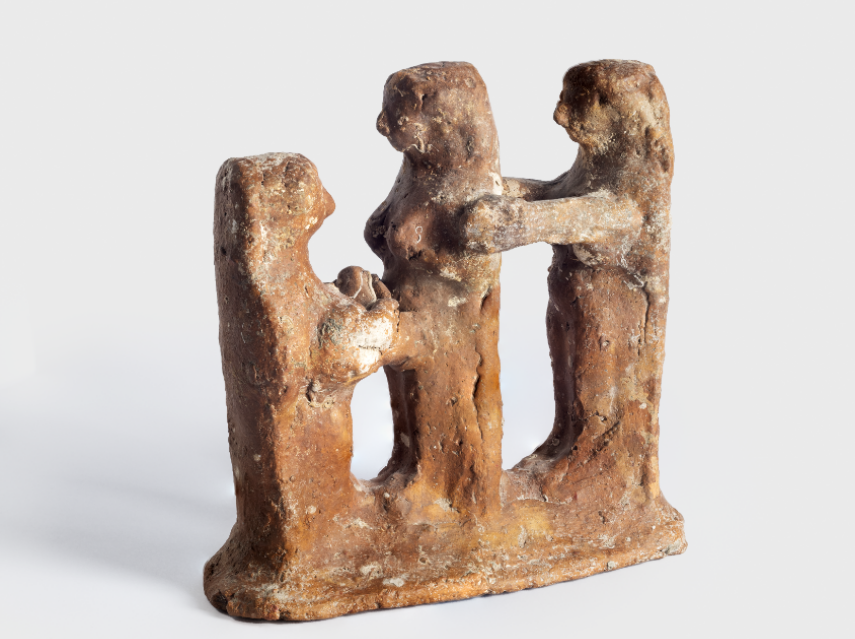
“Only women were around where women gave birth,” Sharvit said. “Men weren’t allowed, and seemingly had no role in the process at all.”
One display presents vessels used to feed infants — ceramic and glass baby feeders that held water, breast milk and early foods such as porridge. Residue analysis of similar vessels, many found in children’s graves in Roman Gaul, has revealed these were sometimes mixed with wine or animal and vegetable fats.
Infants were generally weaned from breast milk between the ages of two and four, while solid food was usually first introduced around six months of age, said Sharvit. For those who could afford it, a wet nurse was often employed, chosen with great care — some cultures believed that the qualities and values of the woman nursing would be passed on to the child through her milk.
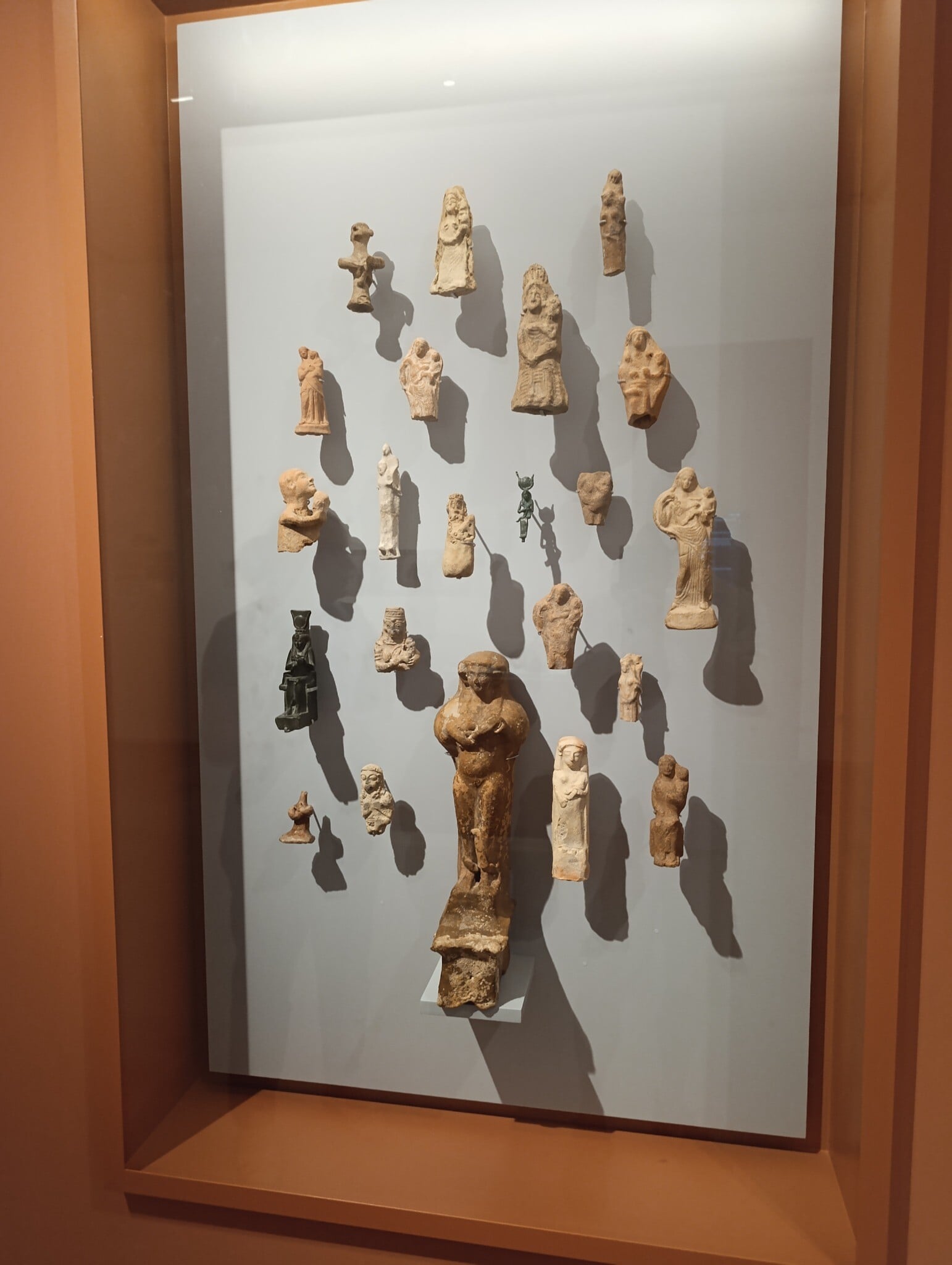
For girls, childhood was often preparation for the roles they would take on as adults.
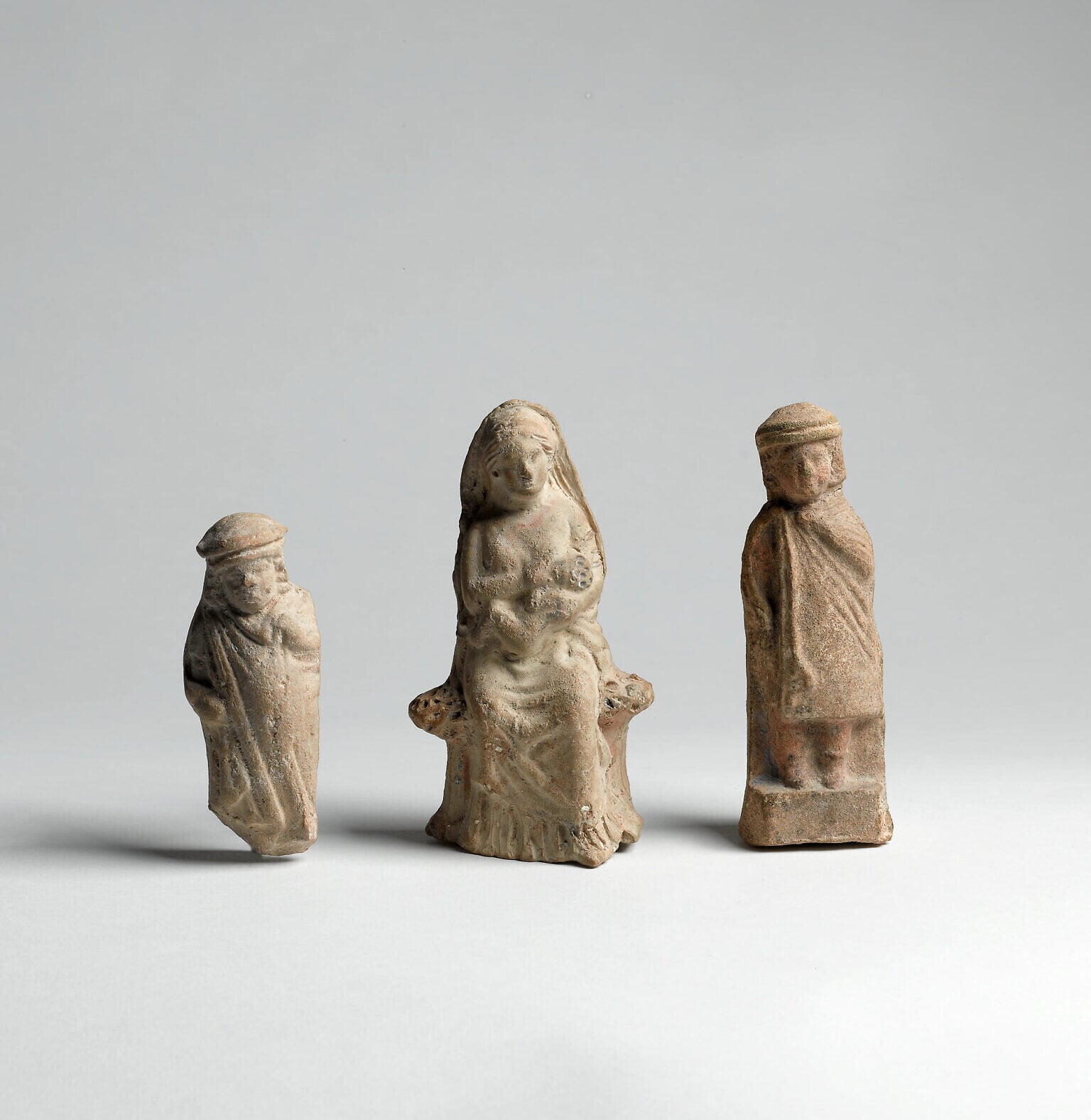
“From birth, a girl was taught that this was her role: to marry, to carry children, to give birth,” Sharvit said, standing before a wall of mother-and-child figurines from different cultures in the region.
Girls would often marry once they were physically able to reproduce, sometimes as young as 13, she said, although in some societies, higher-status families might wait a few more years. Marriage to older boys was common, and almost never subject to the girl’s personal choice.
Daily life: Same-same but different
Unlike today, ancient children were expected to contribute to family life from an early age, said Sharvit. Boys were often expected to work the fields and help with construction from as early as age four, while girls helped at home with food and caring for younger siblings.
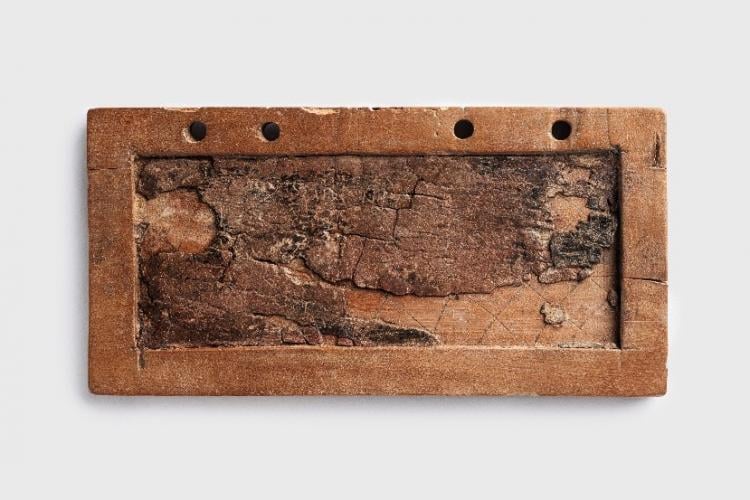
Boys were trained in practical skills, and usually not in a classroom. Miniature hand axes from Gilgal, sized for small hands, indicate that children were trained to use them for hunting and eating.
Childhood was a time for apprenticeship: Prehistoric figurines from a Natufian site bear a child’s fingerprints alongside those of an adult — evidence that children took part in making them, Sharvit said. And for girls, ancient dolls were more than toys, Sharvit said. Often, they were used to teach how to weave, sew and care for children.
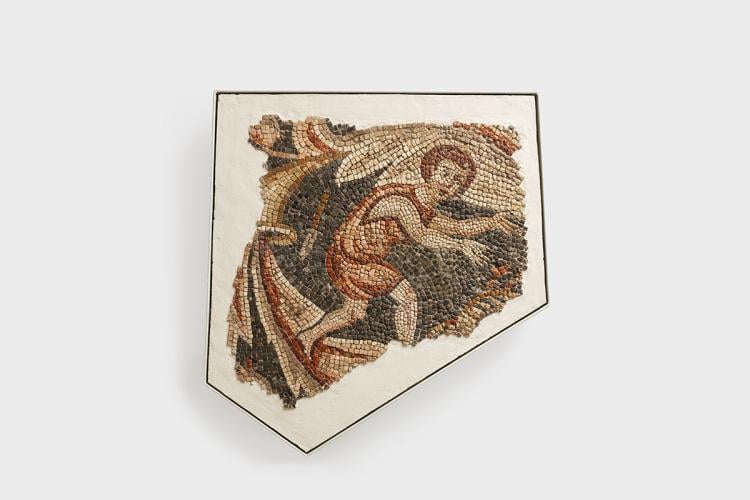
Children’s clothing options evolved over time. By the 3rd millennium BCE, infants and young children were commonly depicted wearing clothing, although they also frequently went naked and barefoot — especially boys. Very few artifacts of garments and footwear have survived in the Land of Israel, Sharvit noted.
Artifacts offer clues to how children looked and dressed in different cultures. Egyptian children wore a distinctive side braid, which they cut in their teens as a rite of passage. Roman children wore a braid down the middle, while Greek children wore particular hats. In most cases, clothing was simply a miniature version of adult dress, Sharvit said.
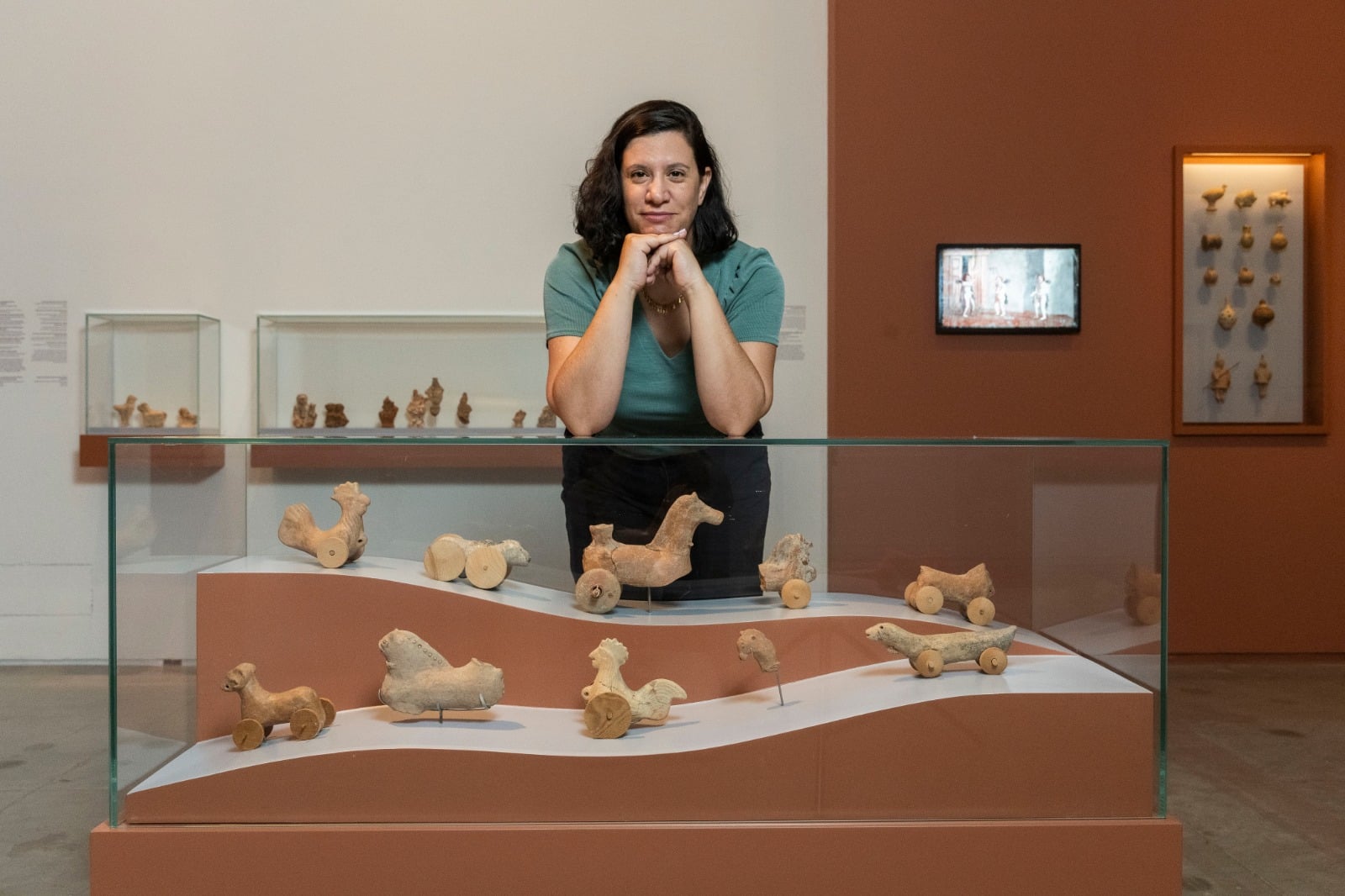
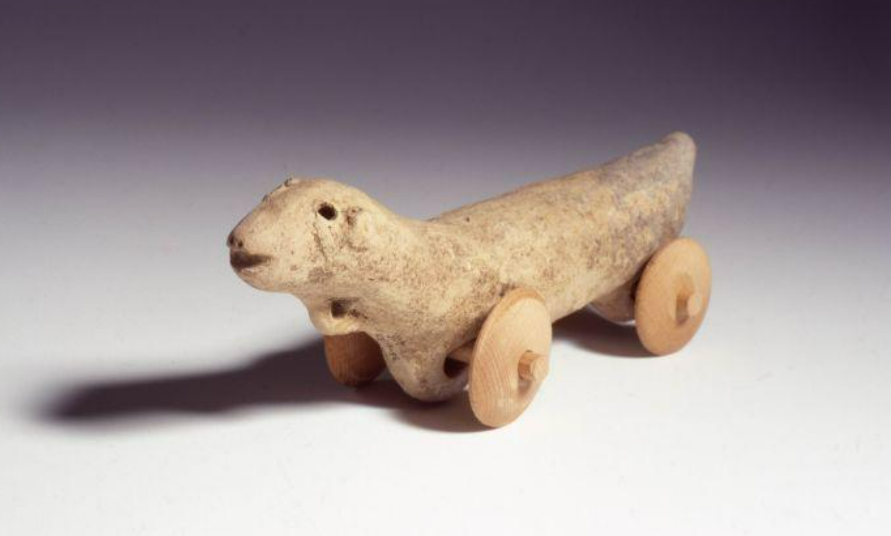
A collection of pull-toys with wheels, primarily from the Byzantine period, offers a glimpse of ancient children’s play. Most likely, kids spent more time playing with sticks and stones they found around them, but those rarely left traces for archaeologists to find, Sharvit said.
“What’s amazing about these toys is how similar they are to today,” she said. “But children mainly played with whatever they found, as they do today.”
A child’s place
Young children were often regarded as ritually pure, and sometimes depicted as conduits to the divine. Due to their lack of independent agency, however, they were frequently seen as property rather than as “fully human,” independent members of society, Sharvit said.
In Greece and Rome, unwanted infants were routinely abandoned for a variety of reasons, including concerns about inheritance rights, Sharvit said. Jewish communities, however, rejected both the abandonment of infants and child sacrifice, she noted.
Archaeological evidence from the Phoenician world and North Africa points to child sacrifice in some ancient communities, with one artifact on display depicting the tombstone of a child who was probably killed in such a rite.
While the Hebrew Bible describes child sacrifice among some Canaanite peoples, archaeologists have not found artifacts providing evidence of the practice in ancient Canaan, Sharvit noted.
For Sharvit, the exhibition’s most surprising discoveries were the personal touches of parental affection she found in the artifacts: a nickname given by a mother to a child, descriptions of the moment of birth, a young boy who suddenly became head of his household after his father’s death.
“I loved the moments when I could actually feel the person behind the artifacts they left behind,” she said.










The Times of Israel Community.