

‘Moment of truth’: UK’s Jewish, anti-Israel Green Party leader faces key electoral test in London
Zack Polanski is at a political crossroads as voters in central London go to the polls for a special election during a week in which his party declared ‘Zionism is racism’

 Add ToI as a Preferred Source on Google
Robert Philpot is a writer and journalist. He is the former editor of Progress magazine and the author of “Margaret Thatcher: The Honorary Jew.”
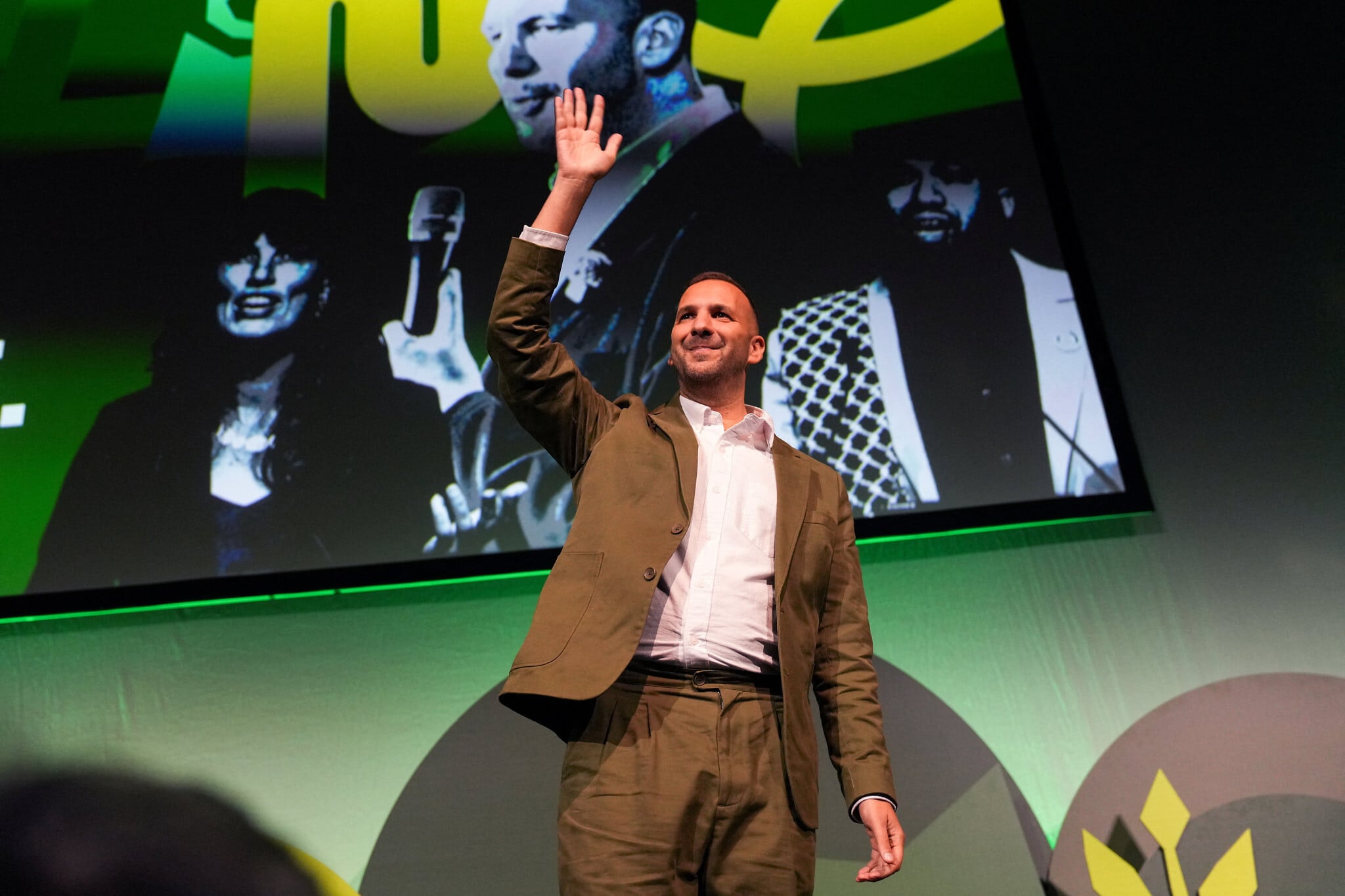
LONDON — In the wake of his election as leader of the Green Party last autumn, Zack Polanski’s supporters hailed him as Britain’s answer to New York City Mayor Zohran Mamdani. He too is a social-media-savvy, far-left populist bent on reshaping the political debate with a blend of promises to soak the rich and expand the government. And he, too, promotes an anti-Israel, identity politics agenda.
This Thursday, Polanski – one of the UK’s most prominent Jewish politicians – faces his biggest personal test when voters in the central London constituency of Holborn and St Pancras go to the polls in a special election caused by the resignation of former prime minister Keir Starmer, who held the seat.
Six months ago, Polanski might have expected to snatch the formerly safe Labour seat. In February, the Greens pulled off a stunning upset in a special election in the Greater Manchester constituency of Gorton and Denton – a heartland Labour seat – after running a campaign urging voters to punish Starmer for supporting Israel’s “genocide” in Gaza.
But a sharp drop in the Greens’ polling and the arrival of new Prime Minister Andy Burnham in Downing Street this summer has scrambled the electoral math and put Polanski firmly on the backfoot as he bids to win a seat in the House of Commons.
All this in a week when the Greens’ annual conference passed a highly controversial motion declaring “Zionism is racism.”
The special election is a “moment of truth” for the Greens, polling expert Peter Kellner told The Times of Israel.
“A year ago they elected Zack Polanski, effectively overthrowing the party’s old guard. His brash leadership has made the party more ideologically left-wing,” Kellner argued. “Polanski’s decision to stand in Holborn and St Pancras looked like a risk worth taking. Labour has a dreadful record of defending its seats in [special elections] when the party is in power nationally.”
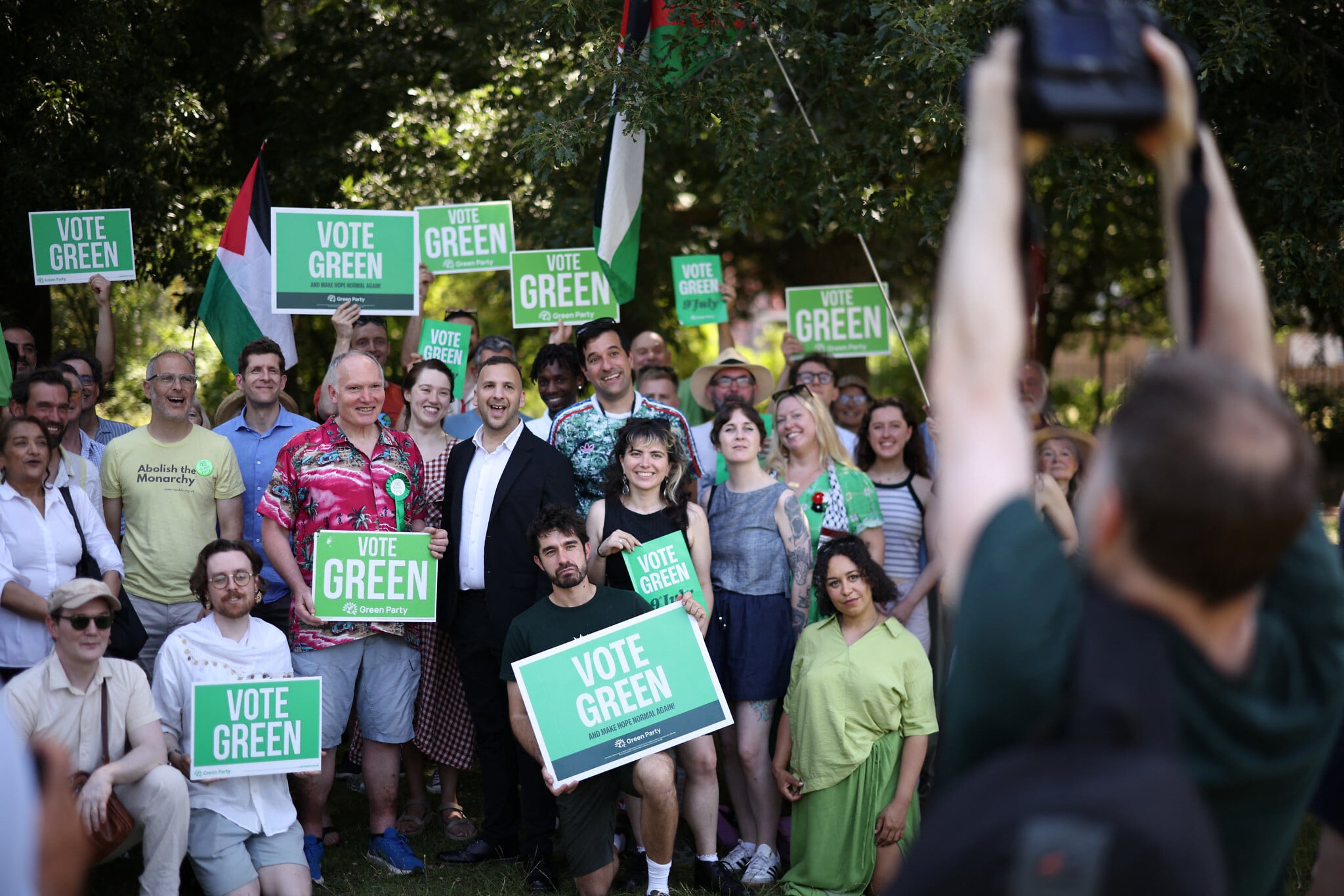
Indeed, on Polanski’s watch the Greens – who won four seats at the 2024 General Election – have abandoned climate change as the party’s foremost issue for a broader far-left agenda. That shift initially appeared to yield rich political dividends. Membership surged – the Greens now have around 220,000 members – and the party rocketed in the opinion polls.
In March, the party hit 21 percent in the polls, according to YouGov, overtaking Labour. By late September, the Greens had sunk to 11% – roughly the level they were polling before Polanski took the helm – with Labour some 13 points ahead. Senior party figures, The Times reported on Saturday, fear that Polanski has “peaked.”
A deep dive into perceptions of Polanski and the Greens produced by YouGov last week seems to bear out that assessment. It found that Polanski has a net favorability rating of -29 – only Nigel Farage, leader of the populist hard-right Reform UK, has a worse net score. When asked to describe the Green leader, nearly half of voters use at least one negative term.
The Green Party’s favorability ratings have also slid since Polanski became leader. In August 2025, it was the most favorably viewed party in the UK with a net rating of +5. That score has now dropped to -19.
“Britons tend to see the Greens as weak, out of touch, incompetent and serving their own interests,” YouGov’s analysis noted.

There’s no doubt that Burnham’s decision to shore up Labour’s liberal-left base has hit the Greens hard. Last week, the prime minister used his party’s annual conference to open up the possibility of Britain rejoining the European Union and abandoning the First Past the Post electoral system for Proportional Representation.
However, the Burnham government’s biggest break with Starmer’s premiership has been on the UK’s relationship with Israel. Even before he entered No.10, Burnham signaled that the party “didn’t get it right” in its strong backing for Israel in the wake of the Hamas-led October 7 massacre. The prime minister has subsequently suggested that the Hamas attack does “not justify the Israeli government’s actions in Gaza or the West Bank,” pledging not to “stand by as the horrific suffering continues.”
Last month, London followed up that rhetoric – and provoked a diplomatic fracas with Jerusalem – by announcing a ban on all dealings with West Bank settlements, as well as sweeping sanctions and a range of other punitive measures. The steps were strongly opposed by the leading British Jewish communal organizations.
Underlining the break with Starmer’s approach, Foreign Secretary Ed Miliband effectively told the Labour Party conference that pro-Palestinian activists had been right all along – and the government wrong.
“I want to say to the millions of people in this country, and indeed elsewhere, who have been moved and outraged by the plight of the Palestinian people, we hear you. You were right. And under Andy’s leadership, we have reset our approach,” he declared.
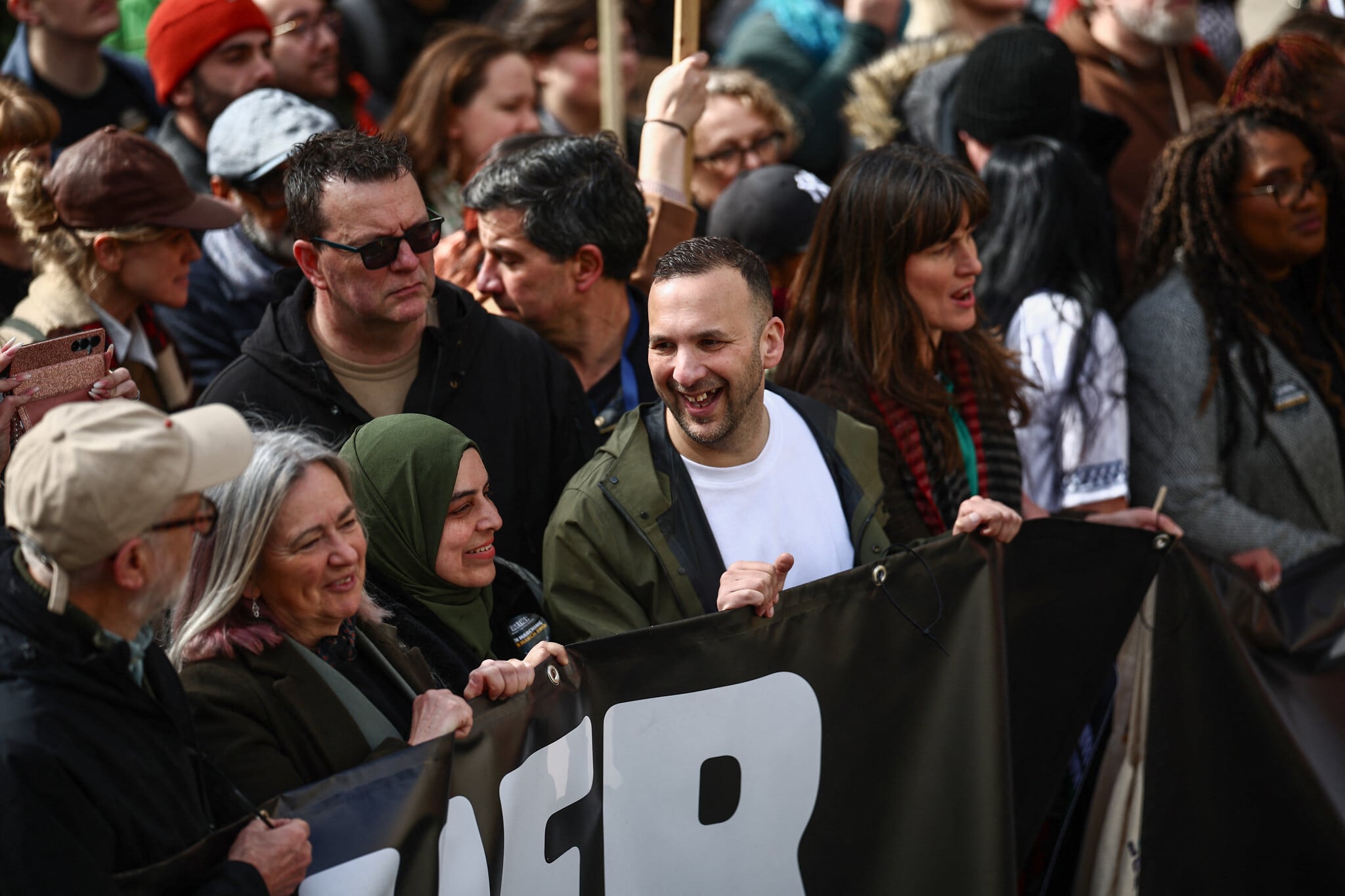
Labour’s shift has left Polanski with a strategic dilemma summed up by his own speech to the Green Party conference in the seaside city of Brighton this weekend. Reiterating his oft-repeated demand that “our government end its complicity in the genocide in Gaza and the illegal occupation of Palestine,” he said Miliband had taken “the first long overdue step in the right direction,” deeming it “necessary… but not nearly sufficient.”
“The pattern is clear,” Polanski continued. “Vote Green and watch Labour move. Through our sustained pressure – and our historic wins – we have held the worst instincts of the Labour government in check. And started to move them in the right direction.”
From vowing last year to replace Labour, Polanski appears to have radically downgraded the Greens’ goals.
Crucially, as Labour has begun to encroach on his territory, Polanski has opted to double down on his anti-Israel agenda.
Citing campaigning commitments in the special election, Polanski bolted from Brighton before the closed-door session in which the Greens decided to both brand Zionism as racism and reject a motion saying that the new policy should not be used to discipline Jewish members for attending synagogues that consider themselves Zionist.
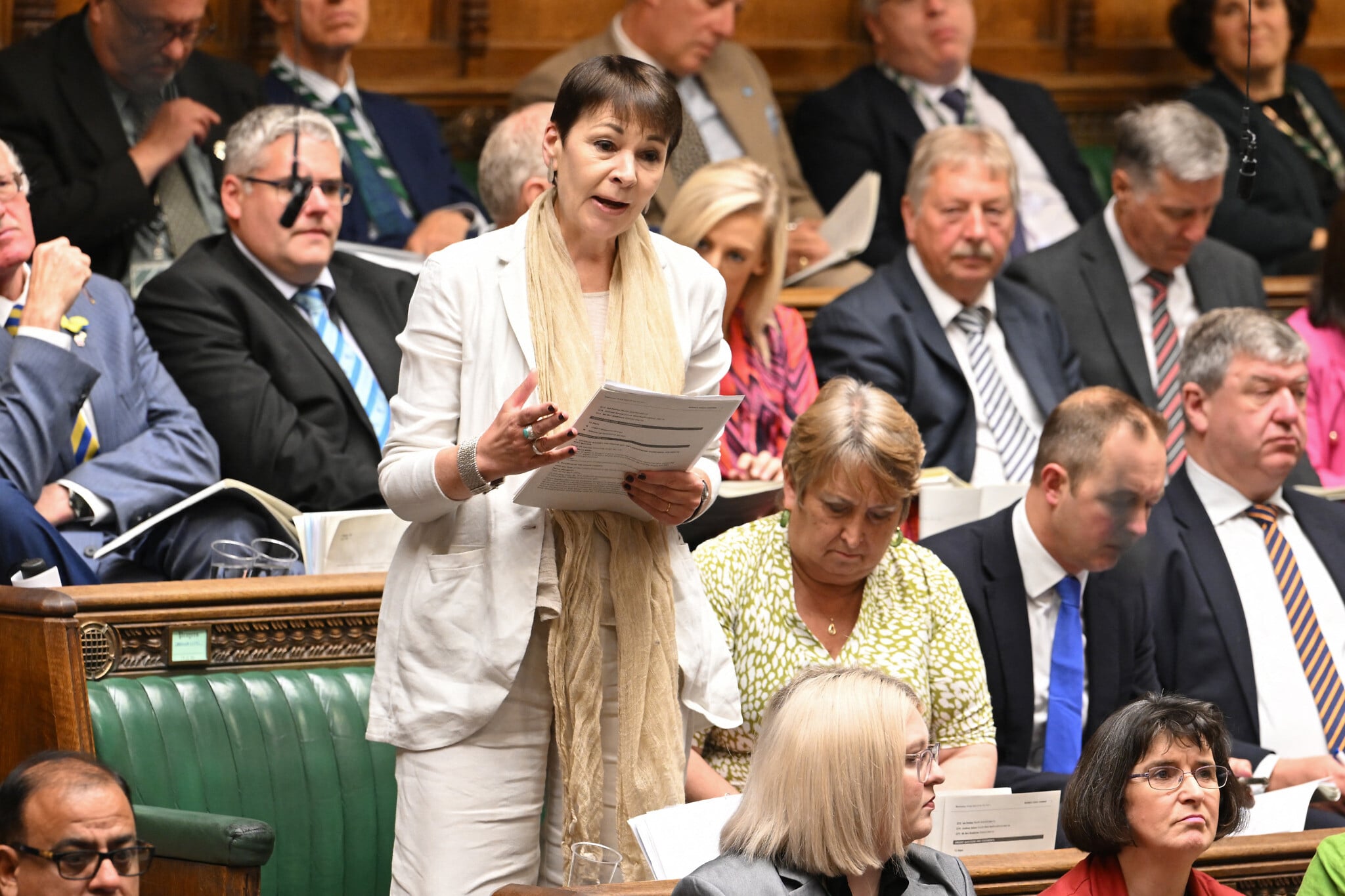
The “Zionism is racism” motion was publicly opposed by the party’s respected former leader, Caroline Lucas, and four of the Greens’ five MPs. Their stance reportedly reflects wider unease in the party that it is being infiltrated by extremist insiders. After its passage, Green MP Adrian Ramsay – who led the party into the 2024 election – said on X he was “deeply saddened” that the motion had been adopted, saying “it doesn’t reflect Green principles or my own view.”
But while Polanski absented himself and remained publicly silent – a stance denounced by the Jewish Leadership Council and Board of Deputies of British Jews as “not the actions of a leader, but a bystander” – his own sympathies aren’t hard to discern.
Last week, at a hustings in London for the special election candidates organized by the Board of Deputies and the London Jewish Forum, Polanski repeatedly refused to say whether Israel had a right to exist and said Zionism was a form of racism because “in truth” it involved the “displacement and genocide” of Palestinians. He also declared “I am an anti-Zionist” – a seeming shift from the previous formulation he had adopted in which he simply stated he was “certainly not a Zionist.”
Beyond British Jews and anti-Israel activists, many voters will find debates over the nature of Zionism esoteric. That doesn’t mean, however, that they won’t notice the strong denunciations issued by Jewish groups, many newspapers and the Greens’ political opponents.
“It would be a fitting rebuke to Mr. Polanski were this travesty to cost him his chance of victory in Holborn & St Pancras,” The Times newspaper stated on Monday. “He has recklessly sought to exploit dark political forces rarely seen in British political life.”
Moreover, there is now some evidence that voters are noticing – and disapproving of – the allegations of antisemitism lapping at the Greens’ door. Nearly four in 10 Britons, YouGov found, see the Greens as extreme or prejudiced, with just 26% viewing them as moderate or tolerant.
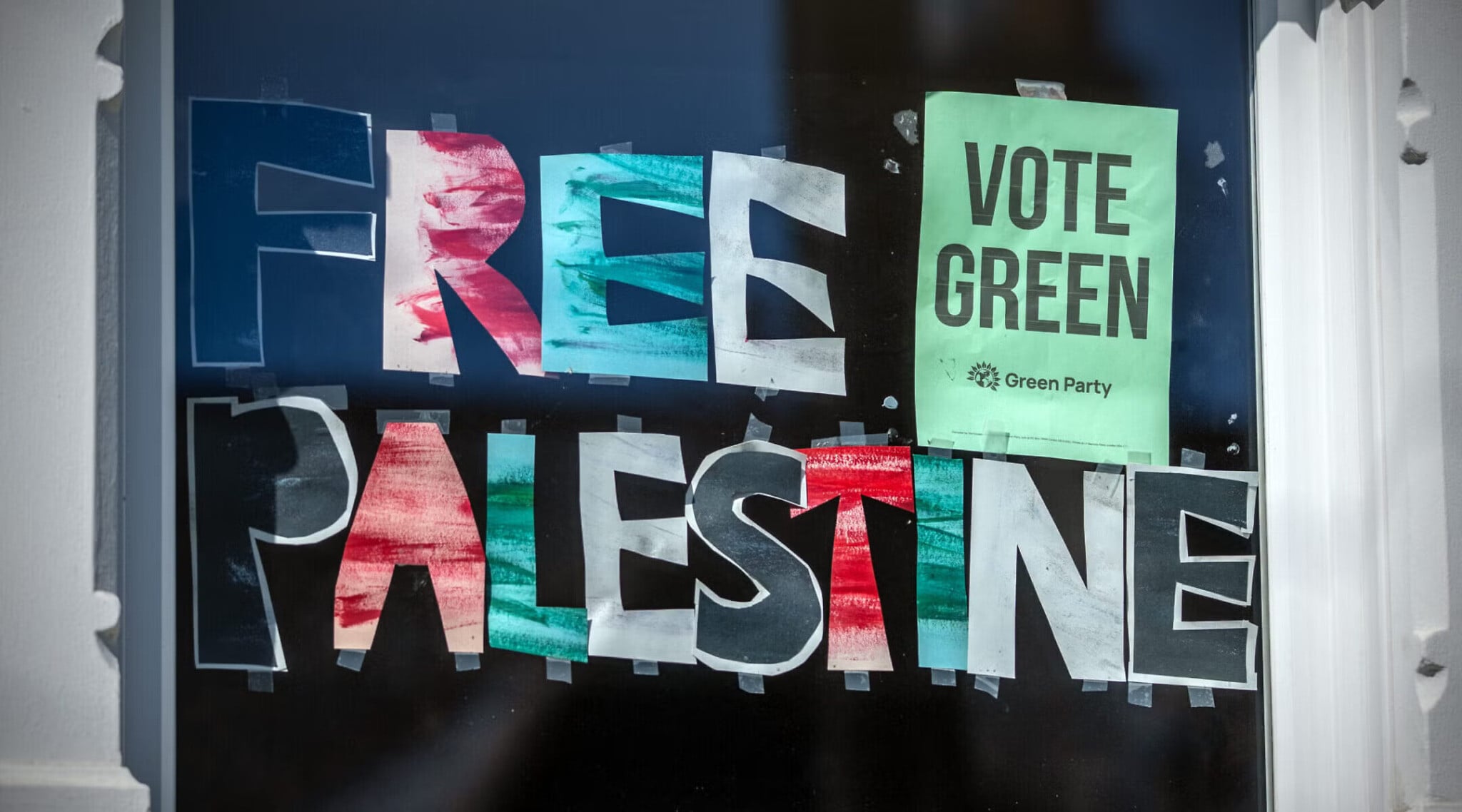
Indeed, the Greens’ fall in the polls – and the rise in Polanski’s unfavorability ratings – accelerated during April’s campaigning for local government elections. While Polanski came under the media spotlight on a range of issues, there was a strong focus on allegations of antisemitism in the party.
Among a welter of stories about its contenders, two Green candidates standing for election in south London, for instance, were arrested for allegedly stirring up racial hatred online with antisemitic posts.
In the final days of campaigning, Polanski himself was forced to apologize after he shared a social media post criticizing the police handling of the terror attack in Golders Green in which two Jewish men were stabbed. (The chief of London’s Metropolitan Police accused Polanski of amplifying “inaccurate and misinformed commentary.”) YouGov pinpoints the controversy as a key moment in increasing the proportion of Britons with a negative opinion of Polanski.
Allegations of antisemitism and extremism during Jeremy Corbyn’s leadership contributed strongly to Labour’s devastating defeat in the 2019 general election. It is a warning that thus far the Greens appear unwilling to heed.
And it could cost Polanski dear this Thursday.
“If he wins, then the Greens are back in business,” suggested Kellner. “But if Labour holds the seat, even narrowly, then not only will this be bad news for the Greens, it will be bad for Polanski personally. His future as party leader might not be as secure as it seemed just a few weeks ago.”






The Times of Israel Community.