

Stories told in minted gold
A new exhibit at the Israel Museum highlights the remarkable visual art in a collection of 500 antique coins
 Add ToI as a Preferred Source on Google
Jessica Steinberg, The Times of Israel's culture and lifestyles editor, covers the Sabra scene from south to north and back to the center
Gold. It’s the commodity by which currencies were figured, and the standard for anything of value — jewelry, Olympic medals… or heroin, often known as gold dust.
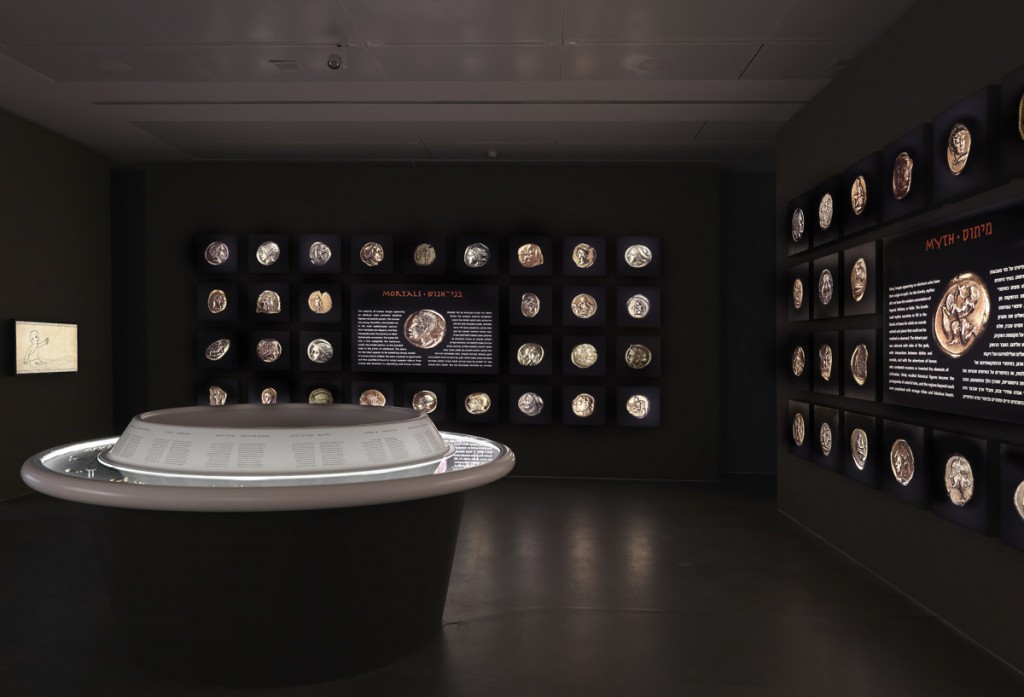
That’s the hook that curator Dr. Haim Gitler hopes will bring crowds of visitors to his new “White Gold: Revealing the World’s Earliest Coins” exhibit at the Israel Museum.
“You have to have a gimmick that brings people in, something that is exceptional,” said Gitler, the museum’s curator of numismatics (the study of currency). “Today, people know about gold for jewelry or [as a euphemism] for heroin.”
All puns about pricey drugs aside, the exhibition, said Gitler, is not necessarily about the earliest coins or the invention of coins, but rather the visual art displayed in this collection of 500 coins minted in antiquity.
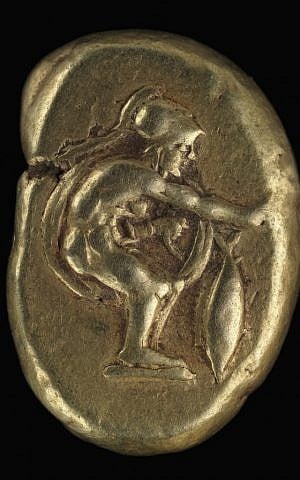
Each coin displayed offers fascinating detail about the time in which it was created, the leaders, and their pursuits; even the use of a tuna, for instance, often included in the engraved images, points to the popularity of fishing as an occupation at the time.
“You look at this, you can see all the detail, and then think that in that small piece of metal you can actually achieve such quality of art, such images and all in perfect condition,” said Gitler.
The coin exhibit is the first public display of its kind worldwide, he added, comprising 5 percent of the 10,000 ancient coins known to exist. The collection deals with the start of coinage, around 630 BC, when the first coins were minted in Asia Minor, today’s western Turkey.
Some of those first coins were not circular, but shaped like spades, a more common symbol in those times. At first, coins “were mostly irregular shapes,” pointed out Gitler. “It was probably just simpler to produce rounder shapes,” which is what eventually happened. “And today, most coins are the same. The only difference is that when they started to mint coins, the invention of coinage solved the problem of weighing silver or gold.”










The Times of Israel Community.